+86-13925515590
 kleinma@aliyun.com
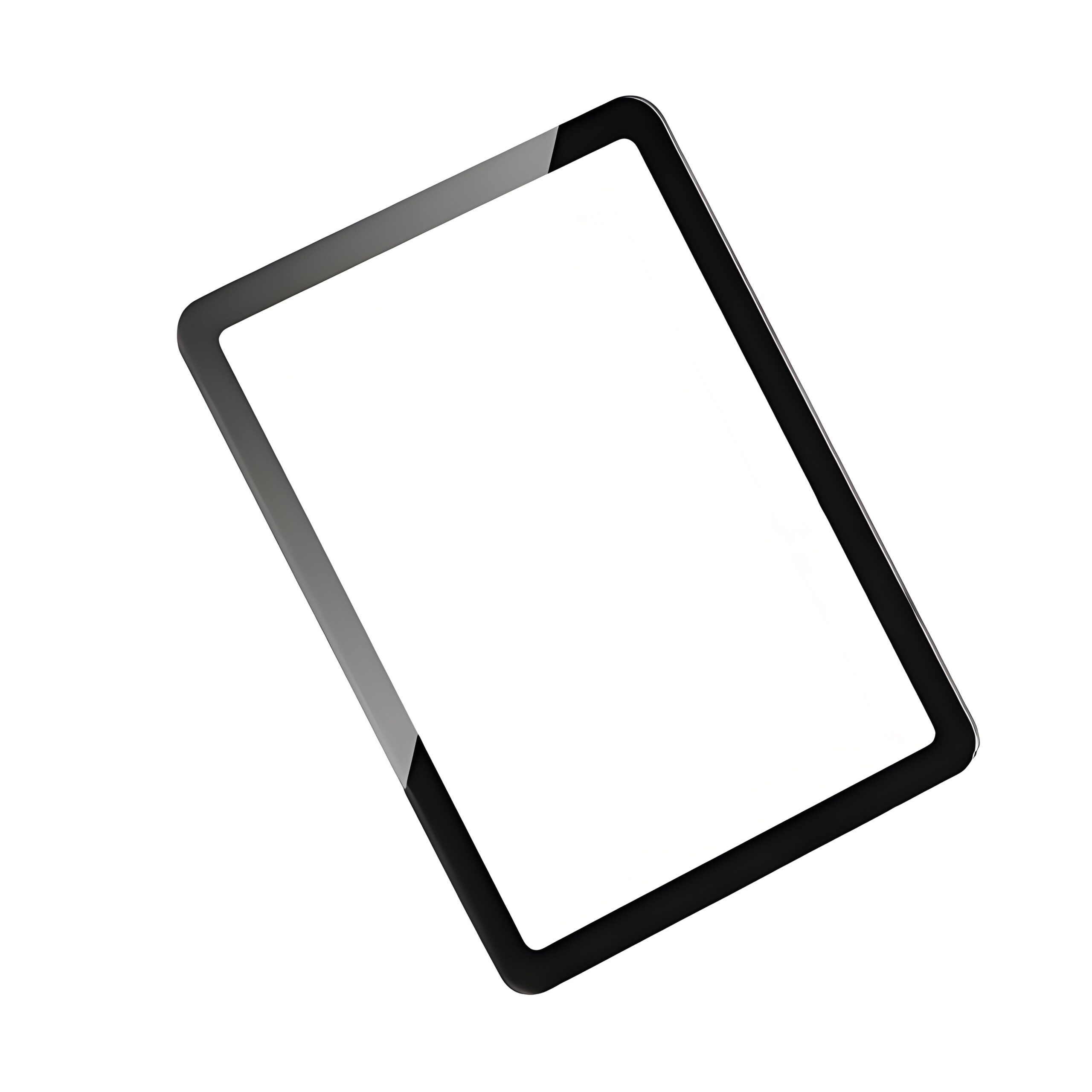
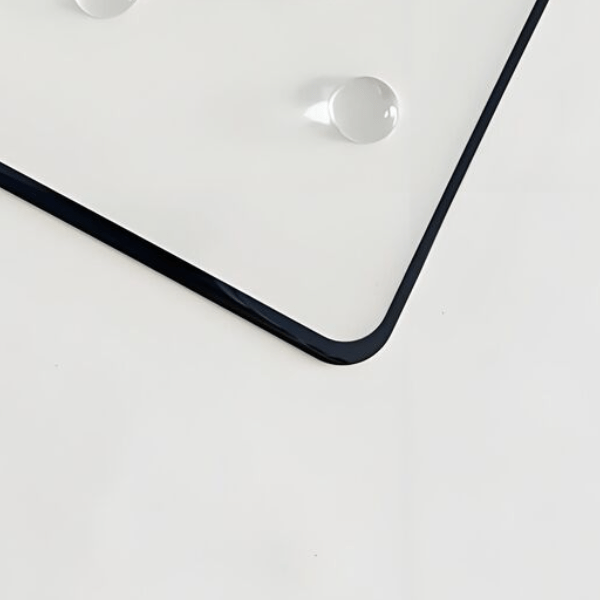
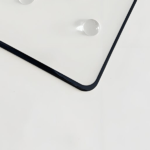
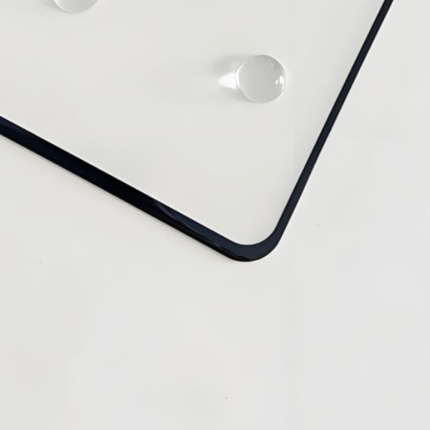
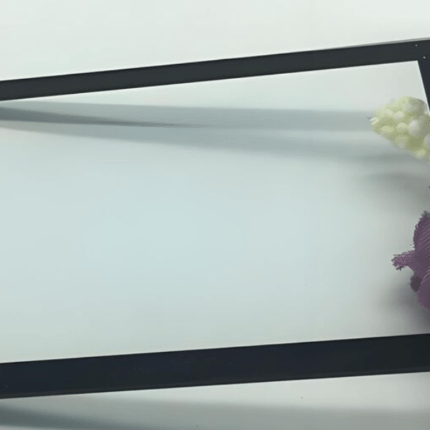
Electronic Cover Glass Lens | Custom OEM Manufacturer
Electronic Cover Glass Lens for Custom Electronic Displays
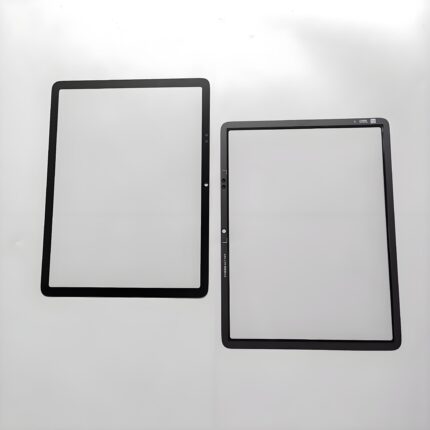
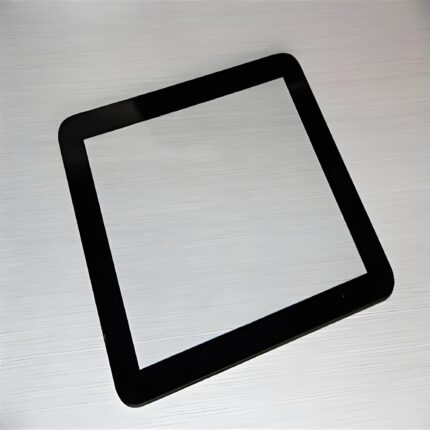
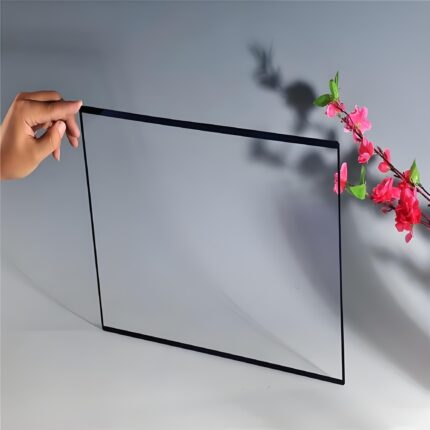
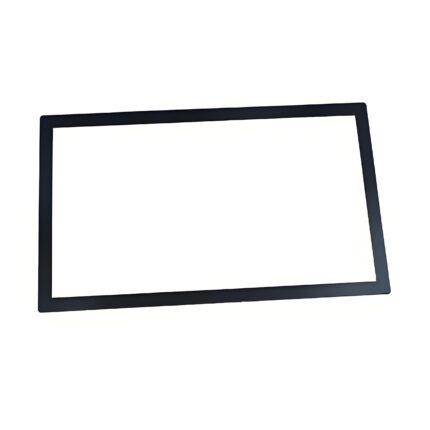
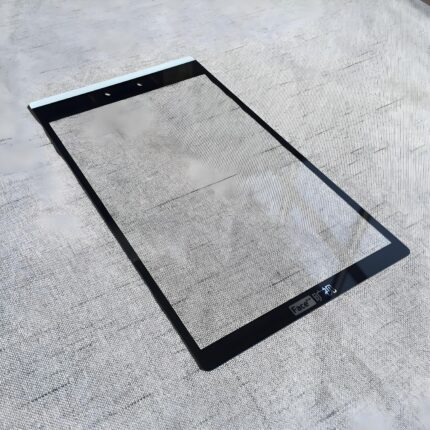
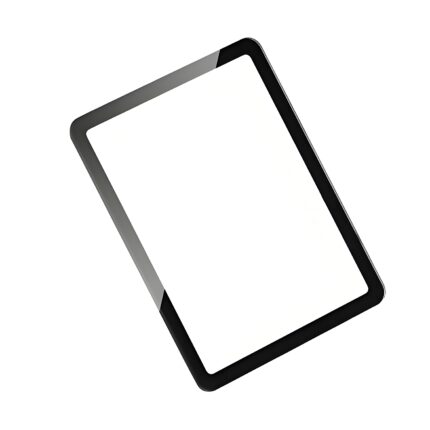
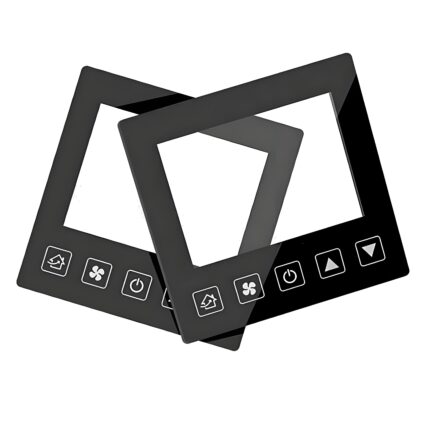
WM Cover Glass manufactures custom electronic cover glass lens for touchscreen displays, control panels, consumer electronics, automotive displays and other electronic devices.
Our electronic cover glass lens can be customized according to customer drawings and application requirements, including glass material, thickness, dimensions, shape, holes, cutouts, edge processing, surface coatings and printing.
Available options include soda lime glass and aluminosilicate glass, with chemical strengthening or thermal tempering depending on the glass thickness and application. We also provide CNC machining, silk screen printing, AR, AG and AF coatings, edge processing and adhesive bonding.
For OEM projects, we can manufacture electronic cover glass lens samples and production orders according to your specifications and quality requirements.
Electronic Cover Glass Lens
Electronic cover glass lens has evolved from simple protection to a sophisticated display component that actively enhances device performance. Today’s solutions combine cutting-edge material science with precision manufacturing to meet the demanding requirements of smartphones, tablets, automotive displays, and emerging flexible electronics.
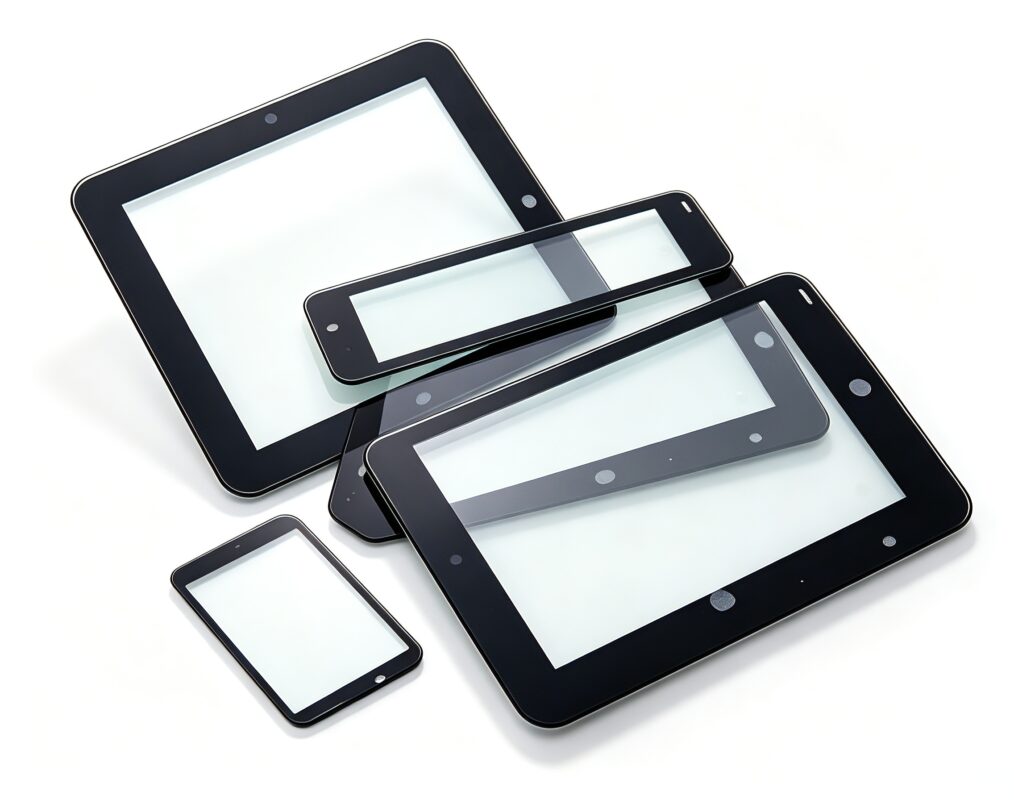
Electronic Cover Glass Lens Manufacturing Process
Our electronic cover glass lens can be processed according to customer drawings, dimensions and application requirements. The typical manufacturing process includes:
1. Glass Cutting
Glass sheets are cut to the required dimensions using precision cutting equipment. Custom shapes and dimensions are available for different electronic display applications.
2. CNC Machining
CNC machining is used for precise holes, slots, notches, cutouts and complex glass profiles. Dimensional tolerances are controlled according to customer drawings.
3. Edge Processing
Glass edges can be ground, chamfered or polished to improve edge quality, handling safety and overall appearance.
4. Chemical Strengthening or Thermal Tempering
Depending on the glass material and application, the cover glass lens can undergo chemical strengthening or thermal tempering to improve mechanical strength and impact resistance.
5. Silk Screen Printing
Custom printing is available for black borders, logos, symbols and other patterns. Printing can be customized according to the customer’s artwork and color requirements.
6. AR, AG & AF Coatings
Functional coatings can be applied according to the display environment:
- AR coating for reducing reflections
- AG coating for reducing glare
- AF coating for improving fingerprint and oil resistance
7. Cleaning
Ultrasonic or other precision cleaning processes are used to remove particles, dust and processing residues before final inspection.
8. Quality Inspection
Finished electronic cover glass lenses are inspected for dimensions, edge quality, surface defects, printing quality, coating performance and other customer-defined requirements.
9. Packaging
After final inspection, the finished glass is individually protected and securely packaged to reduce the risk of scratches, contamination or damage during transportation.
Specifications
| Specification | Options |
|---|---|
| Glass Material | Soda Lime / Aluminosilicate |
| Thickness | 0.3–3.0 mm+ |
| Shape | Rectangle / Round / Custom |
| Surface | Clear / AG / AR / AF |
| Strengthening | Chemical Strengthening / Thermal Tempering |
| Edge Processing | Grinding / Polishing / Chamfering |
| CNC Processing | Holes / Slots / Cutouts |
| Printing | Silk Screen / Logo / Black Border |
| Bonding | OCA / Adhesive Tape |
| Application | Touchscreen / HMI / Industrial Display / Consumer Electronics |
Cutting-Edge Manufacturing Processes
Down-Draw Manufacturing
Produces pristine surfaces with Ra <0.5nm roughness
Maintains ±0.03mm thickness tolerances
Enables widths up to 3 meters for large-format applications
Float Glass Alternatives
Cost-effective for standard applications
Suitable for thicker glass requirements
Good optical quality with proper processing
Electronic Cover Glass Lens Precision Fabrication Methods
Laser Cutting Advantages:
Kerf widths as narrow as 20μm
Minimal microcrack formation
Complex contour capabilities
CNC Grinding Benefits:
Excellent edge strength retention
Tight dimensional control
Suitable for prototype development
Quality Assurance Systems
Automated Optical Inspection: Detects sub-micron defects
Stress Pattern Analysis: Verifies chemical strengthening
Environmental Testing: Thermal cycling, humidity exposure
What’s The Application Of Electronic Cover Glass Lens

Mobile Device Electronic Cover Glass Lens
0.3-0.7mm thickness for slim profiles
3D formed edges for bezel-less designs
Under-display compatibility for cameras/sensors
Automotive Display Requirements
Vibration-resistant formulations
Heated glass options for defrosting
Sunlight-readable treatments
Industrial and Medical Applications
Chemical-resistant surfaces
Sterilization-compatible materials
Enhanced durability for harsh environments
FAQ
What is an electronic cover glass lens?
An electronic cover glass lens is a protective glass component installed over a display or touchscreen. It protects the underlying display from scratches, impact and environmental exposure while maintaining optical clarity and touch performance.
What glass materials can be used for electronic cover glass lenses?
We provide soda lime and aluminosilicate glass options. The appropriate material depends on the required strength, optical performance, thickness and project budget.
Can you manufacture custom electronic cover glass lenses from drawings?
Yes. WM Cover Glass provides OEM manufacturing according to customer drawings, dimensions and technical specifications.
What thicknesses are available?
We manufacture electronic cover glass lenses in different thicknesses according to the application and mechanical requirements. Thin glass can be used for compact electronic devices, while thicker glass is suitable for industrial and other demanding applications.
Can you provide AR, AG and AF coatings?
Yes. AR, AG and AF coatings can be customized according to the display environment and optical requirements.
Can you provide CNC machining and silk screen printing?
Yes. We provide CNC machining, holes, slots, edge processing and silk screen printing, including black borders, logos and other customized patterns.
Request a Quote for Electronic Cover Glass Lens
Looking for a reliable OEM manufacturer for your electronic cover glass lens project?
Send us your drawings or product requirements. Our engineering team can review the specifications and recommend suitable glass materials, thickness, strengthening, machining and coating solutions.
Please provide:
- Glass material or preferred glass brand
- Glass thickness
- Overall dimensions and shape
- CAD drawing or technical drawing
- Holes, slots and cutouts
- Edge processing requirements
- Chemical strengthening or thermal tempering requirements
- AR, AG or AF coating requirements
- Silk screen printing requirements
- Estimated order quantity
Contact WM Cover Glass for a customized quotation and production solution.