 +86-13925515590
 kleinma@aliyun.com


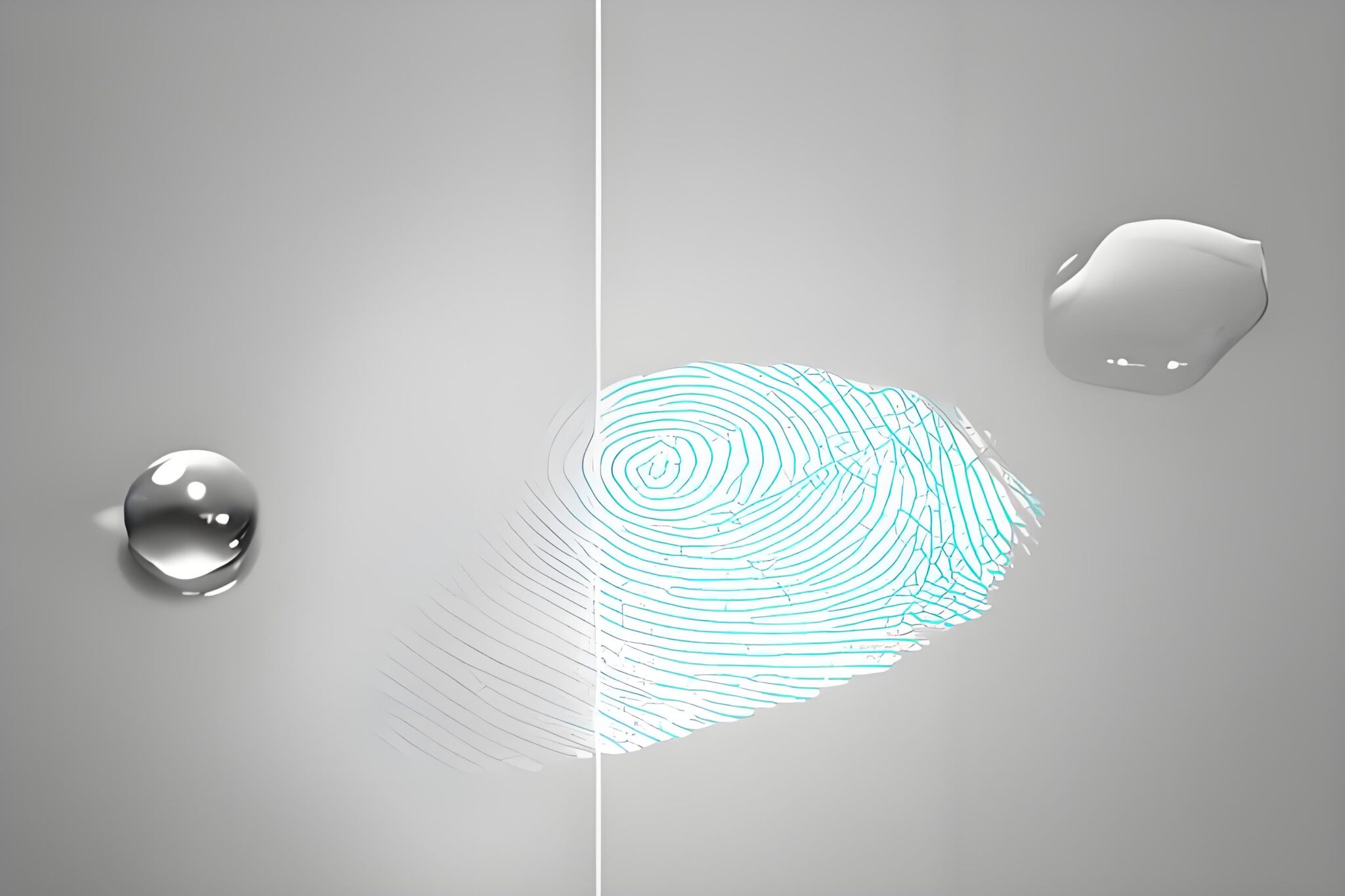
AF Coated Glass
AF coated glass for touchscreens and electronic displays uses an anti-fingerprint surface treatment to help reduce visible fingerprints, oily smudges and cleaning effort. We provide custom AF coating options for OEM cover glass used in industrial control panels, HMI displays, smart appliances and other electronic interfaces.
The coating specification can be evaluated according to the glass substrate, surface finish, water contact angle requirements, abrasion resistance and intended cleaning conditions. Depending on the design and process compatibility, AF treatment can be coordinated with glass cutting, CNC machining, edge polishing, silk screen printing and chemical strengthening.
For background on glass materials and surface technology, see Corning.
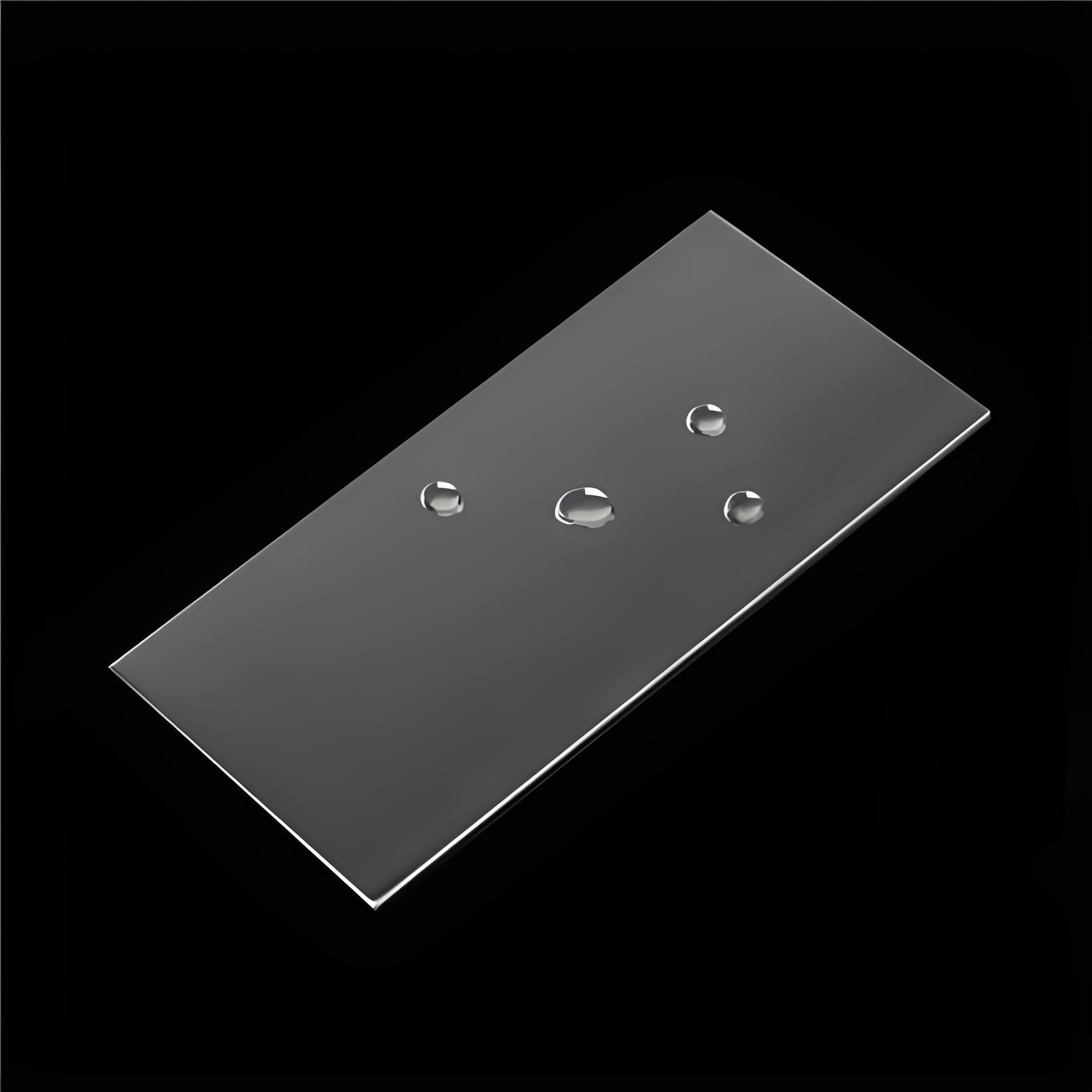
What Is AF Coated Glass?
AF Coated Glass is glass treated with an anti-fingerprint surface coating designed to reduce the adhesion of fingerprints, oils and other everyday contaminants.
AF treatment is particularly useful for touchscreens and frequently handled glass surfaces. The surface properties can make fingerprints less noticeable and help make routine cleaning easier.
The suitable AF coating depends on the glass substrate, application, optical requirements, touch interaction and expected surface conditions. Final coating specifications should therefore be confirmed according to the project requirements.
AF Coating for OEM Cover Glass
For OEM projects, AF coating requirements should be reviewed alongside glass dimensions, thickness, edge finishing, printing areas and strengthening requirements. The coating process and sequence depend on the selected substrate and manufacturing specifications.
To request a quotation, please share your drawings, glass dimensions, thickness, required AF performance, order quantity and application details. Reference samples or specified test methods can help clarify acceptance criteria before production.
Custom AF Coated Glass Manufacturing
Our AF coated glass can be manufactured according to customer drawings and technical specifications.
Available processing options include:
Custom glass cutting
CNC machining
Holes and cutouts
Edge processing
Chemical strengthening
Thermal tempering
Silk screen printing
Ultrasonic cleaning
AF surface treatment
AR coating
AG treatment
The manufacturing sequence is selected according to the glass material, dimensions, surface requirements and final application.

AF Coated Glass for Touchscreens
AF coated glass is commonly considered for touchscreen products because the glass surface is frequently touched by users.
Applications may include:
Touchscreen displays
POS terminals
Industrial HMIs
Automotive displays
Control panels
Tablets
Smart home devices
Consumer electronics
For touchscreen projects, AF coating can be evaluated together with glass thickness, surface finish, optical requirements, printing and strengthening specifications.
AF Coated Glass with Silk Screen Printing
AF coated glass can also be combined with custom silk screen printing for borders, logos, icons and functional graphics. The compatibility of the printing and coating sequence should be confirmed according to the selected glass structure and production requirements.
Quality Inspection for AF Coated Glass
AF coated glass can be inspected according to the agreed glass, coating and application specifications.
Inspection may include glass dimensions and thickness, surface appearance, coating uniformity, printed areas, optical requirements and other project-specific criteria.
For OEM projects, inspection requirements can be established from customer drawings and technical specifications before production to help maintain consistent glass and coating quality throughout the order.
For general information on materials testing standards, visit ASTM International.
See our Quality Inspection process for more information.
Request a Quote for AF Coated Glass
Need custom AF Coated Glass for a touchscreen or electronic display?
Send us your glass drawing and surface-treatment requirements for technical evaluation.
Please provide:
Glass material and thickness
Glass dimensions and shape
Touchscreen or display application
AF coating requirements
Optical requirements, if specified
CNC holes, slots or cutouts
Edge processing
Chemical strengthening or thermal tempering
Silk screen printing or functional graphics
AR or AG requirements
Prototype quantity and estimated production volume
Our engineering team can review your glass structure and surface requirements and confirm a suitable manufacturing process before quotation.
FAQ
What is AF Coated Glass?
AF Coated Glass is glass with an anti-fingerprint surface treatment designed to reduce the adhesion and visibility of fingerprints and oils on frequently touched surfaces.
Is AF Coated Glass suitable for touchscreens?
Yes. AF coating is commonly considered for touchscreen and frequently handled electronic display applications.
Can AF Coated Glass be customized according to drawings?
Yes. Glass dimensions, thickness, shape, CNC features, edge processing, printing and surface-treatment requirements can be customized according to customer drawings.
Can AF coating be combined with AR coating?
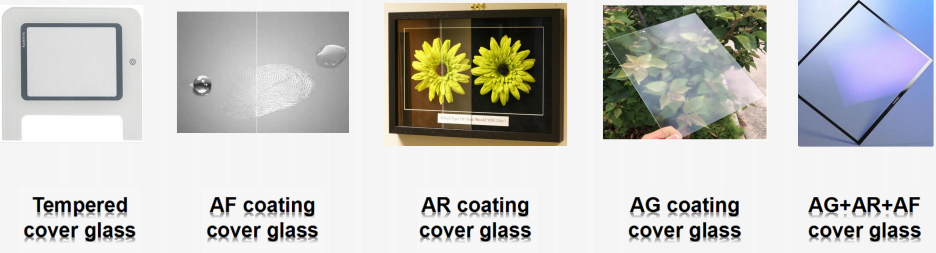
Yes. AF and AR treatments can be considered together when the selected coating system and glass structure are compatible.
Can AF coating be combined with AG treatment?
Yes. AF and AG can be evaluated together for applications requiring both fingerprint resistance and glare control.
Can AF Coated Glass be chemically strengthened?
Yes. Chemical strengthening can be evaluated together with the glass material, thickness and overall processing requirements.
Can AF Coated Glass have silk screen printing?
Yes. Custom borders, logos, icons and other graphics can be incorporated according to the glass design and coating process.
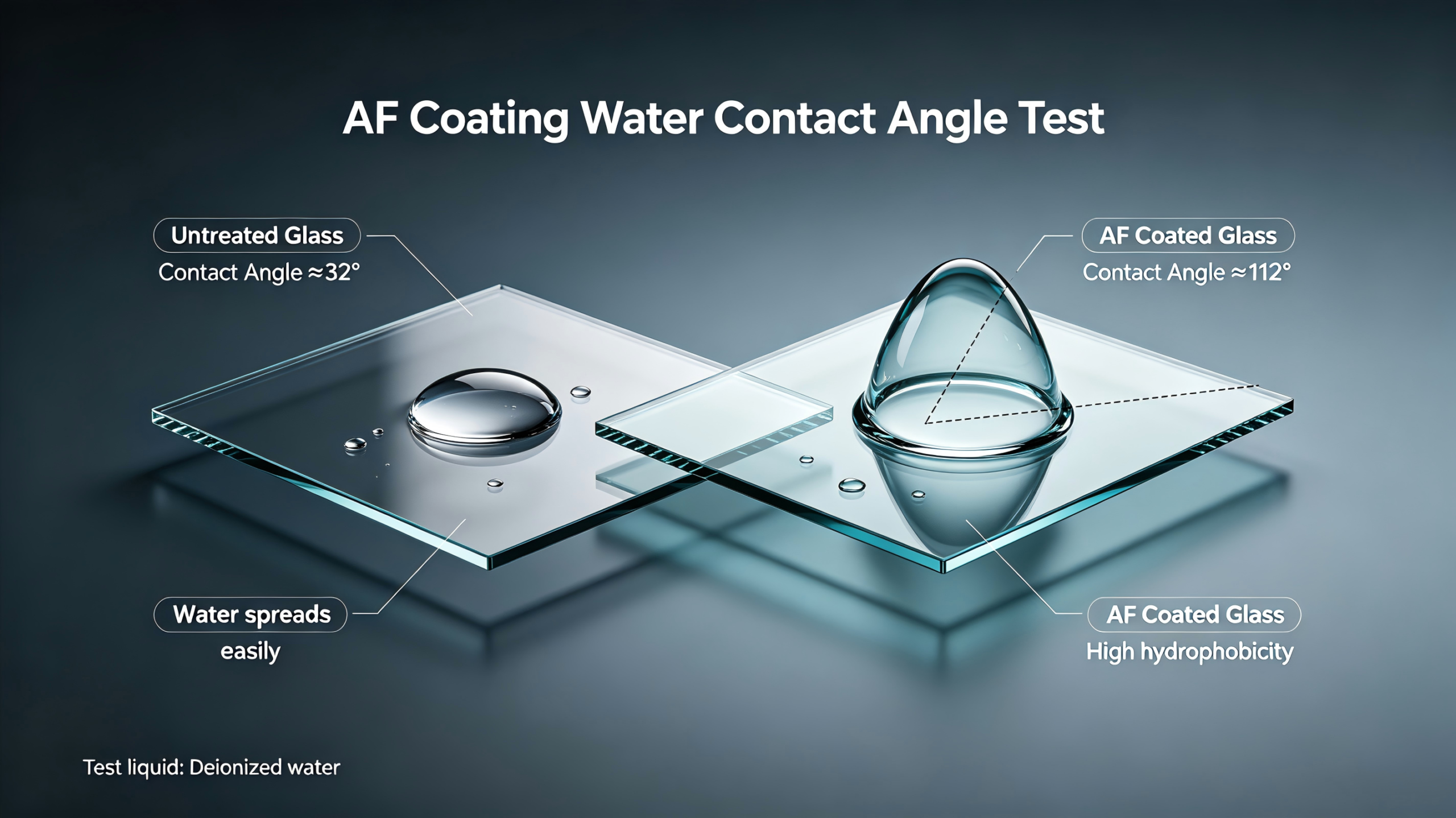
How is AF coating durability evaluated?
AF coating durability can be evaluated using agreed test methods for abrasion resistance, water contact angle retention and surface cleaning performance. Results depend on the coating system, glass substrate, test conditions and acceptance criteria. OEM projects should define these requirements before production.