 +86-13925515590
 kleinma@aliyun.com
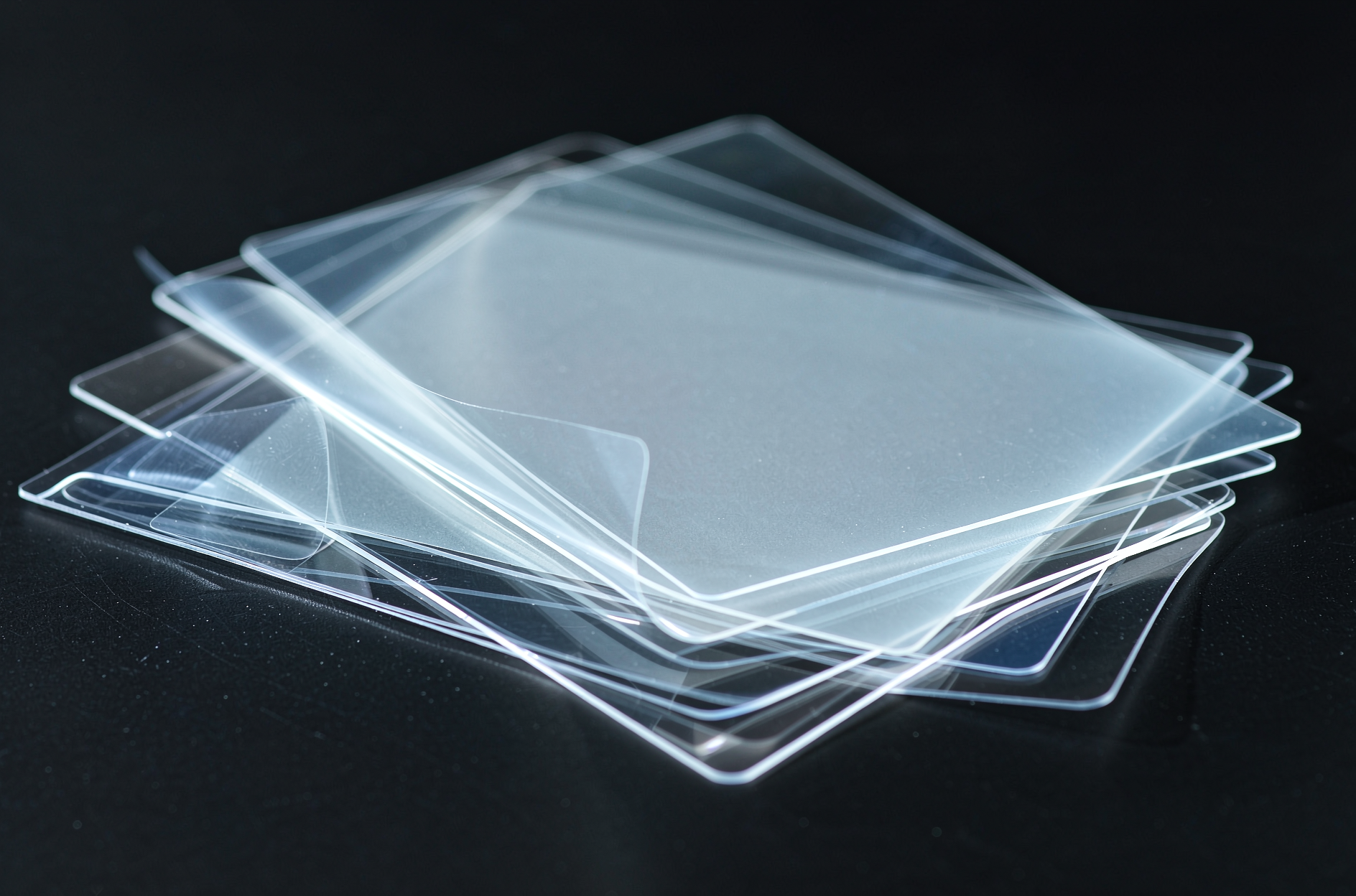
Looking for high-strength custom aluminosilicate glass for touch screens and industrial displays? We provide precision CNC cutting, chemical strengthening, and custom coating solutions with fast prototyping.
Aluminosilicate glass is a high-performance glass material commonly used for electronic displays, touchscreens and industrial applications requiring excellent strength, durability and optical clarity.
For customers requiring customized aluminosilicate cover glass, WM as a custom aluminosilicate glass manufacturer provides CNC machining, chemical strengthening, printing and coating solutions.
To learn more about its material composition and scientific background, you can refer to the Aluminosilicate Glass Wikipedia entry.
What Is Aluminosilicate Glass?
Aluminosilicate glass is a type of specialty glass containing aluminum oxide (Al₂O₃) and silicon dioxide (SiO₂), which improves the mechanical strength and chemical durability of the glass.
Through ion exchange chemical strengthening processes, aluminosilicate glass can achieve high surface compression and enhanced impact resistance while maintaining a thin profile.
This makes it one of the preferred materials for:
Advantages of Aluminosilicate Glass for Cover Glass
High Mechanical Strength
Aluminosilicate glass offers excellent bending strength and impact resistance after chemical strengthening, helping protect displays from daily damage.
Thin Glass Capability
Available in ultra-thin formats, aluminosilicate glass supports lightweight and slim device designs.
Typical thickness:
- 0.2mm
- 0.3mm
- 0.4mm
- 0.55mm
- 0.7mm
- 1.0mm
- 1.1mm
- 1.5mm
- 2.0mm
- 2.5mm
- 3.0mm
(Custom thickness available)
Tolerances:
0.2mm: +/-0.02
0.30≤t≤0.70 mm: +/-0.03
t>0.70 mm:+/-0.05
Excellent Optical Performance
With high transparency and low optical distortion, aluminosilicate glass is suitable for displays requiring clear visual performance.
Applications include:
- LCD displays
- OLED displays
- Touch panels
- Smart devices
Chemical Strengthening Compatibility
Aluminosilicate glass can be chemically strengthened through ion exchange to improve:
- Surface compression
- Scratch resistance
- Drop resistance
- Edge strength
Aluminosilicate Glass vs Soda Lime Glass
|
Feature |
Aluminosilicate Glass |
Soda Lime Glass |
|---|---|---|
|
Strength |
Higher |
Standard |
|
Impact Resistance |
Excellent |
Moderate |
|
Chemical Strengthening |
Excellent |
Limited |
|
Cost |
Higher |
Lower |
|
Thin Glass Capability |
Excellent |
Limited |
|
Application |
Premium displays |
General applications |
Custom Aluminosilicate Glass Processing
WM Cover Glass provides complete processing services:
Precision Cutting
CNC cutting(Precision tolerance +/-0.05mm)
Laser cutting(Precision tolerance +/-0.02mm)
Shape customization(Base on design)
CNC Machining
For complex glass shapes:
Holes(≥1 mm by CNC, <0.2 mm by laser, distance to edge 1.5 times of thickness)
Notches(≥1 mm by CNC, <0.2 mm by laser)
Curved edges(2.5D / polished)
Special dimensions(Base on design files:CAD / 3D)
Surface Treatment
Available coatings:
AR coating (Anti-Reflection, single side or double sides in different wavelengths)
AG coating (Anti-Glare, single side or double sides for different parameters including VLT, roughness/Ra, haze)
AF coating (Anti-Fingerprint, spray for cost favourable or electroplating for more durable)
Printing & Decoration
Options:
Silk screen printing
Black border printing
Logo printing
Functional markings
Lamination
Support:
OCA bonding
Optical lamination
Touch sensor assembly

Applications of Aluminosilicate Glass
Consumer Electronics
Smartphones
Tablets
Smart watches
Portable devices
Automotive Displays
Vehicle infotainment displays
Instrument panels
Touch control panels
Industrial Equipment
Industrial HMI
Control panels
Medical equipment displays
Custom Aluminosilicate Glass Processing Capabilities
Precision cutting, drilling, shaping, and edge processing according to customer drawings.
Ion exchange strengthening improves surface compression and mechanical durability.
Custom black borders, logos, icons, and decorative patterns for cover glass products.
Advanced coatings improve visibility, reduce reflections, and enhance fingerprint resistance.
Aluminosilicate Glass Customization Specifications
|
Item |
Specification |
|---|---|
|
Material |
Aluminosilicate Glass |
|
Thickness |
0.3mm - 3mm (Customized) |
|
Size |
Customized |
|
Shape |
Flat / Custom Shape |
|
Strengthening |
|
|
Surface Treatment |
|
|
Printing |
|
|
Processing |
CNC Cutting, Drilling, Polishing |
Aluminosilicate Glass vs Soda Lime Glass
|
Feature |
Aluminosilicate Glass |
Soda Lime Glass |
|---|---|---|
|
Strength |
Higher |
Standard |
|
Thin Glass Capability |
Excellent |
Limited |
|
Impact Resistance |
Better |
Moderate |
|
Cost |
Higher |
Lower |
|
Applications |
Premium displays |
General applications |
Related Cover Glass Products
FAQ
What is aluminosilicate glass used for?
Aluminosilicate glass is commonly used for display cover glass, automotive displays, industrial touch panels, and electronic devices requiring high strength and optical clarity.
Is aluminosilicate glass stronger than soda lime glass?
Yes. Aluminosilicate glass generally provides higher mechanical strength and better durability, especially after chemical strengthening.
Can aluminosilicate glass be customized?
Yes. We provide customized aluminosilicate glass solutions including cutting, CNC machining, printing, coatings, strengthening, and bonding.
Can aluminosilicate glass be used for touch screens?
Yes. Aluminosilicate glass is widely used for touchscreen cover applications because of its strength, thin profile, and excellent optical properties.
Need Custom Aluminosilicate Glass Panels?
Send your 2D/3D drawings (DXF, DWG, PDF) to kleinma@wmcoverglass.com or click below to request a fast quote. We support low MOQ prototyping and mass production.