 +86-13925515590
 kleinma@aliyun.com

AR, AG & AF Coatings for Custom Cover Glass
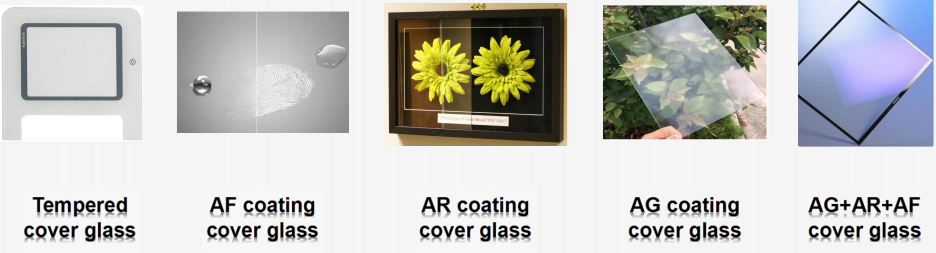
We provide AR, AG, and AF coating solutions for custom cover glass used in displays, touchscreens, electronic devices, automotive interfaces, industrial equipment, and other applications requiring improved optical performance, glare control, or surface protection.
Different coating technologies are designed to address different application requirements.
- AR (Anti-Reflective) coatings help reduce surface reflection and improve display visibility.
- AG (Anti-Glare) treatments help diffuse reflected light and reduce distracting glare.
- AF (Anti-Fingerprint) coatings help reduce fingerprints, smudges, and oil residue on the glass surface.
These surface treatments can be customized according to the glass type, application, optical requirements, and product design.
AR Coating for Cover Glass
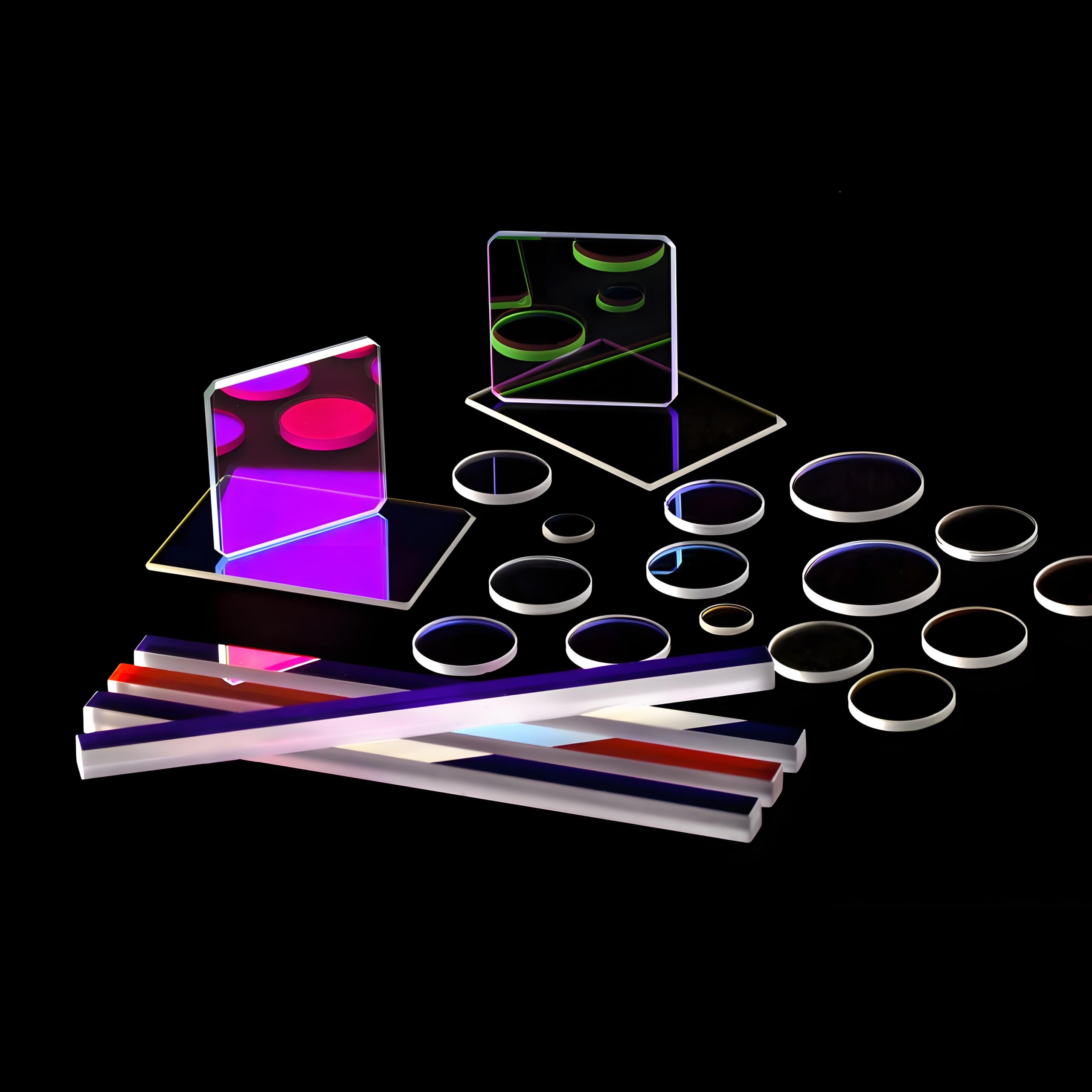
AR, or Anti-Reflective, coating is designed to reduce light reflection from the glass surface.
Reducing surface reflection can help improve display visibility and optical performance, particularly in applications exposed to strong ambient lighting.
AR-coated cover glass can be used for:
- LCD displays
- Touchscreens
- Industrial displays
- Automotive displays
- Medical equipment
- Optical devices
- Consumer electronics
- Electronic control panels
The coating solution can be evaluated according to the required optical performance, glass substrate, and application environment.
AG Coating for Cover Glass
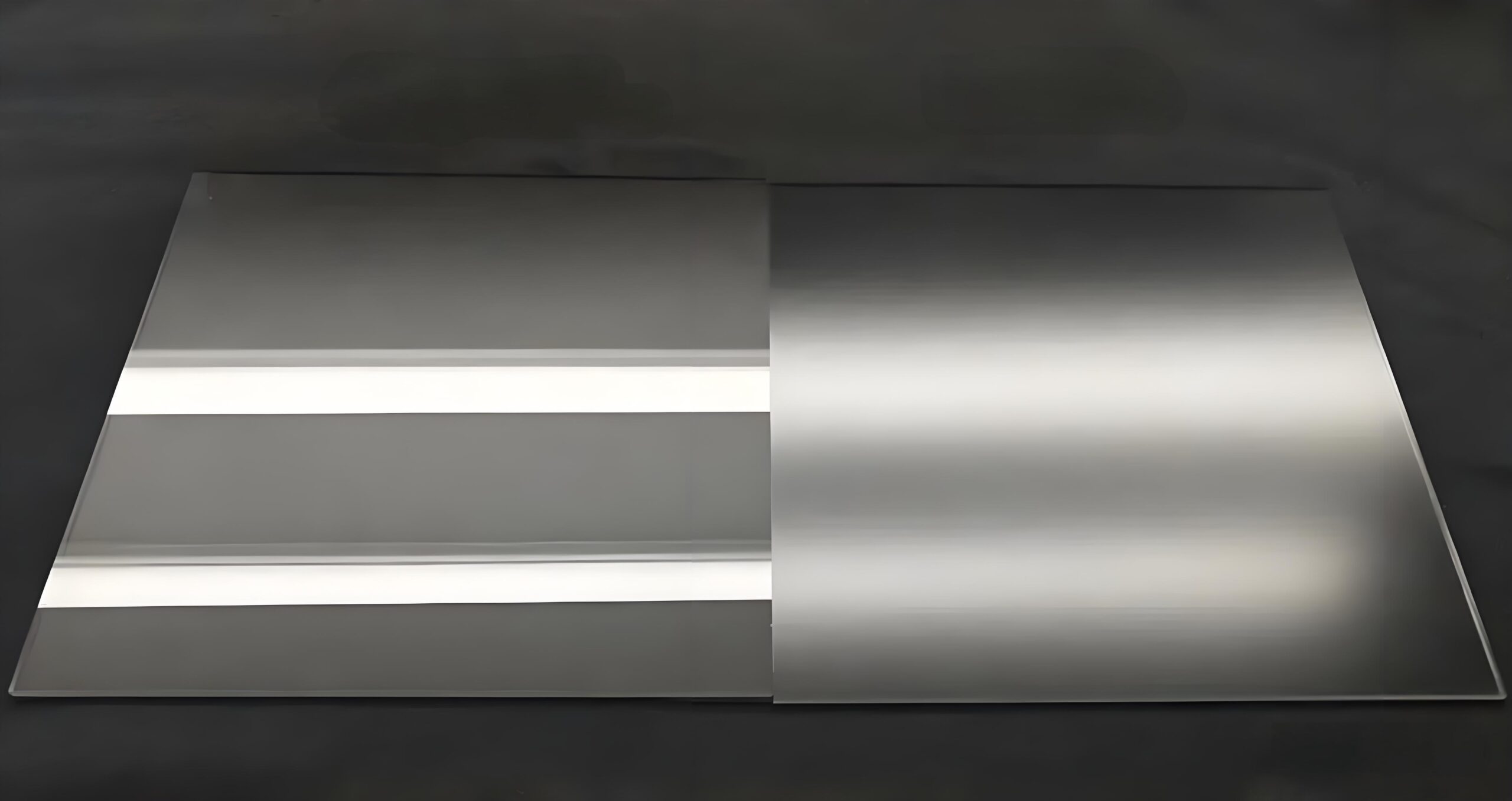
AG, or Anti-Glare, treatment is designed to reduce distracting reflections by modifying how light interacts with the glass surface.
AG glass can be useful for applications where reflected light or glare may affect screen readability.
Typical applications include:
- Industrial control panels
- Touchscreen displays
- Automotive displays
- Outdoor electronic devices
- POS terminals
- Consumer electronics
- Instrument panels
AG performance can be selected according to the required surface appearance, haze, gloss, and optical characteristics.
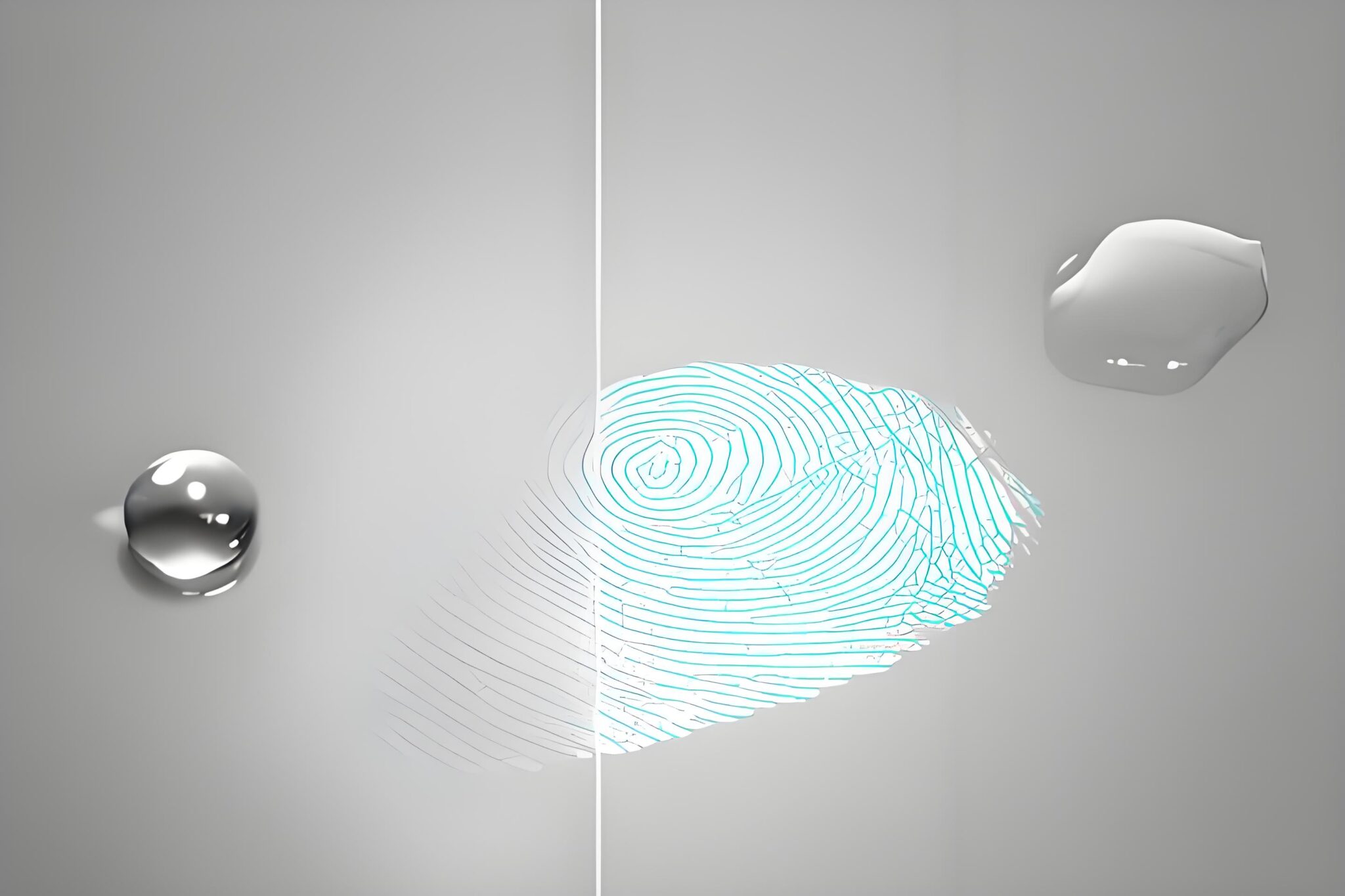
AF Coating for Cover Glass
AF, or Anti-Fingerprint, coating is designed to improve the surface's resistance to fingerprints, smudges, and oily contamination.
AF coating is particularly useful for touch-enabled products where the glass surface is frequently handled.
Applications include:
- Touchscreens
- Smartphones and handheld devices
- Industrial control panels
- Automotive touch displays
- Smart home devices
- Consumer electronics
- Medical interfaces
AF treatment can improve the ease of cleaning and help maintain a cleaner-looking glass surface during normal use.
AR vs AG vs AF Coatings
AR, AG, and AF coatings address different surface performance requirements.
| Coating | Main Function | Typical Application |
|---|---|---|
| AR | Reduce surface reflection | Displays and optical applications |
| AG | Reduce distracting glare | Industrial and touchscreen displays |
| AF | Reduce fingerprints and smudges | Touchscreens and handheld devices |
The appropriate coating depends on the product design, viewing environment, surface requirements, and expected user interaction.
In some applications, multiple surface treatments may be combined when the glass and coating systems are compatible.
Custom Coating Solutions for Cover Glass
Coating requirements can be customized according to:
- Glass type
- Glass thickness
- Surface finish
- Optical requirements
- Haze requirements
- Gloss requirements
- Fingerprint resistance
- Viewing environment
- Application requirements
- Product design
Customers can provide technical drawings, samples, specifications, or application information for engineering review.
Coatings for Different Glass Types
AR, AG, and AF solutions can be evaluated for different glass substrates, including:
- Soda-lime glass
- Aluminosilicate glass
- Chemically strengthened glass
- Tempered glass
- Ultra-thin glass
- Optical glass
- Specialty display glass
The coating process depends on the glass material, surface condition, thickness, and required final performance.
Combining AR, AG and AF Treatments
Depending on the application, different surface technologies may be combined to provide multiple functional benefits.
For example, a touchscreen cover glass may require:
- Reduced reflection
- Reduced glare
- Improved fingerprint resistance
- Easy cleaning
- High optical clarity
The actual combination depends on the coating technology, glass substrate, product requirements, and compatibility between processes.
Our engineering team can review the complete specification before production.
Coating Integrated with Cover Glass Manufacturing
AR, AG, and AF coatings can be integrated with other cover glass manufacturing processes.
A typical custom cover glass project may include:
- Glass cutting
- CNC machining
- Hole and slot processing
- Edge polishing
- Chemical strengthening or thermal tempering
- Ultrasonic cleaning
- AR, AG, or AF treatment
- Silk screen printing
- Adhesive lamination
- Optical bonding
- Final inspection
The manufacturing sequence depends on the glass type, coating system, product design, and final application requirements.

Applications
Our coated cover glass solutions can be used in:
- LCD displays
- TFT displays
- Touchscreens
- Industrial displays
- Automotive displays
- Medical devices
- POS terminals
- Smart home products
- Consumer electronics
- Optical instruments
- Electronic control panels
Each coating solution can be selected according to the specific optical and surface performance requirements of the application.
Surface Performance Considerations
When selecting a coating for cover glass, several factors should be considered together.
These may include:
- Optical transmission
- Surface reflection
- Haze
- Gloss
- Fingerprint resistance
- Surface durability
- Chemical resistance
- Cleaning requirements
- Viewing environment
- Glass substrate
For custom projects, these requirements should be confirmed before production to ensure that the coating solution matches the final application.
Frequently Asked Questions
What is the difference between AR, AG, and AF coatings?
AR coatings are designed primarily to reduce reflection. AG treatments are designed to reduce distracting glare. AF coatings are designed to reduce fingerprints, smudges, and oily contamination.
Can AR, AG, and AF treatments be used on cover glass?
Yes. These technologies can be used for different types of display and electronic cover glass depending on the glass substrate and application requirements.
Can AF coating be applied to touchscreen cover glass?
Yes. AF coatings are commonly considered for touchscreens because they can help reduce fingerprints and make the glass surface easier to clean.
Can AG and AF be combined?
Depending on the glass substrate and coating system, AG and AF functions may be combined. Compatibility and required surface performance should be evaluated for each project.
Can AR coating be used for display cover glass?
Yes. AR coating can be considered for display cover glass where reducing surface reflection and improving viewing conditions are important.
Can coated cover glass be chemically strengthened?
Yes, depending on the manufacturing sequence and material compatibility. Strengthening, surface treatment, and other processes should be evaluated together for each project.
Request a Custom Coated Cover Glass Quote
Looking for AR, AG, or AF coated cover glass?
Send us your glass type, thickness, dimensions, coating requirements, application, quantity, and technical specifications.
Our engineering team can review your requirements and provide a suitable custom cover glass coating solution.
Request a Quote for AR, AG & AF Coated Cover Glass