 +86-13925515590
 kleinma@aliyun.com


Thermal Tempering Glass
We provide thermal tempering glass processing for custom cover glass used in electronic displays, touchscreens, industrial control panels, automotive interfaces, household appliances and other applications requiring strengthened glass.
Thermal tempering uses controlled heating followed by rapid cooling to create a stress structure within the glass. The process can improve the mechanical strength and thermal resistance of suitable glass substrates.
For OEM projects, thermal tempered glass can be customized according to customer drawings, including glass dimensions, thickness, shape, edge processing, holes, cutouts, silk screen printing and selected surface treatments.
Our engineering team can review the glass design, material and application requirements to determine whether thermal tempering is suitable for the project.
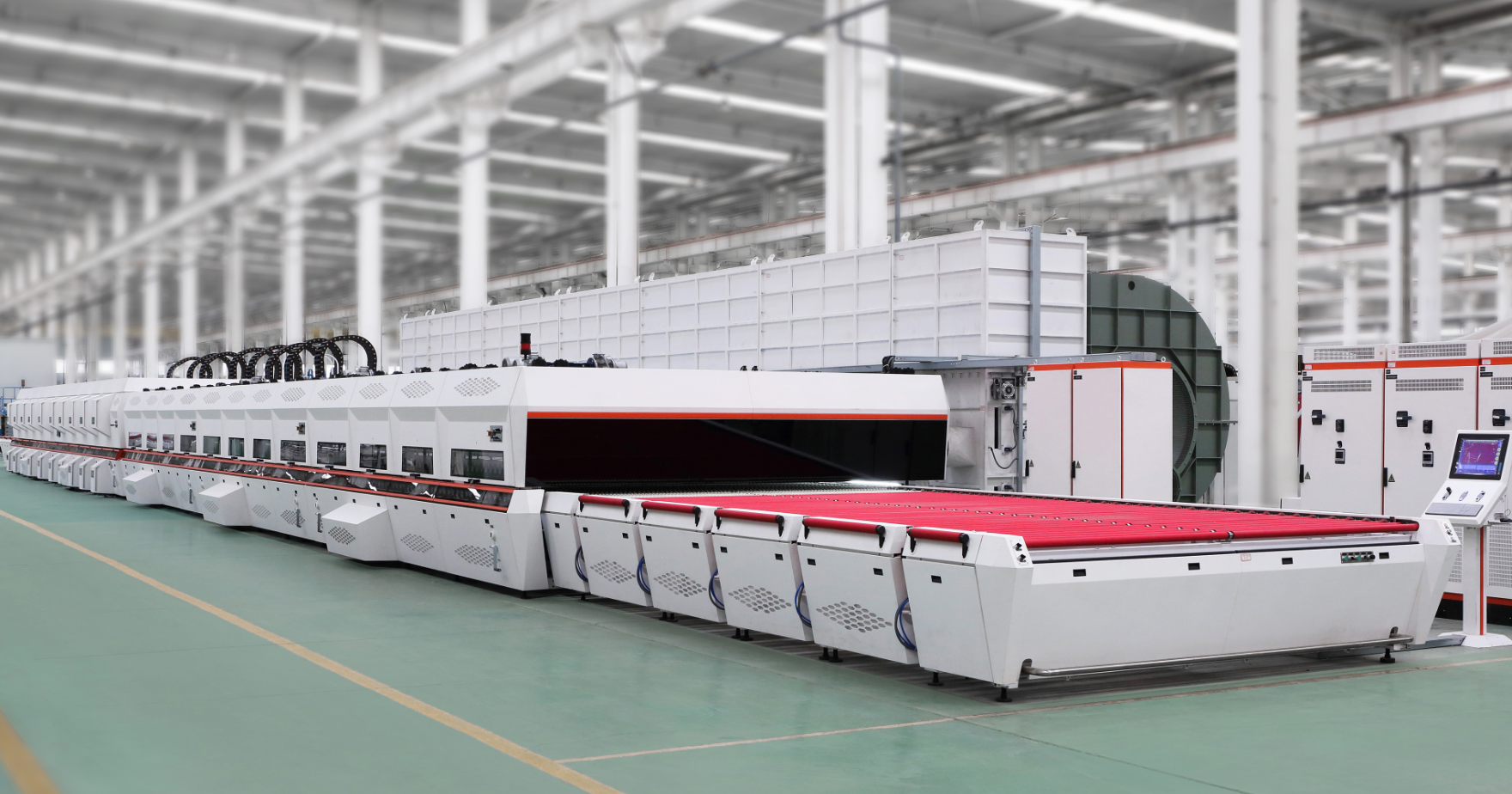
What Is Thermal Tempering Glass?
Thermal tempering is a glass strengthening process that uses controlled heating and rapid cooling to create a stress distribution within the glass.
During the process, the glass is heated to a suitable temperature and then rapidly cooled. This produces compressive stress near the glass surface and tensile stress within the glass body.
The final mechanical characteristics depend on the glass composition, thickness, geometry and tempering conditions. For this reason, the thermal tempering process should be evaluated according to the actual glass specification and application.
Thermally tempered glass is commonly used where strengthened glass is required for displays, control panels, protective windows and other electronic or industrial applications.
Thermal Tempering Process
Our thermal tempering process can be integrated with other glass fabrication operations according to the product design.
1. Glass Cutting
The glass substrate is cut according to the required dimensions and production drawing.
2. Edge Processing
Edges can be processed according to the product design. Edge treatment may be required before thermal tempering depending on the glass structure and application.
3. CNC Machining
Holes, slots, cutouts and other custom features can be processed according to the approved drawing and required manufacturing sequence.
4. Glass Heating
The glass is heated under controlled conditions before the rapid cooling stage. Processing parameters depend on the glass material, thickness and product design.
5. Rapid Cooling
The heated glass is rapidly cooled to create the required stress distribution within the glass.
6. Printing and Surface Treatment
Depending on the product structure, silk screen printing and surface treatments such as AR, AG or AF can be incorporated into the manufacturing process.
7. Cleaning and Inspection
Finished glass can undergo cleaning and quality inspection according to the agreed product specifications before shipment.
Thermal Tempering for Custom Cover Glass
Thermal tempering can be integrated into the manufacturing of custom cover glass for electronic and industrial applications.
Depending on the project requirements, we can evaluate customized glass designs including:
Custom glass dimensions
Different glass thicknesses
Rectangular and shaped glass
Rounded corners
Edge processing
CNC holes and slots
Display windows and cutouts
Silk screen printed borders
Logos and functional markings
AR anti-reflective treatments
AG anti-glare treatments
AF anti-fingerprint treatments
The suitable processing sequence depends on the glass material, product geometry and required specifications. Engineering review before production helps determine the appropriate manufacturing route.
Glass Materials for Thermal Tempering
The suitability of thermal tempering depends on the glass composition, thickness, dimensions and required processing conditions.
Depending on the application, suitable glass substrates may include soda-lime glass and other glass types designed for thermal strengthening processes.
For electronic cover glass projects, customers can specify:
Glass material
Glass thickness
Overall dimensions
Shape and edge requirements
Optical requirements
Surface treatment
Printing requirements
Application environment
If the customer has a specified glass material, drawing or technical datasheet, our engineering team can review the requirements before quotation.
Thermal Tempering vs Chemical Strengthening
|
Heading #1 |
Heading #2 |
Heading #3 |
|---|---|---|
|
Basic principle |
Heating and rapid cooling |
Ion Exchange |
|
Typical Application |
Strengthened glass applications |
Thin and precision cover glass applications |
|
Process |
Thermal treatment |
|
|
Shape Considerations |
Depends on glass geometry and tempering equipment |
Can be suitable for complex and thin glass designs |
|
Thickness Suitability |
Depends on glass type and process |
Often considered for thinner glass |
|
Optical Considerations |
Depends on glass and process |
Can be suitable where optical quality is important |
|
Selection |
Based on material, thickness and application |
Based on material, thickness and required performance |
Which Glass Strengthening Method Should You Choose?
Thermal tempering and chemical strengthening use different methods to strengthen glass.
Thermal tempering relies on controlled heating and rapid cooling, while chemical strengthening uses ion exchange to create a compressive stress layer near the glass surface.
The appropriate method depends on the glass composition, thickness, geometry, required mechanical performance, optical requirements and application environment.
For thin or highly customized cover glass, chemical strengthening may be considered during engineering evaluation. For applications suitable for thermal treatment, thermal tempering can be evaluated as an alternative strengthening method.
Customers can provide their drawing and technical requirements so that the appropriate strengthening process can be reviewed before production.

Thermal Tempered Glass Applications
Thermal tempered glass can be used for a variety of electronic and industrial applications, including:
Electronic Displays
Protective glass for electronic displays, monitors and display assemblies.
Touchscreens
Tempered cover glass for touchscreen interfaces and interactive electronic devices.
Industrial HMI Panels
Glass panels for industrial control interfaces, HMI systems and equipment displays.
Automotive Displays
Custom glass for automotive control panels, infotainment interfaces and other vehicle display applications.
Household Appliances
Cover glass for appliance control panels, smart appliances and electronic interfaces.
Control Panels
Tempered glass for industrial equipment, POS terminals, instrumentation and electronic control systems.
Thermal Tempering and CNC Machining
Custom tempered cover glass may require precision machining before or during the overall manufacturing sequence.
Depending on the product design, CNC processing can include:
Holes
Slots
Notches
Cutouts
Rounded corners
Custom edges
Display windows
The machining sequence needs to be determined according to the glass design and tempering requirements. Customers can provide a 2D drawing or 3D design for engineering review.
For complex cover glass, CNC machining, edge processing and thermal tempering should be considered together during the initial design review.
Thermal Tempering and Silk Screen Printing
Thermal tempered cover glass can be combined with custom silk screen printing for electronic and industrial applications.
Printing can be used for:
Black borders
Logos
Icons
Functional markings
Light-blocking areas
Decorative patterns
Customers can provide artwork files together with the glass drawing. Printing position, artwork dimensions and required colors can be reviewed during the engineering process.
The production sequence is determined according to the selected glass, printing requirements and tempering process.
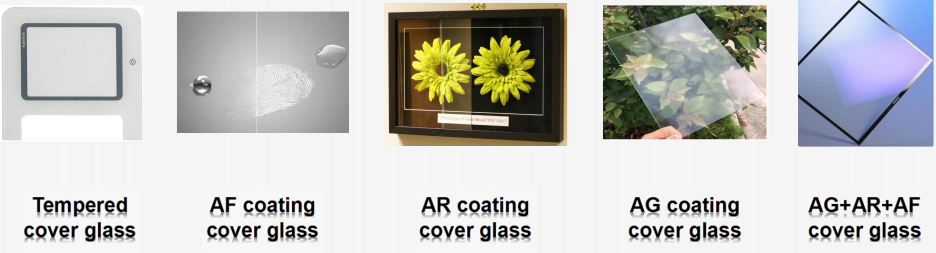
Thermal Tempering with AR, AG and AF Treatments
Depending on the application, thermal tempered cover glass can also be evaluated together with optical and surface treatments.
AR Coating
Anti-reflective treatment can be considered for applications where surface reflection needs to be controlled.
AG Coating
Anti-glare treatment can be considered for displays used in environments where reflected light may affect screen readability.
AF Coating
Anti-fingerprint treatment can be considered for touchscreens and frequently handled electronic interfaces.
The compatibility and processing sequence of strengthening and surface treatments should be evaluated according to the selected glass and coating system.
Learn more about our AR/AG/AF Coatings solutions and individual coating options.
Thermal Tempered Glass Quality Inspection
Quality inspection is performed according to the agreed product drawings, specifications and inspection requirements.
Depending on the project, inspection may include:
Glass dimensions and thickness
Edge condition
Hole and cutout dimensions
Surface appearance
Printing position and appearance
Surface cleanliness
Optical requirements
Strengthening-related specifications
Coating requirements
For OEM projects, inspection criteria can be established before mass production based on customer drawings, technical specifications and approved samples.
This helps maintain consistent product quality throughout prototype and production orders.
For more information, see our Quality Inspection capability.
Request a Quote for Thermal Tempered Cover Glass
Planning a display or touchscreen project that requires thermally tempered glass?
Send us your drawing and technical requirements. Our engineering team can review the glass design and evaluate the suitable thermal tempering process together with machining, printing and surface treatment requirements.
Please provide:
Glass material or preferred substrate
Glass thickness
Overall dimensions
Glass shape
Edge requirements
CNC holes, slots or cutouts
Thermal tempering requirements
Silk screen artwork, if required
AR, AG or AF requirements
Prototype quantity
Estimated production volume
Intended application
If you are not sure whether thermal tempering or chemical strengthening is more suitable, include your glass thickness, design drawing and application requirements. We can review the available strengthening options before quotation.
FAQ
What is thermal tempering glass?
Thermal tempering glass is glass that has been strengthened through controlled heating followed by rapid cooling. The process creates a stress distribution that can improve the mechanical characteristics of suitable glass.
What is the difference between thermal tempering and chemical strengthening?
Thermal tempering uses heating and rapid cooling, while chemical strengthening uses an ion-exchange process. The appropriate method depends on the glass material, thickness, geometry and required performance.
Can you manufacture custom thermal tempered cover glass?
Yes. Custom thermal tempered cover glass can be manufactured according to customer drawings, including dimensions, thickness, shape, edge processing, holes, cutouts and other specified features.
Can thermal tempered glass have silk screen printing?
Yes. Silk screen printing can be evaluated for thermal tempered glass according to the glass material, artwork and required production sequence.
Can thermal tempered glass have AR, AG or AF treatment?
Yes. AR, AG and AF treatments can be evaluated according to the selected glass, coating system and application requirements.
Can you provide thermal tempered glass based on a drawing?
Yes. Customers can provide 2D drawings, 3D files or technical specifications. Our engineering team can review the design, material, dimensions, machining features and strengthening requirements before quotation.