 +86-13925515590
 kleinma@aliyun.com

Have questions about custom cover glass, display cover lenses, materials, processing, or OEM manufacturing? Find answers to common questions about our custom glass solutions, including glass materials, thickness, CNC machining, chemical strengthening, thermal tempering, silk screen printing, AR/AG/AF coatings, OCA lamination, quality inspection, samples, and production requirements.
Our cover glass FAQ answers common questions from OEM buyers about custom cover glass for electronic displays, industrial equipment, and household appliances. Learn about glass materials, thickness options, CNC machining, surface treatments, printing, quality inspection, packaging, and RFQ requirements before starting your project.
Cover Glass FAQ: Common Questions from OEM Buyers
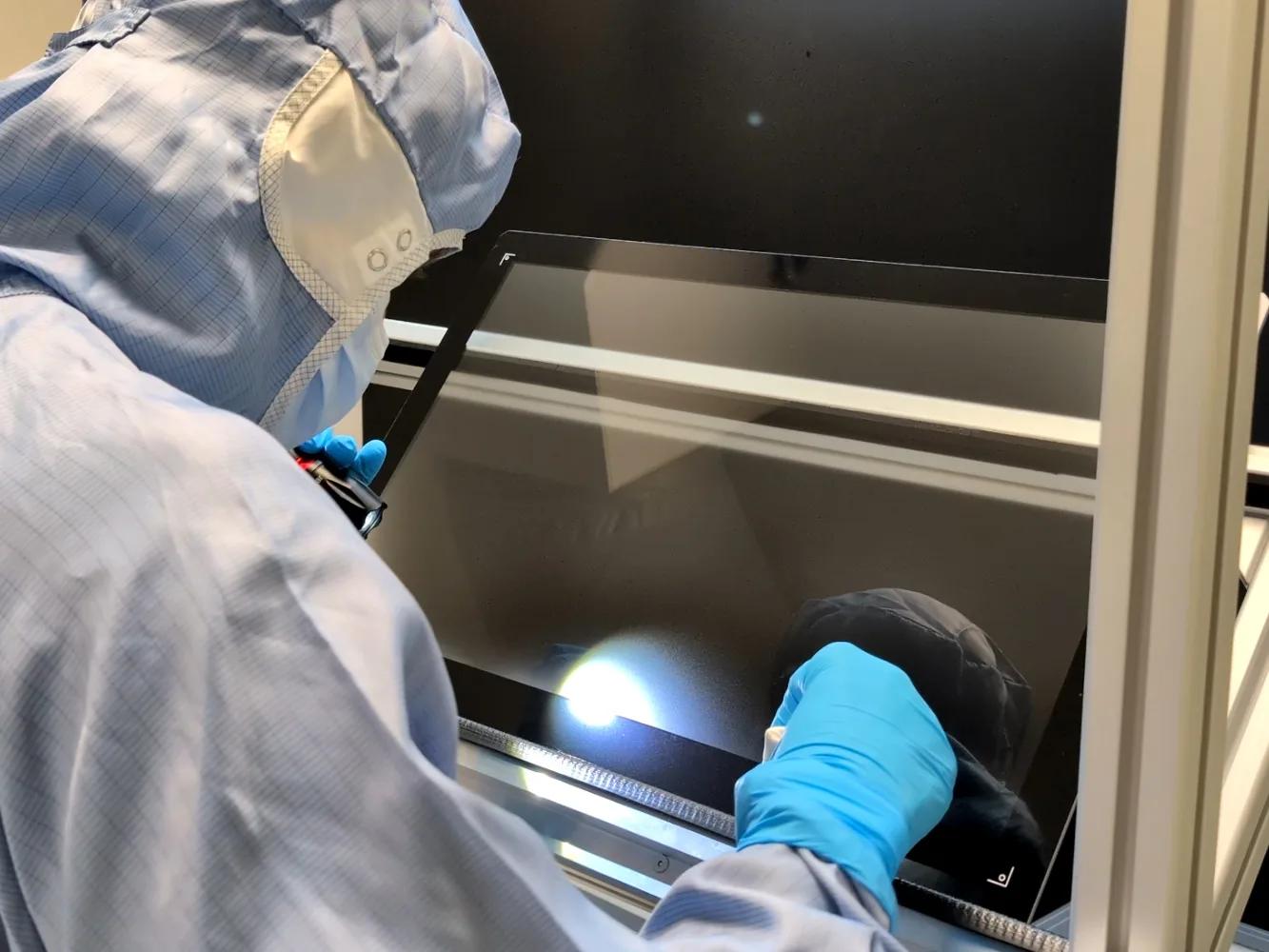
Custom cover glass is glass manufactured and processed according to the specific requirements of an electronic or industrial product. Unlike standard glass products, custom cover glass can be specified by dimensions, thickness, shape, material, edge processing, holes, cutouts, printing, coatings, strengthening, and other requirements.
Custom cover glass is commonly used for displays, touchscreens, industrial control panels, automotive displays, cameras, household appliances, and other electronic applications.
Yes. Custom cover glass can be manufactured according to customer drawings, technical specifications, samples, or other project requirements.
Drawings can include dimensions, thickness, tolerances, holes, cutouts, corner radii, printing areas, coating requirements, and other specifications.
For a new project, providing a technical drawing or sample helps us understand the required glass configuration and processing requirements.
To evaluate a custom cover glass project, customers can provide as much of the following information as available:
- Glass material
- Glass thickness
- Overall dimensions
- Quantity
- Product drawings
- Holes and cutouts
- Edge requirements
- Surface treatment
- Printing requirements
- Strengthening requirements
- AR, AG, or AF coating requirements
- OCA lamination or bonding requirements
If some specifications are not yet confirmed, you can still send us the available project information for an initial evaluation.
Request a Custom Cover Glass Quote.
Yes. Our custom cover glass solutions are intended for OEM and B2B applications where glass specifications need to match a customer's product design and assembly requirements.
Customization can include material selection, thickness, dimensions, shape, CNC machining, strengthening, printing, surface coatings, cleaning, and bonding or lamination.
Prototype and sample requirements can be discussed for new custom cover glass projects. Samples can be used to verify dimensions, appearance, processing, printing, coatings, strengthening, and other project requirements before production.
Sample requirements depend on the product design, processing complexity, quantity, and customer specifications.
Glass Materials
The appropriate glass material depends on the application, thickness, strength requirements, optical requirements, processing requirements, and target cost.
Common options for custom cover glass include:
- Aluminosilicate glass
- Soda lime glass
- Gorilla Glass
Different materials can be considered for different display, touchscreen, electronic, industrial, and consumer applications.
Explore our Glass Materials.
Aluminosilicate glass is a glass material commonly considered for applications requiring thin glass and enhanced mechanical performance. It can be used for display cover glass, touchscreen glass, electronic cover lenses, and other applications where glass thickness and strength are important.
Learn more about Aluminosilicate Glass.
Aluminosilicate glass and soda lime glass have different compositions and performance characteristics. Aluminosilicate glass is commonly selected when higher mechanical performance and thin-glass requirements are important, while soda lime glass can be considered for applications where optical clarity, standard performance, and cost efficiency are priorities.
The appropriate material depends on the specific application, thickness, processing requirements, and performance targets.
Gorilla Glass can be considered for cover glass applications where enhanced resistance to scratches and mechanical damage is required.
Its suitability depends on the application, required thickness, dimensions, processing requirements, and target performance.
Learn more about Gorilla Glass.
Glass Thickness & Strengthening
Custom cover glass can be produced in different thicknesses depending on the selected glass material, product dimensions, shape, strengthening method, processing requirements, and application.
The appropriate thickness should be determined according to the mechanical, optical, structural, and assembly requirements of the final product.
For a specific thickness requirement, customers can provide the drawing or application details for evaluation.
Chemical strengthening and thermal tempering are two different methods used to improve the mechanical performance of glass.
Chemical strengthening modifies the glass surface through an ion-exchange process and is commonly considered for thinner glass. Thermal tempering uses controlled heating and rapid cooling to create a strengthened glass structure.
The appropriate method depends on the glass material, thickness, dimensions, geometry, and application requirements.
Read our guide: Chemical Strengthened vs. Tempered Glass.
Thin cover glass can be considered for chemical strengthening depending on the selected glass material, thickness, dimensions, and required performance.
Chemical strengthening is commonly considered for applications where thin glass and enhanced mechanical performance are important.
Project specifications should be reviewed before selecting the strengthening process.
Thermal tempering can be used for suitable glass types and thicknesses. The feasibility depends on the material, thickness, dimensions, shape, holes, cutouts, and required performance.
For customized products, the strengthening process should be selected together with the glass material and product geometry.
Chemically strengthened glass is treated through an ion-exchange process, which creates a compressive stress layer at the glass surface. Thermal tempering uses controlled heating and rapid cooling to develop a different stress profile within the glass.
The appropriate process depends on glass type, thickness, dimensions, shape, application, and required mechanical performance. Not every glass specification is suitable for both processes, so the manufacturing requirements should be reviewed before confirming the design.
Yes. Custom cover glass thickness should be evaluated together with the panel dimensions, material, edge geometry, strengthening process, and assembly requirements. Please provide your drawing or target specifications so the feasibility can be reviewed.
Glass Processing & Machining
Yes. CNC machining can be used to create customized holes, notches, openings, curved edges, and other geometries in cover glass.
CNC machining requirements depend on the glass material, thickness, dimensions, geometry, and dimensional tolerances.
Customers can provide technical drawings or dimensions for evaluation.
Learn more about CNC Machining for Cover Glass.
Yes. Custom holes, notches, openings, and other cutouts can be incorporated into cover glass designs depending on the material, thickness, geometry, and processing requirements.
Hole size, position, tolerances, corner geometry, and edge requirements should be specified in the technical drawing where possible.
Yes. Silk screen printing can be used for black borders, logos, icons, markings, and other customized graphic elements on cover glass.
Printing requirements can include artwork, color, dimensions, position, coverage, and alignment.
Learn more about Silk Screen Printing for Cover Glass.
Yes. Custom cover glass can be specified with different surface treatments depending on the application.
AR (Anti-Reflective) coatings can be used to reduce surface reflection.
AG (Anti-Glare) treatments can help reduce glare from ambient light.
AF (Anti-Fingerprint) coatings can help improve resistance to fingerprints and smudges.
The appropriate treatment depends on the display, optical environment, surface requirements, and product application.
Explore AR, AG & AF Coatings.
OCA lamination and adhesive bonding can be considered for suitable display and electronic glass assemblies.
Requirements depend on the glass design, display structure, adhesive specification, dimensions, and assembly process.
Customers can provide the relevant assembly requirements for project evaluation.
Learn more about OCA Lamination & Adhesive Bonding.
Custom cover glass can be specified with features such as silk-screen printing, AR (anti-reflective), AG (anti-glare), AF (anti-fingerprint) surface treatments, mounting holes, and cutouts, subject to the selected glass material and manufacturing requirements.
When requesting a quotation, please identify the required hole positions, dimensions, printing areas, coating requirements, and tolerances on the technical drawing whenever possible. This helps reduce ambiguity during design review and manufacturing.
Applications for Custom Cover Glass

Custom cover glass can be used in a wide range of electronic and industrial applications, including:
- Consumer electronics
- Displays and touchscreens
- Industrial control panels
- HMI systems
- Automotive displays
- Camera and imaging devices
- Household appliances
- Other electronic equipment
Glass specifications can be customized according to the requirements of the final application.
Explore our Cover Glass Applications.
Custom cover glass can be used for industrial control panels, HMI displays, machine interfaces, and other industrial electronic equipment.
Depending on the application, requirements may include specific dimensions, thickness, holes, cutouts, printing, chemical strengthening, coatings, and other processing.
Explore Industrial Control Panel Glass.
Custom display glass can be considered for automotive displays and other in-vehicle electronic interfaces.
Project requirements may include customized dimensions, shapes, thickness, printing, surface treatments, strengthening, and optical specifications.
Automotive projects should be evaluated according to the specific product design and application requirements.
Quality & Inspection
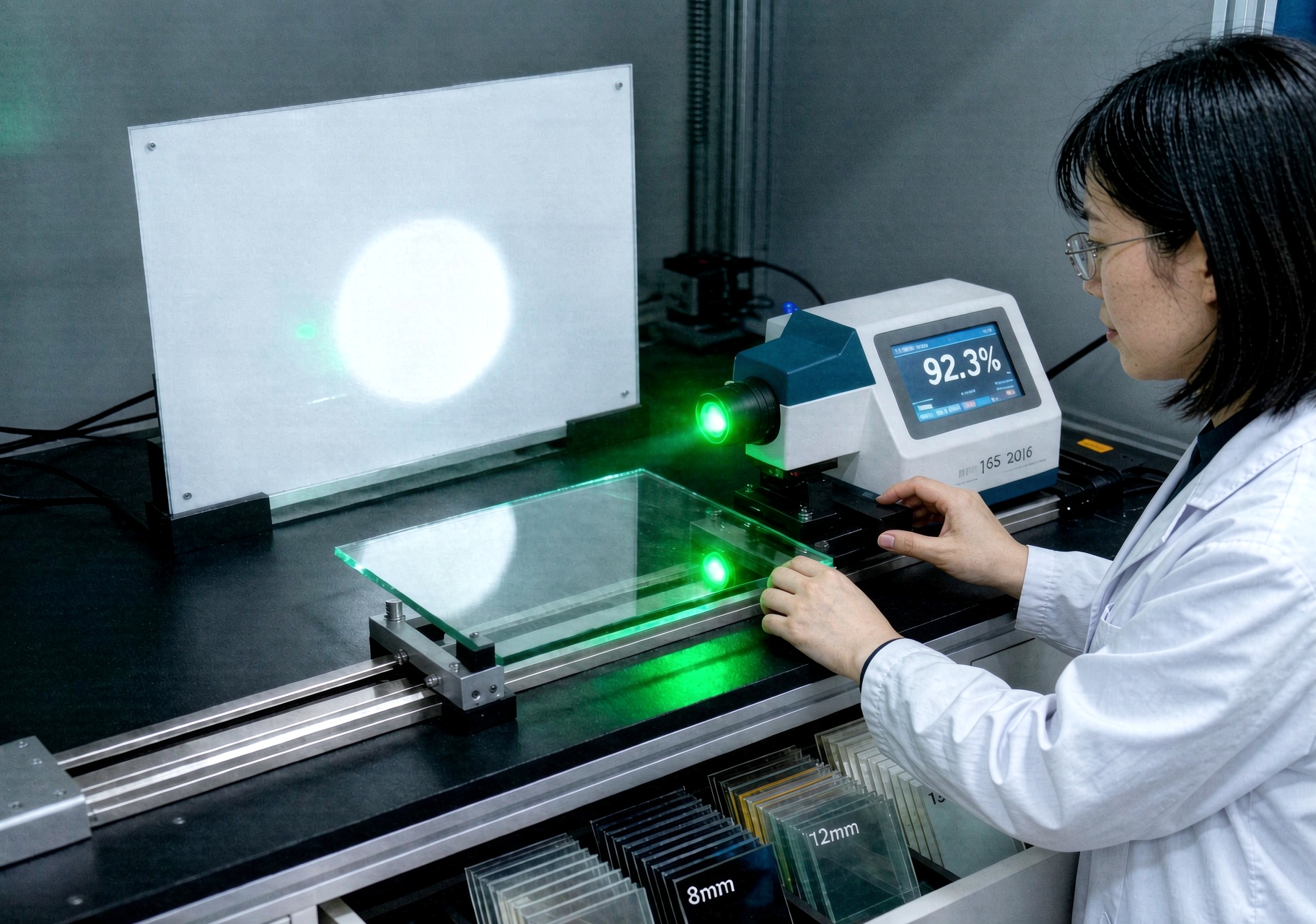
Quality inspection can cover different characteristics of custom cover glass depending on the product specifications.
Inspection areas can include:
- Dimensions
- Thickness
- Surface quality
- Edge quality
- Holes and cutouts
- Printing
- Coating appearance
- Optical appearance
- Cleanliness
Inspection requirements can be defined according to customer drawings, specifications, samples, and agreed quality criteria.
For general information about international standards and quality management, refer to the International Organization for Standardization (ISO).
Learn more about Quality & Inspection.
Yes. Different products can require different inspection criteria. Customers can provide drawings, specifications, samples, dimensional tolerances, surface requirements, printing requirements, coating requirements, and other quality standards for review.
Inspection criteria can then be discussed according to the requirements of the specific project.
OEM, Samples & Orders
MOQ requirements can vary depending on the glass material, product dimensions, processing requirements, tooling, printing, coatings, and production quantity.
Please contact us with your product specifications and expected quantity so the project requirements can be evaluated.
To request a quote, send us your product drawing, dimensions, glass thickness, material preference, estimated quantity, and any requirements for CNC machining, strengthening, printing, coatings, cleaning, or lamination.
If you do not have a complete drawing yet, you can send the available project information and application details for an initial evaluation.
Sample availability depends on the product design, material, processing requirements, and project stage. If you have an existing glass sample or technical drawing, please share it for review. Sample requirements, lead time, and any applicable tooling costs can then be discussed.
For an accurate quotation, please provide as much of the following information as available:
Glass dimensions and thickness
Glass material or preferred material
Technical drawing with tolerances
Hole positions, cutouts, and edge requirements
Silk-screen printing and coating requirements
Chemical strengthening or thermal tempering requirements
Estimated order quantity and annual demand
Intended application and assembly method
If some details are not finalized, you can still send the available specifications for an initial review.
Have a Custom Cover Glass Project?
Whether you are developing a new electronic product, replacing an existing glass component, or looking for an OEM cover glass supplier, you can send us your requirements for evaluation.
Provide your drawing, sample, dimensions, material requirements, quantity, or application information, and we can review the project requirements for customized cover glass manufacturing.