 +86-13925515590
 kleinma@aliyun.com

How to Choose the Right Cover Glass Thickness for Electronic Displays?

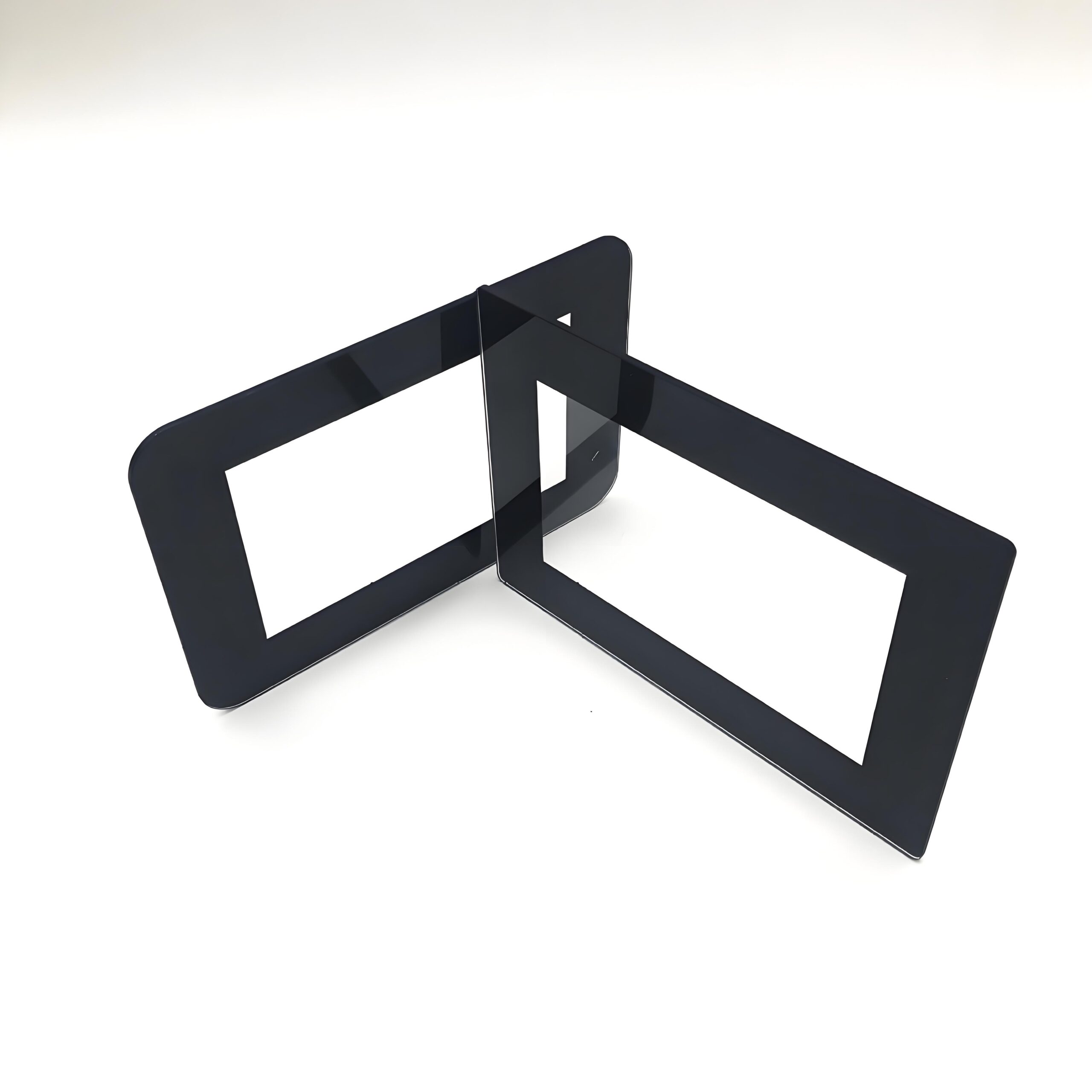
Choosing the correct cover glass thickness is an important decision when designing electronic displays, touch panels, industrial equipment, and consumer devices.
The thickness of display cover glass directly affects durability, weight, optical performance, touch sensitivity, and manufacturing cost.
For OEM projects, selecting the right glass thickness requires consideration of the application environment, impact resistance requirements, display size, and processing requirements.
This guide explains common electronic display glass thickness options and how to choose the right solution for your project.
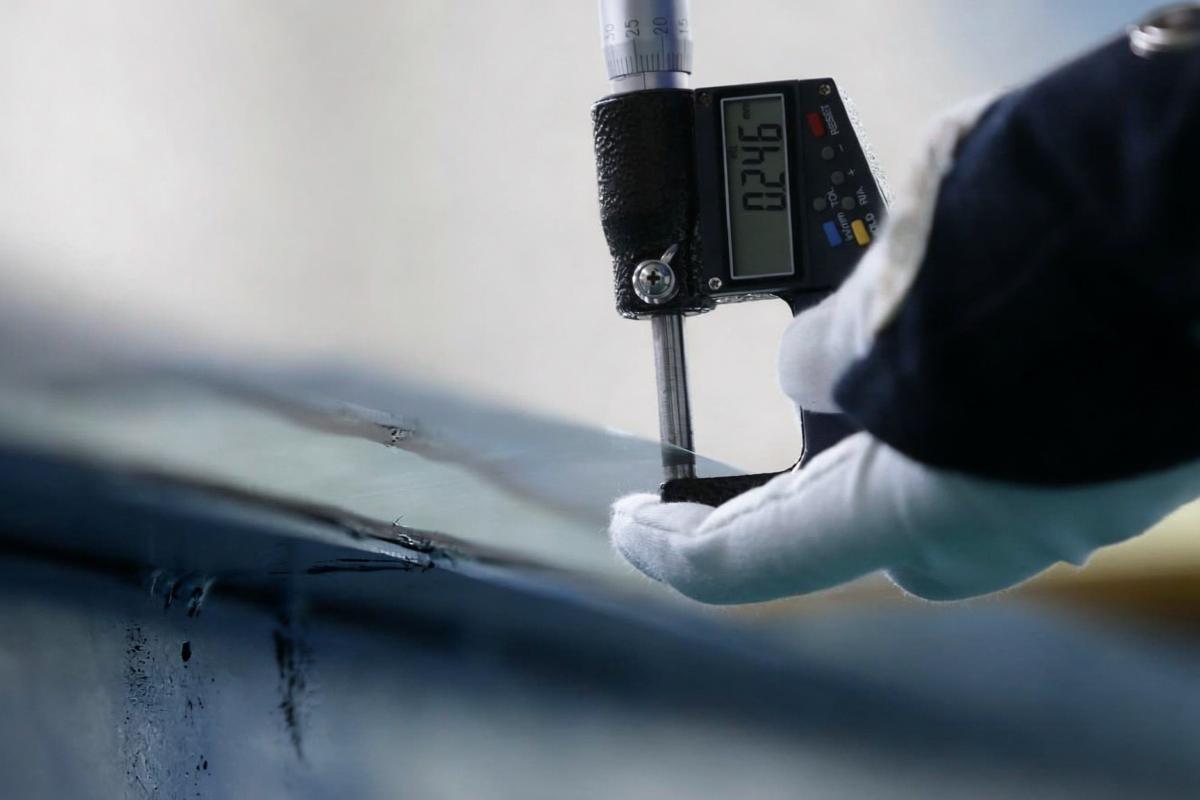
Why Does Cover Glass Thickness Matter?
Cover glass is more than a protective layer. It is a functional component that affects the overall performance of an electronic device.
The right glass thickness can improve:
- Impact resistance
- Structural durability
- Surface protection
- Touch performance
- Optical clarity
- Product reliability
However, thicker glass is not always better.
A thinner glass solution may be preferred for lightweight devices, while thicker glass may be required for industrial or outdoor applications.
Common Cover Glass Thickness Options
Different applications require different glass thicknesses.
0.3mm – 0.7mm Thin Cover Glass
Ultra-thin glass is commonly used where lightweight design and high optical performance are important.
Typical applications:
- Wearable devices
- Portable electronics
- Touch sensors
- Compact displays
Advantages:
- Lightweight
- Excellent transparency
- Good touch sensitivity
- Suitable for slim product designs
For thin glass applications, chemical strengthening is often used to improve mechanical performance.
0.8mm – 1.1mm Cover Glass
This thickness range is one of the most common choices for electronic display applications.
Typical applications:
- Industrial control panels
- HMI displays
- Touchscreen devices
- Commercial displays
Advantages:
- Good balance between strength and weight
- Suitable for CNC machining
- Compatible with printing and coatings
- Reliable for long-term use
Many industrial display projects use around 1mm cover glass because it provides a good combination of durability and design flexibility.
1.5mm Cover Glass
1.5mm cover glass is widely used for applications requiring increased protection.
Typical applications:
- Outdoor displays
- Automotive displays
- Industrial equipment
- Rugged touch panels
Advantages:
- Higher impact resistance
- Better edge protection
- Suitable for demanding environments
For harsh environments, 1.5mm glass can be combined with:
- Chemical strengthening
- Anti-glare coating
- Anti-reflective coating
- Anti-fingerprint coating
2mm – 3mm Thick Cover Glass
Thicker glass is generally selected for applications requiring maximum durability.
Typical applications:
- Outdoor terminals
- Industrial machines
- Public information displays
- Heavy-duty control equipment
Advantages:
- Strong mechanical protection
- Better resistance against external impact
- Suitable for large display windows
Cover Glass Thickness Comparison Table
| Glass Thickness | Typical Applications | Main Advantages |
|---|---|---|
| 0.3-0.7mm | Wearables, thin displays | Lightweight and flexible design |
| 0.8-1.1mm | Industrial displays, HMI, touch panels | Balanced strength and weight |
| 1.5mm | Automotive, outdoor, rugged devices | Higher impact resistance |
| 2-3mm | Industrial protection panels | Maximum durability |
How to Choose the Right Cover Glass Thickness?
1. Consider the Application Environment

The working environment is one of the most important factors.
For indoor consumer electronics:
- Thin glass may be sufficient
For outdoor or industrial applications:
- Thicker glass is usually recommended
Consider:
- Temperature changes
- Mechanical impact
- Dust and moisture
- User interaction frequency
2. Consider Display Size
Larger displays usually require stronger glass support.
For example:
Small touchscreen devices may use:
- 0.5mm
- 0.7mm
- 1mm glass
Large industrial displays may require:
- 1.5mm
- 2mm
- 3mm glass
3. Consider Glass Strengthening Method
Thickness selection should always be combined with the right strengthening process.
Common options include:
Chemical Strengthening
Suitable for:
- Thin cover glass
- Touch displays
- High-performance electronic devices
Benefits:
- Higher surface compression
- Better edge strength
- Excellent optical quality
Thermal Tempering
Suitable for:
- Larger and thicker glass panels
- Safety applications
4. Consider Additional Processing Requirements
Many OEM cover glass projects require additional processing.
Your thickness selection should consider:
CNC Machining
For:
- Custom shapes
- Holes
- Cut-outs
- Precision edges
Silk Screen Printing
For:
- Black borders
- Logos
- Decorative patterns
Surface Coatings
Including:
- AG (Anti-Glare)
- AR (Anti-Reflective)
- AF (Anti-Fingerprint)
OCA Lamination
For:
- Touchscreen assemblies
- Display modules
What Thickness of Cover Glass Is Best for Industrial Displays?
For industrial displays, common choices include:
- 0.8mm
- 1.0mm
- 1.5mm
- 2.0mm
The final selection depends on:
- Display size
- Touch function
- Protection requirements
- Operating environment
For outdoor HMI and rugged industrial applications, thicker chemically strengthened glass with AG coating is often preferred.
Custom Cover Glass Thickness Solutions
As a professional custom cover glass manufacturer, WM Cover Glass provides customized solutions for different display applications.
We support:
- Glass thickness from ultra-thin to thick protective glass
- Custom dimensions
- CNC machining
- Chemical strengthening
- Thermal tempering
- Silk screen printing
- AG / AR / AF coatings
- OCA lamination
Our engineering team can help select the right glass thickness based on your product design and application requirements.
FAQ About Cover Glass Thickness
What is the most common thickness for display cover glass?
Common thicknesses include 0.7mm, 1mm, 1.5mm and 2mm depending on the application.
Is thicker cover glass always stronger?
Not necessarily. Strength depends on glass material, strengthening process, design structure and application conditions.
Is 1mm cover glass strong enough for industrial displays?
Yes. With chemical strengthening, 1mm glass can provide excellent durability for many industrial touchscreen applications.
Can you manufacture custom thickness cover glass?
Yes. Custom thickness, dimensions, coatings and processing options can be provided according to customer drawings.
Can thin cover glass include AG, AR and AF coatings?
Yes. Thin cover glass can be combined with surface coatings to improve outdoor readability, reflection control and fingerprint resistance.
Conclusion
Selecting the correct cover glass thickness requires balancing durability, weight, optical performance and application requirements.
For electronic displays, industrial touch panels and custom OEM projects, the right combination of glass thickness, material and strengthening technology can significantly improve product performance.
Need help selecting the right display cover glass thickness for your project? Contact WM Cover Glass for a customized glass solution.