 +86-13925515590
 kleinma@aliyun.com

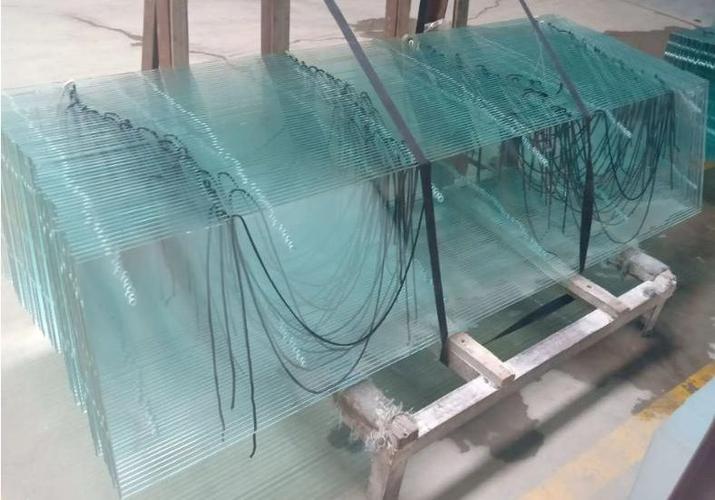
Glass Materials for Custom Cover Glass Solutions
Selecting the right glass material affects the strength, thickness, optical performance and cost of a custom cover glass component. The best choice depends on the display design, operating environment, mechanical requirements and production specifications.
WM Cover Glass supports OEM projects using aluminosilicate glass, soda lime glass, specified Gorilla Glass grades and ultra thin glass where suitable. Material selection can be evaluated together with glass dimensions, edge processing, chemical strengthening, screen printing and surface coatings.
Whether you are developing a touchscreen, an industrial control panel, a household appliance interface or another electronic display, you can provide your drawing and target specifications for a material and manufacturing review.
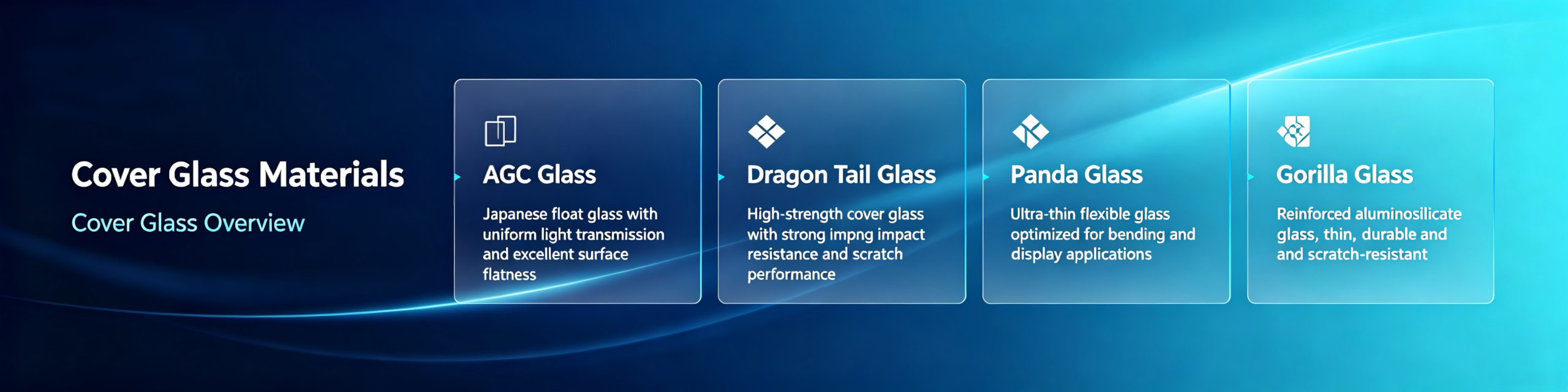
Different Glass Materials for Different Applications
The selection of glass material plays an important role in cover glass performance.
Depending on product requirements, manufacturers choose different glass types based on strength, thickness, optical clarity, environmental resistance, and production cost.
We support customized glass material selection for consumer electronics, automotive displays, industrial equipment, household appliances, and other applications.
Aluminosilicate Glass
Aluminosilicate glass is widely used for high-performance cover glass applications because of its excellent strength, scratch resistance, and chemical durability.
Through chemical strengthening processes, aluminosilicate glass can achieve improved impact resistance while maintaining thin profiles and optical clarity.
Applications:
- Smartphone displays
- Touchscreen devices
- Automotive displays
- Industrial control panels
- Premium electronic products
Advantages:
|
Feature |
Benefit |
|---|---|
|
High strength |
Better impact resistance |
|
Thin thickness |
Suitable for lightweight designs |
|
Excellent clarity |
Premium display performance |
|
Chemical strengthening |
Enhanced durability |
Soda Lime Glass
Cost-Effective Glass Solution for General Cover Applications
Soda lime glass is a commonly used glass material that provides good optical clarity, stable performance, and cost advantages.
It is suitable for applications where balanced performance and production efficiency are important.
Applications:
Household appliances
Industrial displays
Control panels
General electronic devices
Advantages:
|
Feature |
Benefit |
|---|---|
|
Good transparency |
Clear display performance |
|
Cost efficient |
Suitable for large-volume production |
|
Stable supply |
Reliable manufacturing solution |
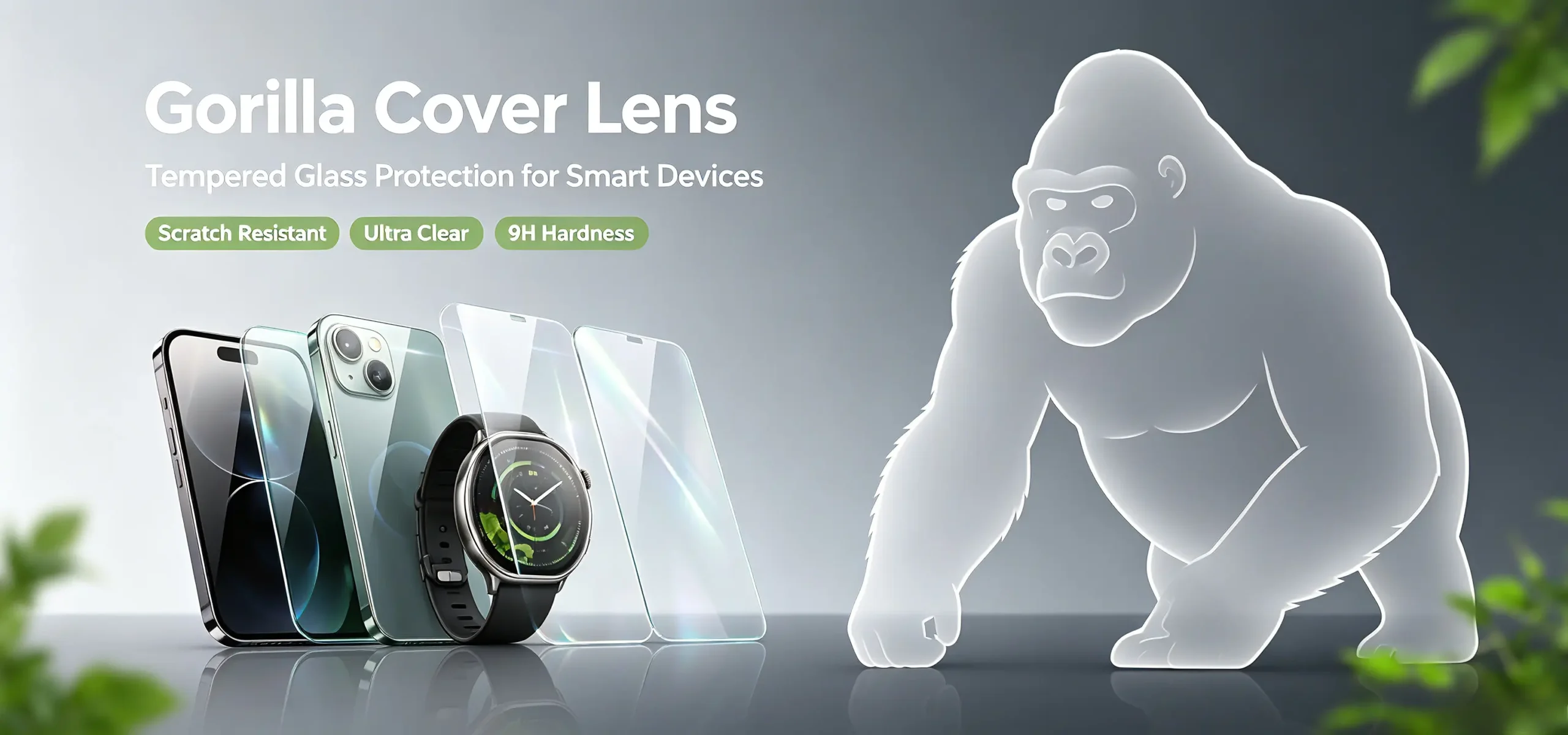
Gorilla Glass
Premium Cover Glass for High-Durability Devices
Gorilla Glass is a chemically strengthened glass widely recognized for its thin design and high durability.
It is commonly used in premium electronic devices requiring strong scratch resistance and reliable surface protection.
Applications:
Mobile devices
Portable electronics
Touch displays
Smart devices
Advantages:
High scratch resistance
Thin and lightweight
Excellent optical performance
Premium product positioning
Ultra Thin Glass (UTG)
Ultra Thin Glass for Flexible and Advanced Displays
Ultra Thin Glass (UTG) provides extremely thin glass solutions for advanced display applications.
With excellent flexibility, transparency, and lightweight characteristics, UTG is suitable for next-generation electronic products.
Applications:
Foldable displays
Flexible electronics
Advanced touchscreen systems
Advantages:
|
Feature |
Benefit |
|---|---|
|
Ultra thin design |
Lightweight products |
|
High transparency |
Excellent display quality |
|
Flexible performance |
Advanced applications |
Cover Glass Material Comparison
|
Glass material |
Main advantages |
Typical considerations |
Potential applications |
|---|---|---|---|
|
Suitable for thin, strengthened cover glass designs |
Grade, thickness and strengthening process affect performance |
Touchscreens, electronic displays, industrial HMIs |
|
|
Optical clarity and cost-effective material options |
Strength and thickness requirements need evaluation |
Appliance panels, control panels, general displays |
|
|
Gorilla Glass |
Branded glass options for demanding electronic applications |
Specific product grade and availability must be confirmed |
Consumer electronics, selected touchscreen products |
|
Ultra Thin Glass |
Reduced thickness and weight |
Handling, processing and structural requirements need careful review |
Selected compact and advanced display designs |
Final material selection depends on the required glass grade, thickness, dimensions, strengthening process, optical specifications and target cost. Please confirm material availability and processing feasibility before placing an order.
Complete Glass Processing Solutions

Complete Glass Processing Solutions
Beyond glass materials, we provide complete processing solutions to transform raw glass into customized cover glass components.
CNC Machining
Precision cutting, drilling, shaping, and edge finishing for custom glass designs.
Chemical Strengthening
Enhancing glass strength and durability for demanding applications.
Silk Screen Printing
Custom decorative printing, logos, and functional patterns.
AR / AG / AF Coatings
Improving display visibility, reducing glare, and preventing fingerprints.
Glass Materials Used Across Industries
FAQ
What glass materials are used for cover glass?
Common cover glass materials include aluminosilicate glass, soda lime glass, Gorilla Glass, and ultra thin glass. The best material depends on application requirements such as strength, thickness, and cost.
Is aluminosilicate glass stronger than soda lime glass?
Can different glass materials be customized?
How do I choose between aluminosilicate glass and soda lime glass?
The choice depends on the required thickness, mechanical performance, optical specifications, application environment and target cost. Aluminosilicate glass may be considered for demanding thin-glass applications, while soda lime glass can be suitable for projects prioritizing cost efficiency and standard optical performance. The final selection should be based on the specific glass grade and product requirements.
What information should I provide when requesting a glass material quotation?
Please provide the application, required glass thickness, dimensions, estimated quantity, mechanical and optical requirements, and any printing, coating or strengthening specifications. A technical drawing or sample is helpful when available. These details allow the material and processing requirements to be evaluated together.
Need a Custom Glass Material Solution?
Tell us your glass requirements, including application, dimensions, thickness, and processing needs. Our team can recommend the most suitable glass material for your project.