+86-13925515590
 kleinma@aliyun.com
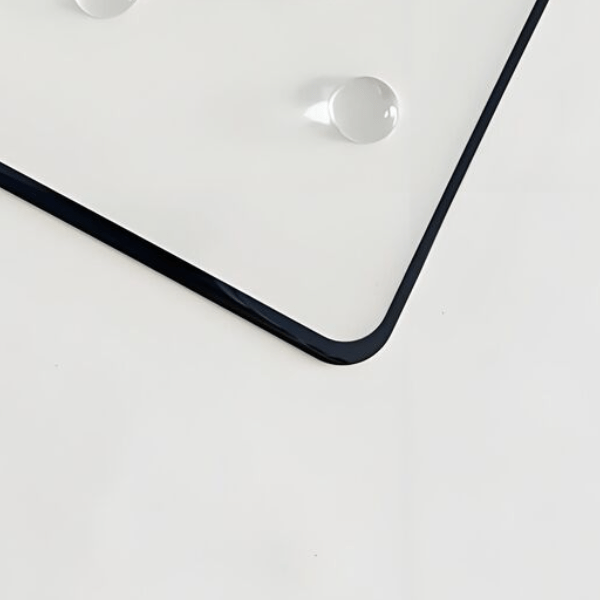
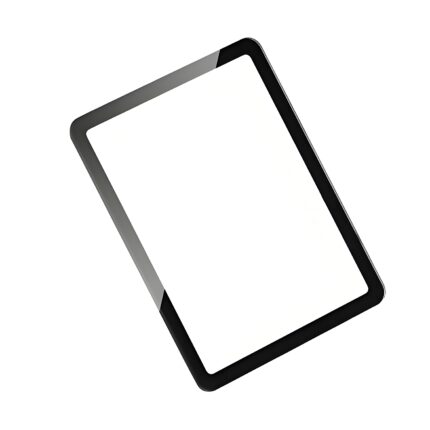
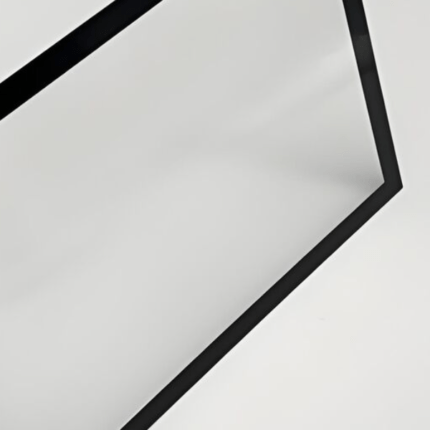
Custom Chemically Strengthened Cover Glass
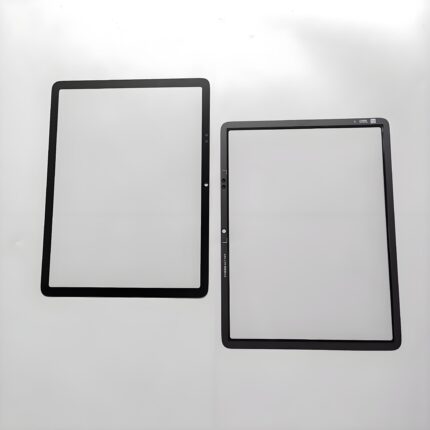
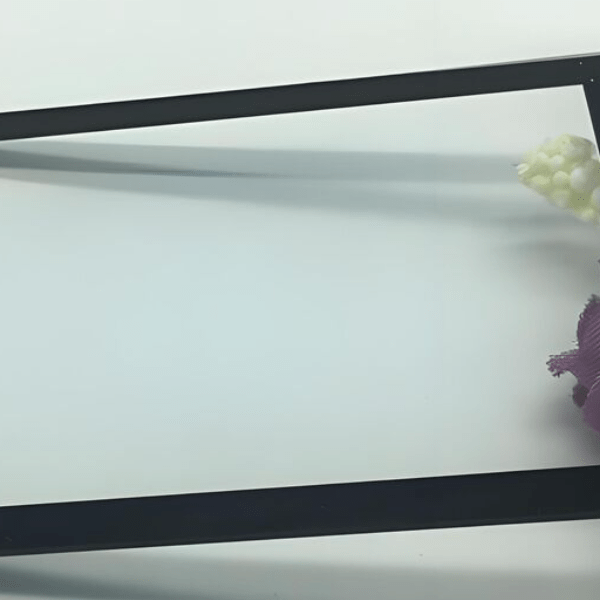
Custom chemically strengthened cover glass for electronic displays, touchscreens, industrial control panels, automotive displays, and other applications requiring a thin glass profile with enhanced surface durability.
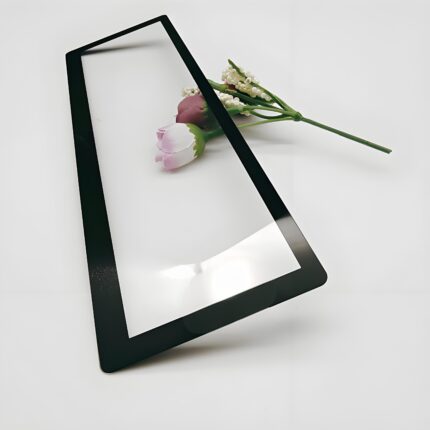
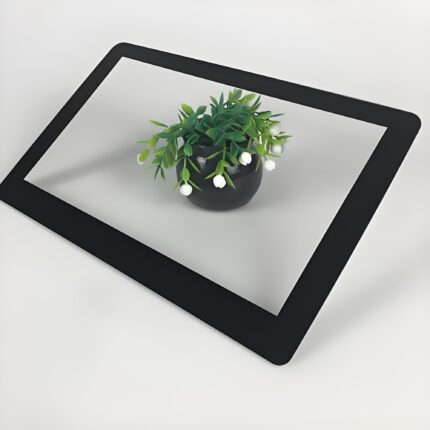
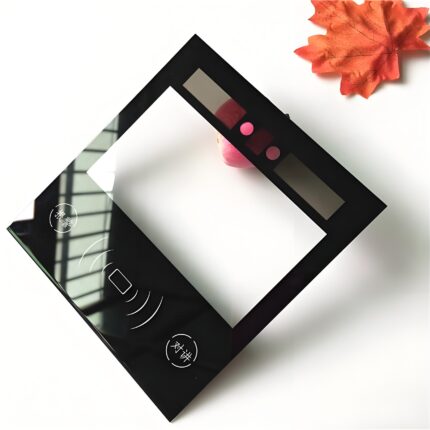
We manufacture chemically strengthened cover glass according to customer drawings and specifications, with custom thicknesses, dimensions, shapes, CNC machining, edge processing, silk screen printing, and AG, AR, or AF surface treatments. Prototype, small-batch, and volume production are available for OEM projects.
Our chemically strengthened cover glass is manufactured for electronic displays, touchscreens, industrial control panels, automotive displays, consumer electronics, and other applications requiring improved surface durability and a thin glass profile.
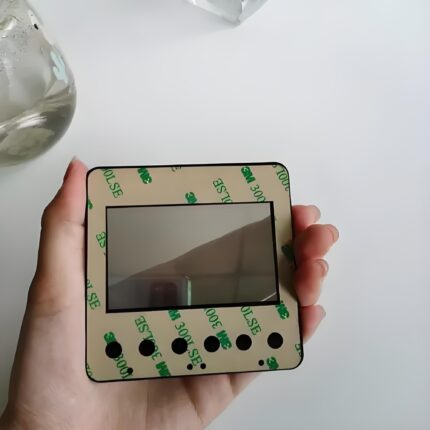
We provide custom chemically strengthened electronic display cover glass in different materials, thicknesses, dimensions, shapes, and configurations. Depending on the project requirements, options include CNC machining, drilling, edge processing, silk screen printing, AG, AR, and AF surface treatments, adhesive bonding, and OCA lamination.
As an OEM cover glass manufacturer, we work from customer drawings, samples, dimensions, and technical specifications. Prototype, small-batch, and volume production are available according to project requirements.
Custom Chemically Strengthened Cover Glass
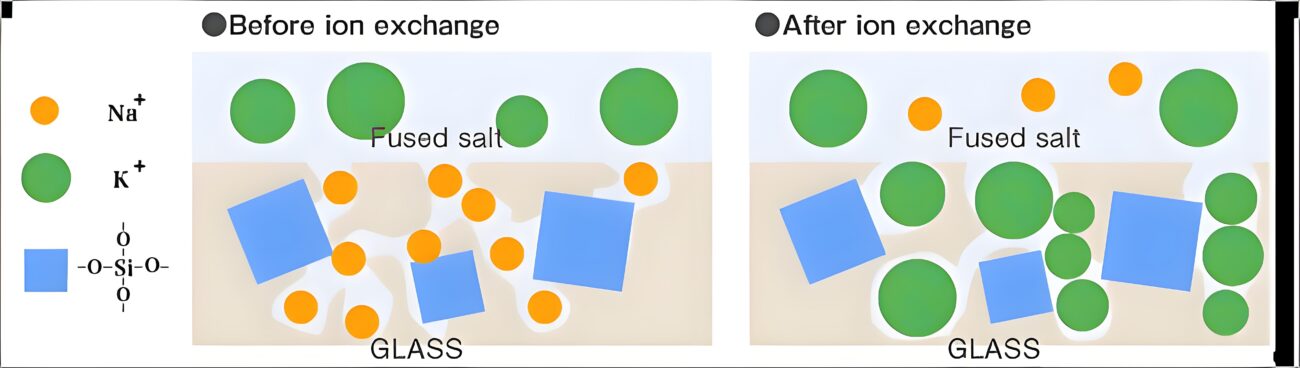
Chemically strengthened cover glass is produced through an ion-exchange process that modifies the glass surface to create a compressive stress layer. This can improve resistance to surface damage while allowing the glass to maintain a relatively thin profile.
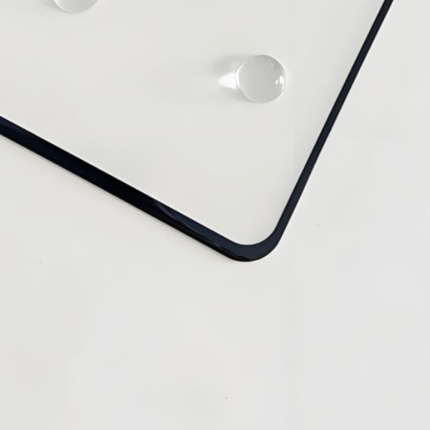
The final glass specification depends on the material, thickness, dimensions, geometry, and required performance of the application. We can manufacture display cover lens according to customer drawings or samples, including custom shapes, corner radii, holes, notches, edge processing, and surface treatments.
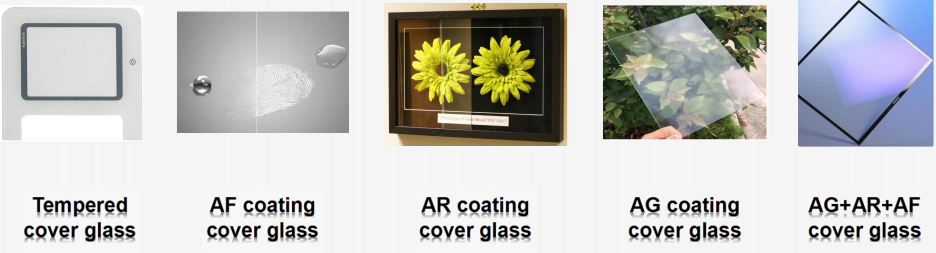
Available processing includes CNC cutting, drilling, edge machining, and silk screen printing. AG, AR, and AF treatments can also be added when required by the display design or operating environment.
For OEM projects, customers can provide drawings, samples, dimensions, or technical specifications. We support prototype development, small-batch production, and volume manufacturing.
What’s chemically strengthened cover glass?
Chemically strengthened cover glass is strengthened through an ion-exchange process. During treatment, smaller ions in the glass surface are exchanged with larger ions in a strengthening medium, creating compressive stress at the surface.
This process is particularly useful for thin cover glass where maintaining a slim profile while improving mechanical durability is important.
The actual strengthening parameters, including surface compression and depth of layer, depend on the glass composition and processing conditions.
Product Specifications
| Specification | Options / Description |
|---|---|
| Product Type | Chemically Strengthened Cover Glass |
| Glass Material | Aluminosilicate Glass, Soda-Lime Glass, Other Suitable Glass |
| Thickness | Custom according to application |
| Size | Custom dimensions |
| Shape | Rectangle, Square, Round, Irregular Shapes |
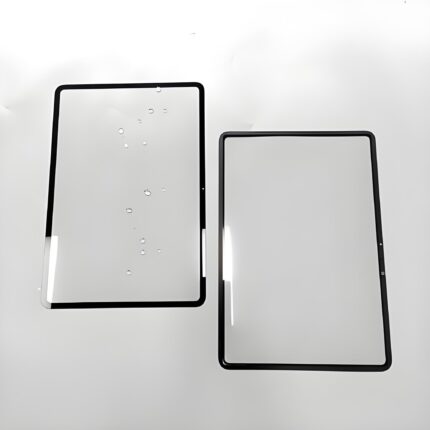
| Appearance / Color | Clear, black border, white border, custom printed areas |
| Strengthening | Chemical Strengthening |
| Edge Processing | Flat Edge, Beveled Edge, Chamfered Edge, Custom Processing |
| Machining | CNC Cutting, Drilling, Holes, Notches, Custom Machining |
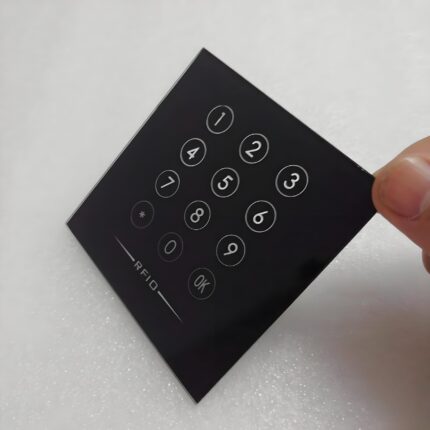
| Printing | Silk Screen Printing, Black Border, White Border, Custom Graphics |
| Surface Treatment | AG, AR, AF |
| Bonding | Adhesive Bonding, OCA Lamination |
| Applications | Touchscreens, Electronic Displays, Industrial Panels, Automotive Displays, Consumer Electronics |
| Customization | OEM / ODM |
| Production | Prototype, Small Batch, Volume Production |
Custom Options
We can customize chemically strengthened screen cover glass according to your drawings, samples, or technical specifications. Custom options include glass thickness, dimensions, shape, corner radius, holes, notches, edge processing, printing, coatings, and other machining requirements.
The suitable glass material and strengthening process can be selected according to the required mechanical performance, optical requirements, product design, and application environment.
Applications of Chemically Strengthened Cover Glass

Chemically strengthened cover glass can be used in applications where thin glass, surface durability, optical performance, and custom processing are important.
Typical applications include:
- Electronic displays and touchscreen interfaces
- Industrial control panels and HMI equipment
- Automotive display systems
- POS terminals and kiosks
- Consumer electronic devices
- Medical and instrumentation displays
- Other custom display assemblies
The required glass material, thickness, strengthening process, machining, printing, and surface treatment can be selected according to the final product design.
Chemical Strengthening Process
Our chemical strengthening process is available as part of our custom cover glass manufacturing capabilities. Learn more about our Chemical Strengthening & Thermal Tempering capabilities to understand the available strengthening options.
Chemical Strengthened vs. Tempered Glass
Choosing between chemical strengthening and thermal tempering depends on the glass material, thickness, dimensions, geometry, and application requirements. Read our guide to Chemical Strengthened vs. Tempered Glass to understand the key differences between these two strengthening methods.
Frequently Asked Questions
1. What is chemically strengthened cover glass?
Chemically strengthened cover glass is glass treated through an ion-exchange process to create a strengthened surface layer. It is commonly used for electronic displays, touchscreens, and other applications where improved mechanical durability and a thin glass profile are required.
2. What glass materials can be chemically strengthened?
Chemically strengthened cover glass is commonly produced using suitable aluminosilicate and other compatible glass compositions. Material selection depends on the required thickness, optical performance, mechanical requirements, and application.
3. What thicknesses are available?
Thickness can be customized according to the product design and application requirements. Please provide your required thickness or technical drawing so we can confirm the suitable glass specification.
4. Can chemically strengthened cover glass be CNC machined?
Yes. CNC cutting, drilling, holes, notches, edge processing, and other precision machining can be provided according to customer drawings and specifications.
5. Can you provide silk screen printing and coatings?
Yes. We can provide silk screen printing as well as AG, AR, and AF surface treatments according to the required appearance and optical performance.
6. Can you provide samples before mass production?
Yes. Prototype samples can be produced before volume production so customers can verify dimensions, appearance, printing, surface treatment, and other technical requirements.
7. What is the MOQ for chemically strengthened cover glass?
MOQ depends on the glass material, thickness, dimensions, processing requirements, printing, coatings, and order quantity. Contact us with your specifications and required quantity so we can confirm the MOQ for your project.
8. What is the production lead time?
Production lead time depends on the glass material, specifications, customization requirements, order quantity, and production process. We can provide an estimated schedule after reviewing your drawings or technical specifications.
9. Can you manufacture according to our drawings or samples?
Yes. We support OEM and custom projects based on customer drawings, samples, dimensions, and technical specifications. Our team can review the requirements before production.
Need Custom Chemically Strengthened Cover Glass?
Send us your glass material, thickness, dimensions, drawings, quantity, and required processing. Our team can review your specifications and provide a suitable glass solution and quotation for your project.