+86-13925515590
 kleinma@aliyun.com

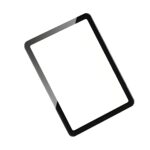
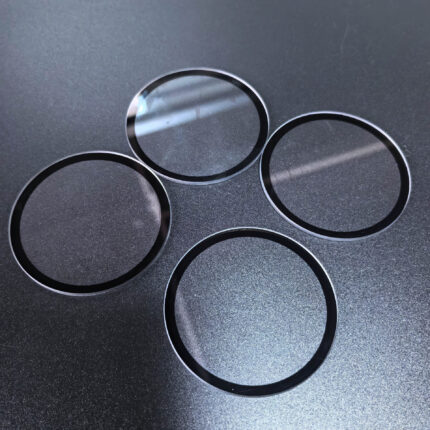
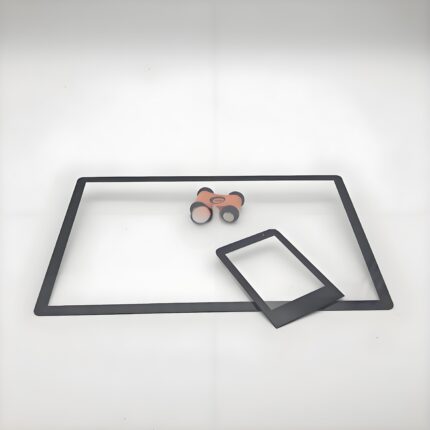
Custom Screen Cover Glass for Touchscreens & Displays
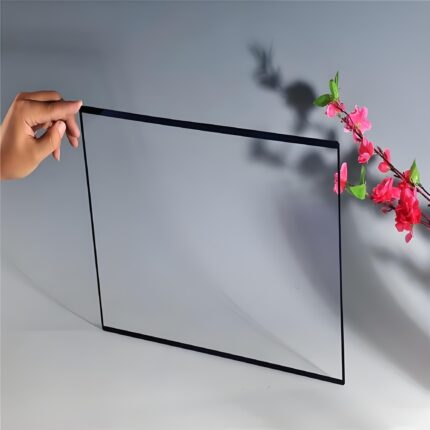
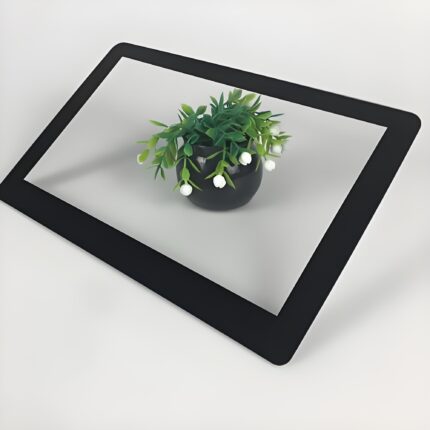
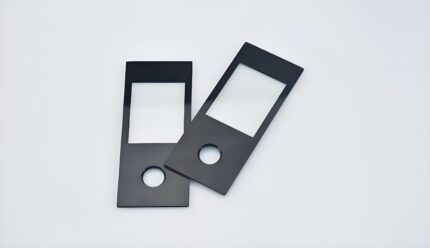
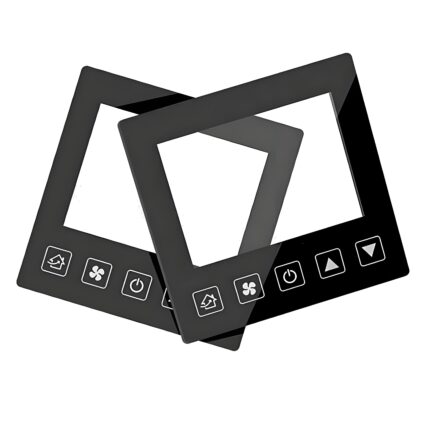
Custom screen cover glass for touchscreen and display assemblies, manufactured to customer drawings and specifications. Available with different glass materials, thicknesses, shapes, CNC machining, printing, strengthening and AR/AG/AF surface treatments.
High-Performance Screen Cover Glass for Modern Displays
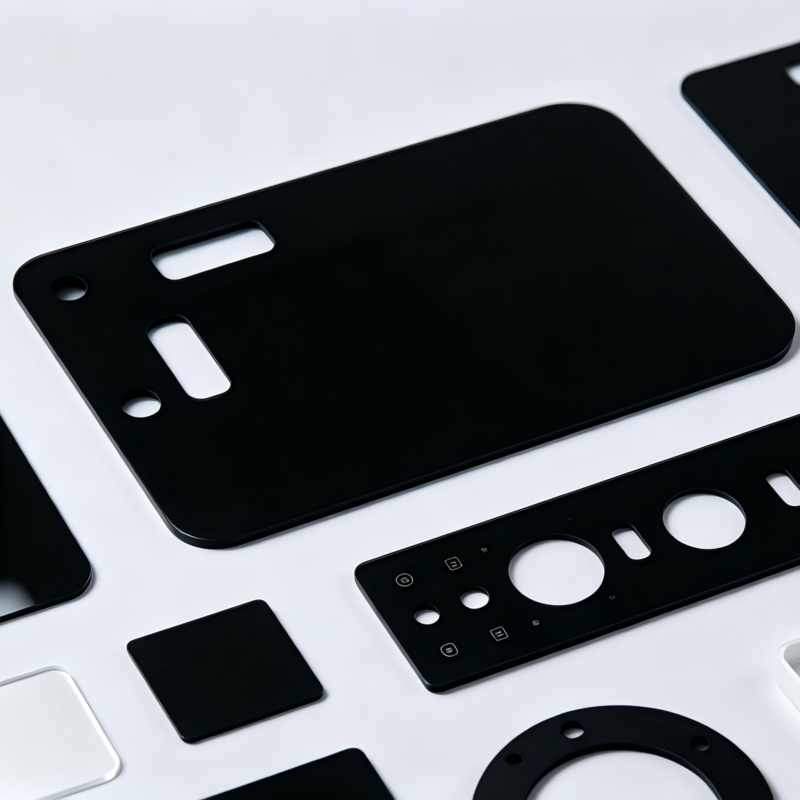
Screen Cover Glass Overview
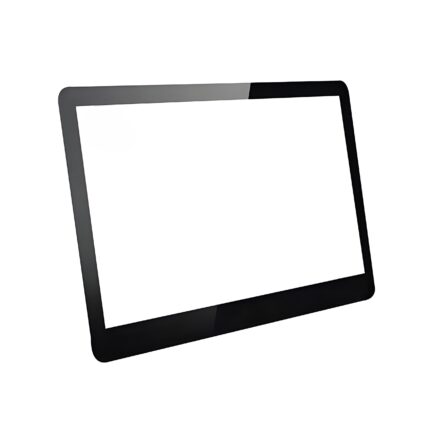
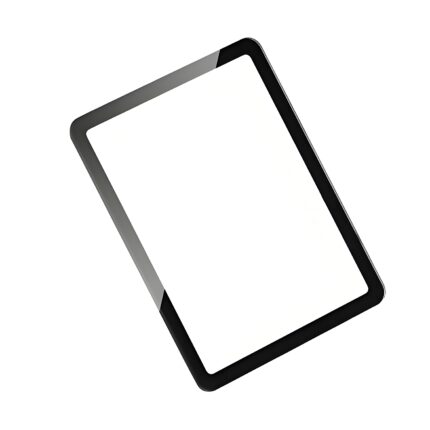
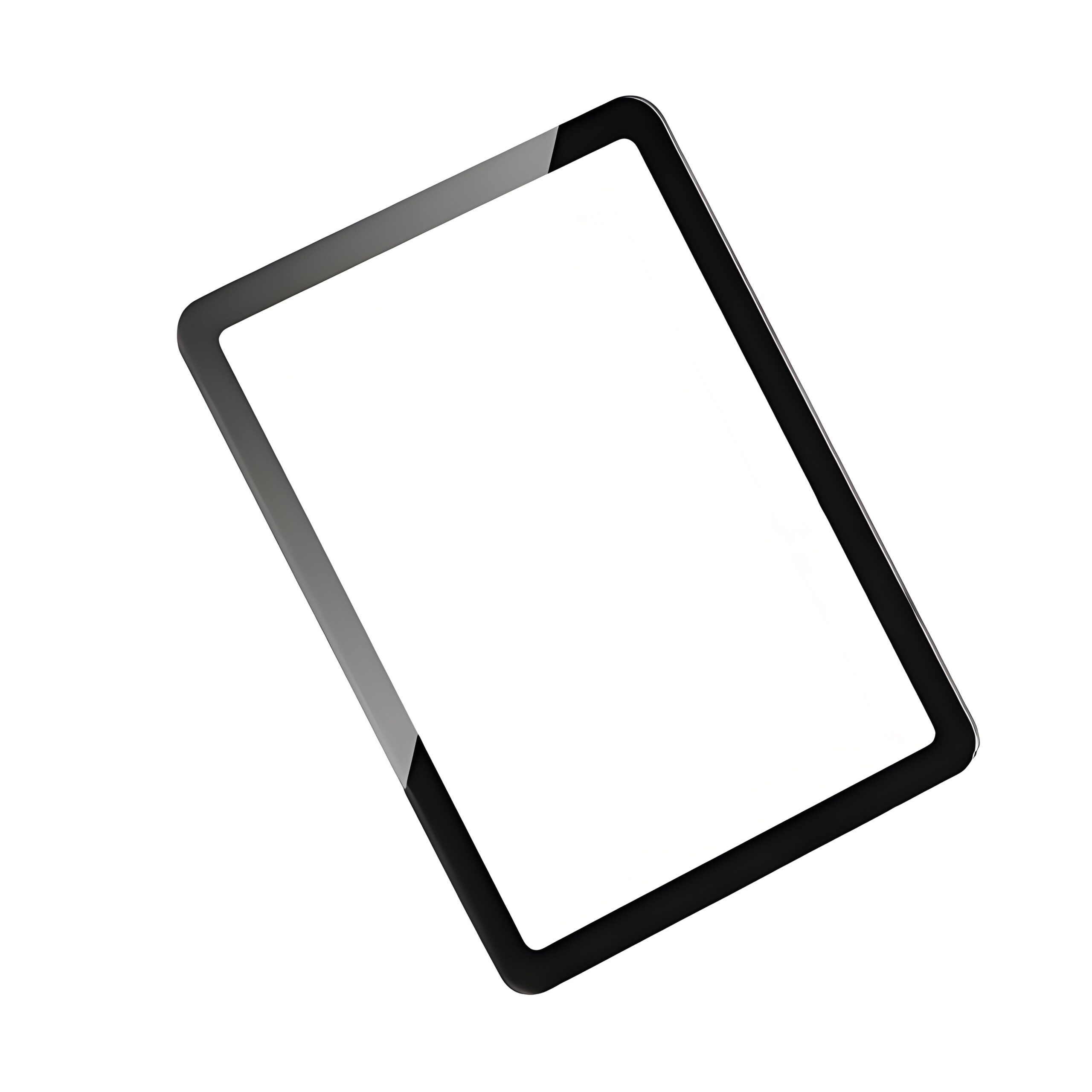
Screen cover glass is the protective glass layer positioned over a display or touchscreen assembly. We manufacture custom screen cover glass for LCD/TFT displays, touchscreen equipment, industrial control panels, automotive displays, medical devices, kiosks and other electronic equipment.
Glass can be supplied according to customer drawings and specifications, including custom dimensions, thicknesses, shapes, holes, notches, edge processing and printing. Depending on the application, available options include soda-lime glass, aluminosilicate glass, chemically strengthened glass and suitable tempered glass.
Additional processing can include CNC machining, chemical strengthening, thermal tempering, silk screen printing, AR/AG/AF coatings, adhesive bonding and OCA lamination.
Screen Cover Glass Manufacturing & Customization
Cutting: Glass sheets are cut into rough shapes using suitable cutting equipment before further processing.
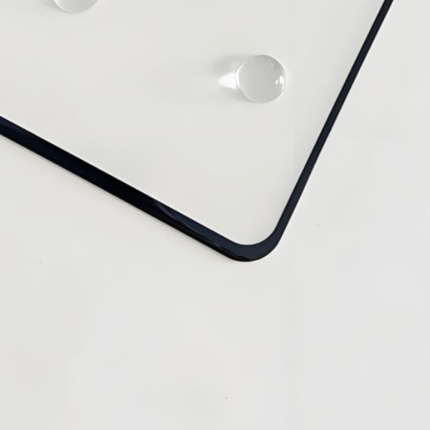
CNC Machining: CNC processing can be used for edge grinding, chamfering, holes, slots, notches and other dimensional features.
Strengthening: Chemical strengthening can be used for suitable thin glass, while thermal tempering is available for glass specifications suitable for thermal treatment.
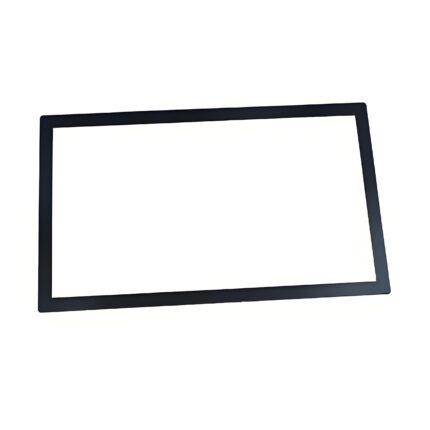
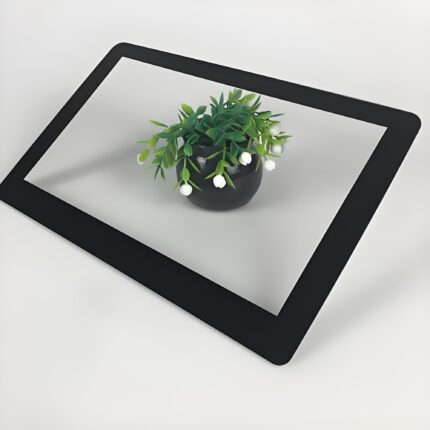
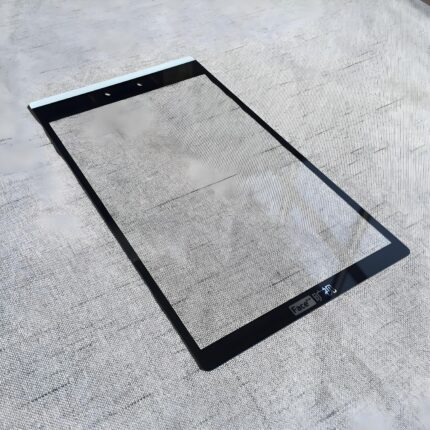
Silk Screen Printing: Custom borders, symbols, graphics and other patterns can be printed according to customer drawings and color requirements.
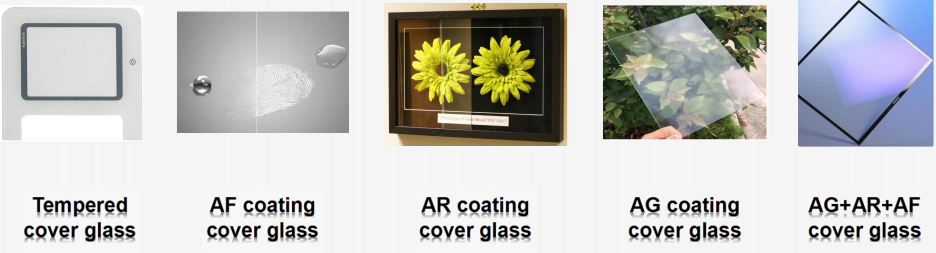
Coatings: AR, AG and AF treatments are available according to optical and surface-performance requirements.
AR (Anti-Reflective): Reduces surface reflection and can improve light transmission. The final optical performance depends on the glass substrate, coating design and target wavelength range.
AG (Anti-Glare): Diffuses reflected ambient light to reduce glare and improve display visibility in high-light environments.
AF (Anti-Fingerprint): Reduces fingerprint adhesion and improves surface cleanability. AF can be supplied as a standalone treatment or combined with other surface treatments where required.
Bonding: Mainly focus on 3M tapes including adhesive transfer tape, VHB tape and OCA tapes.
Lamination: Foil to protect from dirt and explosion proof sheet for better anti scatter.
Screen Cover Glass Materials
Soda-Lime Glass
A cost-effective substrate for applications where the required optical and mechanical performance can be achieved with conventional glass. Suitable for various display and touchscreen applications.
Aluminosilicate Glass
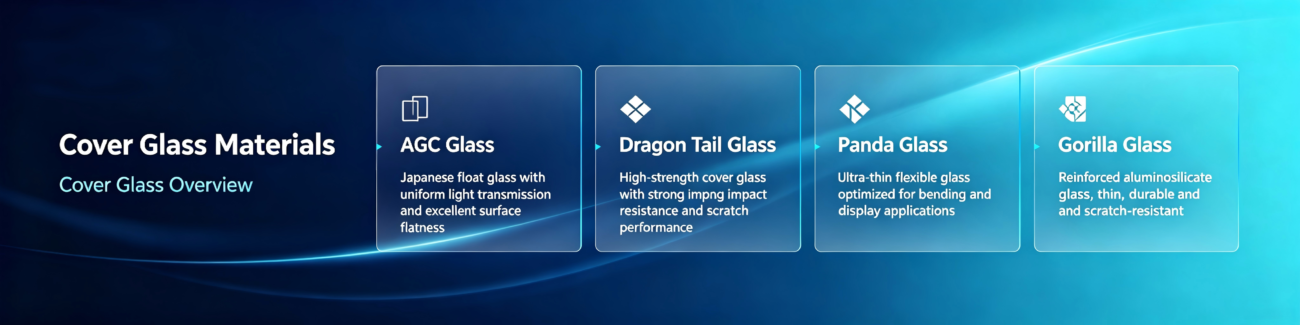
Selected for applications requiring higher surface durability and mechanical performance. Available glass grades include branded aluminosilicate substrates such as Gorilla Glass, Dragontrail and Panda Glass, subject to project requirements and material availability.
Chemically Strengthened Glass
Thin glass can be chemically strengthened through ion exchange to improve surface and edge damage resistance. The suitable strengthening process depends on the glass type, thickness and required performance.
Key Features
Typical Performance Considerations
- Light transmission: depends on glass material and coating
- Haze: depends on glass, surface treatment and application requirements
- Reflectivity: can be reduced with AR coatings
- Impact resistance: depends on glass thickness and strengthening method
- Thermal performance: depends on glass type and application requirements
Durability Standards
Environmental Testing: Thermal cycling and environmental resistance can be evaluated according to customer requirements and applicable testing specifications.
Chemical resistance: Alcohol, cleaners, oils
Custom Screen Cover Glass Specifications
| Specification | Options |
|---|---|
| Material | Soda-Lime / Aluminosilicate / Chemically Strengthened Glass |
| Thickness | Custom; typical 0.33–3.0 mm |
| Size | Custom |
| Shape | Rectangle / Square / Round / Irregular |
| Edge | Flat / Beveled / Chamfered / Custom |
| Surface | Glossy / Matte / AG |
| Coating | AR / AG / AF |
| Printing | Silk Screen / Custom Graphics |
| Machining | CNC / Drilling / Slots / Notches |
| Strengthening | Chemical / Thermal, where applicable |
| Bonding | Adhesive Tape / OCA |
| Application | Touchscreens / LCD / TFT / Industrial Displays |
Screen Cover Glass Applications
Touchscreen Equipment
Touchscreen terminals, interactive displays, POS equipment and electronic control interfaces.
Industrial Displays
Industrial control panels, HMI equipment and machine interfaces.
Consumer Electronics
Tablets, smart home devices, wearables and other electronic equipment.
Automotive Displays
Vehicle consoles, infotainment displays and control interfaces.
Kiosks & Outdoor Equipment
Self-service kiosks, vending machines and other displays used in high-ambient-light environments.
Screen Cover Glass FAQ
Q1:What materials are available for screen cover glass?
A1:We can supply soda-lime glass and aluminosilicate glass substrates, with chemical strengthening or thermal tempering available where suitable. Material selection depends on the required thickness, mechanical performance, optical requirements and application.
Q2:What thickness options are available?
A2:Screen cover glass can be produced in different thicknesses according to the application and glass material. Common project requirements may range from approximately 0.33 mm to 3.0 mm, subject to the selected substrate and processing requirements.
Q3:Can the screen cover glass be custom cut and CNC machined?
A3:Yes, first step cutting and then CNC edging / hole drilling.
Q4:Can you provide AR, AG and AF coatings?
A4:Yes, also different coatings have different treatment methods and parameter can be customized.
Q5:Can you provide custom printing and bonding?
A5:Yes. Printing patterns, colors and dimensions can be manufactured according to customer drawings. Adhesive bonding options such as adhesive transfer tape, VHB tape and OCA can also be considered according to the assembly requirements. Final tolerances are confirmed based on the drawing and production process.
Q6:Can you make prototypes before mass production?
A6:Yes, it’s the most important step to us to guarantee whole batch orders to be produced correctly.
Q7. Can you manufacture screen cover glass from customer drawings?
A7: Yes. We can manufacture custom screen cover glass according to customer drawings, dimensions, tolerances and processing requirements.
Q8. What information is required for a screen cover glass quotation?
A8: Please provide the glass size, thickness, material, drawing, quantity, surface treatment and required processing. Photos or application information can also help us evaluate the project.
Request a Custom Screen Cover Glass Quote?
Send us your drawing, dimensions, thickness and application requirements. Our team can evaluate the specifications and provide a custom quotation.