+86-13925515590
 kleinma@aliyun.com
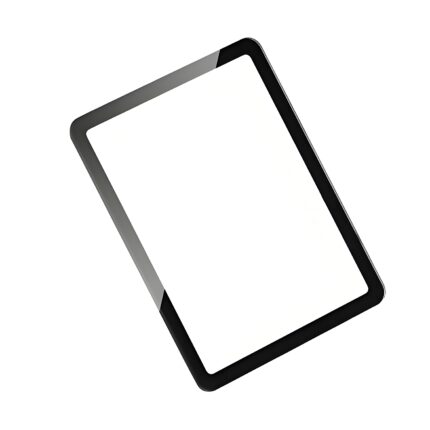
Custom Camera Lens Glass for OEM Applications
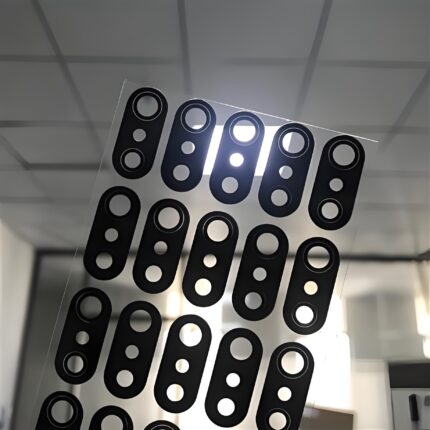
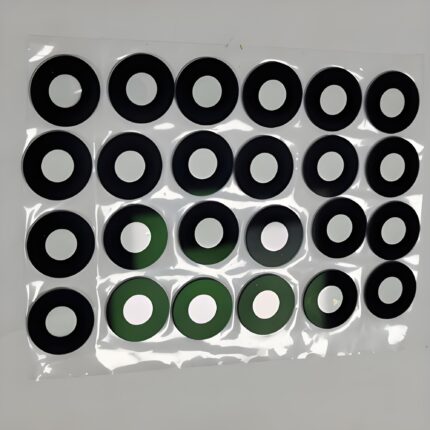
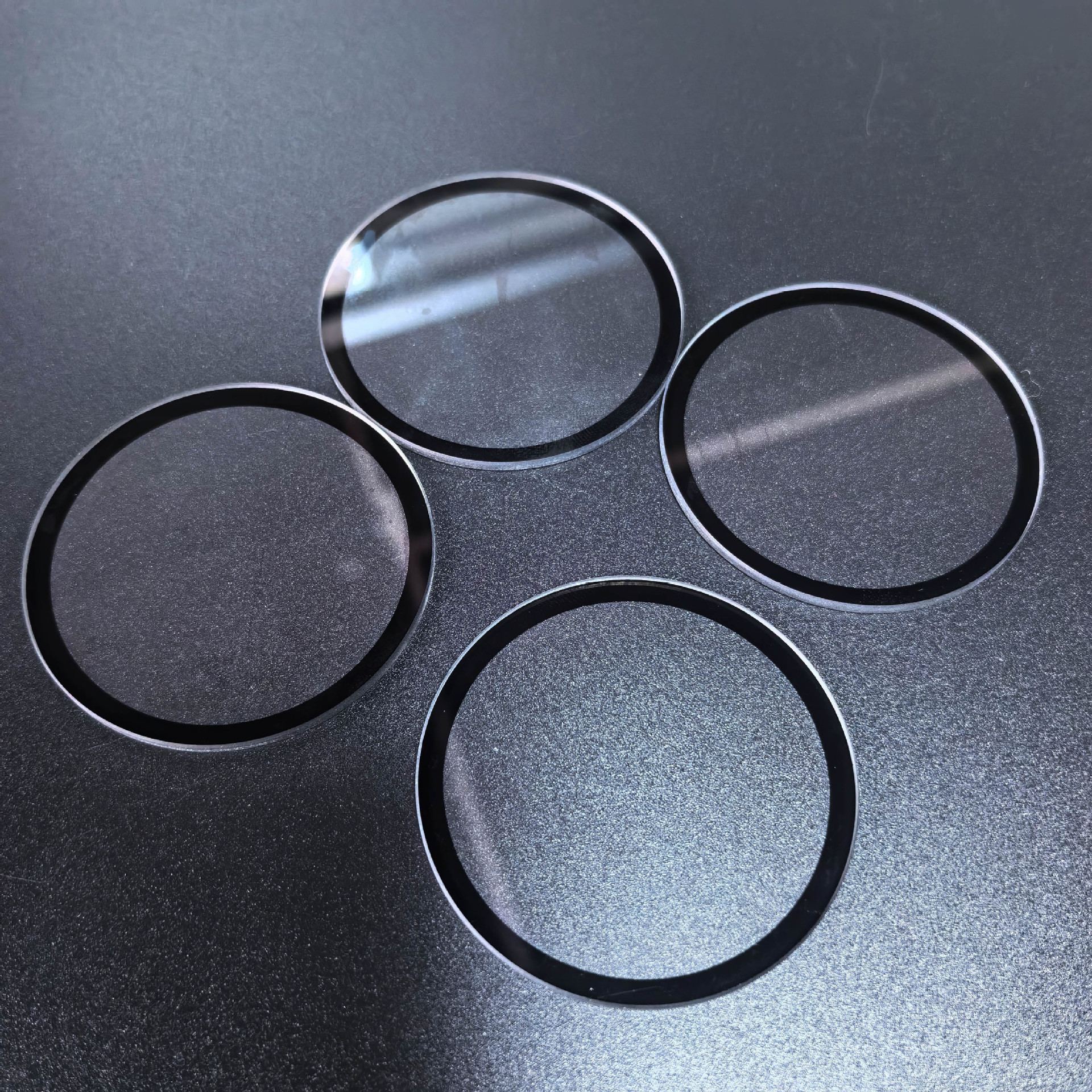
Our camera lens glass is designed for OEM and ODM applications requiring optical clarity, scratch resistance, dimensional accuracy and reliable protection for camera modules. We supply custom glass covers for smartphones, security cameras, automotive cameras, drones, imaging devices and other electronic products.
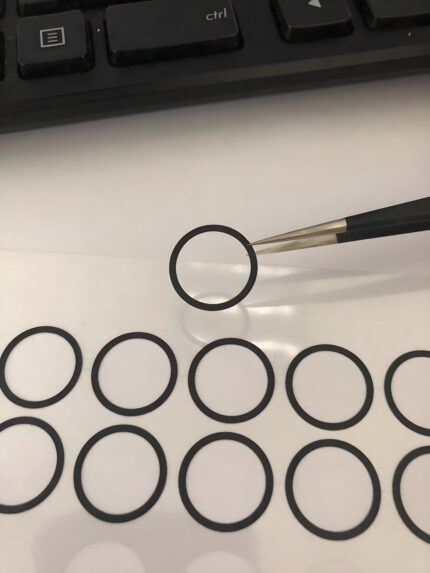
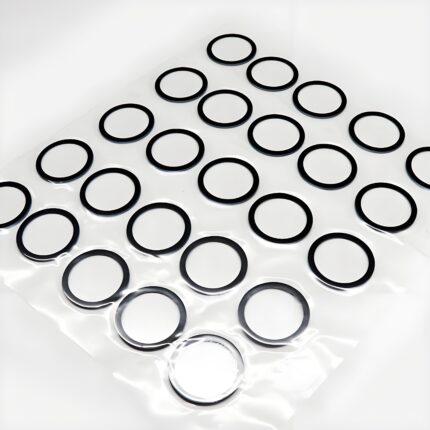
Available in customized shapes, sizes and thicknesses, our camera lens glass can be processed with CNC edge grinding, chamfering, drilling, printing, chemical strengthening and optical coatings such as AR, AG and AF. We support prototype development and volume production according to customer drawings and specifications.
Camera Lens Glass: The Ultimate Guide to Materials, Durability & Customization
Camera Lens Glass refers to the transparent protective cover placed over camera sensors in devices like smartphones, security cameras, drones, and automotive systems. It directly impacts image quality, scratch resistance, and durability. Weiman Tech can offer full sets of glass solutions.
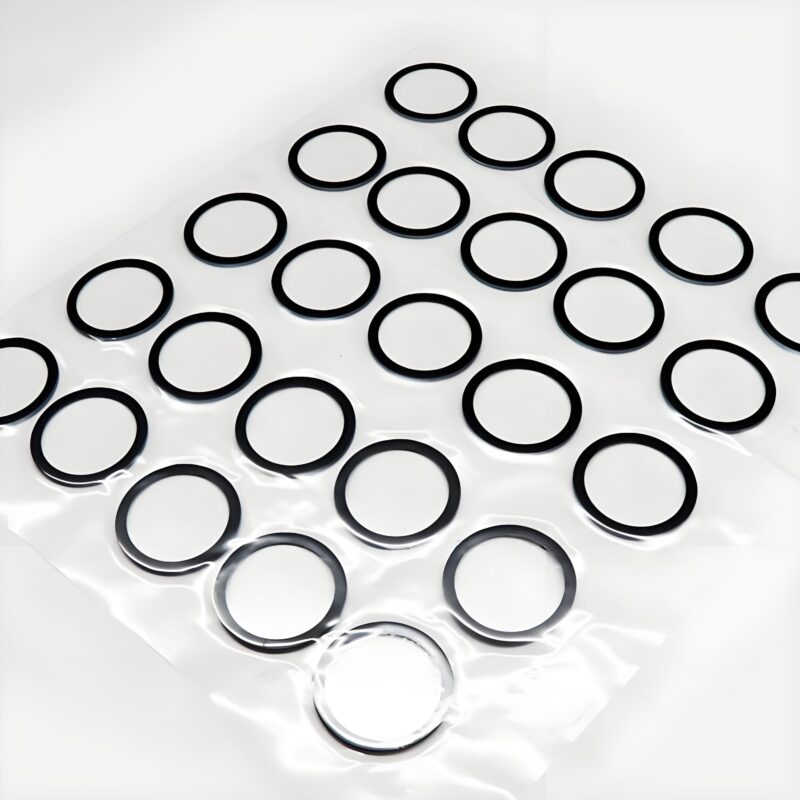
In Weiman, we offer camera lens glass customization services including:
Cutting: Rough shapes by diamond unit or laser cutting from big sheet of glass substrate into rough shapes of the final products, but edge is still sharp and big tolerances.
CNC processings:Edge grinding and chamfering, slotting, hole drilling.
Tempering: Chemically strengthening for thickness under 3.0mm and thermally tempering for 3.0mm thickness above.
Silk screen print: For thin thickness cover glass option, we use resin ink for print and for thermal tempering we use 3.0mm thickness above.
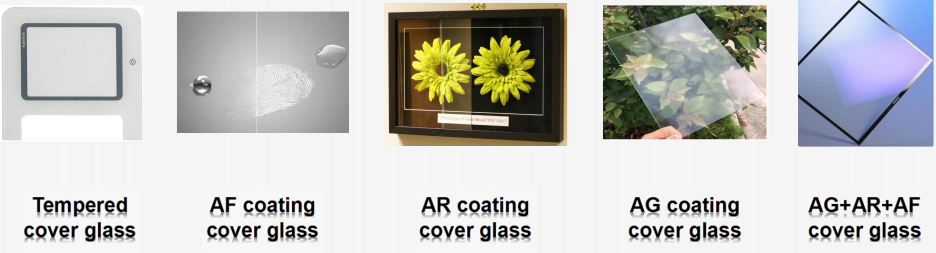
AR means anti reflection by electroplating base on different spectral bands, single side increase 3-4% light transittance and double sides up to 99% at most.
AF with 2 kinds of methods including electroplating(costly but more durable) and spray(cheaper but less durable), it can also protect the AR coating from easy peel off.
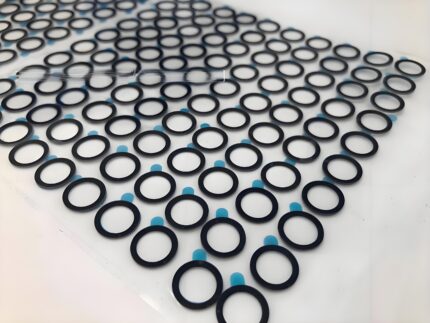
Bonding: Mainly focus on 3M tapes including adhesive transfer tape, VHB tape and OCA tapes.
Lamination: Foil to protect from dirt and explosion proof sheet for better anti scatter.
Key Functions:
Protection: Shields the delicate camera sensor from scratches, impacts, and environmental damage.
Optical Clarity: High light transmission (e.g., >90%) ensures clear images.
Coatings: Anti-reflective (AR), hydrophobic, or IR-filter coatings enhance performance.
Camera Lens Glass Materials & Options
Other optical glass options based on application
Specification
| Specification | Options |
|---|---|
| Glass Type | Aluminosilicate / Gorilla / Soda Lime |
| Thickness | 0.4–3.0 mm |
| Shape | Round / Square / Rectangle / Custom |
| Edge Processing | Grinding / Chamfering / CNC |
| Strengthening | Chemical / Thermal |
| Printing | Silk Screen Printing |
| Coatings | AR / AG / AF |
| Surface | Clear / Matte / Custom |
| Application | Camera / Drone / Automotive / Security Camera |
| OEM/ODM | Custom drawings and specifications |
Custom Camera Lens Glass Processing
Cutting & Shaping
Precision cutting according to customer drawings.
CNC Machining
Edge grinding, chamfering, drilling, slots and other custom features.
Chemical Strengthening
Improves mechanical strength for thin camera cover glass.
Silk Screen Printing
Custom black borders, markings and functional graphics.
AR / AG / AF Coatings
Optical and surface treatments for different camera environments.
FAQs About Camera Lens Glass
1. What materials are available for custom camera lens glass?
We offer aluminosilicate, Gorilla Glass and soda lime glass options depending on the required optical performance, strength, thickness and application.
2. Can camera lens glass be customized to our drawings?
Yes. We support custom shapes, dimensions, thicknesses, holes, slots, edge profiles, printing and surface treatments according to customer drawings or specifications.
3. What coatings are available for camera lens glass?
AR, AG and AF coatings are available for applications requiring reduced reflection, improved visibility or fingerprint and oil resistance.
4. Can you provide chemically strengthened camera lens glass?
Yes. Chemical strengthening is available for thin camera lens glass to improve mechanical strength and resistance to impact and scratches.
5. What camera applications do you support?
Our custom camera lens can be used for security cameras, automotive cameras, drones, imaging devices and other electronic camera modules.
Request a Custom Camera Lens Quote
Looking for a reliable OEM supplier for camera lens?
Send us your drawings, dimensions, glass thickness, material requirements and coating specifications. Our team can evaluate your design and provide a customized solution for prototype or mass production.