+86-13925515590
 kleinma@aliyun.com

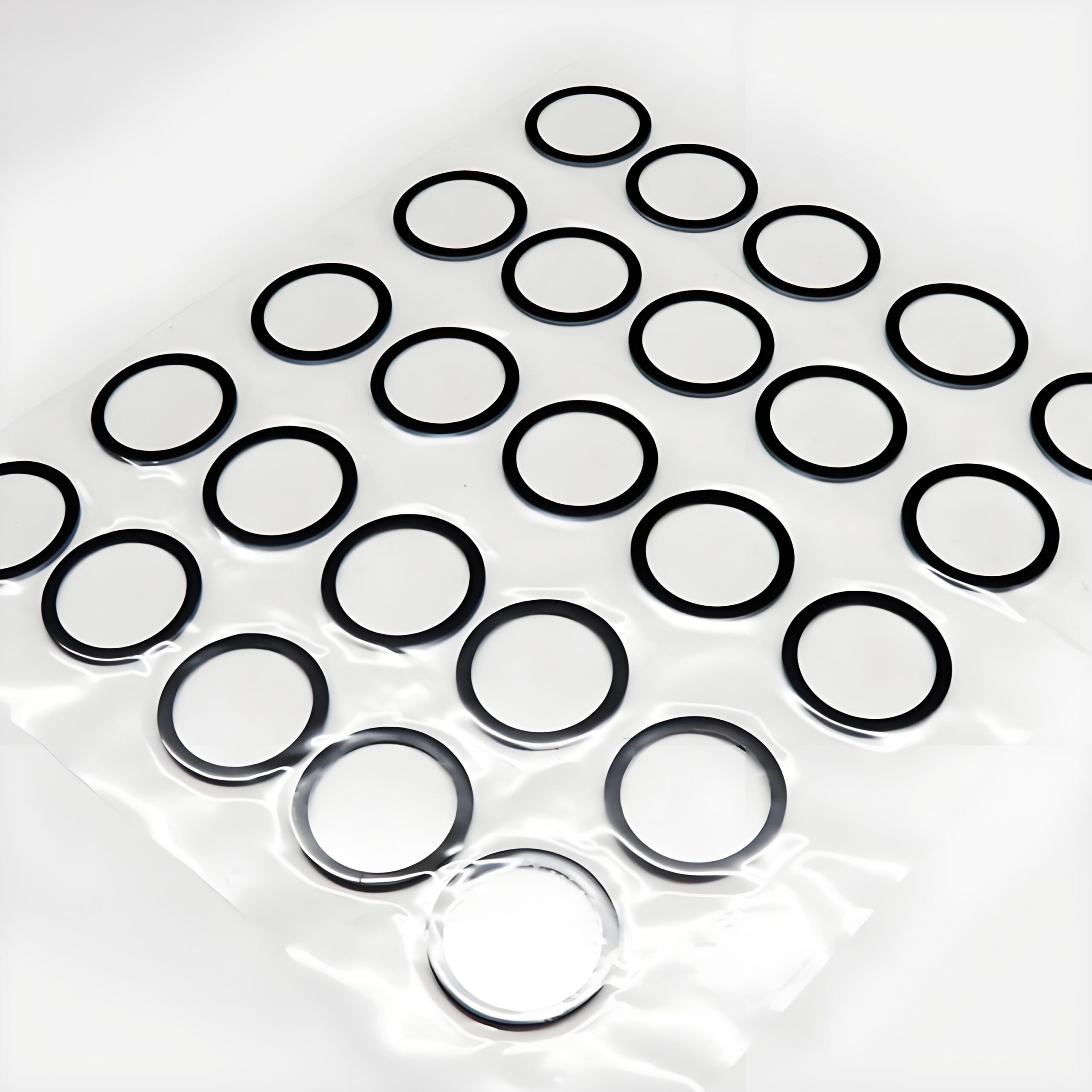
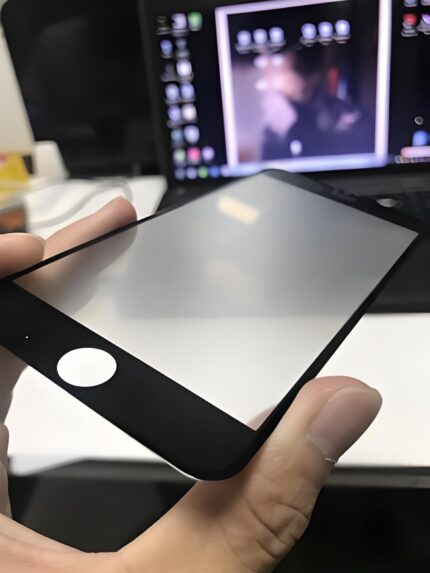
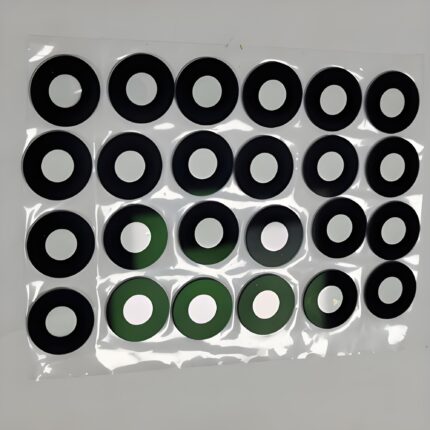
Microscope Cover Glass
Precision Microscope Cover Glass for Flawless Imaging
Stop compromising your research with subpar cover slips. Our premium microscope glass delivers laboratory-grade precision you can trust:
• λ/4 flatness for distortion-free imaging
• 0.005mm thickness tolerance – crucial for high-NA objectives
• Zero autofluorescence eliminates background noise
• Chemical-resistant for harsh staining procedures
Choose specialized versions:
-
AR-coated for fluorescence work
-
Hydrophobic for live cell studies
-
Laser-marked for sample tracking
Trusted by research labs and diagnostic centers worldwide. Request free samples and see the difference proper cover glass makes.
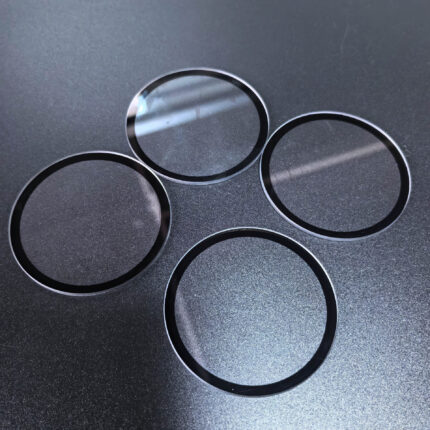
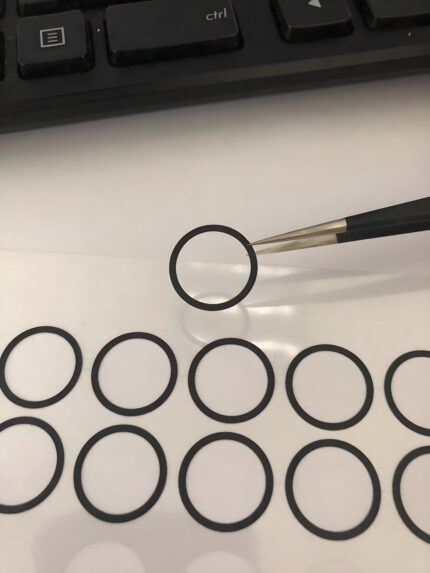
Our microscope cover glass is designed for laboratory microscopy, specimen observation and optical slide applications where consistent thickness, high transparency and reliable dimensional accuracy are required. We manufacture microscope cover glass in different glass materials, sizes, shapes and thickness specifications to meet OEM and laboratory requirements.
Available options include standard microscope cover glass, borosilicate glass coverslips, custom sizes, and precision thickness control. Depending on the application, we can provide smooth edges, optical cleaning, customized packaging, and other processing options. Contact us for custom microscope cover glass specifications and OEM production.
Why Microscope Cover Glass Matters More Than You Think
Every researcher knows the frustration of blurred images or distorted samples under the microscope. The truth is, your microscope cover glass plays a bigger role than most realize. We’ve engineered our microscope cover glass to eliminate these common pain points that plague standard options.

How Microscope Cover Glass To Be Made

1. Glass Material Selection
We select suitable glass materials according to the required optical performance, thickness, chemical resistance, and application requirements. Soda-lime glass, borosilicate glass, and optical glass options are available for different microscopy applications.
2. Precision Glass Cutting
Glass sheets are precisely cut into the required dimensions using controlled cutting equipment. Cutting parameters are adjusted according to the thin glass thickness to maintain dimensional accuracy and minimize edge damage.
3. Edge Processing
After cutting, the glass edges can be processed to remove sharp edges and cutting defects. Edge grinding or other finishing options can be provided according to the required size, handling requirements, and application.
4. Thickness & Dimensional Inspection
Each production batch is inspected for thickness, length, width, and dimensional tolerance. Precision measurement helps ensure consistent specifications across the microscope cover glass batch.
5. Surface Cleaning
The glass is thoroughly cleaned to remove dust, particles, fingerprints, and other surface contaminants. Controlled cleaning is particularly important for microscope cover glass because surface contamination can affect specimen observation and optical performance.
6. Optical Quality Inspection
The finished glass is inspected for transparency, surface defects, scratches, bubbles, chips, and other visible imperfections. Optical inspection standards can be customized according to the customer’s microscopy requirements.
7. Final Quality Control
Before shipment, microscope cover glass is checked against the approved specifications, including dimensions, thickness, appearance, cleanliness, and packaging requirements.
8. Protective Packaging
Qualified microscope cover glass is carefully packed using protective materials to reduce scratches, contamination, breakage, and movement during transportation. Custom packaging and labeling are available for OEM orders.
Specification of Microscope Cover Glass
| Specification | Recommended Content |
|---|---|
| Product | Microscope Cover Glass |
| Material | Soda-Lime Glass / Borosilicate Glass / Optical Glass |
| Thickness | 0.13–0.17 mm or Custom |
| Size | 18×18 mm / 22×22 mm / 24×50 mm / Custom |
| Shape | Square / Rectangular / Round |
| Surface | Smooth / Optical Clear |
| Edge | Cut / Ground / Polished |
| Cleaning | Standard Cleaning / Optical Cleaning |
| Customization | Custom Size & Thickness |
| Packaging | Custom Packaging Available |
| OEM | OEM & Custom Manufacturing |
Advanced Optical Treatments on Microscope Cover Glass for Specific Applications
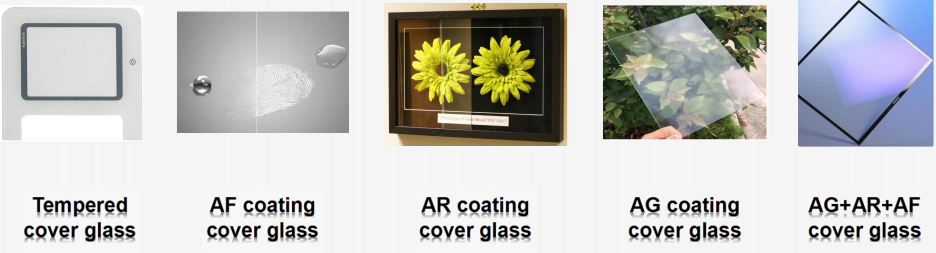
1. Anti-Reflective Coated (AR)
Reduces reflections by 98% at 450-650nm
Maintains >99% light transmission
Ideal for fluorescence microscopy
2. Anti-Glare (AG) Treatment
Cuts stray light by 75%
Preserves 97% light transmission
Perfect for brightfield imaging
3. Hydrophobic/Anti-Fingerprint (AF)
115° water contact angle
Oil contact angle >95°
Essential for live cell imaging
Microscope Cover Glass Chemical Strengthening Process
Our proprietary treatment enhances durability without compromising optical clarity:
Precision Cleaning – Removes all surface contaminants
Ion Exchange – 400°C potassium nitrate bath (24hr minimum)
Stress Profiling – Creates 50μm compression layer
Quality Verification – Interferometry and mechanical testing
Results:
5x more scratch resistant
3x more breakage resistant
Zero optical distortion
Microscope Cover Glass Thickness
Microscope cover glass thickness can affect optical performance, focusing, and image quality during microscopy. Common cover glass specifications include approximately 0.13–0.17 mm for No. 1 cover glass and around 0.17 mm for No. 1.5H precision cover glass. The appropriate thickness depends on the microscope objective, specimen preparation method, and required imaging performance.
We can manufacture microscope cover glass according to specified thickness, dimensional, and optical requirements. For precision microscopy applications, customers can provide their required thickness tolerance, size, material, and optical specifications for OEM production.
Microscope Cover Glass Applications
- Biological microscopy
- Laboratory microscopy
- Histology and cytology
- Cell and tissue observation
- Microbiology
- Clinical laboratory applications
- Educational microscopy
- Optical research
Quality Assurance That Meets Research Standards
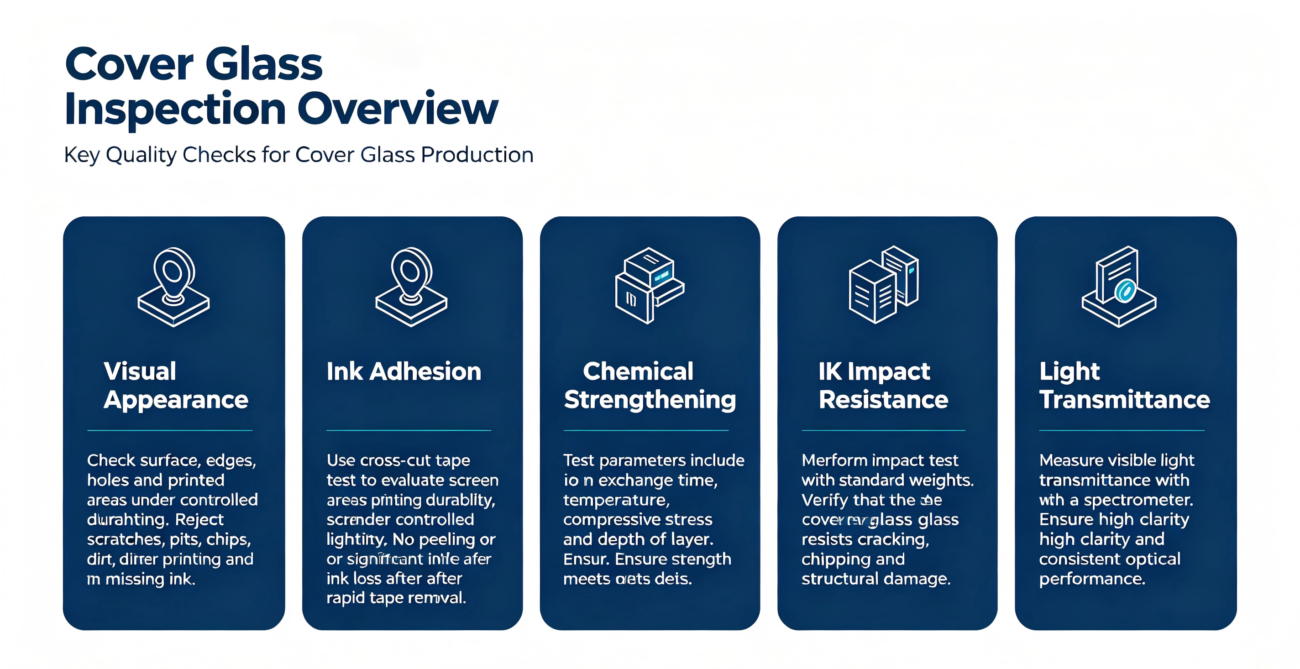
Every batch undergoes:
100% thickness inspection
Surface flatness mapping
Autofluorescence testing
Sterilization validation
Lot traceability
Why Researchers Trust Our Microscope Cover Glass
Consistency – Same optical properties every time
Durability – Lasts through multiple uses
Performance – Engineered for specific techniques
Support – Technical experts available
Request samples today and see how proper microscope cover glass can improve your imaging results. Our team can help you select the perfect option for your specific microscopy technique and sample type.
FAQ
What is microscope cover glass?
Microscope cover glass is a thin piece of transparent glass placed over a specimen on a microscope slide. It protects the specimen and provides a controlled optical interface for microscopy.
What thickness is commonly used for microscope cover glass?
Common specifications include approximately 0.13–0.17 mm, while precision No. 1.5H cover glass is commonly specified around 0.17 mm with tight thickness tolerance. The required specification depends on the microscope objective and application.
What materials are available for microscope cover glass?
Microscope cover glass can be manufactured from soda-lime glass, borosilicate glass, or other optical glass materials depending on the required optical and chemical properties.
Can you manufacture custom microscope cover glass?
Yes. Custom microscope cover glass can be produced according to specified dimensions, thickness, material, edge treatment, cleaning requirements, and packaging.
What sizes are available?
Common sizes include 18 × 18 mm and 22 × 22 mm, while rectangular sizes such as 22 × 40 mm or 24 × 50 mm are also used. Custom dimensions can be supplied according to project requirements.
What is the difference between microscope cover glass and a microscope slide?
A microscope slide holds the specimen, while the microscope cover glass or coverslip is placed over the specimen. The two components serve different functions in sample preparation and microscopy.