+86-13925515590
 kleinma@aliyun.com

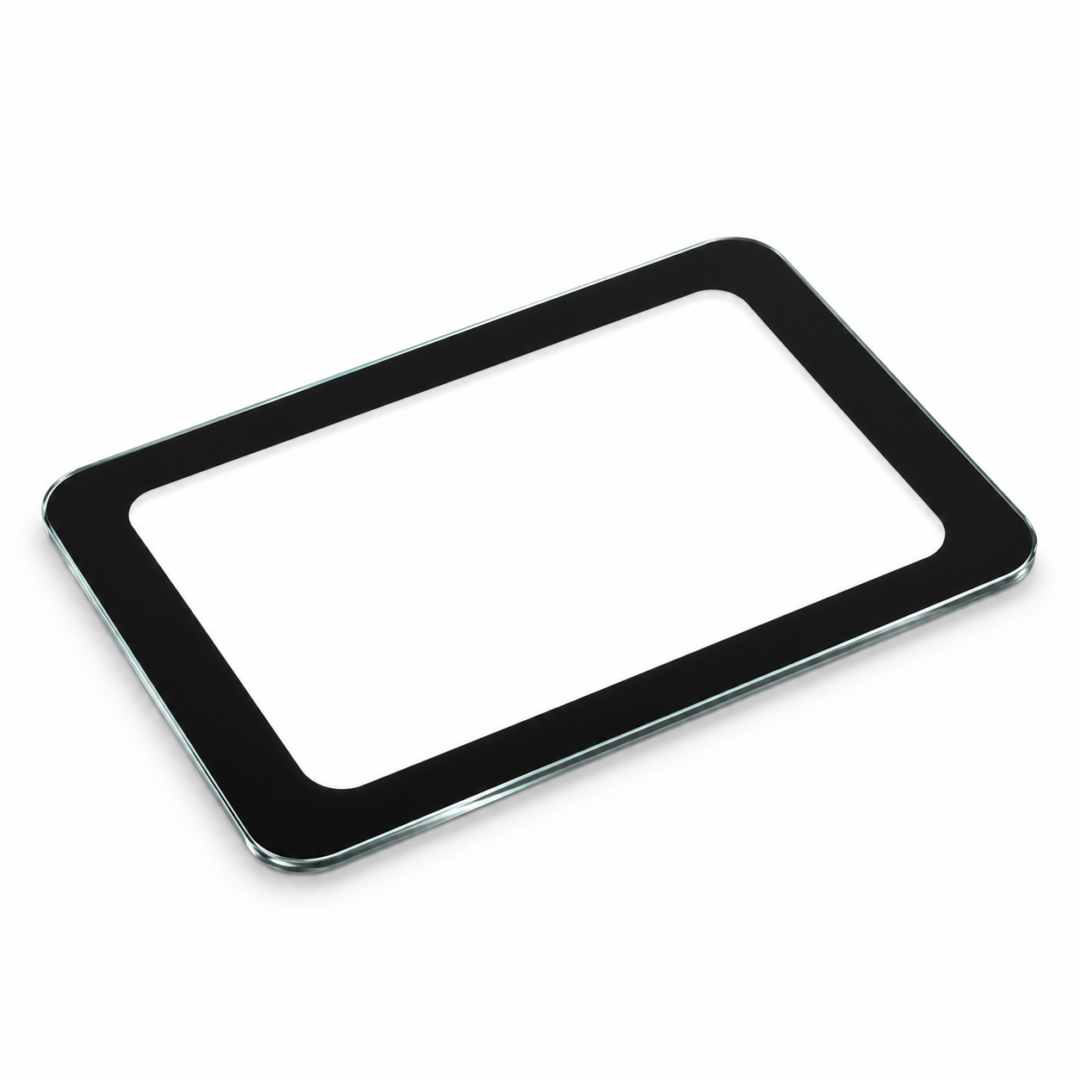
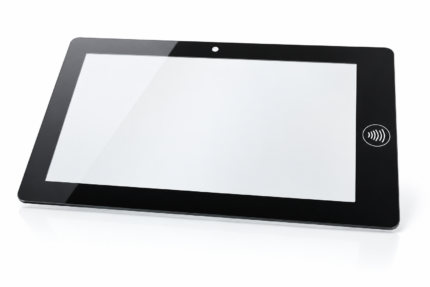
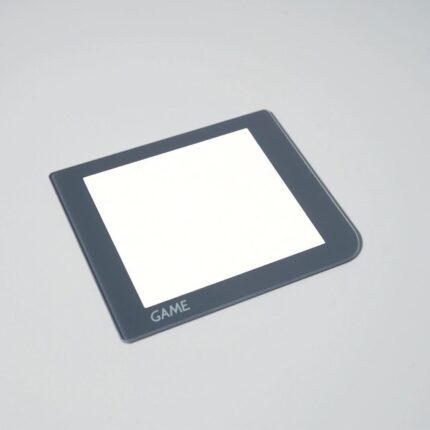
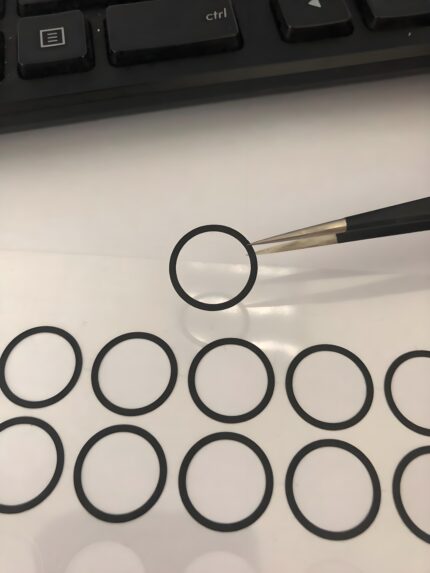
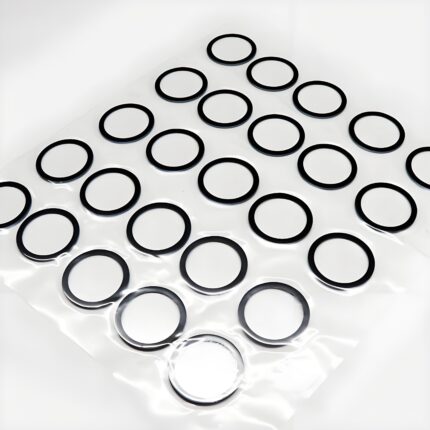
Custom Barcode Scanner Window Glass
Custom scanner window glass for barcode readers, QR code scanners and embedded scanning devices. Specify the glass outline, clear aperture, printed border and optical requirements to match your scan engine and enclosure. Manufacturing options are reviewed against your drawing and application.
Custom Barcode Scanner Window Glass for OEM Readers
A barcode scanner window is the protective glass interface between a scanning module and the outside environment. It must fit the device housing while providing a clear optical path for illumination and image capture. For OEM equipment, the window design also needs to account for printed borders, mounting clearances, cleaning exposure and assembly requirements.
Weiman provides custom scanner window glass processing for scanner window projects based on customer drawings and technical specifications. Options such as custom outlines, edge finishing, strengthening, printed masking and surface coatings are reviewed together to develop a manufacturable part.
Whether your project involves an embedded QR code reader, a fixed-mount barcode scanner or a self-service terminal, send us the scanner window glass drawing and scan engine requirements for an initial evaluation.
Request a Custom Scanner Window Glass Quote →
A Protective Window Designed Around Your Scan Engine
A scanner window is a flat protective component, rather than a focusing lens. Its role is to separate the scanning module from direct contact while allowing the required light to pass through the assembly.
The window should therefore be specified as part of the scanning system. A scanner window glass panel that fits the enclosure may still require changes if the printed border, mounting position or surface treatment conflicts with the module’s optical requirements.
Before selecting the glass, identify:
- The scan engine model and its window recommendations.
- The position of the illumination source and receiving optics.
- The required unobstructed viewing area.
- The distance and orientation between the module and the window.
- The intended barcode media and operating environment.
These details help establish the requirements for the scanner window glass before samples are manufactured.
Applications for Custom Scanner Window Glass
Different scanner applications place different demands on the front window. The quotation and sample review should reflect how the finished equipment will be used.
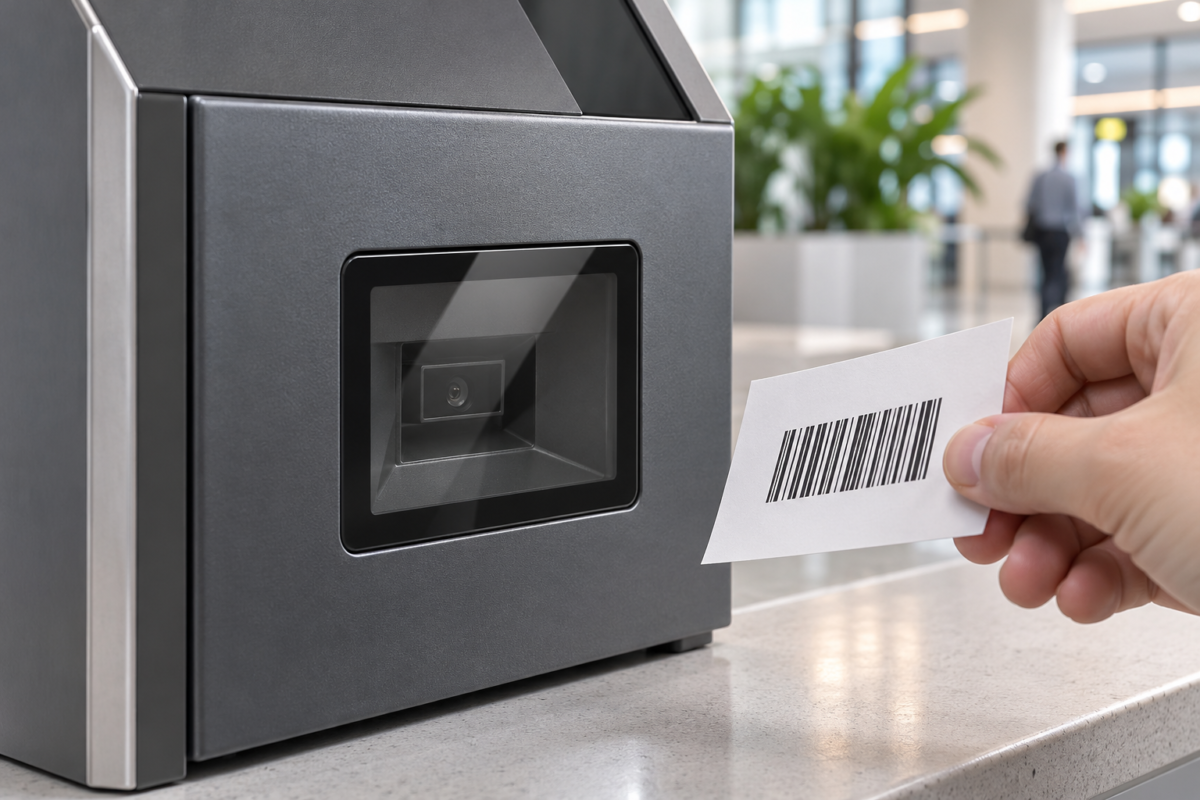
Self-Service Kiosks and Payment Terminals
An embedded reader may sit behind a dedicated scanner window glass or share a larger front panel with other interface components. The window drawing should distinguish the scanning area from display areas, indicator windows and decorative printing.
For installations where users present a phone or printed ticket close to the panel, include the expected contact and cleaning conditions in the specification.
Access Control and Ticket Readers
QR code readers used in entry terminals and ticketing equipment need a window layout that matches the reader’s field of view. The external opening, printed border and internal mounting structure should be reviewed together.
If the equipment is installed outdoors or in a partially sheltered location, provide the relevant exposure and assembly test requirements.
Fixed-Mount Industrial Readers
Production-line and equipment-integrated readers may require a compact window with a specific outline, mounting clearance or optical opening. Include the operating environment, expected contamination and cleaning method with the drawing.
Handheld Barcode Readers
For handheld designs, the scanner window glass must match the scanner housing and retention arrangement. Material, thickness and strengthening options should be evaluated against the mechanical design and the required qualification tests.
Customization Options for Barcode Scanner Window Glass
Weiman reviews the scanner window glass geometry, optical area and finishing requirements as one part specification. The final manufacturing route depends on the selected material, dimensions and required treatments.
| Specification | Details to Provide |
|---|---|
| Glass material | Required substrate or material options for evaluation |
| Overall dimensions | Length, width, thickness and dimensional tolerances |
| External profile | Rectangular, rounded or custom outline |
| Edge finish | Ground, polished, chamfered or drawing-specific requirements |
| Clear aperture | Size and position of the unobstructed optical area |
| Surface quality | Permitted scratches, inclusions and other visible defects |
| Optical performance | Wavelength range, transmission and reflection requirements |
| Printed areas | Border dimensions, artwork, opacity and printing side |
| Strengthening | Mechanical requirements and applicable test conditions |
| Surface coatings | AR or other specified treatments for evaluation |
| Mounting interface | Adhesive contact area, frame geometry and clearances |
| Production requirements | Sample quantity, order quantity and estimated annual demand |
Where a specification has not been finalized, mark it as open for discussion. A preliminary drawing and the scan engine supplier’s guidance provide a useful starting point.
Clear Aperture and Printed Border Design
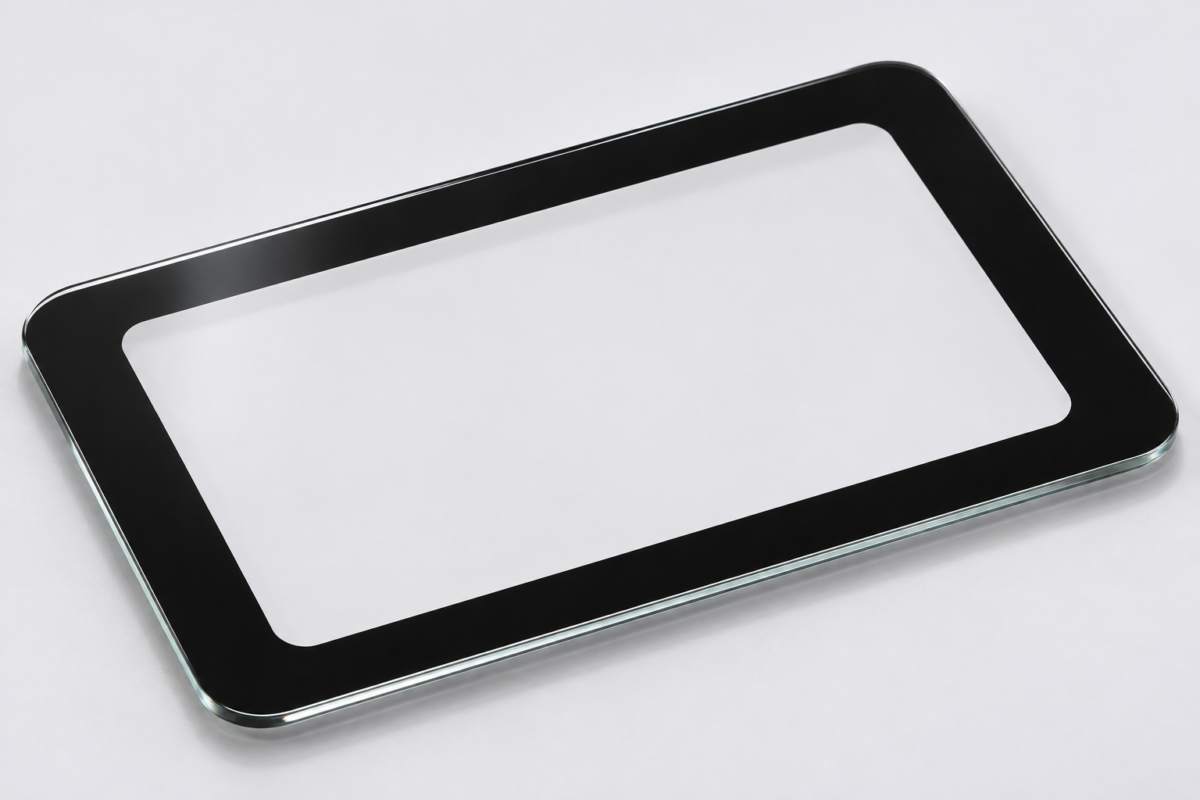
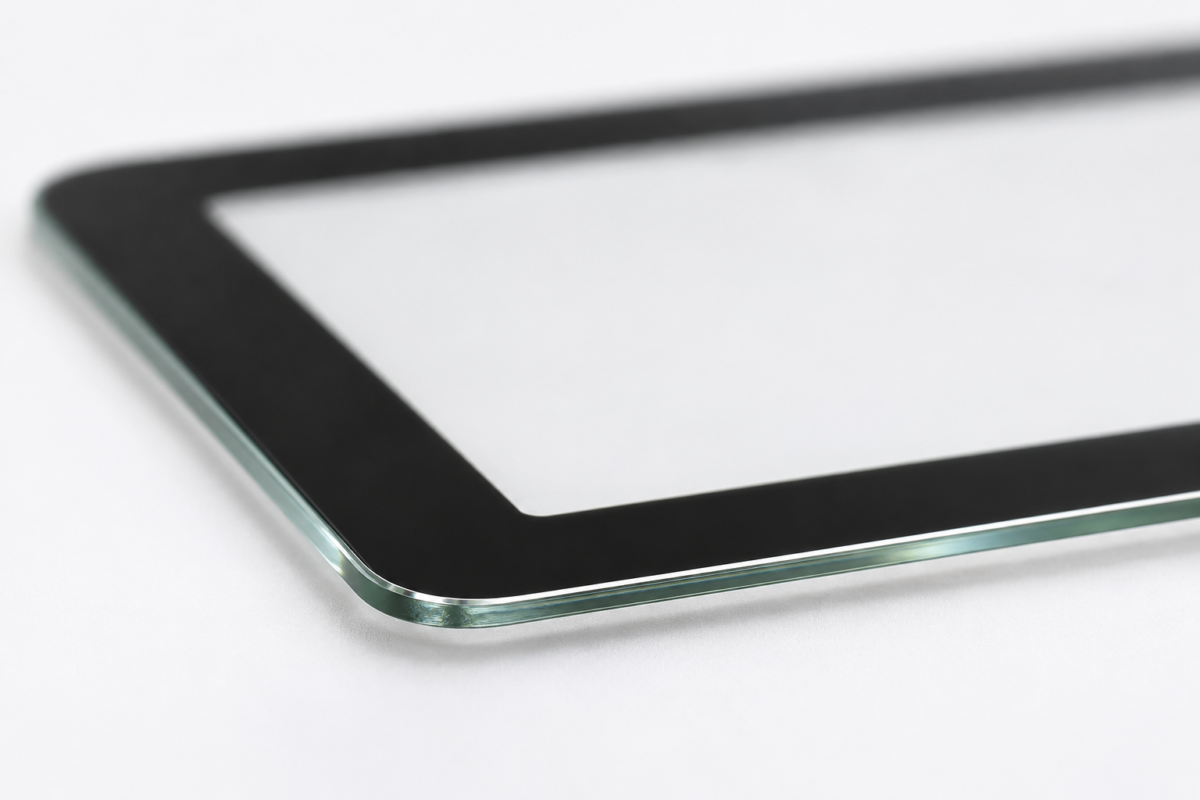
The clear aperture is the part of the window through which the scanning system operates. It should be defined separately from the overall scanner window glass dimensions.
For a printed scanner window, the drawing should show the relationship between the clear opening, the outside edges and any mounting features. An apparently minor change to border width may reduce the usable optical area, particularly when the scan engine is positioned behind the scanner window glass at an angle.
Black Border Printing
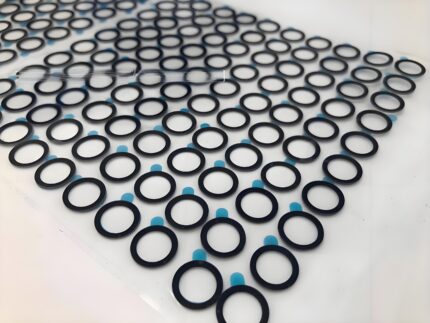
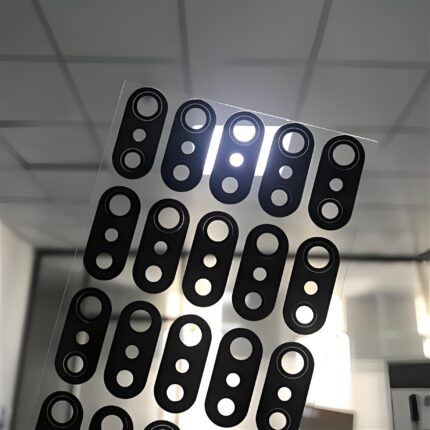
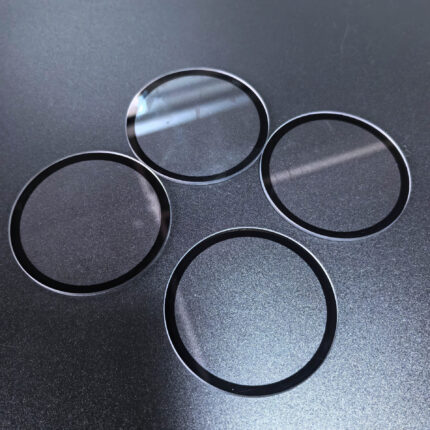
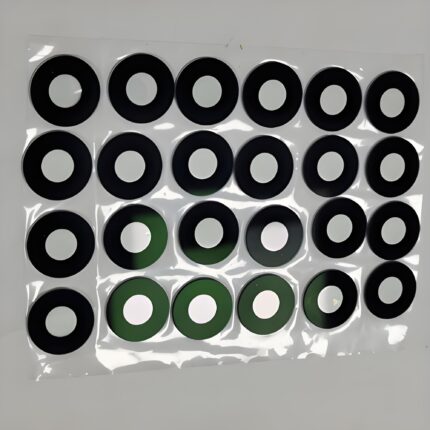
A printed border can conceal selected areas of the housing and create a defined visual opening. It can also provide space for branding or other graphics outside the optical area.
When requesting silk screen printing for scanner glass, specify:
- The dimensions and location of the clear opening.
- The printing side and viewing direction.
- The required border color and appearance reference.
- The permitted print-position variation.
- Any light-blocking or opacity requirements.
- The relationship between printed areas and adhesive contact zones.
A decorative black border should not automatically be treated as a validated optical baffle. Any required control of stray light must be evaluated in the complete scanner assembly.
Separate Cosmetic and Optical Acceptance Areas
The central scanning area and the surrounding printed border may require different inspection criteria. Identify the critical optical region on the drawing so that surface-quality requirements can be agreed for the areas that matter to the reader.
AR Coating Evaluation for Scanner Windows
Anti-reflective coatings can be considered where the scan engine specification calls for reduced surface reflection. The appropriate coating must be reviewed against the operating wavelengths, viewing geometry and environmental requirements.
A general display-glass coating specification should not automatically be used for a scanner window. Provide the module manufacturer’s requirements, including any transmission or reflection targets and their measurement conditions.
For example, Opticon’s Q-250 product guidance recommends AR-coated window materials. This is a reference for that particular module; the requirements of your selected scan engine should guide your own design.
Our AR, AG and AF coating capabilities can be reviewed as part of the project. These treatments serve different purposes and should not be treated as interchangeable.
If a diffusing surface finish is proposed, have the scan engine supplier assess its suitability for the imaging path before approval. Any coating combination should be qualified using representative samples.
Glass Material, Thickness and Edge Processing
The material and thickness should be selected according to both the optical specification and the mechanical assembly. Choosing a thicker window alone does not establish the performance of the finished device.
Consider the panel dimensions, supported area, edge condition, mounting method and expected loading together. Strengthening options can then be reviewed for the selected glass and part geometry.
Edge details also deserve attention. The drawing should identify visible edges, assembly edges and any areas that require a specific chamfer or finish. Where the scanner window glass sits inside a frame, include the available clearances and the contact arrangement.
For related protective-window manufacturing options, explore our custom camera cover glass.
Mounting and Adhesive Interface Requirements
The window and housing drawings should agree on how the glass will be located and retained. Include the frame opening, adhesive contact areas and any gasket interfaces in the project review.
For adhesive-mounted windows, specify the intended bonding footprint and keep it separate from the required optical opening. Where adhesive is applied over a printed region, identify that relationship so the material compatibility and assembly process can be evaluated.
Our adhesive bonding capabilities can be discussed for suitable projects. Share the mating material, adhesive preference and installation conditions rather than specifying a tape brand alone.
The protective performance of the finished equipment depends on the complete enclosure and assembly. Any water, dust or impact requirements should therefore include the intended mounting structure and test conditions.
Surface Durability and Cleaning Requirements
Scanner windows may be handled during assembly, touched during use or cleaned repeatedly. Describe these conditions when defining the glass and coating specification.
Useful information includes:
- The expected frequency of contact with users or scanned items.
- The cleaning agents and wiping materials.
- The cleaning frequency and exposure duration.
- Any abrasion, chemical-resistance or appearance tests.
- The permitted change in optical or cosmetic performance after testing.
If an easy-clean surface treatment is requested, evaluate it alongside the optical requirements and any AR coating. Cleaning compatibility should be confirmed for the actual glass, printed areas and surface finish.
From Drawing Review to Sample Approval
A structured sample process helps separate manufacturing checks from complete-system validation.
1. Drawing and Requirement Review
Submit the latest scanner window glass drawing, scan engine information and printing artwork. Identify critical dimensions, optical requirements and any specifications that remain undecided.
2. Manufacturing Feasibility Review
Material selection, machining, printing, strengthening and coating requirements are reviewed together. Any proposed specification changes should be agreed before sampling.
3. Sample Inspection
Evaluate the sample against the agreed part requirements. These may include dimensions, clear-aperture position, edge condition, print alignment and surface appearance.
Optical measurement methods and acceptance criteria should be defined in advance where required.
4. Functional Testing in the Scanner
Install the sample in the intended housing and test it with the actual scan engine. Representative checks may include:
| Evaluation Area | Conditions to Include |
|---|---|
| Barcode media | Printed labels, tickets or phone screens as applicable |
| Reading position | Intended distances and presentation angles |
| Ambient lighting | Representative installation conditions |
| Assembly geometry | Final window orientation and module position |
| Surface condition | Agreed handling and cleaning conditions |
| Environmental exposure | Project-specific tests for the finished assembly |
Acceptance should be based on the agreed system requirements. A glass inspection report alone does not establish the read performance of the complete scanner.
5. Production Specification Approval
Record the approved drawing revision, material specification, artwork and inspection criteria before production. Where useful, retain an approved sample as a cosmetic reference.
Information Needed for an Accurate Quotation
For a new barcode scanner window project, please provide:
- A dimensioned drawing or CAD file.
- Glass material and thickness, if selected.
- The scan engine model or window specification.
- Clear-aperture dimensions and position.
- Required optical performance.
- Printing artwork and color reference.
- Coating and strengthening requirements.
- Mounting or adhesive details.
- Prototype quantity and estimated production demand.
- Required testing and documentation.
If the design is still being developed, send the information currently available. Clearly identifying open requirements helps keep the quotation and sampling process aligned with your project.
Frequently Asked Questions
What is barcode scanner window glass?
It is a protective glass component positioned in front of a barcode or QR code scanning module. The glass must match the mechanical assembly and the optical requirements of the reader.
Is scanner window glass the same as display cover glass?
Both can be protective glass components, but their specifications may differ. A scanner window is evaluated against the reader’s optical path, illumination and receiving system, while display cover glass is primarily specified around the display and user interface.
Can you manufacture a custom shape with a printed border?
Custom outlines and printed borders can be reviewed from your drawing and artwork. Mark the clear optical opening separately and specify the required alignment between printing and glass edges.
Is AR coating required for every barcode scanner?
No single coating specification applies to every reader. Follow the scan engine manufacturer’s window requirements and validate the proposed glass in the intended assembly.
Can you provide colored or tinted scanner windows?
Submit the required spectral transmission and appearance specification for feasibility review. A visual color reference alone is not sufficient to define a functional optical filter.
Can one window work with both printed barcodes and phone screens?
That depends on the complete scanning system. If both media are required, include them in sample qualification with the intended reader, illumination and installation geometry.
Do you supply replacement glass for branded scanners?
This page is intended for custom OEM scanner window glass projects. For a replacement inquiry, provide a drawing or complete part specification. Compatibility cannot be established from the scanner brand name alone.
What are the MOQ and sample lead time?
These depend on the scanner window glass design, material availability, processing requirements and order quantity. Send the project specification so sample arrangements and production terms can be confirmed.
Discuss Your Barcode Scanner Window Project
Looking for a custom scanner window glass for an embedded barcode reader, QR code terminal or fixed-mount scanner?
Send Weiman your drawing, clear-aperture requirements and scan engine specifications. We will review the proposed glass geometry, printing and finishing requirements for your application.