+86-13925515590
 kleinma@aliyun.com

Custom Strengthened Glass for Electronic Devices
Strengthened Glass for Displays and Electronic Devices
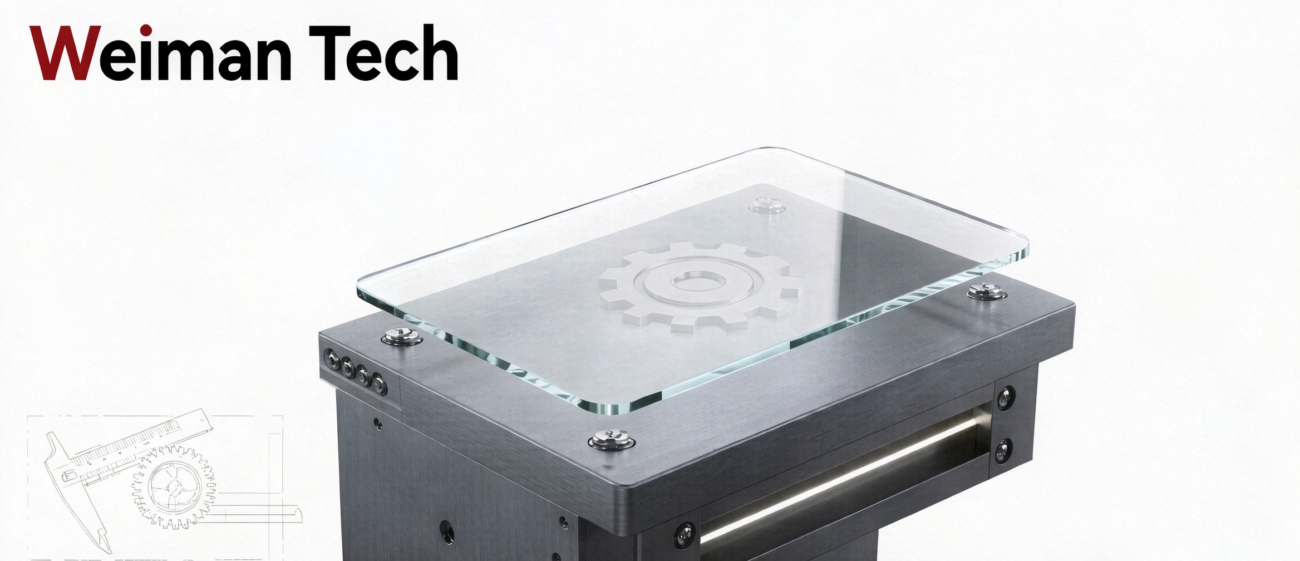
Strengthened glass is designed to provide improved mechanical durability, surface resistance and reliability for demanding electronic applications. Depending on the glass material, thickness, shape and performance requirements, strengthened glass can be produced using chemical strengthening or thermal tempering.
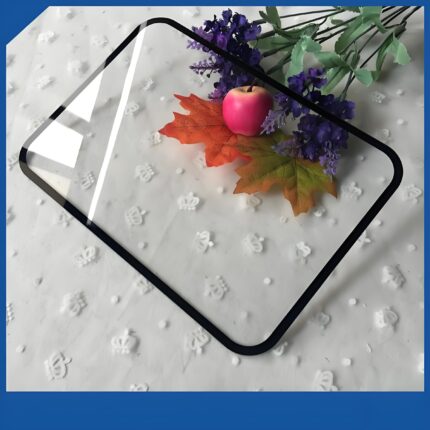
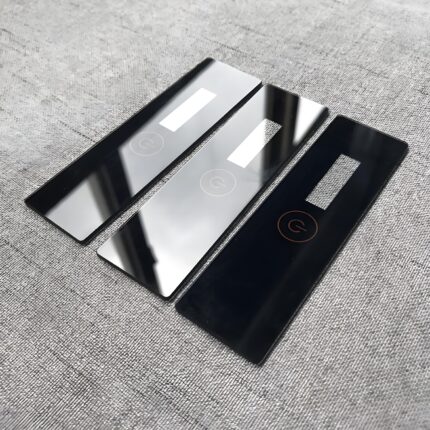
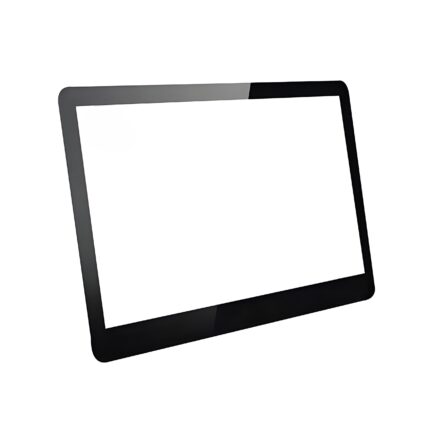
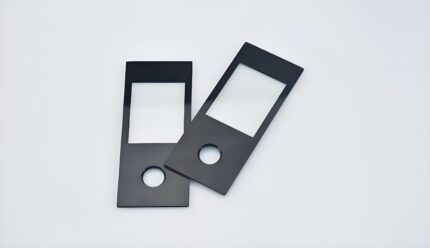
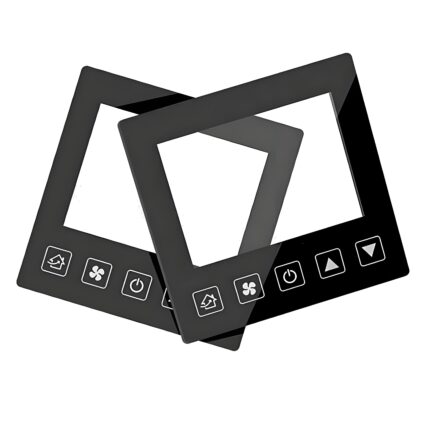
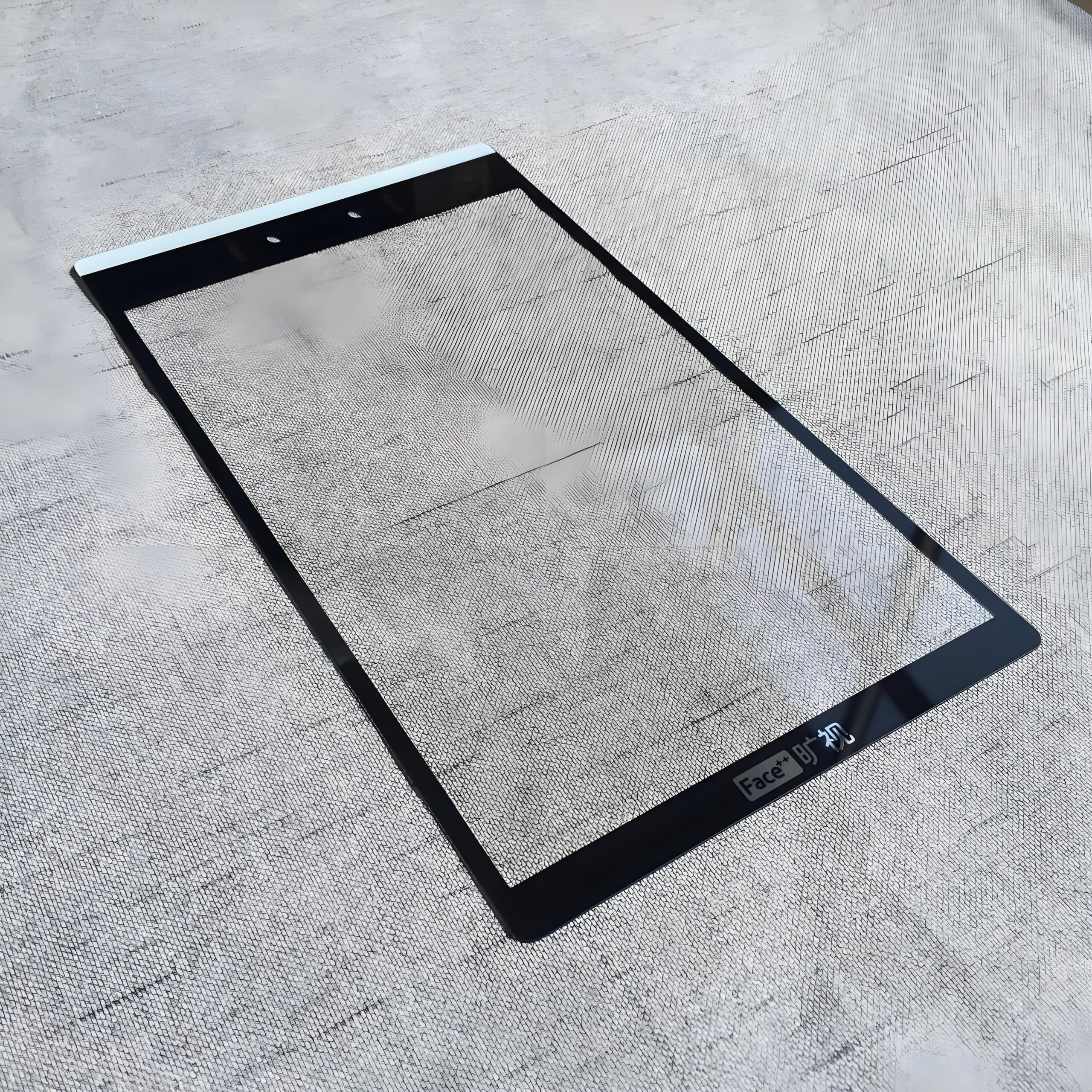
We provide custom strengthened glass for electronic displays, touchscreens, industrial control panels, automotive interfaces, POS terminals, household appliances and other electronic devices. Glass can be customized in thickness, dimensions, shape, edge processing, holes, cutouts and surface treatments according to customer drawings or samples.
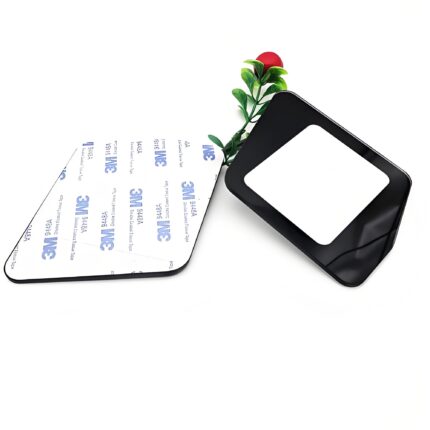
Our strengthened glass can also be combined with CNC machining, silk screen printing, AR, AG and AF coatings, adhesive bonding and other secondary processes to create complete OEM cover glass solutions.
Types of Strengthened Glass
Chemically Strengthened Glass
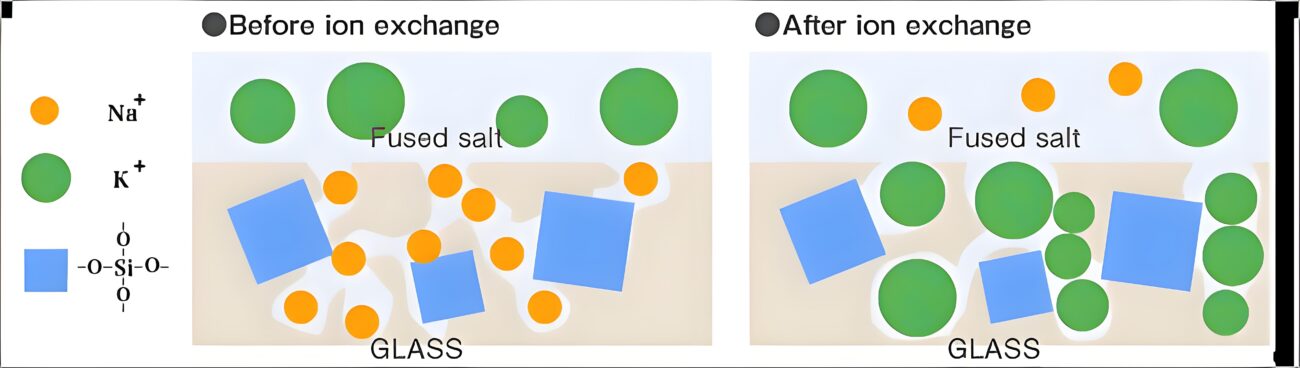
Chemical strengthening uses an ion-exchange process to create a compressive stress layer near the glass surface. It is particularly suitable for thin cover glass, precision shapes and applications where maintaining optical quality and a thin profile is important.
Typical applications:
- Thin display cover glass
- Touchscreen cover glass
- Consumer electronics
- Automotive displays
- Industrial HMI
- Medical displays
Thermally Tempered Glass
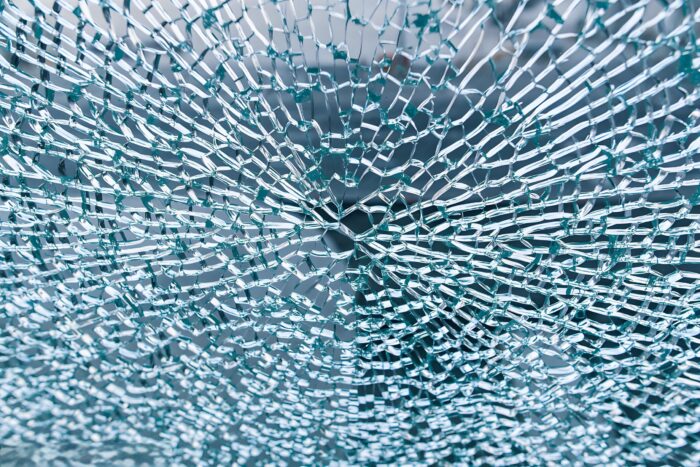
Thermal tempering uses controlled heating and rapid cooling to create a stress structure within the glass. It can be suitable for thicker glass and applications requiring increased mechanical and thermal resistance.
Typical applications:
Industrial control panels
Equipment displays
Touchscreen equipment
Automotive applications
Electronic devices
Appliance panels
Chemical Strengthening vs Thermal Tempering
| Feature | Chemical Strengthening | Thermal Tempering |
|---|---|---|
| Strengthening method | Ion exchange | Heating & rapid cooling |
| Thin glass | Excellent | Depends on thickness |
| Complex shapes | Suitable | Depends on design |
| Surface compression | High | Different stress structure |
| Optical quality | Excellent for suitable substrates | Depends on glass/process |
| Typical use | Thin cover glass | Thicker strengthened cover glass |
| CNC features | Suitable with proper process sequence | Depends on design |
| Best for | Thin precision displays | Impact-resistant applications |
Strengthened Glass Specifications
| Specification | Options |
|---|---|
| Glass Type | Chemically Strengthened / Thermally Tempered |
| Material | Aluminosilicate / Soda-Lime / Other Suitable Glass |
| Thickness | Customized |
| Size | Customized |
| Shape | Rectangle / Round / Custom |
| Edge | Ground / Polished / Chamfered |
| CNC | Holes / Slots / Cutouts |
| Printing | Silk Screen Printing |
| Coatings | AR / AG / AF |
| Surface | Clear / Anti-Glare / Anti-Reflective |
| Bonding | OCA / VHB / Adhesive Tape |
| Production | Prototype / Mass Production |
What’s The Applications?

Strengthened Glass Applications
- Electronic Displays
- Touchscreen Devices
- Industrial HMI Panels
- Automotive Displays
- POS Terminals
- Consumer Electronics
- Household Appliances
- Medical Devices
- Outdoor Electronic Equipment
What Processes Can Be Selected On Strengthened Glass?
We’re not only offer bare glass but also offers:
Silk screen print:
Low temperature ink(Including UV resistant ink, usually 3mm below) and ceramic ink(usually 3mm above with thermal tempering).
Coatings:
AR(anti reflection, single each increase 3-4% transmittance)
AG(anti glare, roughness, haze and transmittance can be customized)
AF(anti fingerprint, spray cheaper but less durable and electroplating more durable but expensive than spray method).
Bonding: 3M tapes(Including VHB tape) and OCA tape(fully transparent), can be customized base on design.
Lamination: Except regular foils, explosion proof sheet also can be offered.
What Inspection Will Be Done On Strengthened Glass?
Except visual inspection, we also arrange:
For coating:
We will arrange transmittance test in different wavelengths for AR coating.
For AG coating, we will test the transmittance(VLT), haze and roughness(Ra) base on design to see if they’re under tolerances.
For AF coating, we will arrange water angle test to verify the coating effects and rubber test to check durablities.
For silk screen print:
We will arrange paint adhesion test and use colorimeter to verify if color difference under acceptable range, visual inspection for defectives.
Tempering test including CS, DOL and anti impact test.
FAQ
What is strengthened glass?
Strengthened cover glass is glass that has been processed to improve its mechanical performance and resistance to surface or impact damage. Depending on the application, strengthening can be achieved through chemical strengthening or thermal tempering.
What is the difference between chemically strengthened and thermally tempered glass?
Chemical strengthening uses ion exchange to create a compressive stress layer near the glass surface, while thermal tempering uses controlled heating and rapid cooling to create a stress structure within the glass.
Is strengthened cover glass suitable for electronic displays?
Yes. Strengthened cover glass can be used for display cover glass, touchscreens, industrial HMIs, automotive displays, POS terminals and other electronic devices.
Can strengthened cover glass be customized?
Yes. We support custom dimensions, thicknesses, shapes, holes, slots, edge processing, printing and surface treatments according to customer drawings or samples.
Can strengthened glass be coated?
Yes. AR, AG and AF coatings can be combined with strengthened glass depending on the application and required optical performance.
Can you provide OEM strengthened glass?
Yes. We provide OEM production from prototype to mass production, including cutting, CNC machining, strengthening, printing, coating, bonding and inspection.
Request a Strengthened Glass Quote
Send us your drawing, glass thickness, dimensions, material requirements and estimated quantity. Our engineering team can evaluate the appropriate strengthening method and provide a customized quotation.