+86-13925515590
 kleinma@aliyun.com

Ultra Thin Glass (UTG) for Foldable Displays
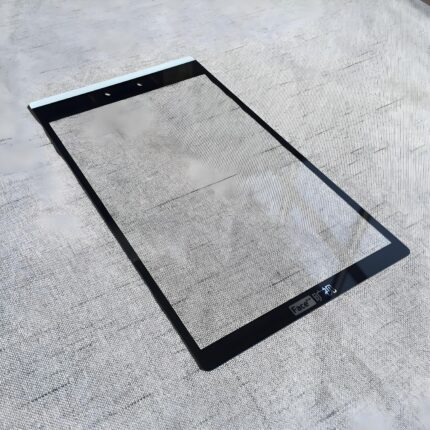
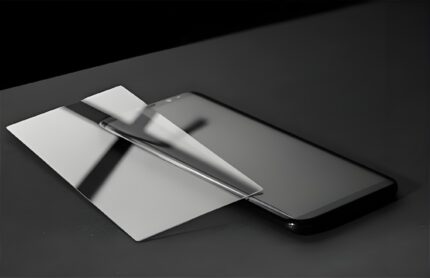
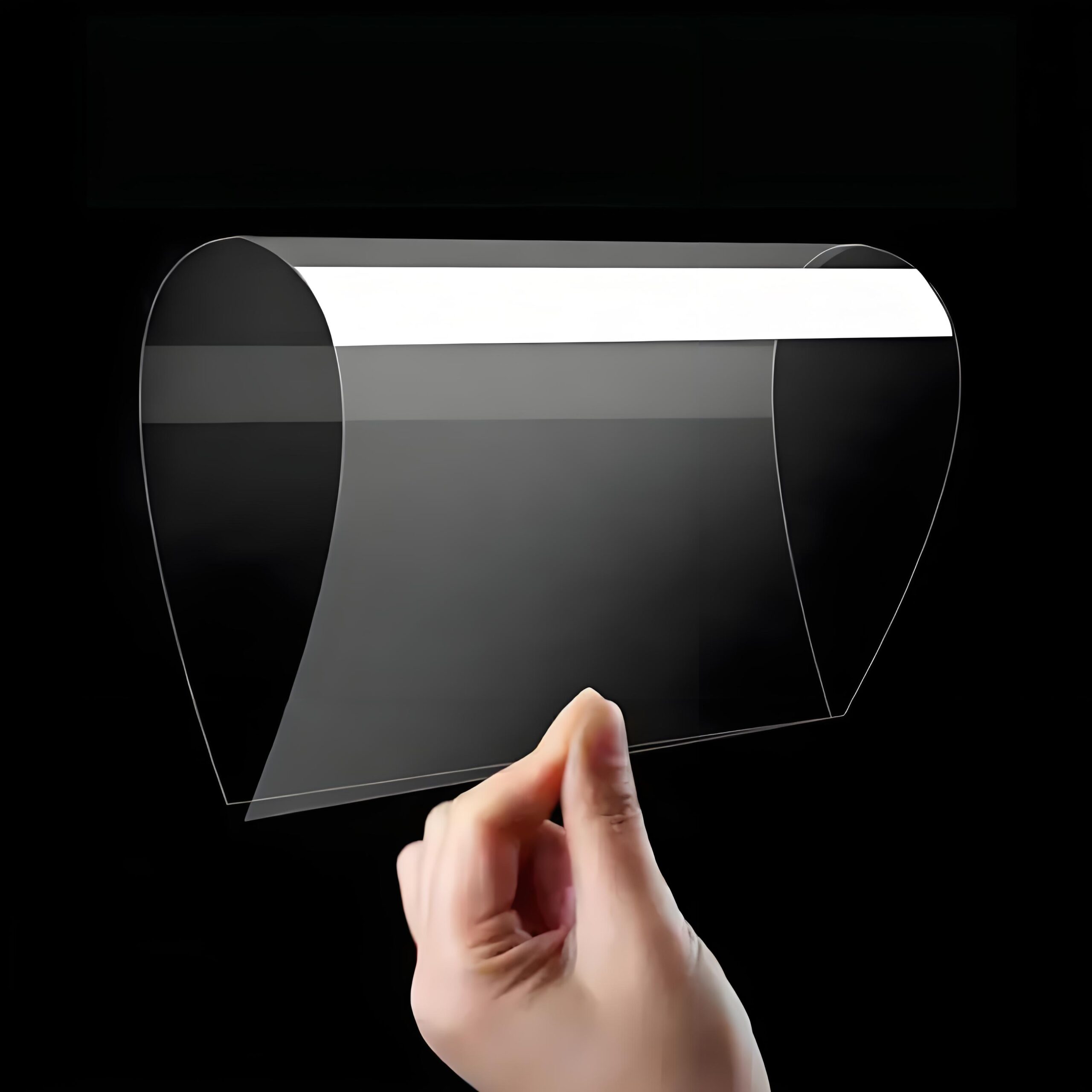
Flexible ultra-thin glass(UTG) from 0.03mm for foldable displays, wearables and flexible touch panels, with chemical strengthening and custom processing.
Flexible Ultra-Thin Glass (UTG) for Foldable Displays
Introduction
Our Ultra Thin Glass (UTG) is available from 0.03mm to 0.1mm for foldable displays, flexible touch panels, wearable devices and other applications requiring thin, lightweight and flexible cover glass.
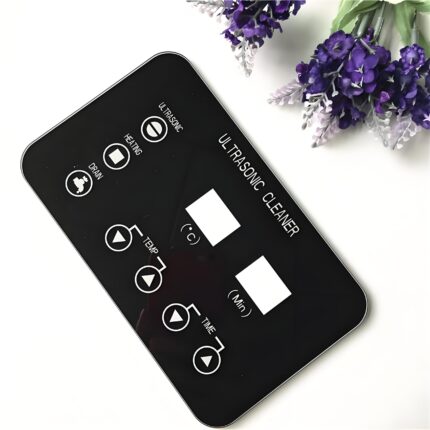
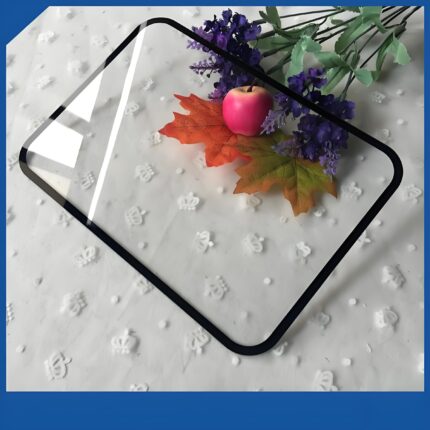
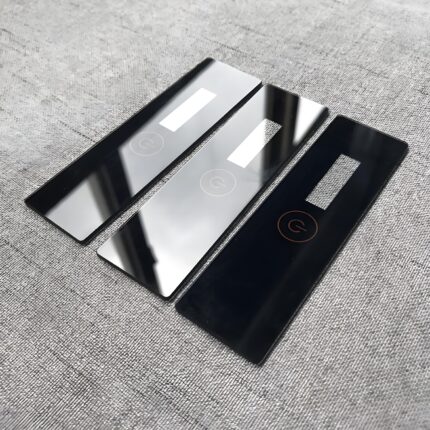
We provide custom UTG glass OEM solutions, including custom dimensions, shapes, edge processing, chemical strengthening, coatings, printing and bonding according to your application requirements.
Designed for demanding flexible-display applications, UTG combines the optical clarity and surface hardness of glass with the flexibility required for repeated bending.
The demand for Flexible Ultra-Thin Glass (UTG) has surged with the rise of foldable smartphones, tablets, and wearable devices. As a chemically strengthened cover material, it provides high surface durability, optical clarity and flexibility, making it the another choice for next-generation foldable displays. Unlike traditional glass, Ultra-Thin Glass can bend repeatedly without cracking, ensuring long-term reliability in flexible electronics.
This product description explores the key features, benefits, and applications of Flexible UTG, explaining plastic-based alternatives and standard tempered glass.
Custom UTG Glass OEM Services
We support customized (UTG)Ultra Thin Glass solutions for OEM and ODM display applications.
Available customization options include:
- Glass thickness from 0.03mm and above
- Custom length and width
- Custom shapes and cutouts
- Edge processing
- Chemical strengthening
- Anti-fingerprint (AF) coating
- Anti-reflective (AR) coating
- Anti-glare (AG) treatment
- Optical bonding
- Silk-screen printing
- Prototype and production quantities
For your project, please provide the required glass thickness, dimensions, bending radius, display type and annual volume. Our engineering team can recommend a suitable UTG configuration and provide samples for evaluation.

What is Ultra-Thin Glass (UTG)?
It’s a specialized type of glass with a thickness typically ranging from 30 to 100 micrometers (µm). It is manufactured using a precise down-draw or float glass process, followed by chemical strengthening to enhance its durability.
Key Characteristics:
Extremely thin yet strong (comparable to polymer films but with superior hardness)
Designed for repeated bending in foldable display applications. Bend-cycle performance can be customized and validated according to the customer’s device design and testing requirements.
Optically clear (better light transmission than plastic alternatives)
Surface hardness: ≥6H pencil hardness, depending on glass thickness and strengthening specification.
Ultra-Thin Glass is increasingly used in foldable smartphones, rollable TVs, and flexible wearables, replacing traditional plastic covers like polyimide (PI) due to its premium feel and enhanced durability.
Why Choose Chemically Strengthened UTG?
The chemical strengthening process involves immersing Ultra-Thin Glass in a molten potassium nitrate (KNO₃) bath, creating a compressive stress layer on the surface. This makes the glass:
More shatter-resistant than thermally tempered glass
Thinner yet stronger, ideal for lightweight foldable devices
Better touch sensitivity (no air gaps, unlike laminated plastic films)
Compared to plastic-based covers, chemically strengthened custom UTG glass OEM offers:
✔ Higher scratch resistance (no visible wear after prolonged use)
✔ Superior optical clarity (no yellowing or haze over time)
✔ Smoother surface (better stylus and finger touch response)
Technical Specifications
| Parameter | Specification |
|---|---|
| Glass Type | Ultra Thin Glass (UTG) |
| Thickness | 0.03–0.10mm |
| Glass Type | Chemically Strengthened Glass |
| Application | Foldable & Flexible Displays |
| Surface Treatment | Chemical Strengthening / AF / AR / AG |
| Shape | Custom |
| Dimension | Custom |
| Edge Processing | Custom |
| Optical Requirements | Custom |
| Bending Requirement | Application dependent |
| OEM Service | Available |
Applications of Flexible UTG for Foldable Displays

Flexible Ultra-Thin Glass is revolutionizing the display industry, particularly in:
Foldable Smartphones
Leading brands like Samsung, Huawei, and Motorola use chemically strengthened UTG in their foldable phones (e.g., Galaxy Z Fold, Mate X) for a premium glass-like feel without sacrificing flexibility.
Rollable & Bendable TVs
LG and TCL have showcased rollable OLED TVs with Ultra-Thin Glass as the top layer, ensuring durability while maintaining ultra-thin form factors.
Wearable Devices
Smartwatches and AR/VR glasses benefit from glass’ lightweight and flexibility, enabling curved displays without compromising strength.
Advantages Over Plastic-Based Alternatives
While polyimide (PI) films were initially used in foldable screens, the glass has become the superior choice due to:
| Property | Flexible UTG Glass | CPI Film |
|---|---|---|
| Surface Hardness | Higher scratch resistance | Generally lower surface hardness |
| Optical Clarity | High optical clarity | High optical clarity, depending on grade |
| Surface Feel | Glass-like | Polymer-like |
| Flexibility | Suitable for repeated folding | Excellent flexibility |
| Chemical Resistance | High, depending on glass composition | Depends on polymer formulation |
| Application | Foldable displays, flexible cover glass | Flexible and foldable displays |
| Key Advantage | Glass-like surface performance | Extreme flexibility |
FAQ
Q1: How do we know if the glass applicable to our applications?
A1: UTG (Ultra Thin Flexible Glass) is mainly applied for foldable phone displays, wearable devices, flexible touch panels and optical cover lenses. Its ultra‑thin property enables repeated bending while maintaining high light transmittance and surface hardness. If your product among them, just contact us.
Q2:What is the difference between UTG glass and CPI film?
A2:It is real thin glass with better scratch resistance, high optical clarity and anti‑aging performance.
CPI is polymer film. UTG outperforms CPI on surface hardness, yet CPI has advantages in extreme bending radius.
They are two mainstream cover materials for flexible screens.
Q3:How thin is the glass?
A3:Commercial the glass normally ranges from 0.03 mm to 0.1 mm in thickness.
Ultra thin thickness supports flexible bending, meanwhile chemical tempering treatment improves its impact resistant performance for end product usage.
Q4:Can UTG be supplied with AF or AR coatings?
A4:Yes, both applicable at single side or double sides.
Q5:Can UTG glass be chemically strengthened?
A5:Yes, it’s benefit to improve the durabilities.
Q6:Can you provide custom-shaped UTG glass?
A6:Yes, base on your design drawing.
Q7:Can UTG be supplied with chemical strengthening and coatings?
A7:Yes, both applicable in UTG glass.