+86-13925515590
 kleinma@aliyun.com

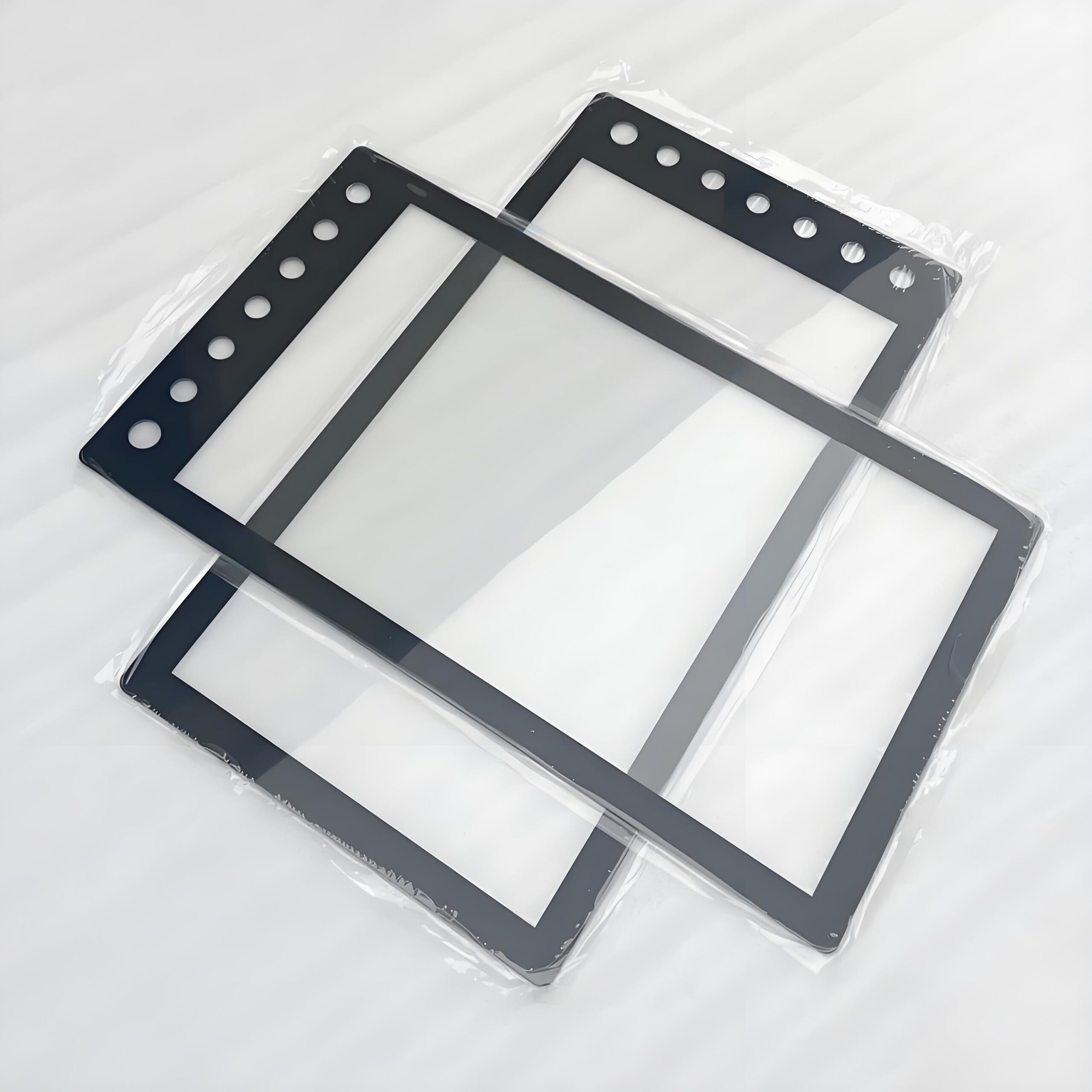

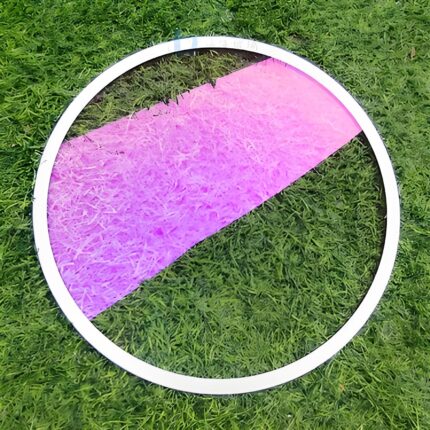
Chemically Strengthened Glass for Electronic Displays
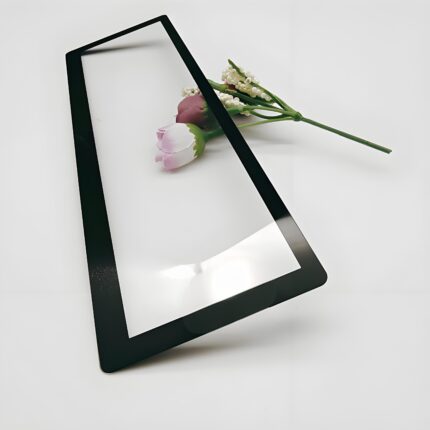
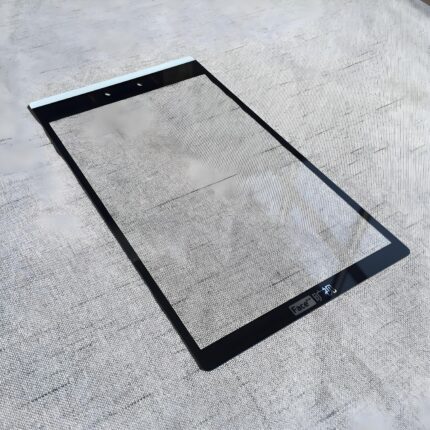
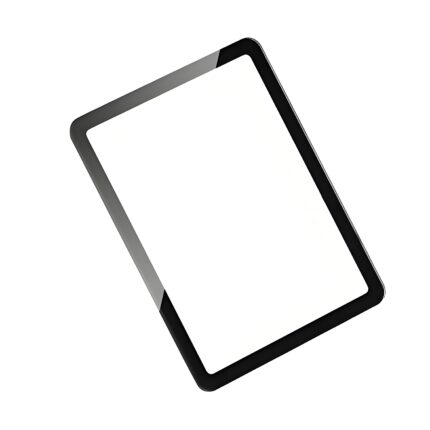
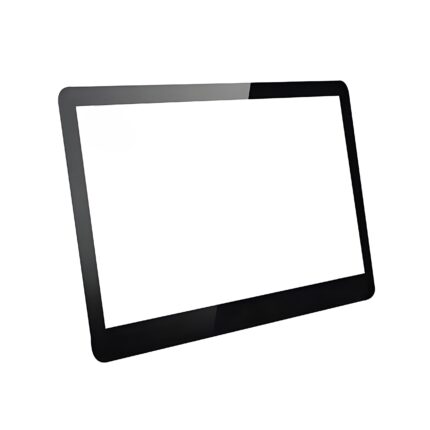
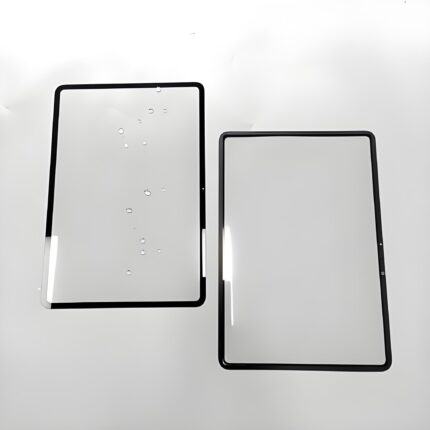
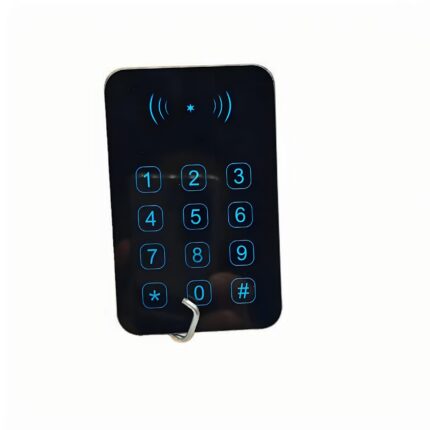
This high-performance Chemically Strengthened Glass offers exceptional optical clarity and superior strength through an advanced chemical strengthening process. It features excellent impact and scratch resistance, making it ideal for high-end displays, touch screens, and protective covers. With its ultra-smooth surface and outstanding durability, it ensures reliable performance in consumer electronics, medical devices, and industrial applications. Custom sizes, thicknesses, and coatings are available to meet specific requirements.
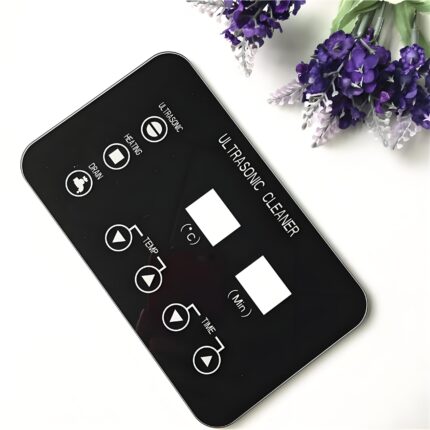
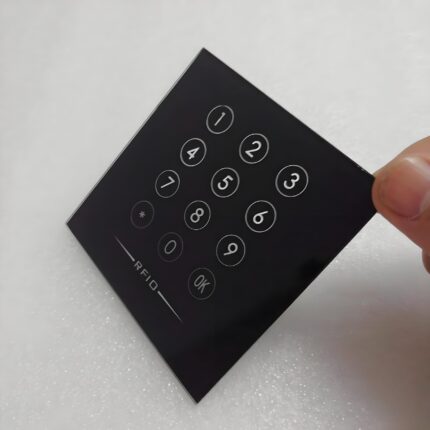
We manufacture chemically strengthened glass for electronic displays, touchscreens, industrial HMIs, automotive interfaces, consumer electronics, medical devices and other applications requiring improved surface strength and durability. Our chemically strengthened glass is produced through an ion-exchange process and can be customized in material, thickness, dimensions, shape, CNC features, edge finishing, silk screen printing and AR/AG/AF coatings. OEM production is available according to customer drawings, technical specifications and application requirements.
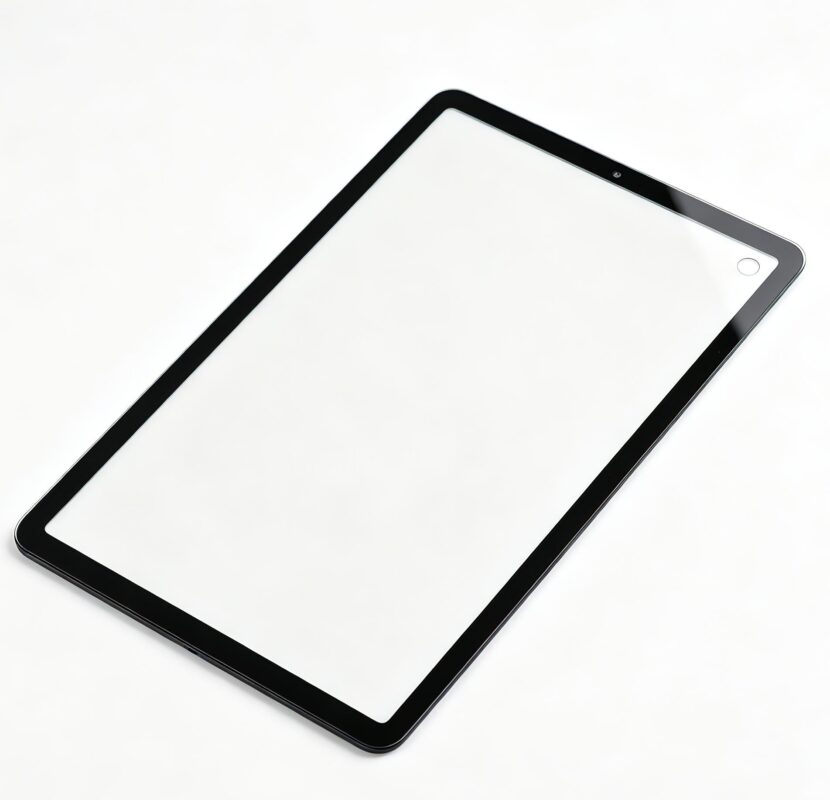
What Is Chemically Strengthened Glass?
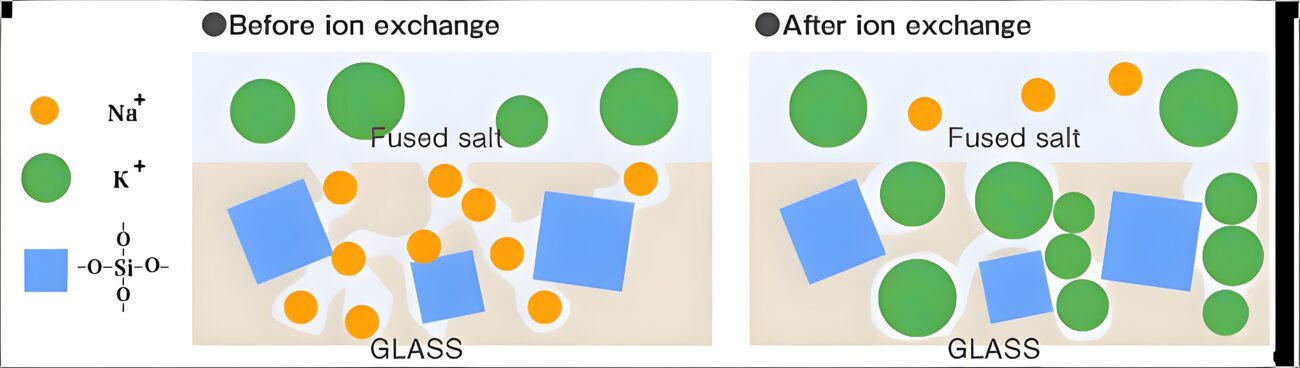
Chemically strengthened glass is glass that has been strengthened through an ion-exchange process. During chemical strengthening, smaller ions near the glass surface are exchanged with larger ions from a molten salt bath. This creates a compressive stress layer near the surface, improving resistance to surface damage and mechanical stress.
Unlike thermal tempering, chemical strengthening can be used for relatively thin glass while maintaining the original glass shape and optical characteristics. The suitable strengthening parameters depend on the glass composition, thickness, dimensions and required performance.
Chemical Strengthened Glass Manufacturing Process

1. Glass Cutting
Cut glass substrates according to customer drawings and required dimensions.
2. CNC Machining
CNC processing for holes, slots, notches, curved edges and other custom features.
3. Edge Processing
Grinding, polishing, chamfering or other specified edge treatments.
4. Chemical Strengthening
Ion-exchange treatment is performed according to the selected glass material, thickness and required strengthening specifications.
5. Silk Screen Printing
Custom black borders, logos, markings and other printed patterns can be produced according to artwork.
6. AR / AG / AF Coatings
Surface treatments can be added according to optical, anti-glare and fingerprint-resistance requirements.
7. Cleaning & Inspection
Ultrasonic cleaning and final quality inspection are performed according to the agreed specifications.
Chemically Strengthened Glass Specifications
| Specification | Options |
|---|---|
| Glass Material | Aluminosilicate, chemically strengthenable glass |
| Thickness | Custom |
| Shape | Rectangle, round, irregular |
| Dimensions | Custom |
| CNC Features | Holes, slots, cutouts |
| Edge Processing | Grinding, polishing, chamfering |
| Strengthening | Chemical ion exchange |
| Printing | Silk screen printing |
| Coatings | AR / AG / AF |
| Cleaning | Ultrasonic cleaning |
| Inspection | Dimensional, appearance, optical and process-specific inspection |
Glass Materials for Chemical Strengthening
Chemical Strengthened Glass vs Tempered Glass for Display Cover Glass
Applications of Chemically Strengthened Glass
Electronic Display Cover Glass
Touchscreen Cover Glass
Industrial HMI Panels
Automotive Displays
Consumer Electronics
Medical Equipment
POS Terminals
Household Appliance Displays
Camera & Imaging Devices
Outdoor Electronic Equipment
Chemically Strengthened Glass Quality Inspection
Glass thickness
Dimensions
CNC holes and slots
Edge condition
Surface appearance
Printing
Coating performance
Strengthening specifications
Optical requirements
Frequently Asked Questions For Chemically Strengthened Glass
What is chemically strengthened glass?
Chemically strengthened glass is glass that has been strengthened through an ion-exchange process. Smaller ions near the glass surface are exchanged with larger ions, creating a compressive stress layer that improves surface strength and resistance to mechanical damage. It is commonly used for thin cover glass, display panels, touchscreens, and other electronic applications.
How does chemical strengthening work?
During chemical strengthening, the glass is immersed in a molten salt bath under controlled process conditions. Ion exchange takes place near the glass surface, forming a compressive stress layer. The required treatment conditions depend on the glass composition, thickness, dimensions, and performance requirements of the application.
Is chemically strengthened glass suitable for thin cover glass?
Yes. Chemical strengthening is particularly suitable for thin glass where increased mechanical strength is required without relying on thermal tempering. It can be used for thin display cover glass, touchscreen panels, portable electronics, control interfaces, and other applications where thickness and durability are important.
What glass materials can be chemically strengthened?
Common options include aluminosilicate glass and other glass compositions specifically designed for ion-exchange strengthening. The suitable material depends on the required thickness, optical performance, strength, thermal conditions, and application requirements. We can recommend a suitable glass material based on your project specifications.
Can chemically strengthened glass be CNC machined?
Yes. CNC machining can be used to produce custom holes, slots, cutouts, contours, and other features. For best results, machining and edge processing requirements should be considered as part of the overall manufacturing process, particularly when chemical strengthening is required.
Can chemically strengthened glass be combined with AR, AG and AF coatings?
Yes. Chemically strengthened glass can be combined with surface treatments such as AR (anti-reflective), AG (anti-glare), and AF (anti-fingerprint) coatings when the glass, coating system, and application requirements are compatible. Coating specifications can be customized according to optical performance, surface requirements, and the intended application.
Request a Chemically Strengthened Glass Quote
Have a thin display, touchscreen or electronic glass project requiring chemical strengthening?
Send us your drawing or technical requirements for an engineering review.
Please provide:
- Glass material
- Glass thickness
- Overall dimensions
- Glass shape
- CNC holes or slots
- Edge requirements
- Chemical strengthening requirements
- Printing requirements
- AR / AG / AF coating requirements
- Prototype quantity
- Estimated production volume
Our engineering team can review the glass design and proposed manufacturing process before quotation and sample production.