+86-13925515590
 kleinma@aliyun.com

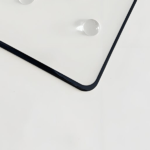
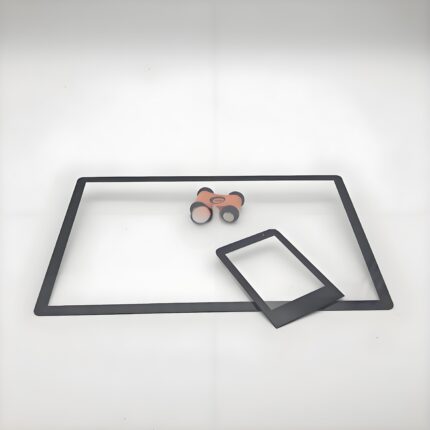
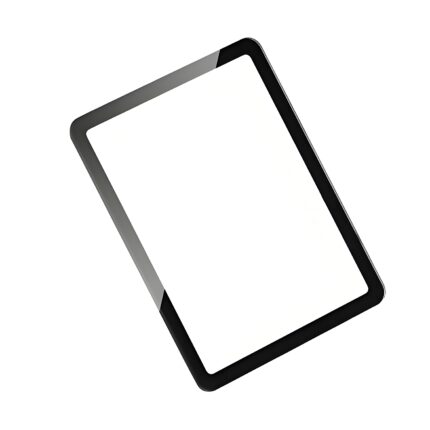
Advanced Electronic Cover Glass | Custom OEM Manufacturer
Advanced Electronic Cover Glass for OEM Display Applications
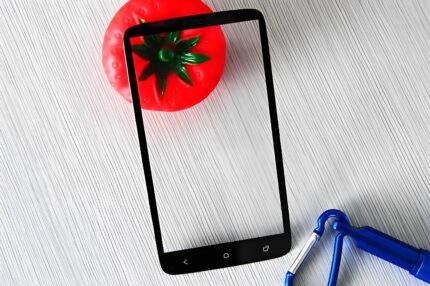
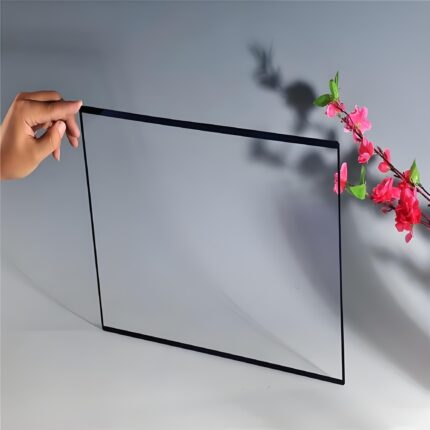
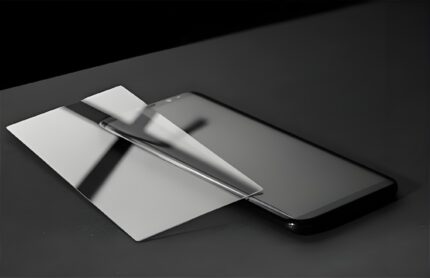
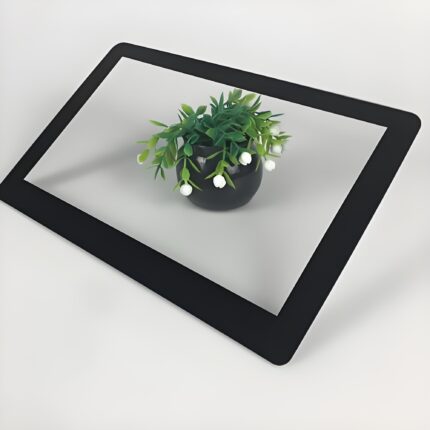
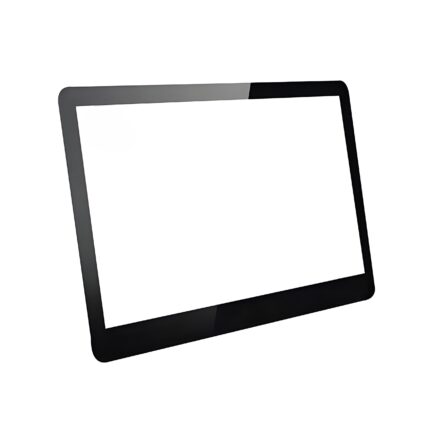
WM Cover Glass manufactures custom advanced electronic cover glass for OLED, LCD, AMOLED, touchscreen and other electronic display applications.
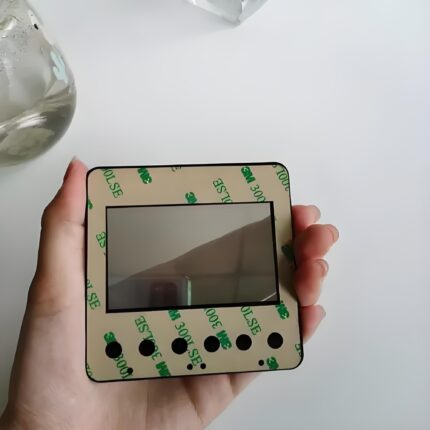
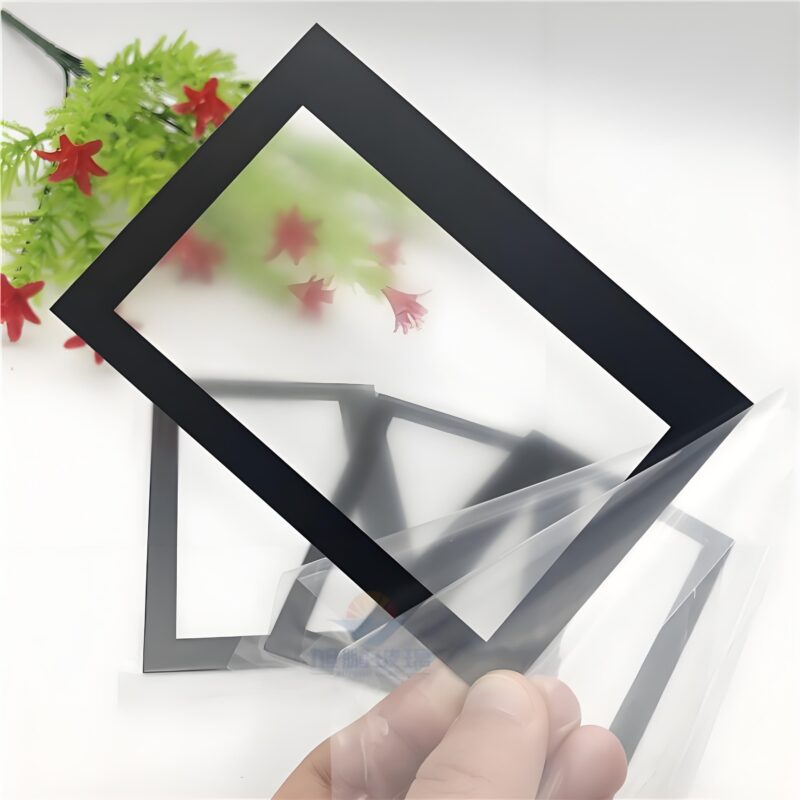
Our advanced electronic cover glass can be customized according to customer drawings and application requirements, including glass material, thickness, dimensions, shape, holes, cutouts, edge processing, printing, surface coatings and strengthening.
Available materials include aluminosilicate glass and soda lime glass. Depending on the application and glass thickness, we can provide chemical strengthening or thermal tempering to improve mechanical durability.
Our in-house processing capabilities include precision cutting, CNC machining, edge processing, silk screen printing, chemical strengthening, thermal tempering, AR/AG/AF coatings, adhesive bonding and lamination.
From prototypes to volume production, we provide OEM and ODM manufacturing for consumer electronics, automotive displays, industrial equipment and medical devices.
Advanced Electronic Cover Glass Manufacturing Process
We provide integrated processing for advanced electronic cover glass, from glass cutting and precision machining to strengthening, printing, coating and final inspection.
Glass Cutting → CNC Machining → Edge Processing → Strengthening → Silk Screen Printing → AR/AG/AF Coating → Cleaning → Bonding/Lamination → Quality Inspection → Packaging
1. Precision Glass Cutting
Glass sheets are cut according to the required dimensions and product design.
2. CNC Machining
CNC processing is available for holes, slots, notches, cutouts and customized glass profiles.
3. Edge Processing
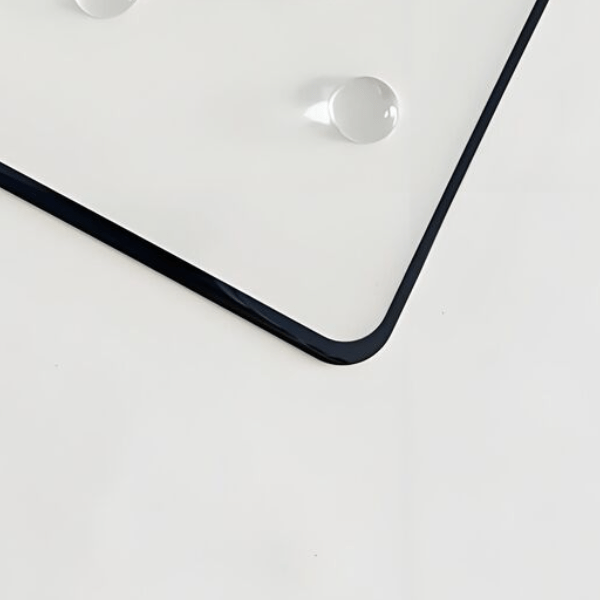
Edges can be ground, chamfered or polished according to the application and assembly requirements.
4. Chemical Strengthening or Thermal Tempering
The appropriate strengthening process is selected according to glass material, thickness and application requirements.
5. Silk Screen Printing
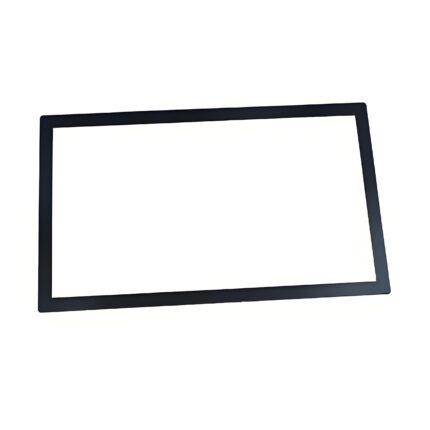
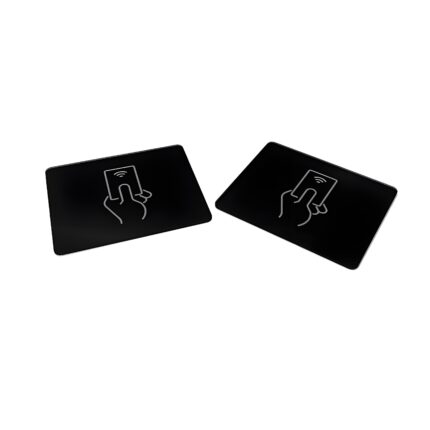
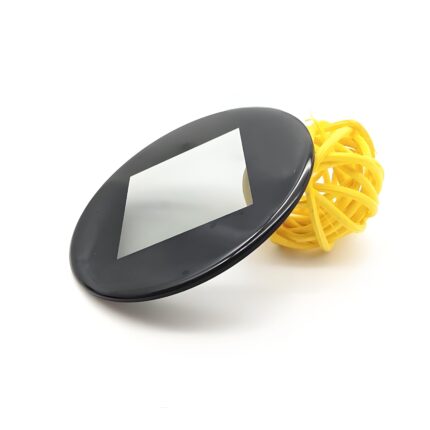
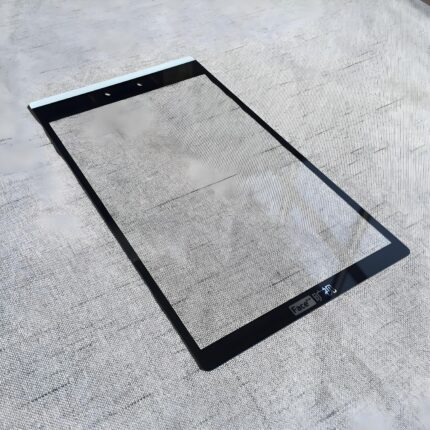
Custom black borders, logos, icons and other graphics can be printed using suitable glass printing processes.
6. AR, AG & AF Coatings
Functional coatings can be applied to improve optical performance, reduce glare or provide anti-fingerprint properties.
7. Cleaning
Precision cleaning is performed to remove particles, dust and processing residues before final inspection and assembly.
8. Optical Bonding & Lamination
3M tape, OCA and other bonding solutions can be provided according to the customer’s assembly requirements.
9. Quality Inspection
Finished glass is inspected for dimensions, surface defects, edge quality, printing, coating and other customer-defined specifications.
10. Packaging
After final inspection, the glass is individually protected and securely packaged for shipment.
Application-Specific Solutions
Smartphone and Tablet Displays
0.5mm ultra-thin options
Edge-to-edge coverage
Under-display camera compatibility
Automotive Displays
Vibration-resistant formulations
Anti-glare and anti-fingerprint
Heated glass options
Industrial and Medical Equipment
Anti-microbial surfaces
Enhanced chemical resistance
EMI shielding capabilities
Technical Specifications
| Specification | Custom Options |
|---|---|
| Glass Material | Aluminosilicate / Soda Lime |
| Thickness | 0.3–3.0 mm* |
| Size & Shape | Custom |
| Strengthening | Chemical Strengthening / Thermal Tempering |
| CNC Processing | Holes / Slots / Cutouts / Edges |
| Surface Treatment | AR / AG / AF |
| Printing | Silk Screen / Black Border / Logo |
| Bonding | 3M Tape / OCA |
| Applications | OLED / LCD / Touchscreen / Industrial Display |
FAQ
What is advanced electronic cover glass?
Advanced electronic cover glass is a customized protective glass component designed for demanding electronic displays, including OLED, LCD, AMOLED and touchscreen applications.
What glass materials are available?
We provide aluminosilicate and soda lime glass options. Material selection depends on the required thickness, strength, optical performance and application.
Can advanced electronic cover glass be customized?
Yes. We support custom dimensions, thickness, shapes, holes, cutouts, printing, coatings, strengthening and bonding according to customer drawings.
What processing services do you provide?
Our processing capabilities include glass cutting, CNC machining, edge processing, chemical strengthening, thermal tempering, silk screen printing, AR/AG/AF coatings, cleaning and adhesive bonding.
Is chemical strengthening available?
Yes. Chemical strengthening is available for suitable glass materials and thicknesses where enhanced surface strength and durability are required.
Can you manufacture prototypes and mass production orders?
Yes. We support OEM and ODM projects from prototype development to volume production according to project requirements.
Request a Quote for Advanced Electronic Cover Glass
Looking for a reliable OEM manufacturer for your advanced electronic cover glass project?
WM Cover Glass provides customized cover glass for OLED, LCD, AMOLED, touchscreen, automotive, consumer electronics and industrial display applications.
Send us your drawing or project requirements. Our team can help evaluate the suitable glass material, thickness, strengthening, machining, printing and coating options.
Please Provide
- Glass material or preferred glass type
- Glass thickness
- Length × width or custom dimensions
- Glass shape and radius
- Holes, slots or cutouts
- Edge processing requirements
- Chemical strengthening or thermal tempering
- AR, AG or AF coating requirements
- Silk screen printing or black border requirements
- OCA or adhesive bonding requirements
- Estimated order quantity
- CAD drawing or technical drawing, if available
Don’t have a complete specification yet?
Simply send us your application, glass size, thickness and estimated quantity. We can recommend a suitable solution for your project.