+86-13925515590
 kleinma@aliyun.com

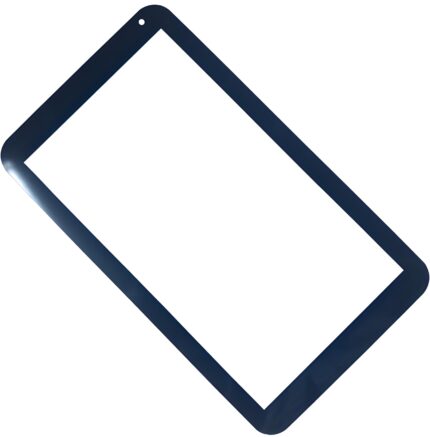
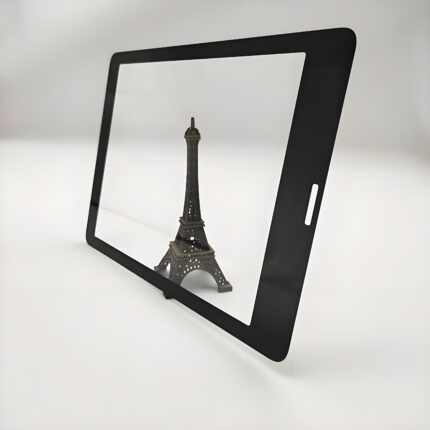
Custom Cover Glass Manufacturer for Electronic Displays
Custom Cover Glass for Electronic Displays
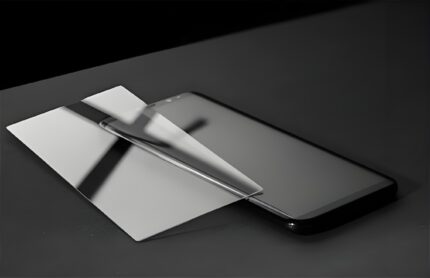
WM Cover Glass provides custom cover glass manufacturing for electronic displays, touchscreens, industrial control panels and consumer electronics. We manufacture to customer drawings, samples and project specifications.
Customization Options
- Glass materials: Soda-lime and aluminosilicate glass; other materials subject to project requirements.
- Dimensions and geometry: Custom outlines, holes, slots, edge profiles and thicknesses.
- Strengthening: Chemical strengthening or thermal tempering, depending on the selected glass material and design.
- Printing and coatings: Custom borders, logos, graphics, and compatible AR, AG or AF surface treatments.
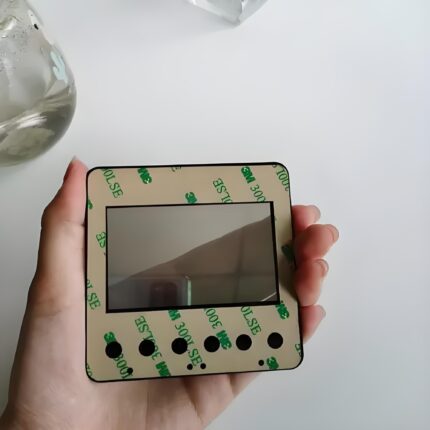
- Assembly options: Adhesive tape and OCA lamination, subject to design requirements.
OEM Support: Send us your drawing, sample or preliminary specifications for a manufacturing feasibility review and quotation.
Custom Cover Glass for Electronic Displays
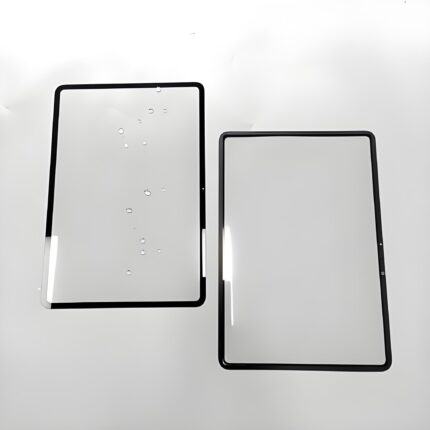
WM Cover Glass provides custom cover glass manufacturing solutions for electronic displays, touch panels, industrial equipment and consumer electronics. We manufacture OEM cover glass according to customer drawings with customized materials, thicknesses, shapes, CNC machining, silk screen printing, chemical strengthening, AR/AG/AF coatings and adhesive bonding.
Custom Cover Glass Manufacturing for Electronic Displays
Custom cover glass is designed around the dimensions, interface requirements and operating conditions of the finished electronic product. The glass outline is only one part of the specification: cutouts, edge profiles, printed areas, surface treatments and assembly methods must also match the device design.
WM Cover Glass supports OEM projects based on engineering drawings, customer samples or preliminary specifications. Our team reviews the requested material, geometry and finishing requirements before confirming manufacturing feasibility.
Custom Processing Options
Depending on the selected glass material and project specifications, available processing options may include:
- Glass cutting: Cutting glass blanks to the required outline.
- CNC machining and edge processing: Producing specified holes, slots, contours and edge finishes.
- Glass strengthening: Chemical strengthening or thermal tempering, where suitable for the selected substrate.
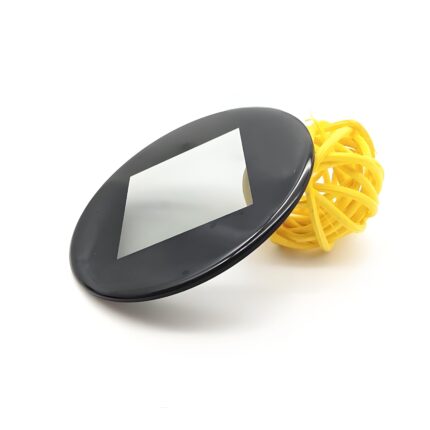
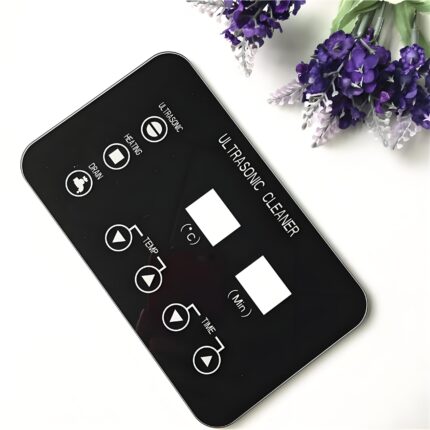
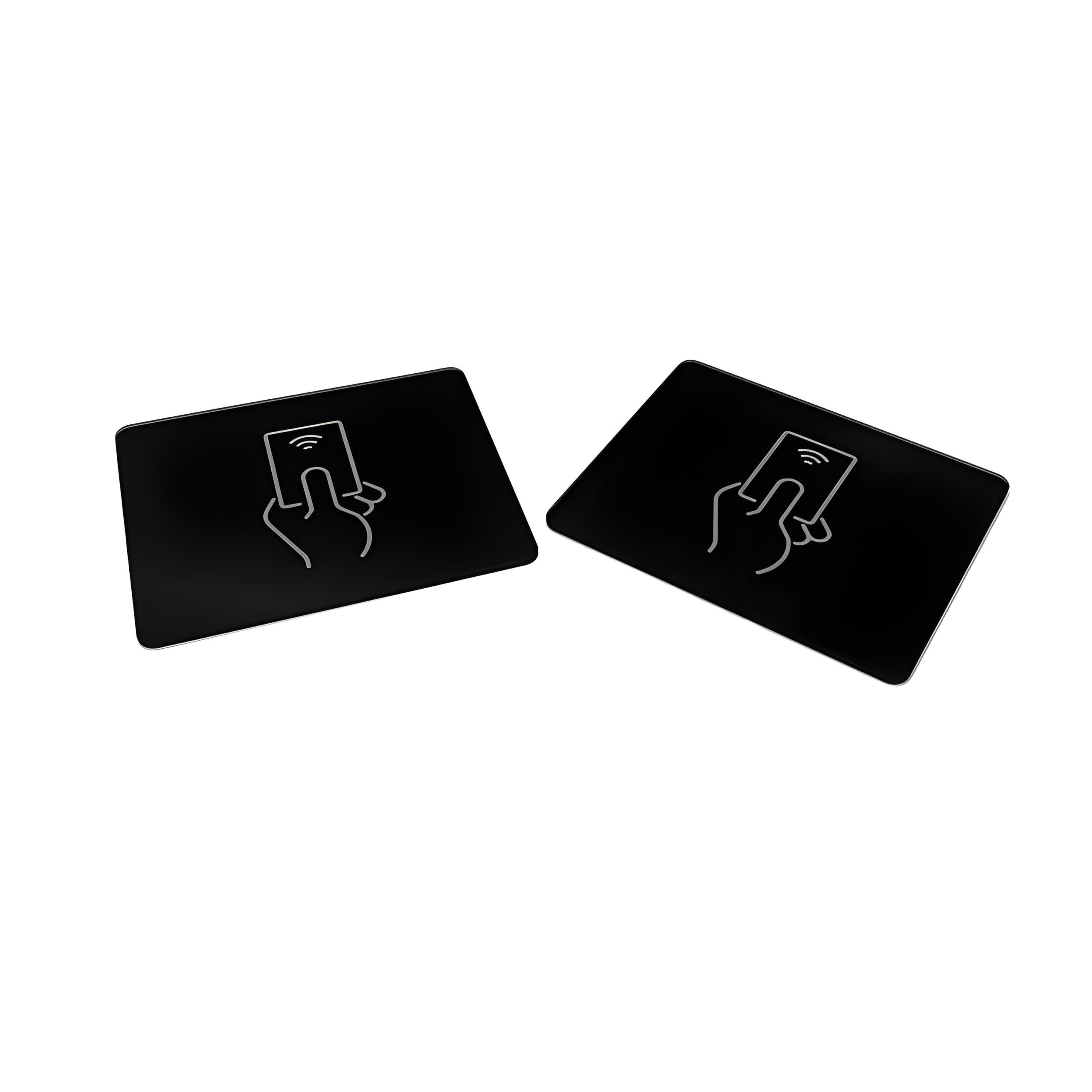
- Screen printing: Applying specified borders, logos, icons and other printed graphics.
- Surface treatments: Reviewing AR, AG and AF options according to optical, touch and environmental requirements.
- Adhesive bonding and lamination: Considering adhesive tape or OCA solutions where required by the device assembly.
The manufacturing route depends on the drawing, material, thickness, tolerances and required finish. Before production, critical dimensions and acceptance criteria should be agreed upon to help maintain consistency between batches.
For process details, see our pages on CNC Machining, Screen Printing for Cover Glass, Chemical Strengthening and Thermal Tempering, AR, AG and AF Coatings and Adhesive Bonding and OCA Lamination.
Why Choose Custom Cover Glass for Your Project?
Designed Around Your Product Drawing
A cover glass must fit the device it is designed for. Even a small difference in the outline, opening position or edge profile can affect assembly and the visible appearance of the finished product.
For OEM projects, the drawing review should cover more than the overall length and width. Important details may include:
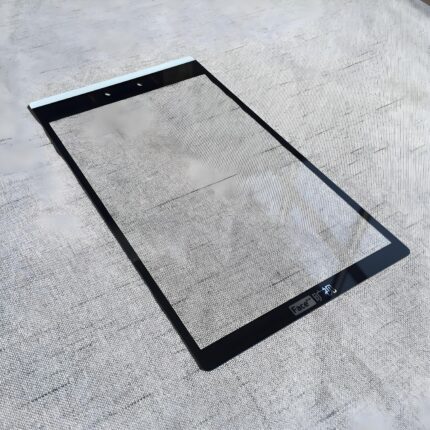
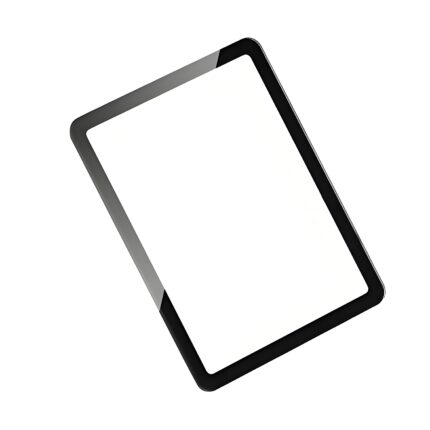
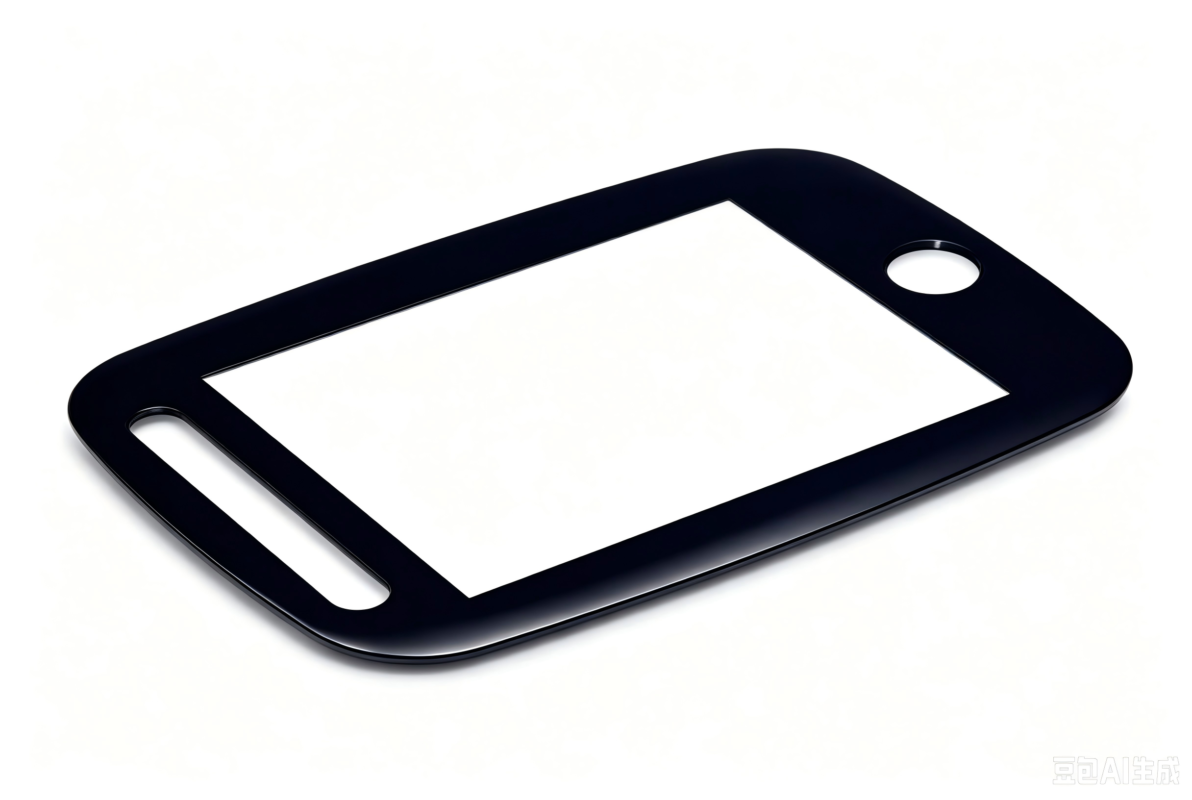
- Display viewing area and concealed borders
- Hole and slot locations for buttons, sensors or mounting features
- Edge profiles and corner geometry
- Critical dimensions and tolerance requirements
- Printed areas that must align with the display or housing
Providing a dimensioned drawing or sample helps establish the requirements before manufacturing begins.
Specifications Matched to the Application
Different devices have different priorities. An indoor operator panel may prioritize cost and dimensional fit, while an outdoor display may need additional consideration of glare, reflections, cleaning conditions and environmental exposure.
Rather than applying one standard specification to every project, we review the intended application alongside the requested glass material, thickness and surface finish. Where the requirements are not yet finalized, customers can provide the available design information for a preliminary review.
Clear Requirements for OEM Production
A successful custom glass order depends on having agreed specifications that can be checked throughout production. For repeat orders, documenting the approved drawing, material, appearance requirements and inspection criteria helps reduce ambiguity when the next batch is manufactured.
Our team can review these details with customers before quotation and production, subject to the project’s technical requirements and manufacturing feasibility.
Applications of Custom Cover Glass

The requirements for custom cover glass vary with the equipment it protects. Display size, viewing conditions, user interaction and the surrounding enclosure all influence the final glass specification.
Industrial HMI and Equipment Displays
Operator panels used in manufacturing equipment often combine a display window with touch controls, status indicators or printed labels. The cover glass may need custom openings, defined opaque borders and a shape that fits the equipment enclosure.
For these projects, provide the panel drawing and identify the areas that must remain transparent, printed or accessible.
Medical and Laboratory Equipment
Medical monitors, diagnostic instruments and laboratory devices may require clear viewing areas and surfaces compatible with their specified cleaning procedures. Glass selection should account for the device design and the cleaning agents or disinfection methods expected during use.
If the project has particular optical, chemical-resistance or regulatory requirements, include them in the initial specification. Suitability should be confirmed for the chosen glass and surface treatment.
Consumer and Smart-Home Electronics
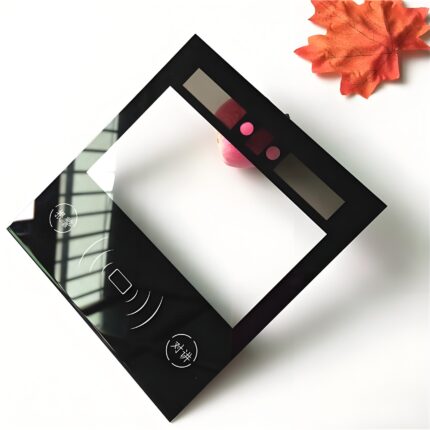
Control panels, smart-home interfaces and consumer devices often use custom cover glass as both a protective surface and part of the product’s visual design. Printed borders, logos, colored areas and carefully positioned viewing windows can help the glass fit the product’s appearance.
The required finish and geometry depend on the enclosure, display layout and intended user interaction.
Outdoor and Public-Facing Terminals
Outdoor control screens, kiosks and self-service terminals may face changing light conditions, frequent handling and exposure to the surrounding environment. Depending on the installation, the specification may need to address reflection control, surface cleaning, mounting details and environmental exposure.
Share the intended installation conditions when requesting a quotation so the material and finish can be reviewed for the application.
Custom Cover Glass Customization Options
A custom cover glass specification brings together several decisions that affect fit, appearance, assembly and manufacturing feasibility. The following options can be reviewed according to your product design.
1. Glass Material and Thickness
The appropriate glass material depends on the device requirements, design geometry, expected operating conditions and budget. Soda-lime and aluminosilicate glass may be considered for different applications, subject to the required specifications and material availability.
When requesting a quotation, indicate your preferred glass grade and thickness if known. If the material has not been selected, share the application and design requirements for a preliminary review.
Learn more about our Glass Materials options.
2. Shape, Openings and Edge Details
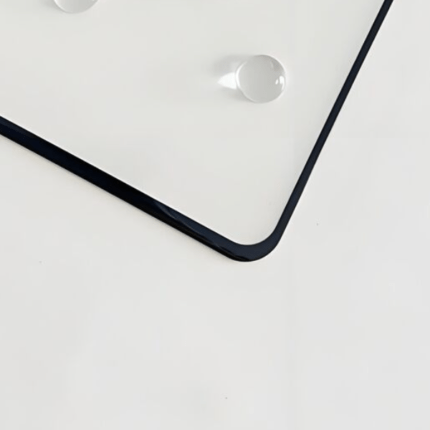
Custom glass parts may require a rectangular, rounded, curved or other drawing-defined outline. Depending on the design, the specification can also include mounting holes, slots, notches, corner radii and particular edge finishes.
Please provide a dimensioned drawing that identifies critical features and tolerances. Feasibility should be confirmed against the selected material and part geometry.
3. Printed Areas and Surface Finish
Printing can be used to define visible display windows, conceal internal components or apply logos and product graphics. Surface treatments may also be considered when the application has specific reflection, glare or fingerprint-related requirements.
The artwork, printed areas and required finish should be identified separately in the drawing or specification.
For further details, see our Screen Printing for Cover Glass and AR, AG and AF Coating Capabilities pages.
4. Bonding and Assembly Requirements
Some projects require the custom cover glass to be supplied with adhesive tape or integrated into a display assembly using optical bonding. The appropriate option depends on the device construction, bonding area, mating materials and assembly process.
If bonding is required, please provide the relevant assembly drawing and indicate whether the adhesive material has already been specified.
Learn more about Adhesive Bonding and OCA Lamination.
5. Project Quantity and Inspection Criteria
Prototype orders and repeat production may require different planning considerations. Please indicate the initial quantity, estimated ongoing demand and any special inspection requirements when requesting a quotation.
Where particular dimensional, visual or surface-quality criteria apply, they should be agreed upon before production.
Quality Inspection for Custom Cover Glass
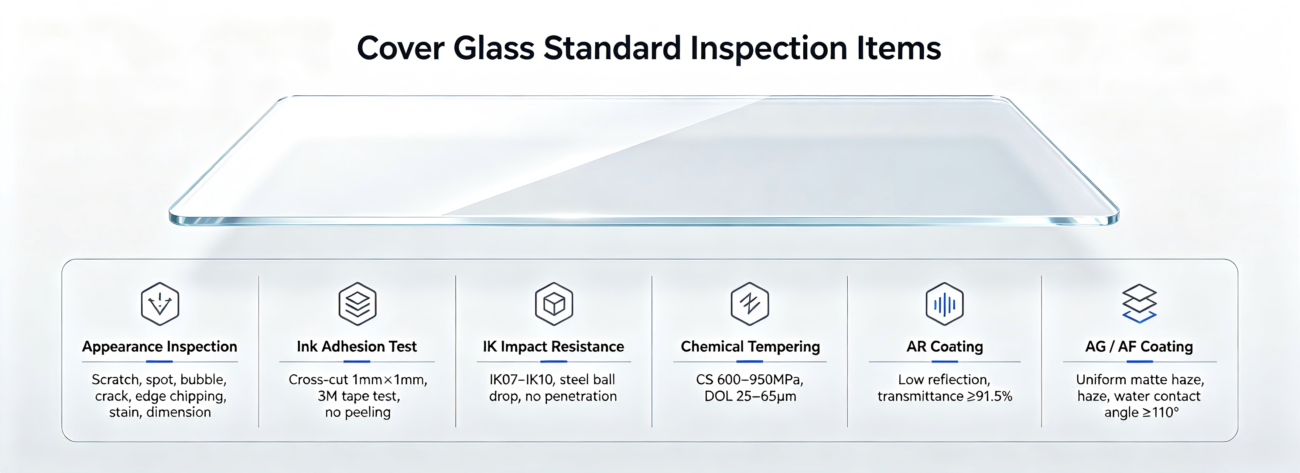
For custom cover glass, quality requirements should be defined according to the approved drawing, material specification and intended application. Inspection criteria may vary depending on the part geometry, surface finish, printing requirements and assembly needs.
Key Inspection Areas
- Dimensional inspection: Checking overall dimensions, thickness and specified critical features against the agreed drawing.
- Appearance inspection: Examining the glass surface for visible defects according to the agreed acceptance criteria.
- Edge and machining inspection: Reviewing processed edges, holes, slots and other machined features where applicable.
- Printing inspection: Checking printed areas, alignment, color and appearance against the approved artwork and specification.
- Coating inspection: Reviewing the specified surface finish and any agreed inspection requirements.
- Final verification: Confirming applicable product requirements before packaging and shipment.
Define Acceptance Criteria Before Production
Inspection standards should be agreed upon before production, especially for critical dimensions, visible surface defects, printed borders and optical requirements. If your project has a customer-specific inspection standard or requires documented test results, please include those requirements with your inquiry.
The applicable inspection methods depend on the product specification and project agreement. Tests such as impact resistance, chemical resistance or environmental testing should only be specified when required and when the corresponding testing arrangements have been confirmed.
For more details about our inspection approach, visit our Quality Inspection page.
Request a Quote for Custom Cover Glass
Looking for a custom cover glass supplier for an electronic display, touchscreen or industrial control project? Send us your drawing, sample or preliminary requirements for a project review.
We can review the requested specifications and discuss suitable manufacturing options based on the selected material, part geometry and application.
Information to Include in Your RFQ
- Application: Display type, device or equipment model
- Dimensions: Length, width, thickness and overall shape
- Technical drawing: Holes, slots, edge details and critical tolerances
- Material: Preferred glass grade, if specified
- Surface requirements: Printing, AR, AG or AF treatment, where applicable
- Order quantity: Prototype quantity and estimated production demand
- Assembly requirements: Adhesive tape, OCA lamination or other integration details
- Quality requirements: Applicable inspection criteria or required test documentation
If some specifications are not yet finalized, you can still send the information currently available and identify the items that need review.
Discuss Your Custom Cover Glass Project
Contact our team to discuss your requirements, request a quotation and review the feasibility of your custom glass design.