+86-13925515590
 kleinma@aliyun.com

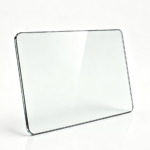
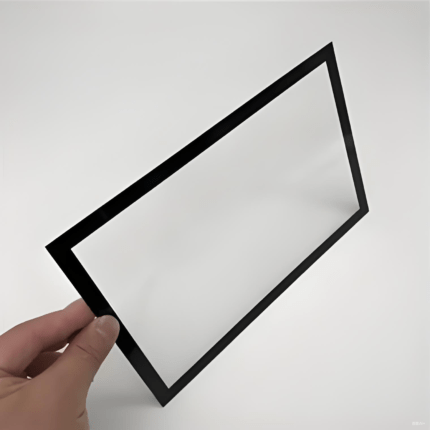
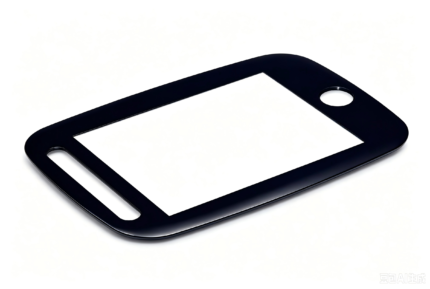
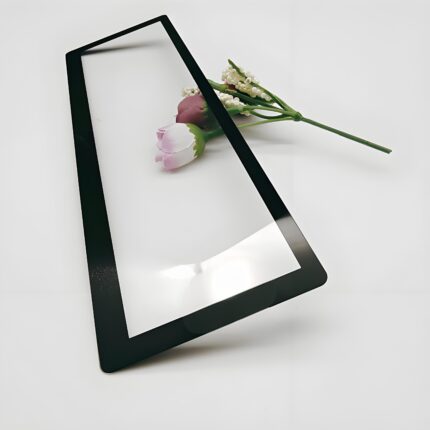
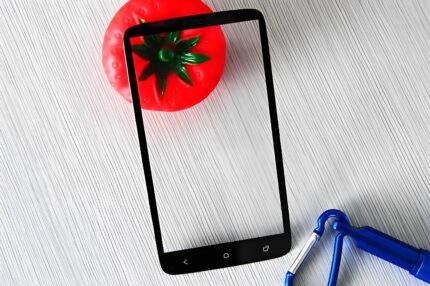
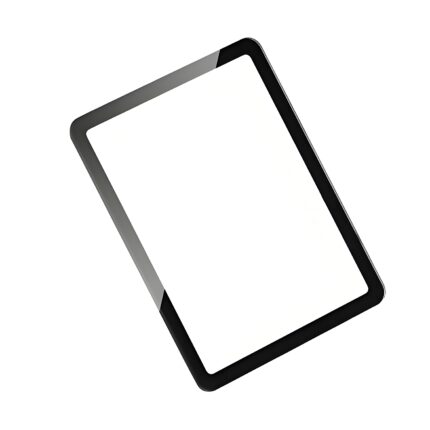
OEM Touch Screen Glass
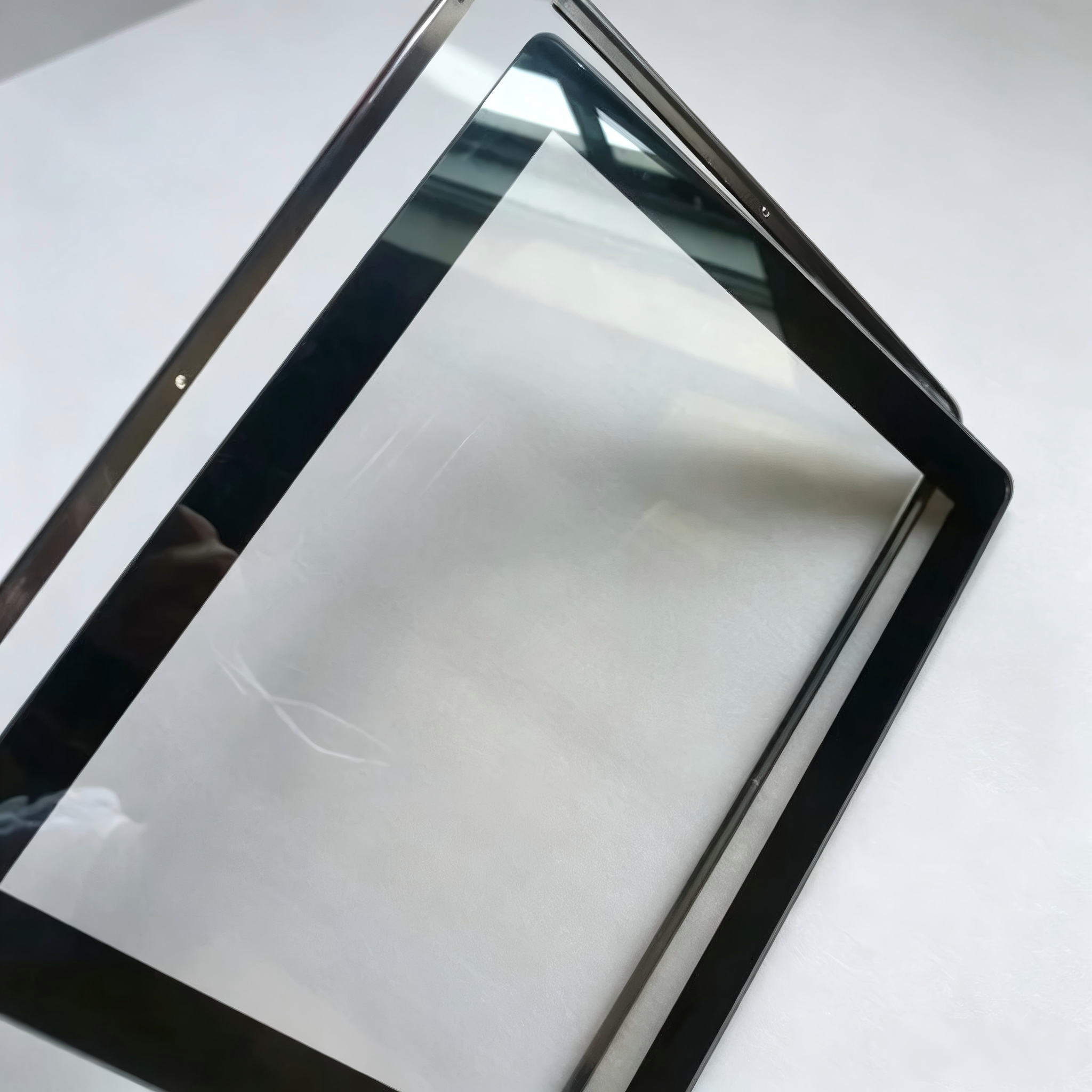
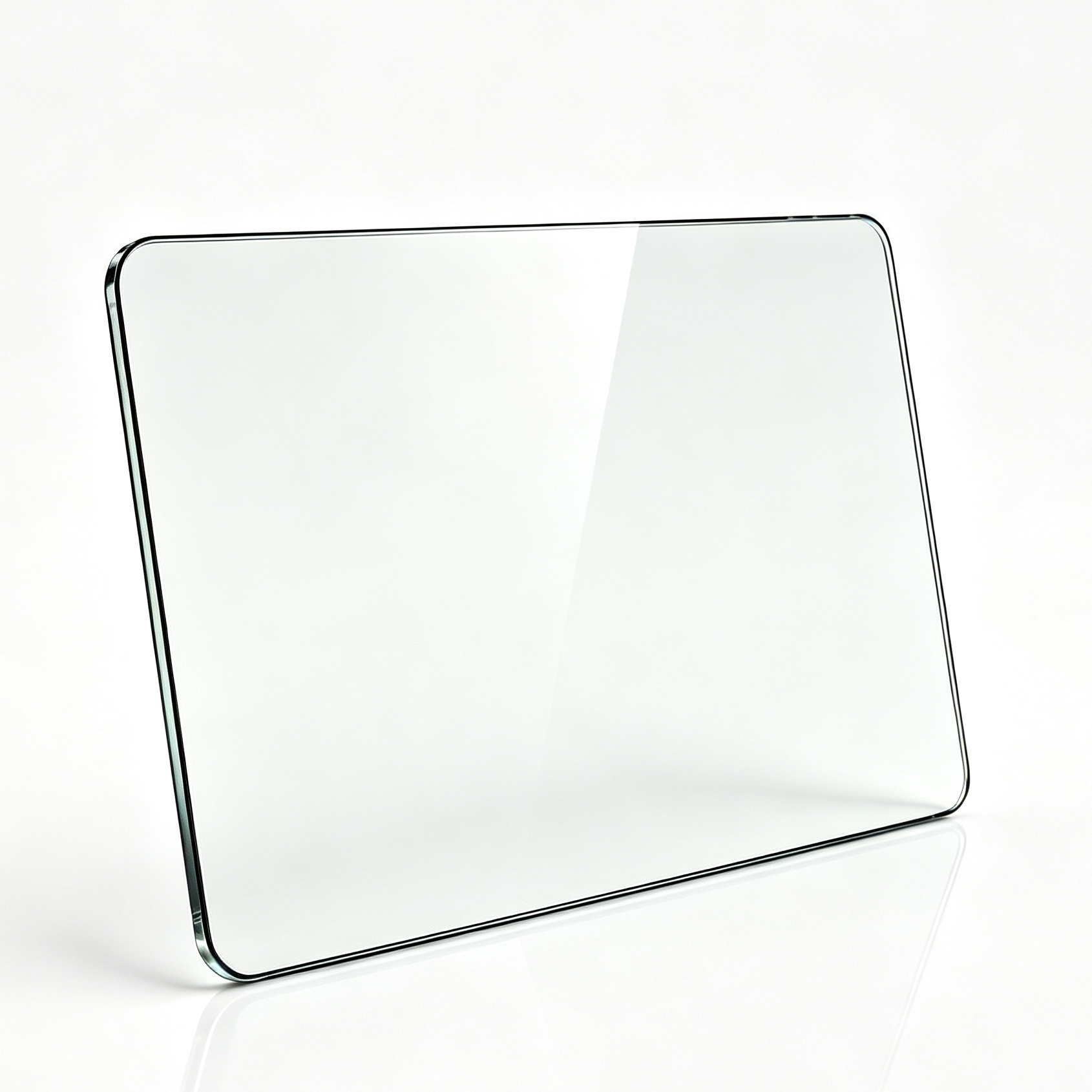
We cut, shape, strengthen and coat OEM touch screen Glass for tablets, wearables and automotive displays. The thickness range from 0.2mm to 3.0mm. The CNC tolerance control within ±0.05mm. Edge chipping under 0.1mm. Chemically strengthened with compression depth 30-60um and surface stresss 700-850MPa. The AR, AF and AG coatings done in house.
Custom OEM Touch Screen Glass
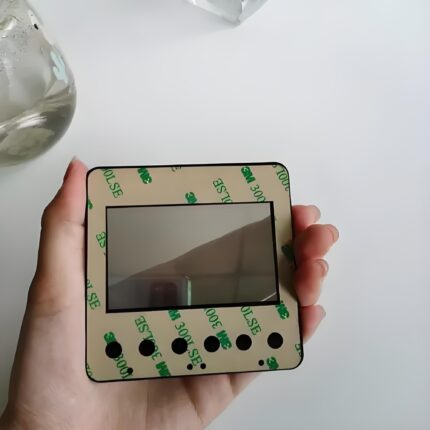
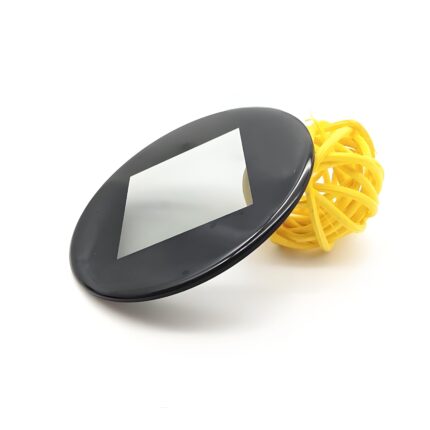
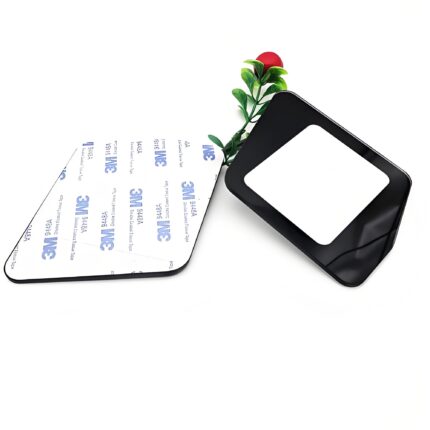
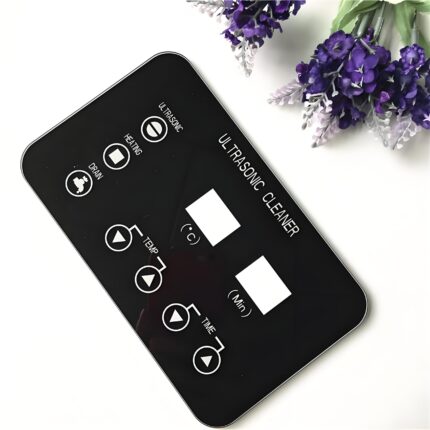
We manufacture custom OEM touch screen glass for tablets, wearable devices, automotive displays, industrial HMIs, control panels and other electronic devices. Our glass can be customized according to customer drawings, including dimensions, thickness, shape, edge finishing, holes, cutouts and printed borders.
Our in-house processing capabilities include precision cutting, CNC machining, chemical strengthening, thermal tempering, silk screen printing, ultrasonic cleaning and AR, AG and AF surface treatments. Bonding solutions can also be evaluated according to the requirements of the final display assembly.
For OEM projects, customers can specify the glass material, dimensions, optical requirements, strengthening method, surface treatment and estimated production quantity. Our engineering team can review the drawing and recommend a suitable processing route before quotation.
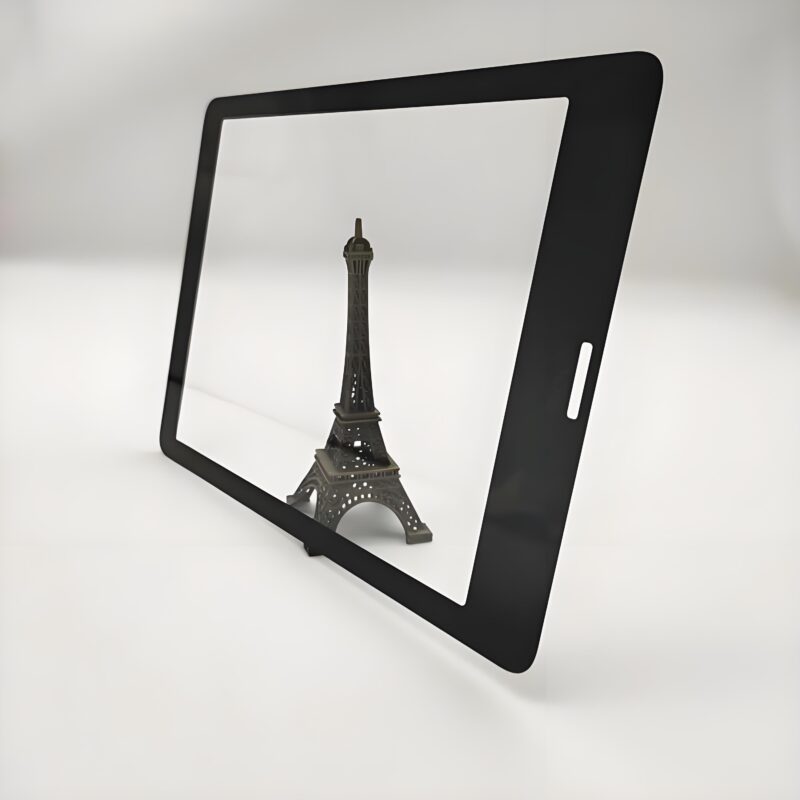
OEM Touch Screen Glass Manufacturing Capabilities
One-Stop Glass Processing
Cutting → CNC → Strengthening → Printing → Coating → Cleaning
Custom Fabrication
Custom dimensions, thicknesses, holes, slots, edges and shapes according to drawings.
Surface Treatments
AR / AG / AF coatings according to optical and surface requirements.
Flexible OEM Production
Prototype samples and production orders can be evaluated according to project requirements.
OEM Touch Screen Glass Manufacturing Process

Precision Glass Cutting
Diamond unit in full automatic machine to cut into shapes.
CNC Machining and Drilling
Laser cut(Tolerance +/-0.02) & CNC(Tolerance +/-0.05) for edging grinding & hole drilling.
Advantages & Disadvantage:
Laser cut, the advantages are precision tolerance(+/-0.02mm) and fast processing. But chamfer by CNC / manual needed, couldn’t shape into specific edge(Like 2.5D).
CNC, the advantages are customizable different edges, polish and chamfer done at the same time. But process time & cost a little higher than laser and larger tolerance.
Chemical Strengthening and Thermal Tempering
Thermally tempering VS chemically strengthening
Advantages & Disadvantages:
Thermally tempering, it suitable for thickness above 3mm and belong to safe glass, lower cost. But weaker in flatness.
Chemically strengthening, it suitable for thin glass(thickness 3mm below) with excellent hardness & flatness performance. But weaker in cost and not belong to safe glass.
Chemical Strengthening for OEM Touch Screen Glass
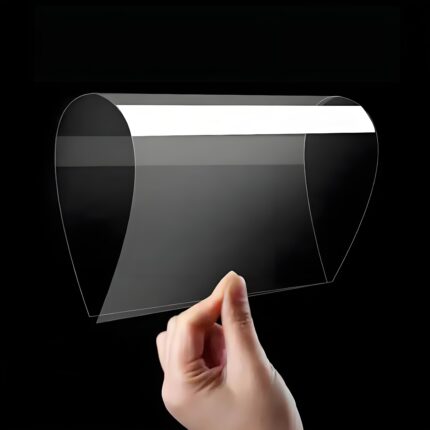
Chemical strengthening is commonly used for thin touch screen cover glass where high surface strength, scratch resistance and dimensional stability are required. The appropriate strengthening parameters depend on the glass material, thickness and application requirements.
Compressive stress (CS) and depth of layer (DOL) can be inspected according to the agreed project specification.
Silk Screen Printing
Low temperature ink & Ceramic ink
Advantages & Disadvantages:
Low temperature ink, suitable for high hiding purpose & more “fresh” color in chemical strengthened. But weaker in adhesion and UV resistance.
High temperature ink, suitable for outdoor application which can’t peel off even scratch by knife. But weaker in light block and “lively” color.
AR, AG and AF Coatings for OEM Touch Screen Glass
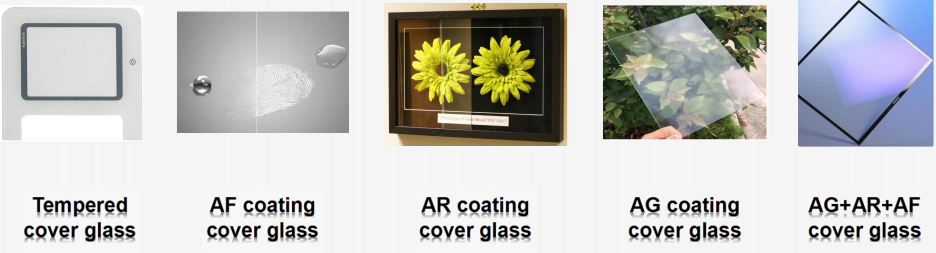
AR coating
Reduces surface reflection and can improve display readability under strong ambient light.
AG treatment
Reduces glare and mirror-like reflections, making the display easier to view in bright environments.
AF coating
Helps reduce fingerprints, oil and surface contamination and improves ease of cleaning.
Optical performance such as transmittance, reflectance, haze and coating durability can be specified and tested according to project requirements.
Ultrasonic Cleaning
Ultrasonic clean VS water clean
Usually we use ultrasonic cleaning to make the OEM touch screen glass surface much clean, suitable for high surface quality performance but time & cost higher.
To water cleaning, it’s fast but clean grade is weaker than ultrasonic clean, which more often used in light & appliance glass.
Request a Quote for OEM Touch Screen Glass
Have a touchscreen project that requires custom glass? Send us your drawing and technical requirements for an engineering review.
Please provide the following information when available:
- Glass dimensions and thickness
- Glass material or preferred substrate
- Shape, holes and CNC cutouts
- Edge finishing requirements
- Chemical strengthening or thermal tempering
- AR, AG or AF coating requirements
- Silk screen printing or border design
- Prototype quantity and estimated production volume
- Intended application and display type
Our engineering team can review your drawing, recommend a suitable processing route and confirm the technical requirements before quotation.
Send Your Drawing & Request an OEM Quote
FAQ About OEM Touch Screen Glass
What is OEM touch screen glass?
OEM touch screen glass is custom glass manufactured according to the dimensions, material, processing and performance requirements of an original equipment manufacturer. It can be used as protective cover glass for touchscreen displays and electronic devices.
Can you manufacture OEM touch screen glass according to drawings?
Yes. We can evaluate customer drawings for custom dimensions, thickness, shapes, holes, cutouts, edge finishing, printing and surface treatment requirements.
What materials are available for OEM touch screen glass?
Material options can include aluminosilicate glass, soda-lime glass and other specialty glass depending on the required thickness, strength, optical performance and application.
Can OEM touch screen glass be chemically strengthened?
Yes. Chemical strengthening can be used for suitable thin glass substrates to improve surface strength and resistance to scratches and impact. The strengthening specification can be confirmed according to the project requirements.
Can you provide AR, AG and AF coatings?
Yes. AR, AG and AF surface treatments can be provided according to the optical and surface performance requirements of the application.
What information is needed for an OEM touch screen glass quotation?
Please provide the glass dimensions, thickness, material preference, drawing, strengthening requirements, surface treatment, printing requirements, quantity and intended application. Our engineering team can review these details before quotation.
OEM Touch Screen Glass Quality Inspection
Quality inspection can include dimensional measurement, appearance inspection, edge quality, hole and cutout accuracy, printing quality, surface treatment and strengthening parameters where applicable. Inspection criteria can be agreed according to customer drawings and project specifications.