+86-13925515590
 kleinma@aliyun.com


Custom Screen Glass for LCD Displays and Touchscreens
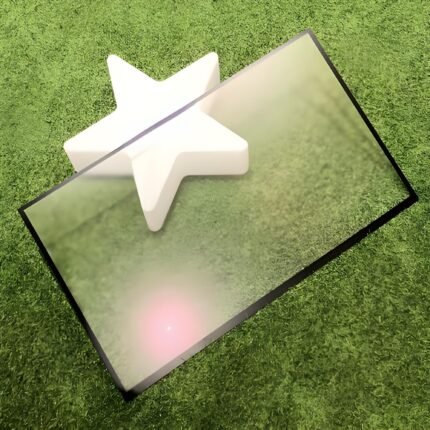
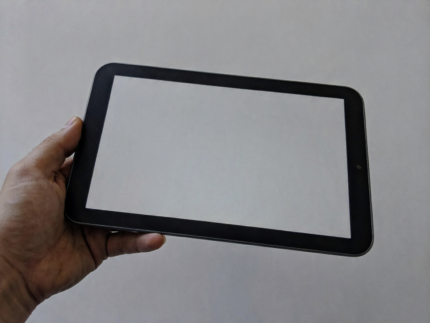
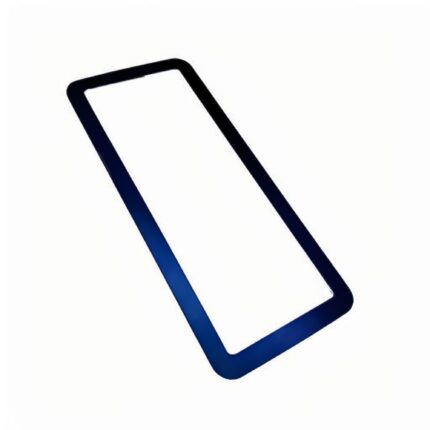
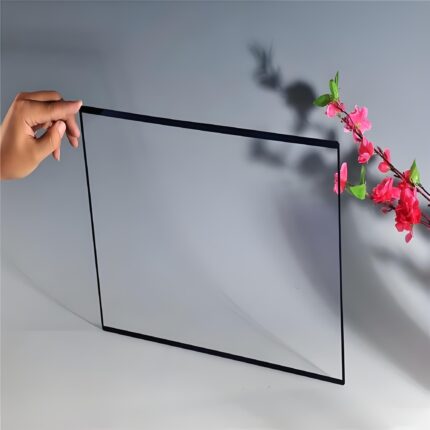
Custom screen glass serves as a protective front panel for electronic displays, touchscreens, control panels and other electronic equipment. We manufacture custom screen glass to customer drawings, samples and technical specifications, with tailored thicknesses, dimensions, shapes and surface finishes.
Available materials include soda-lime glass and aluminosilicate glass. Processing options include precision cutting, CNC machining, edge grinding, drilling, chemical strengthening and thermal tempering. Optional AR (anti-reflective), AG (anti-glare) and AF (anti-fingerprint) coatings, silk-screen printing and adhesive bonding can be specified according to project requirements.
From prototype samples to mass production, Weiman Tech provides OEM screen glass manufacturing for consumer electronics, industrial equipment, household appliances, kiosks, medical devices and other electronic applications.
Custom Screen Glass Manufacturing and Processing
Weiman Tech manufactures custom screen glass for LCD displays, touchscreens, HMI interfaces, control panels and other electronic equipment. Glass panels can be produced according to customer drawings, samples and technical specifications, with options for material selection, precision machining, strengthening, printing, surface coatings and bonding.
Glass Cutting and CNC Machining
Glass sheets are cut into preliminary shapes using suitable cutting methods. CNC machining can then be used for edge grinding, chamfering, slots, holes and other features specified in the product drawing. Edge quality and dimensional tolerances depend on the glass material, thickness, geometry and manufacturing requirements.
Chemical Strengthening and Thermal Tempering
Chemical strengthening and thermal tempering are two different methods used to improve the mechanical performance of glass. The suitable process depends on the glass composition, thickness, dimensions, geometry and end-use requirements. Process feasibility should be confirmed for the actual glass specification rather than determined by thickness alone.
Silk-Screen Printing
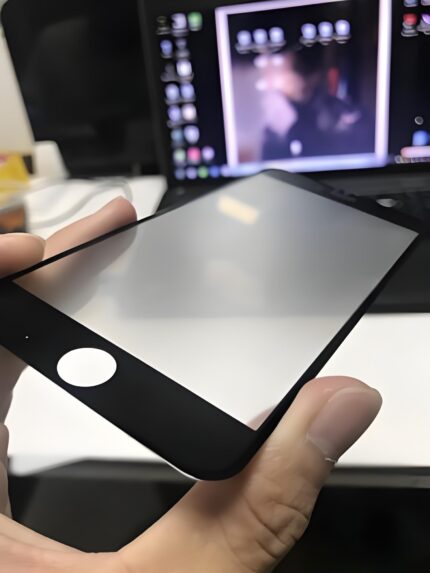
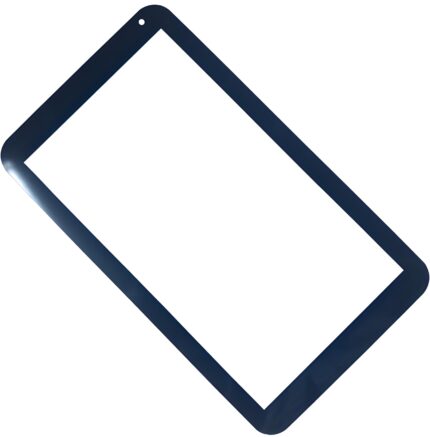
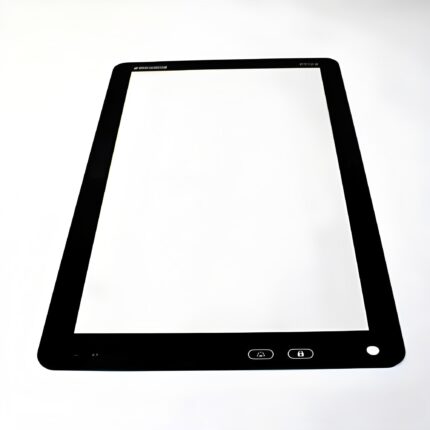
Custom screen glass can include silk-screen printed borders, logos, icons, symbols and other graphic elements. Ink selection depends on the glass thickness, printing requirements, subsequent processing and operating environment. Ceramic inks and organic resin inks have different curing and durability characteristics, so the appropriate option should be confirmed for each project.
AR, AG and AF Surface Treatments
Different surface treatments can be selected according to display readability, reflection control and cleaning requirements:
- AR (anti-reflective) coating: Reduces surface reflection to improve optical transmission and display visibility.
- AG (anti-glare) treatment: Diffuses reflected light to reduce distracting glare under suitable lighting conditions.
- AF (anti-fingerprint) coating: Helps reduce fingerprint adhesion and makes the glass surface easier to clean.
Coating performance depends on the selected process and product specification. Please provide the intended application and optical requirements when requesting a quotation.
Adhesive Bonding and Lamination
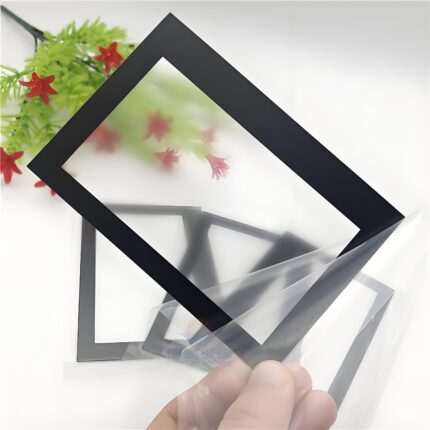
Depending on the assembly design, screen glass can be supplied with compatible adhesive solutions, including transfer adhesive tapes, VHB tapes or optically clear adhesive (OCA). Additional film lamination may also be considered where required for surface protection or fragment retention. Material compatibility and bonding requirements should be reviewed before production.
Screen Glass Specifications
|
Specification |
Custom Options |
|---|---|
| Glass Material | Soda-Lime Glass / Aluminosilicate Glass |
| Thickness | According to Drawing and Application |
| Dimensions | Custom Length and Width |
| Shape | Rectangular / Round / Custom Geometry |
| Edge Processing | Grinding / Polishing / Chamfering |
| CNC Machining | Holes / Slots / Cutouts |
| Strengthening | Chemical Strengthening / Thermal Tempering, Subject to Feasibility |
| Printing | Silk-Screen Printing |
| Surface Treatments | AR / AG / AF |
| Bonding | Adhesive Transfer Tape / VHB / OCA, as Required |
| Applications | LCD Displays / Touchscreens / HMI / Control Panels |
Anti-Glare Treatment for Screen Glass
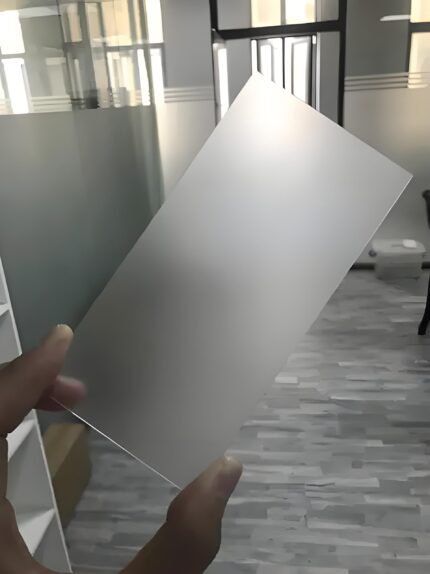
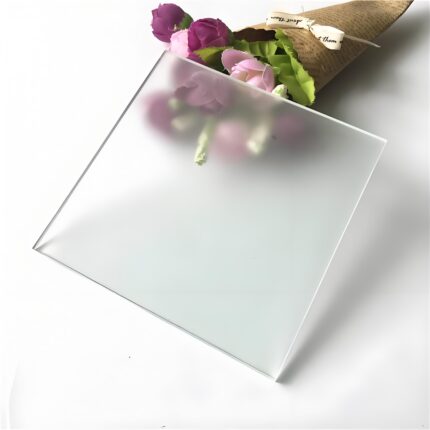
Anti-glare (AG) treatment is used to manage reflected light on the surface of display cover glass. By diffusing reflected light, an AG surface can help reduce distracting reflections in applications such as industrial displays, control panels, kiosks and other electronic interfaces.
AG performance can be evaluated using parameters such as haze, gloss and light transmission. The appropriate combination depends on the display design, ambient lighting, viewing conditions and optical requirements.
Weiman Tech can review AG requirements for custom screen glass projects. Stock samples may be available for evaluation, subject to current sample availability.

Comparing Common Matte Glass Finishes
Several processes can create a matte or diffused glass surface, but their results and suitability differ:
- Sandblasting: Uses abrasive media to create a textured surface. Surface uniformity and finish depend on the process and production controls.
- Frosted ink: Creates a frosted appearance through an ink-based process. Ink type and curing requirements must suit the glass and any subsequent strengthening process.
- Acid etching: Produces a matte surface through chemical treatment. Appearance and optical performance depend on the process conditions and glass specification.
- AG treatment: Designed to control reflected light through a specified surface texture. Haze, gloss, transmission and visual uniformity should be evaluated against the application requirements.
The best option depends on the required appearance, optical performance, durability, production method and target cost. Sample evaluation is recommended when surface appearance is critical.

Glass Substrates for Custom Screen Glass
Weiman Tech works with soda-lime glass and aluminosilicate glass for custom screen glass applications. Material selection depends on the required thickness, optical appearance, mechanical performance, processing method and target cost.
Soda-lime glass is commonly considered for cost-sensitive applications where its properties meet the product requirements. Depending on the composition and thickness, a green tint may be visible when viewing the glass edge.
Aluminosilicate glass may be selected for applications requiring particular mechanical performance or compatibility with specified strengthening processes. Its optical appearance, available thicknesses and processing characteristics vary by grade and supplier.
The final choice should be based on the actual material grade and application requirements rather than a general hardness comparison. If you have a preferred glass brand, material grade or existing sample, include it in your RFQ for evaluation.
Glass material selection depends on the required optical and mechanical properties, thickness, processing requirements and target cost. For additional background on specialty glass materials, refer to Corning and SCHOTT.
For general information about international quality management standards, visit the International Organization for Standardization (ISO).