+86-13925515590
 kleinma@aliyun.com

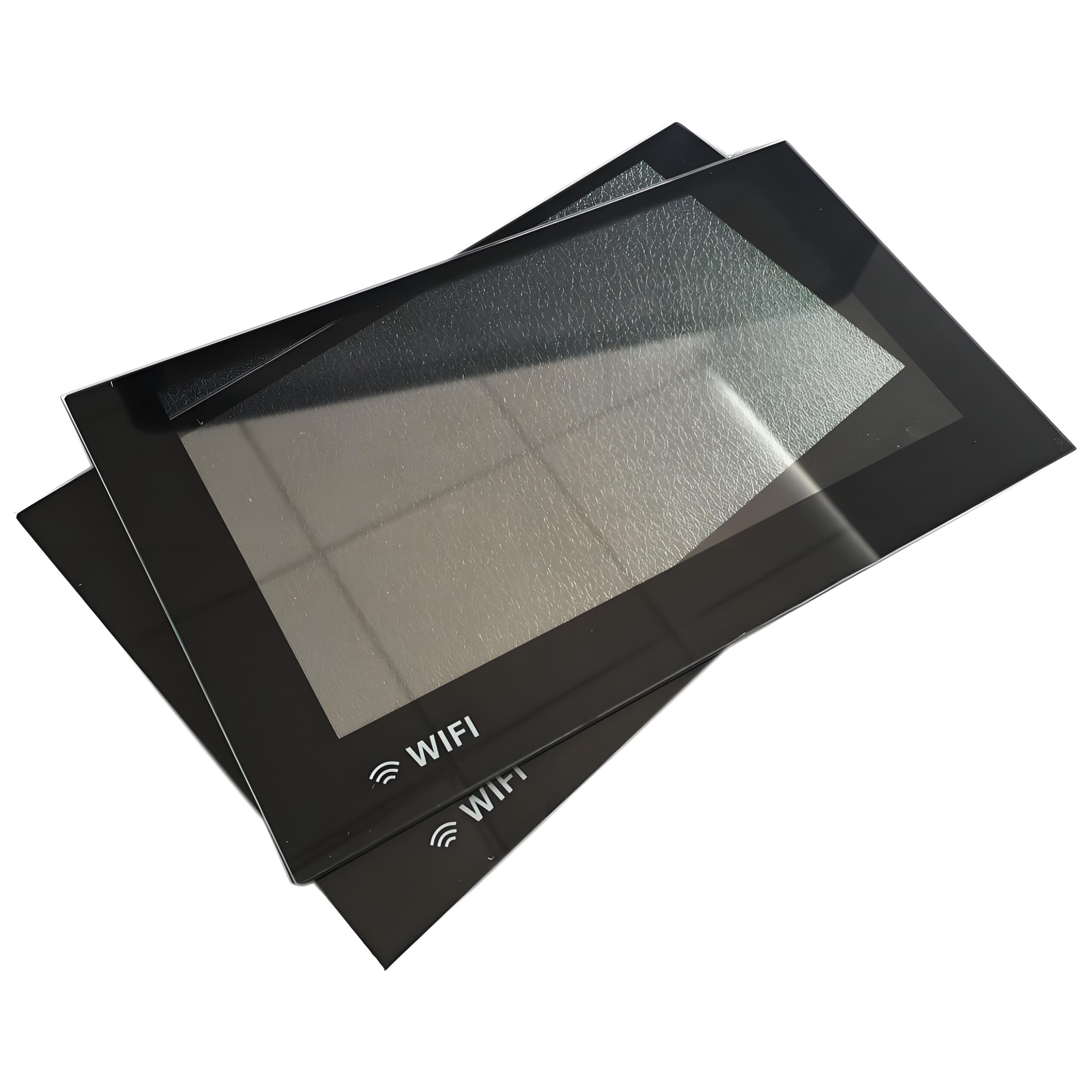
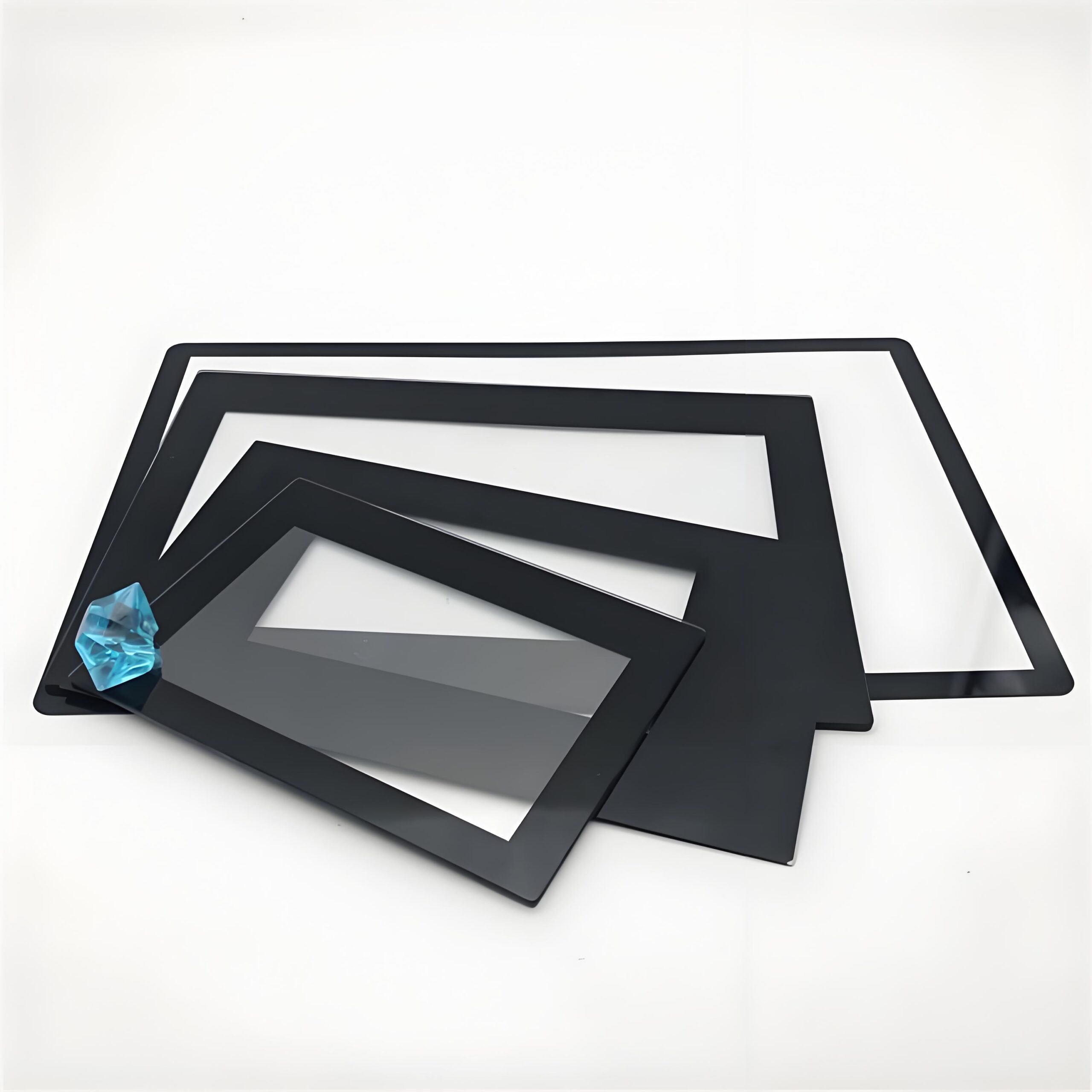
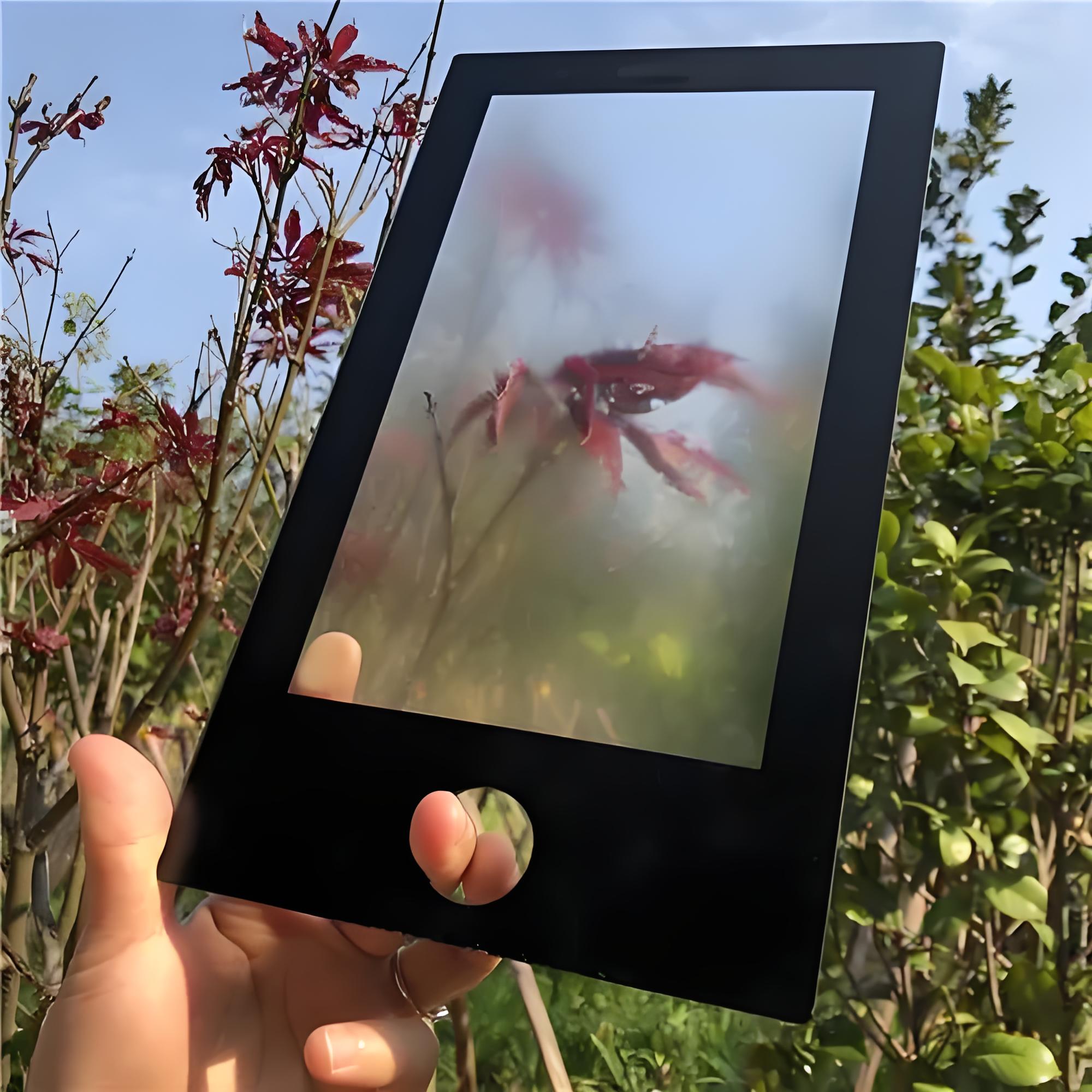
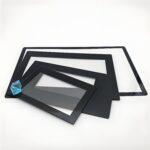
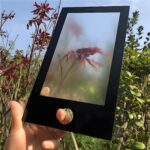
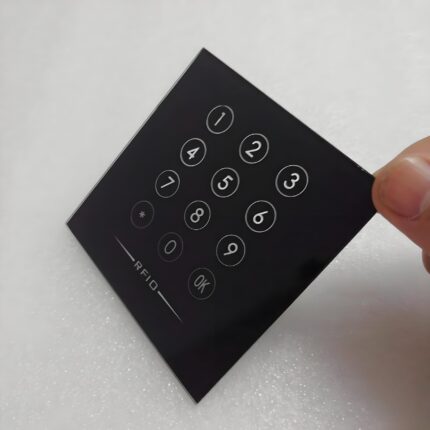
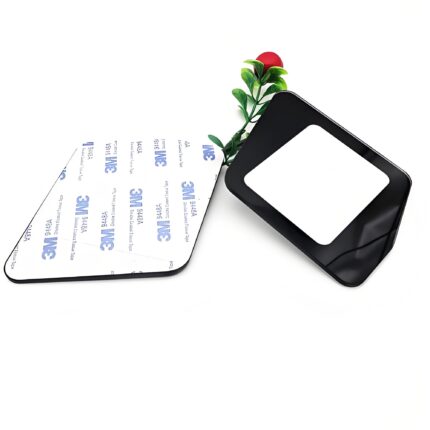
Custom Cover Lenses for Electronic Devices
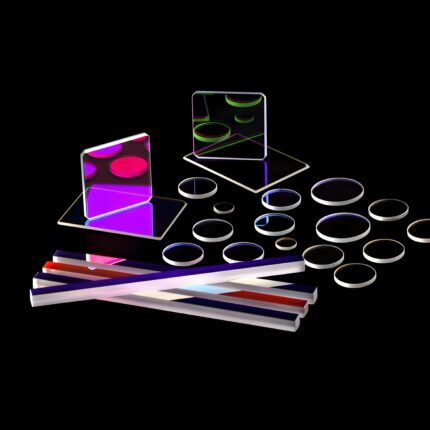
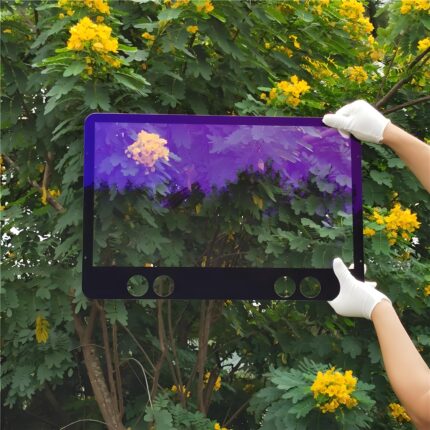
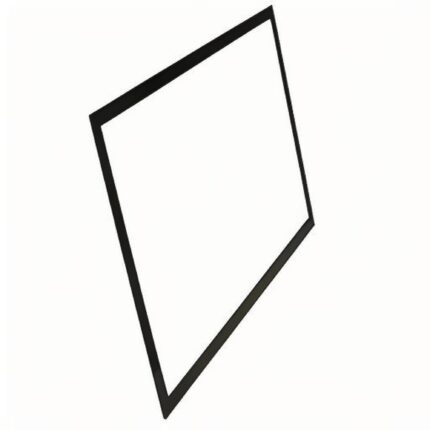
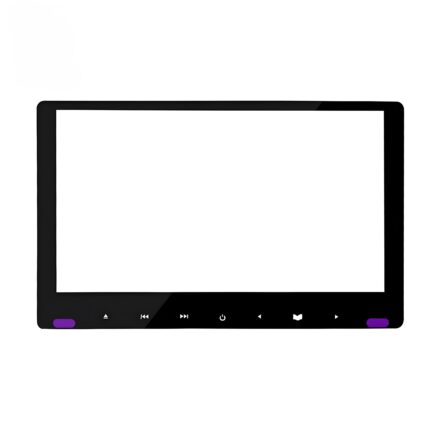
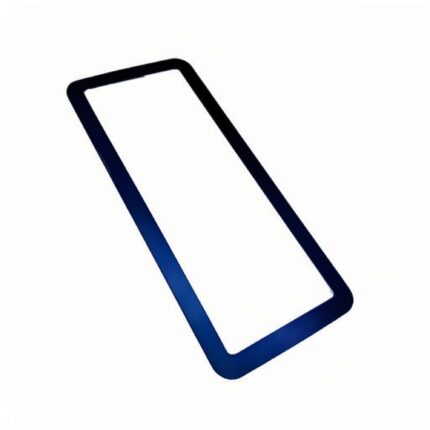
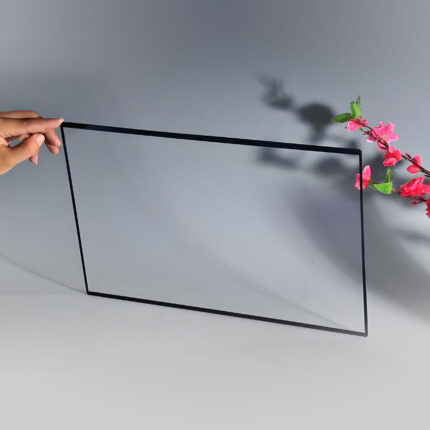
WM Cover Glass Solutions supply custom cover lenses for electronic displays, touch interfaces, camera assemblies and equipment control panels. Based on your drawings or sample, we can review glass material, thickness, dimensions, edge finish, printed graphics and surface treatment requirements.
Available processing options may include CNC machining, chemical strengthening or thermal tempering, silk-screen printing, AR/AG/AF coatings and adhesive bonding, depending on material compatibility and project specifications.
For an OEM quotation, share your drawing, target thickness, estimated quantity and intended application. We can review the requirements and clarify the specifications needed for production.
Custom Cover Lenses for Electronic Devices
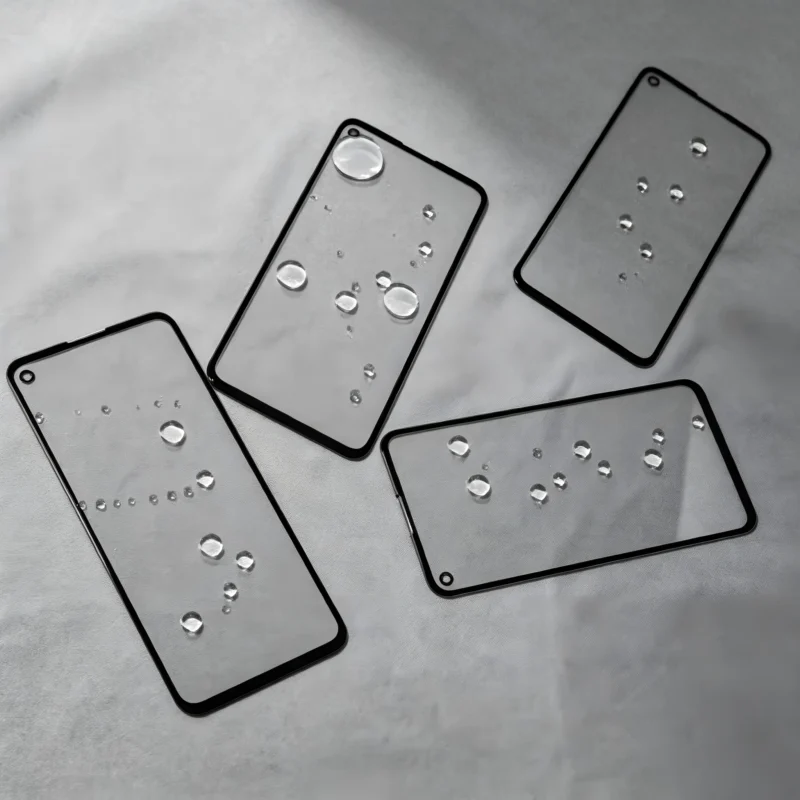
Cover lenses protect display surfaces and other exposed components in electronic products. Depending on the design, a cover lenses may need to provide a clear viewing area, fit a specific housing, accommodate mounting features or incorporate printed graphics and surface treatments.
WM OEM Cover Glass works with OEM customers on custom display cover lens components for electronic displays, touch interfaces, camera assemblies and equipment control panels. Projects can be evaluated using customer drawings, samples or technical specifications.
The manufacturing requirements depend on the intended application. Glass composition, thickness, geometry, edge finish, strengthening method and surface treatment should be considered together rather than selected independently.
Applications for Custom Cover Lenses
Custom cover glass lenses can be considered for a range of electronic products, including:
- Consumer electronics: Display covers for selected tablets, wearables, gaming devices and other electronic equipment.
- Industrial equipment: Protective industrial display glass for machine interfaces, digital instrument panels and industrial control displays.
- Household appliances: Glass interfaces for appliance control panels, electronic clocks and touch-operated equipment.
- Camera and imaging devices: Protective glass components where the optical path, reflections and surface requirements must be considered.
- Electronic measuring equipment: Cover lenses for electronic scales and other instruments with display interfaces.
The design and performance requirements vary by application. Camera cover lenses, for example, may require different optical considerations from a flat cover lenses used on a control panel.
Custom Glass Processing Options
Glass Cutting and CNC Machining
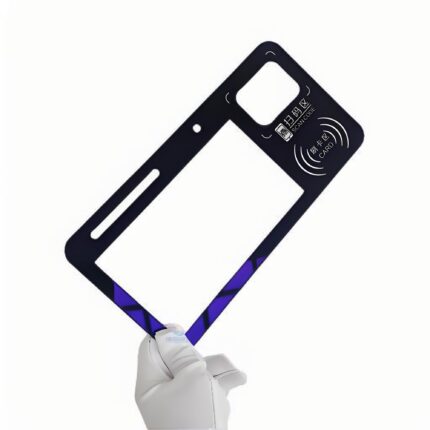
Glass blanks can be cut and machined to the required geometry. Depending on the design and available process, machining may include holes, slots, cutouts and edge finishing.
The drawing should specify critical dimensions, hole locations and tolerances. Edge condition and surface quality should also be defined for parts that require precise assembly.
Edge Grinding and Polishing
Edge processing helps achieve the specified component profile and finish. Options may include ground, polished, rounded or beveled edges, subject to the drawing and manufacturing feasibility.
Glass Strengthening
The appropriate strengthening process depends on the glass composition, thickness, geometry and required performance.
- Chemical strengthening: Uses ion exchange to create compressive stress at the glass surface and may be suitable for certain thin-glass designs.
Chemical strengthening uses ion exchange to create compressive stress at the glass surface. For a technical overview, see Corning’s explanation of how glass strengthening works.
- Thermal tempering: Uses controlled heating and rapid cooling to create a tempered glass structure with different mechanical and breakage characteristics.
These methods are not interchangeable for every design. The material and required performance should be reviewed before selecting a process.
Silk-Screen Printing
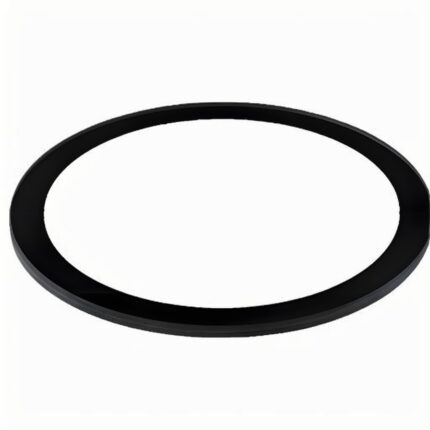
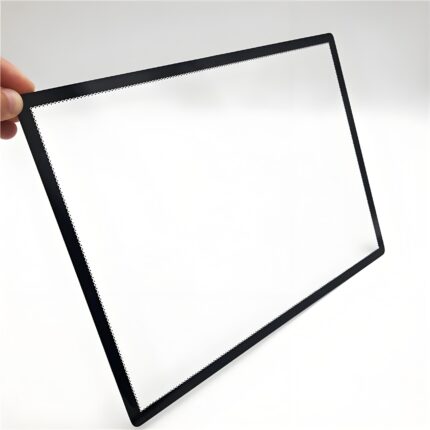
Printing can be used for black borders, logos, symbols, labels and other graphic features. Color, artwork, printed area and alignment requirements should be confirmed using an approved drawing or sample.
AR, AG and AF Surface Treatments
Different surface treatments serve different purposes:
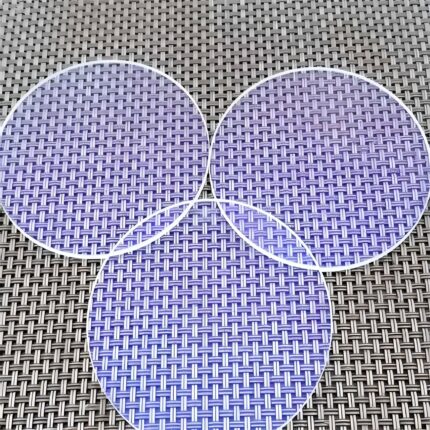
- Anti-reflective (AR) coating: Reduces surface reflection to support display visibility and light transmission.
- Anti-glare (AG) treatment: Diffuses reflected light to help manage distracting reflections.
- Anti-fingerprint (AF) coating: Helps reduce visible fingerprints and makes routine cleaning easier.
The available coating configuration and its performance depend on the glass, coating process and project specifications. If multiple treatments are required, their compatibility should be confirmed before production.
Adhesive Bonding and Lamination
Depending on the assembly design, bonding options may include specified pressure-sensitive adhesive tapes or optical clear adhesive (OCA). Protective films or additional laminated layers may also be considered where the application requires them.
The adhesive type, bonding area, thickness and alignment requirements should be defined before manufacturing.
Customizable Cover Lens Specifications
| Specification | Options or Requirements |
|---|---|
| Glass material | Soda Lime Glass, Aluminisolicate Glass, Gorilla Glass, Specified glass type or approved material alternatives |
| Thickness | Defined by the project drawing |
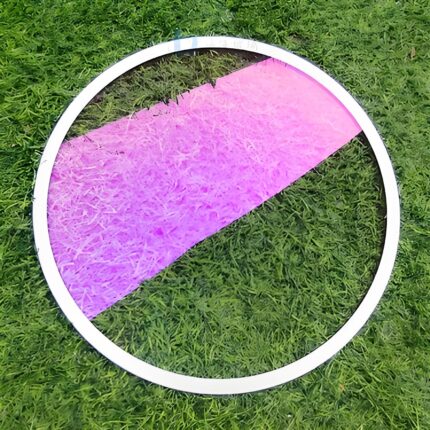
| Shape | Rectangular, round or irregular, subject to feasibility |
| Dimensions | Customer drawing or approved sample |
| Edge finish | Ground, polished, rounded or beveled, as specified |
| Machining | Holes, slots and cutouts, where feasible |
| Strengthening | Chemical strengthening or thermal tempering, subject to compatibility |
| Printing | Specified colors, logos, borders and graphics |
| Surface treatment | AR, AG and/or AF, as required |
| Bonding | Specified adhesive tape or OCA, where applicable |
| Quantity | Estimated prototype, pilot or production volume |
| Packaging | Agreed packaging and protection requirements |
Final specifications, tolerances and inspection criteria should be confirmed before production.
Quality Inspection for Cover Lenses
Inspection requirements should be based on the approved drawing and the intended application. Depending on the project, checks may include dimensions, thickness, edge condition, holes and slots, surface appearance, printed graphics and specified coating or optical requirements.
The acceptance criteria should be agreed upon before production so that both parties understand which characteristics must be checked.
OEM Cover Lens Projects
For a project review, please provide the information available:
- Drawing or sample
- Glass material and thickness
- Overall dimensions and critical tolerances
- Required machining, printing and surface treatments
- Estimated order quantity
- Intended application and assembly requirements
If the design is still under development, identify the specifications that remain open. This helps establish what needs to be confirmed before a quotation or production plan can be finalized.
Request a Quote for Custom Cover Lenses
Have a cover lens drawing or sample ready? Send us your project requirements for review.
Share the dimensions, material, estimated quantity and required processing options. We can review the information provided and identify any additional specifications needed to assess your OEM project.