+86-13925515590
 kleinma@aliyun.com

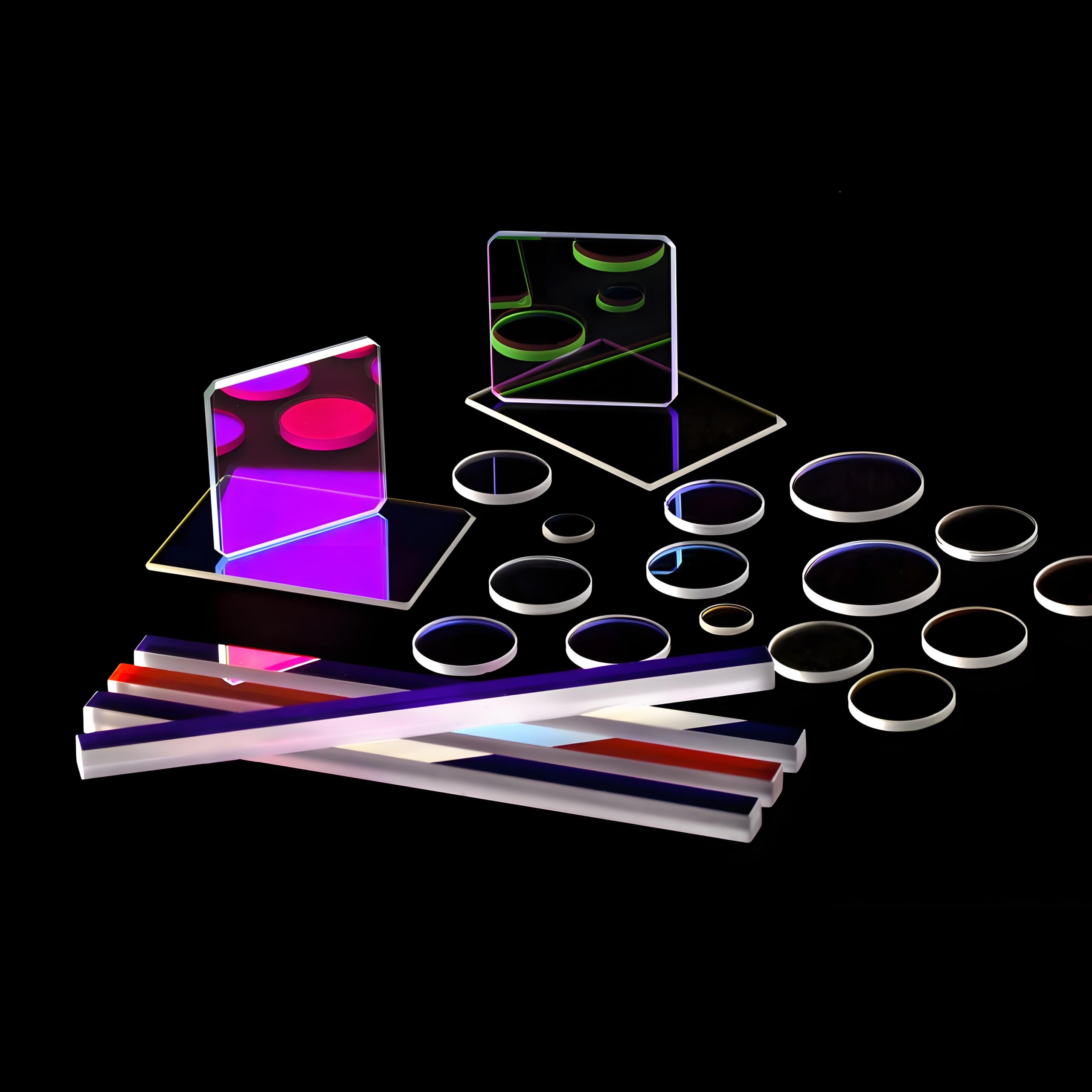
Anti-Reflective Glass
Electrodeposited Anti-Reflective Glass: Ultimate Clarity & Durability
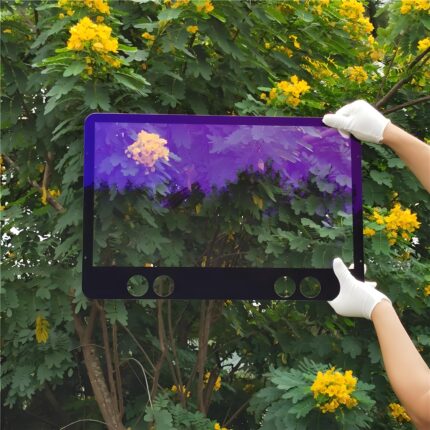
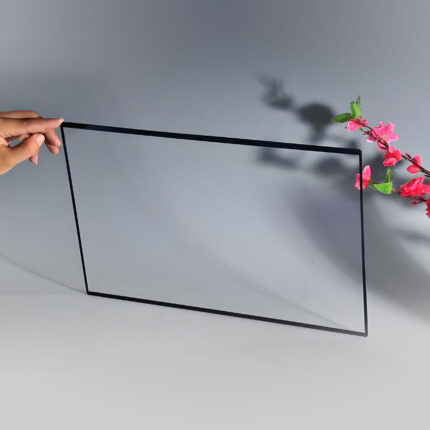
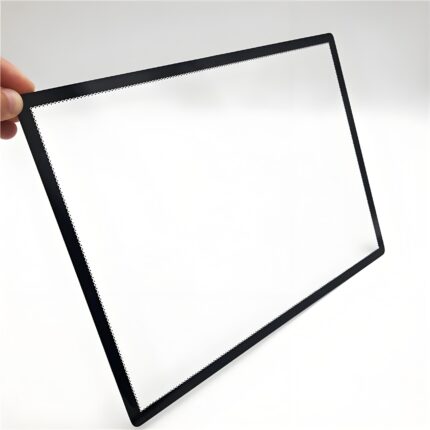
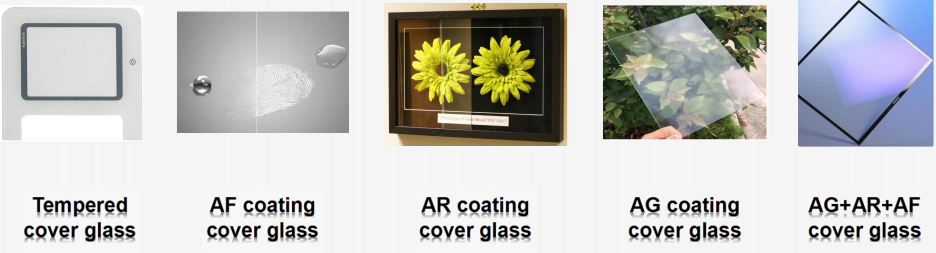
Our electrodeposited anti-reflective (AR) coating glass drastically eliminates glare and maximizes light transmission. Choose single-sided coating (96% transmission) for cost-effective glare reduction or premium double-sided coating (>98% transmission) for unparalleled clarity where color fidelity is critical. Unlike softer coatings, our electrodeposited ceramic-hard layer offers exceptional abrasion and chemical resistance, ensuring lasting performance in demanding applications like medical displays, museum exhibits, and industrial touchscreens.
Anti Reflective Glass for Clear Optical Performance
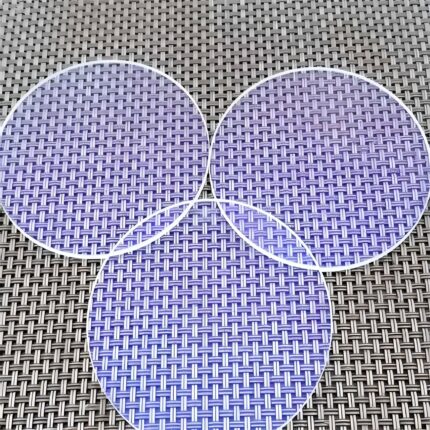
Our anti-reflective glass is designed to reduce surface reflection and improve light transmission for displays, optical devices, electronic equipment, and protective glass applications. By applying an anti-reflection (AR) coating to the glass surface, reflected light can be reduced while maintaining clear image visibility and optical performance.
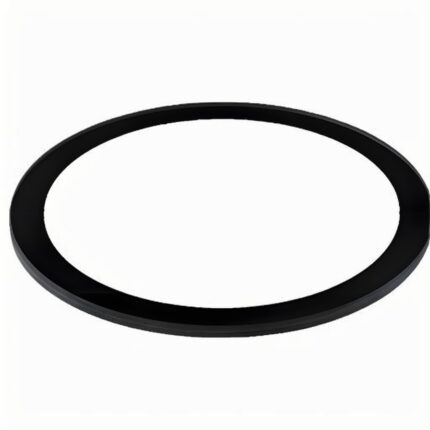
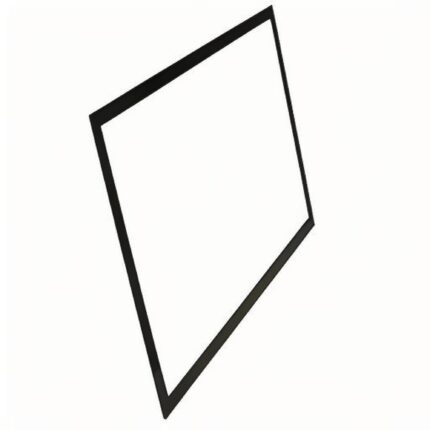
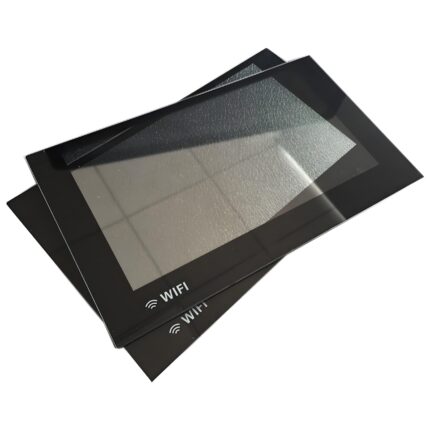
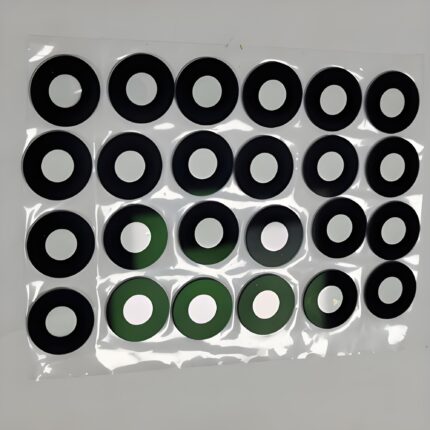
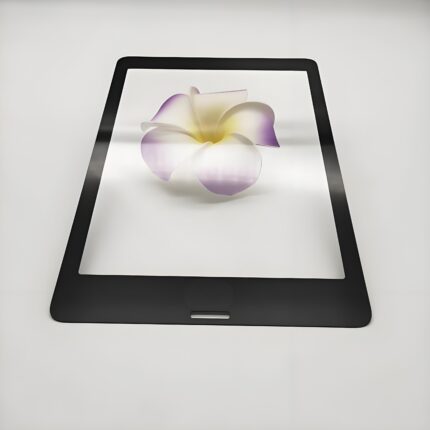
We offer single-sided and double-sided anti reflective glass with customized glass materials, thicknesses, dimensions, shapes, and coating specifications. Depending on the application, AR coated glass can be supplied with additional processing such as CNC machining, edge finishing, chemical strengthening, silk screen printing, and precision cleaning.
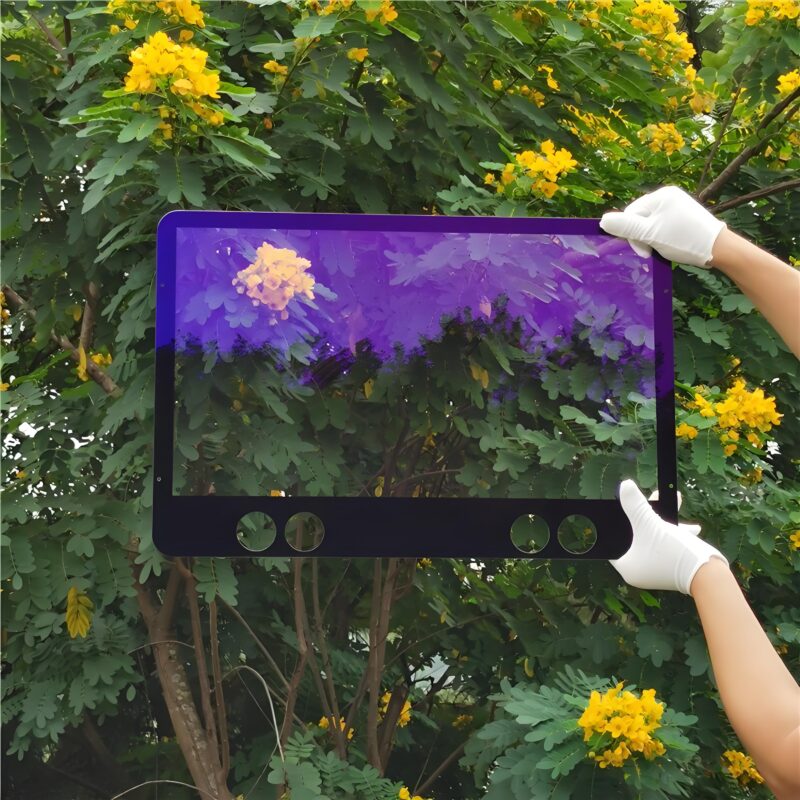
What is Electrodeposited Anti-Reflective Glass?
At its heart, electrodeposited anti-reflective glass is a high-quality glass substrate—often soda-lime or aluminosilicate—that has undergone a specific chemical process to drastically reduce surface reflection. The term “electrodeposition” might sound complex, but it’s akin to electroplating. Instead of happening in a high-tech vacuum chamber, this process takes place in a liquid bath.
The anti-reflective glass is immersed in a solution containing specific metal salts. When an electrical current is applied, it triggers a reaction that causes these metals to form a thin, incredibly strong, and uniform oxide layer on the glass surface. This layer is the magic behind the anti-reflective property. The real skill lies in precisely controlling this process to engineer the coating’s thickness and density, allowing it to target and cancel out specific wavelengths of light through wave interference. The result is a surface that seems to disappear, offering a view that’s noticeably clearer and sharper than untreated glass.
Single-Sided vs Double-Sided Anti Reflective Glass
Single-Sided Anti Reflective Glass
Single-sided anti reflective glass has an AR coating applied to one surface. It is suitable for applications where reflection from the primary viewing side needs to be reduced, including industrial displays, control panels, kiosks, and electronic equipment.
Double-Sided Anti-Reflective Glass
Double-sided anti reflective glass has AR coatings on both surfaces to further reduce reflections from the front and rear interfaces. It is suitable for applications requiring higher optical clarity, contrast, and light transmission, including optical instruments, precision displays, and high-end electronic devices.
The appropriate AR configuration depends on the optical design, viewing environment, required transmission, and performance specifications of the final product.
Seeing the Differences
It’s one thing to talk about performance, it’s another to see it in hard numbers. Light transmission is measured as a percentage of light that passes through the glass compared to the light that hits it. Here’s a breakdown of what you can typically expect:
Uncoated Clear Glass:
A standard pane of clear glass might seem transparent, but it’s far from perfect. Each air-to-glass surface reflects about 4% of the incoming light. With two surfaces, that adds up to roughly 8% total reflection loss. This means the best transmission you can usually get from uncoated glass is about 91-92%. This lost light is what causes distracting reflections and diminishes the brightness and contrast of the display underneath.
Single-Sided AR Coated Glass:
Applying a premium electrodeposited AR coating to one surface reduces the reflection on that side to less than 1.5%, and often as low as 1.0%. The other side remains at ~4%. This significantly improves the situation. You can expect the total light transmission to jump to approximately 95-96.5%. The reduction in glare on the coated side is immediately visible, making the screen much easier to read in bright conditions.
Double-Sided AR Coated Glass:
This is where the technology truly shines. A high-quality electrodeposited coating can reduce reflectance on each surface to below 1.0%. With both surfaces optimized, the total reflection loss is minimized, pushing the total light transmission to an exceptional 98% or even higher. This near-perfect clarity means colors appear more saturated, blacks look deeper, and the image has a “no-glass” effect that is crucial for immersive experiences and critical viewing applications. The absence of ghost images and haze provides a level of clarity that feels like a direct view.
Anti-Reflective Glass Manufacturing Process
1. Glass Material Selection
We select the appropriate glass substrate according to the required optical performance, thickness, size, strength, and application requirements.
2. Precision Cutting
Glass sheets are precisely cut according to the required dimensions and shape while maintaining dimensional accuracy.
3. CNC Machining
CNC processing can be used for holes, slots, notches, irregular shapes, and other customized features.
4. Edge Processing
Glass edges can be ground, polished, or finished according to the required assembly and handling specifications.
5. Surface Cleaning
The glass is carefully cleaned before coating to remove dust, particles, fingerprints, and other contaminants that could affect coating quality.
6. AR Coating
A single-sided or double-sided anti-reflective coating is applied according to the required optical specifications. Coating parameters can be customized according to the target wavelength and application.
7. Optical & Appearance Inspection
Finished glass is inspected for transmission, reflection, coating uniformity, scratches, particles, and other surface defects according to the agreed specifications.
8. Final Cleaning & Packaging
Qualified anti reflective glass is cleaned and carefully packaged to protect the coating surface from scratches, contamination, and damage during transportation.
Anti-Reflective Glass Applications
Industrial Touchscreens
Medical Displays
Automotive Displays
Consumer Electronics
Optical Instruments
Camera & Imaging Devices
Kiosks
Museum Display Protection
Control Panels
High-Visibility Displays
Anti-Reflective Glass vs Anti Glare Glass
| Feature | Anti Reflective Glass | Anti Glare Glass |
|---|---|---|
| Main Function | Reduce surface reflection | Diffuse reflected light |
| Technology | Optical coating | Surface texture / treatment |
| Surface | Usually smooth | Micro-textured |
| Optical Goal | Increase transmission / reduce reflection | Reduce visible glare |
| Typical Applications | Optical devices, displays | Monitors, tablets, industrial displays |
FAQ
What is anti-reflective glass?
Anti reflective glass is glass treated with an anti-reflection coating designed to reduce surface reflection and improve light transmission and visual clarity.
What is the difference between anti-reflective glass and anti glare glass?
Anti reflective glass primarily uses an optical coating to reduce reflection, while anti glare glass generally uses a textured surface to diffuse reflected light. The two technologies address glare in different ways.
Is anti-reflective glass available with coating on both sides?
Yes. Anti reflective glass can be supplied with single-sided or double-sided AR coating depending on the required optical performance.
Can anti-reflective glass be customized?
Yes. Custom dimensions, thicknesses, shapes, edge processing, holes, printing, strengthening, and coating specifications can be produced according to project requirements.
What applications use anti-reflective glass?
Anti reflective glass can be used for electronic displays, industrial HMIs, medical displays, optical instruments, automotive displays, cameras, and other applications where reduced reflection and improved visibility are required.