+86-13925515590
 kleinma@aliyun.com



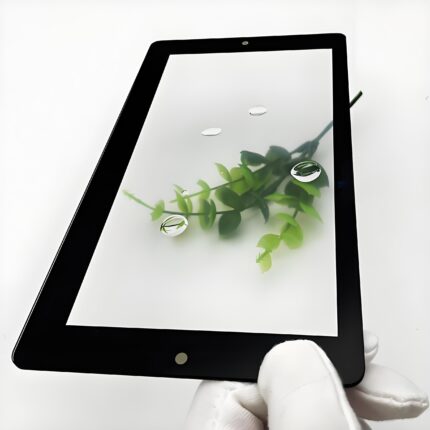
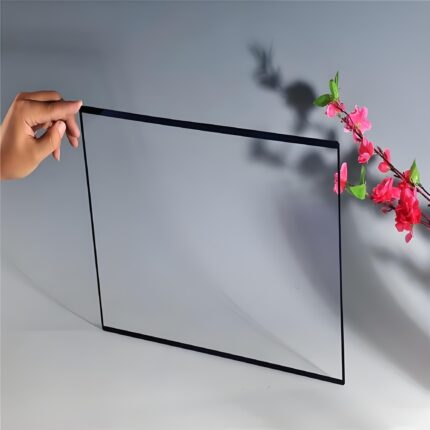
Custom UTG Glass Lens for Flexible Display Applications
What Makes a UTG Glass Lens Different?
Thinness
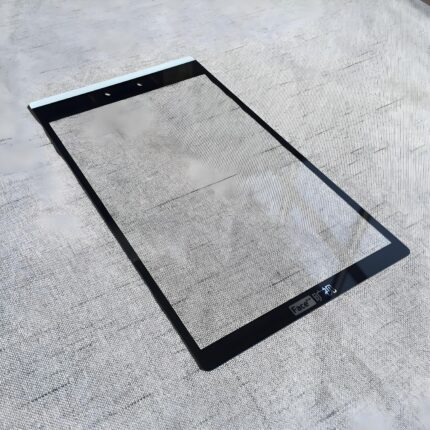
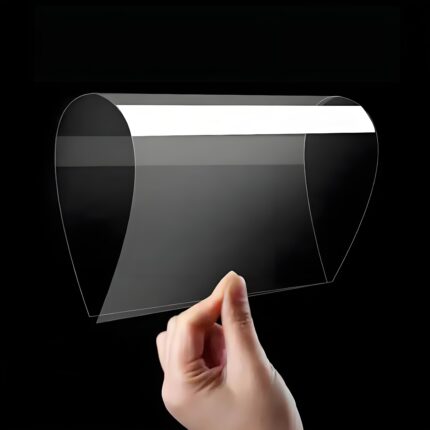
UTG allows a thinner glass component where conventional cover glass may add unnecessary thickness to the display stack.
Geometry
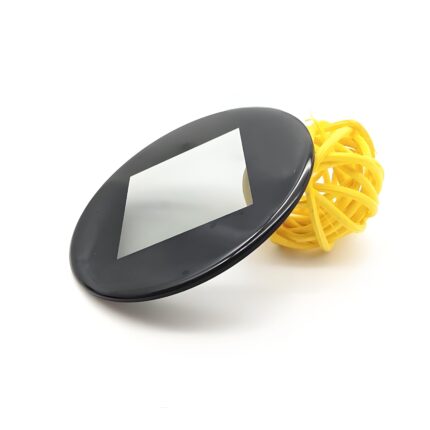
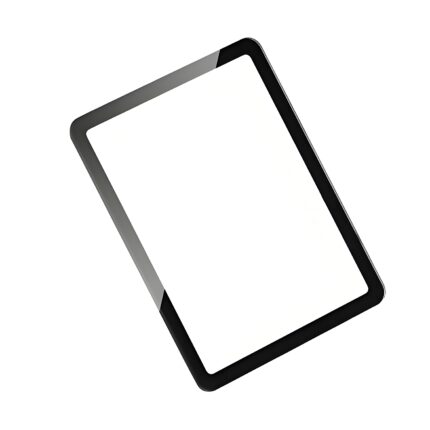
The lens can be processed according to the actual display outline, openings, corners and assembly structure.
Integration
The glass specification can be considered together with strengthening, coatings, printing and bonding requirements.
-1-826x800.webp)
Key Design Parameters for UTG Glass Lens
| Parameter | What We Review |
|---|---|
| Glass thickness | Display stack and mechanical requirements |
| Lens dimensions | Overall size and tolerance |
| Bend radius | Flexible or foldable applications |
| Edge design | Ground, polished or specified profile |
| Cutouts | Camera, sensor and functional openings |
| Surface treatment | AR, AG or AF |
| Strengthening | Chemical strengthening requirements |
| Bonding | Adhesive or optical bonding structure |
UTG Cover Glass Lens Processing Capabilities
1. Precision Cutting
UTG glass is precisely cut to the required overall dimensions before secondary processing. Cutting parameters are selected according to the ultra-thin substrate, lens size and geometry to minimize edge damage and maintain dimensional accuracy.
Suitable for:
Standard rectangular lenses, custom dimensions and thin display windows.
2. CNC Profiling
CNC profiling is used when the UTG lens requires a more complex outline than a standard rectangular shape. The process can produce irregular profiles, curved corners and custom contours according to the customer’s CAD drawing.
Suitable for:
- Irregular outlines
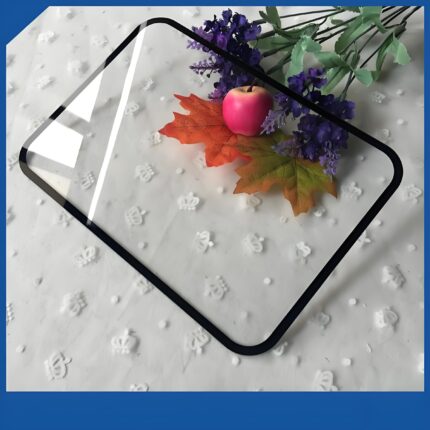
- Rounded corners
- Custom profiles
- Display-specific geometries
3. Hole / Slot Processing
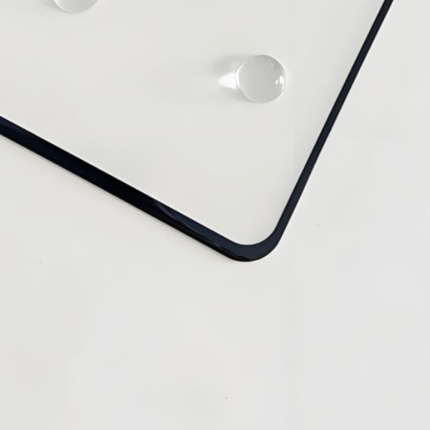
Precision holes, slots and functional openings can be incorporated into the UTG lens design for cameras, sensors, buttons and other device components.
Hole position, diameter, slot dimensions and edge requirements can be controlled according to the approved drawing.
Typical features:
- Camera openings
- Sensor windows
- Mounting holes
- Slots
- Functional cutouts
4. Edge Grinding
After cutting, the glass edges can be ground to remove sharp or unwanted edge conditions and improve edge consistency.
For ultra-thin glass, controlled edge processing is particularly important because chips or localized defects can affect the mechanical reliability of the lens.
5. Edge Polishing
Edge polishing provides a smoother and cleaner edge finish where required by the product design.
It can be specified for applications where the UTG lens is visible from the side, handled directly, or integrated into a precision display assembly.
Available options may include:
- Standard polished edges
- Fine edge polishing
- Custom edge profiles
- Chamfered edges
6. Chemical Strengthening
Compatible UTG substrates can undergo chemical strengthening to improve surface strength while maintaining an ultra-thin glass structure.
The strengthening conditions are determined according to the glass composition, thickness, geometry and required mechanical performance.
Important: Chemical strengthening is an application-dependent process and is not automatically required for every UTG lens.
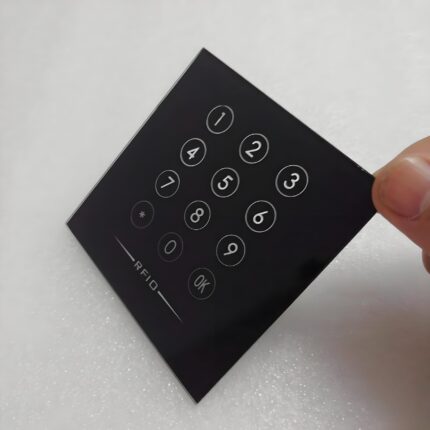
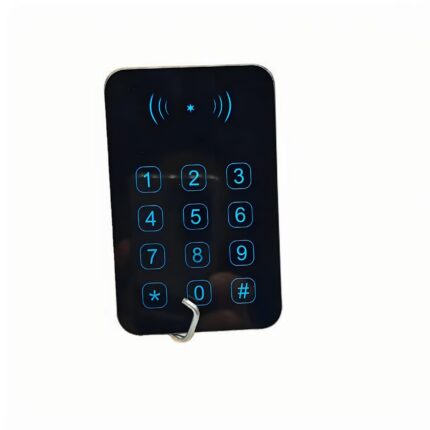
7. Silk-Screen Printing
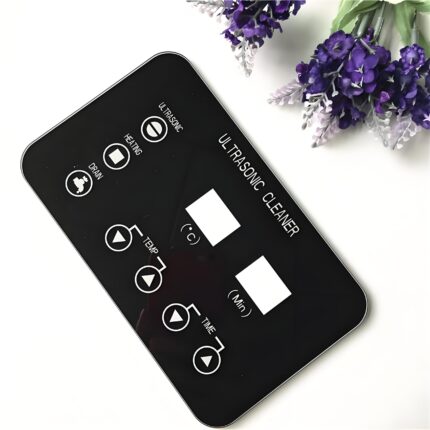
Silk-screen printing can be applied to create functional or decorative graphics on the UTG lens.
Typical applications include:
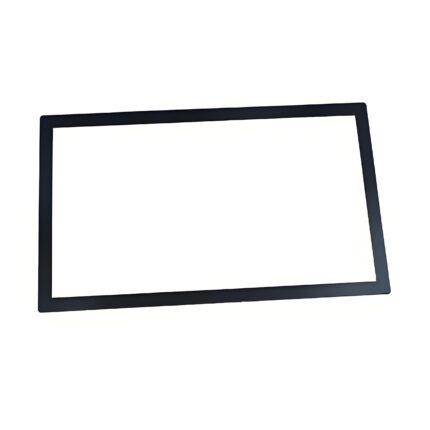
- Black borders
- White markings
- Logos
- Icons
- Button symbols
- Functional indicators
Artwork, printing position and dimensions can be controlled according to the customer’s supplied design.
8. AR Coating
Anti-reflective (AR) coating can be applied when reduced surface reflection is required.
The treatment can help improve display visibility in environments with strong ambient light and is suitable for applications where optical appearance is an important consideration.
Typical applications:
Outdoor displays, industrial interfaces, instrumentation and electronic display windows.
9. AG Treatment
Anti-glare (AG) treatment modifies the surface interaction with ambient light to reduce distracting reflections.
AG can be considered for displays used under strong lighting or in environments where reflected images may affect readability.
The required haze and surface characteristics should be specified according to the display application.
10. AF Coating
Anti-fingerprint (AF) coating provides a more oleophobic surface that helps reduce the adhesion of fingerprints, oil and everyday contaminants.
It is particularly useful for touch-operated displays where the glass surface is frequently contacted by the user.
11. Adhesive / Bonding Preparation
The UTG lens can be prepared for integration with display modules, touch sensors, bezels or device housings.
Depending on the assembly design, bonding preparation may include:
- Adhesive application
- Double-sided adhesive
- Perimeter adhesive
- OCA-related bonding preparation
- Custom adhesive patterns
The adhesive configuration should be determined according to the mating substrate, optical structure and assembly process.
Typical Applications
- Foldable displays
- Flexible displays
- Wearable displays
- Compact electronic displays
- Thin touchscreen interfaces
When Should You Choose UTG Cover Glass Lens?
UTG is worth considering when reducing glass thickness or component weight is important to the overall product design. It can also be considered for flexible or foldable display structures where conventional cover glass may not meet the required form factor.
For rigid displays where thickness is less critical, conventional aluminosilicate or soda-lime cover glass may provide a more economical solution.
FAQ
Q1. What is a UTG glass lens?
UTG glass lenses produced as ultra-thin glass components designed for display applications which thickness, weight and optical performance are critical
Q2. Can UTG glass lenses be customized to a drawing?
Yes, after received the CAD file we can produce them for sizes, holes, edges, printing and coatings.
Q3. Can UTG glass lens be chemically strengthened?
Yes, but also depends on different substrates and thickness.
Q4. Can you process cutouts and irregular shapes?
No problem, just receive the CAD file we can produce base on it.
Q5. What information is needed for a UTG glass lens quotation?
CAD file, colors for printing, thickness, coatings and other surface treatment requirements.
Request a UTG Glass Lens Quote
Send us your drawing, required thickness, lens dimensions, quantity and application requirements. If the lens is intended for a flexible or foldable display, please also provide the target bend radius and display structure.