 +86-13925515590
 kleinma@aliyun.com

Cover Glass for Industrial Control Panels: The Ultimate Selection Guide

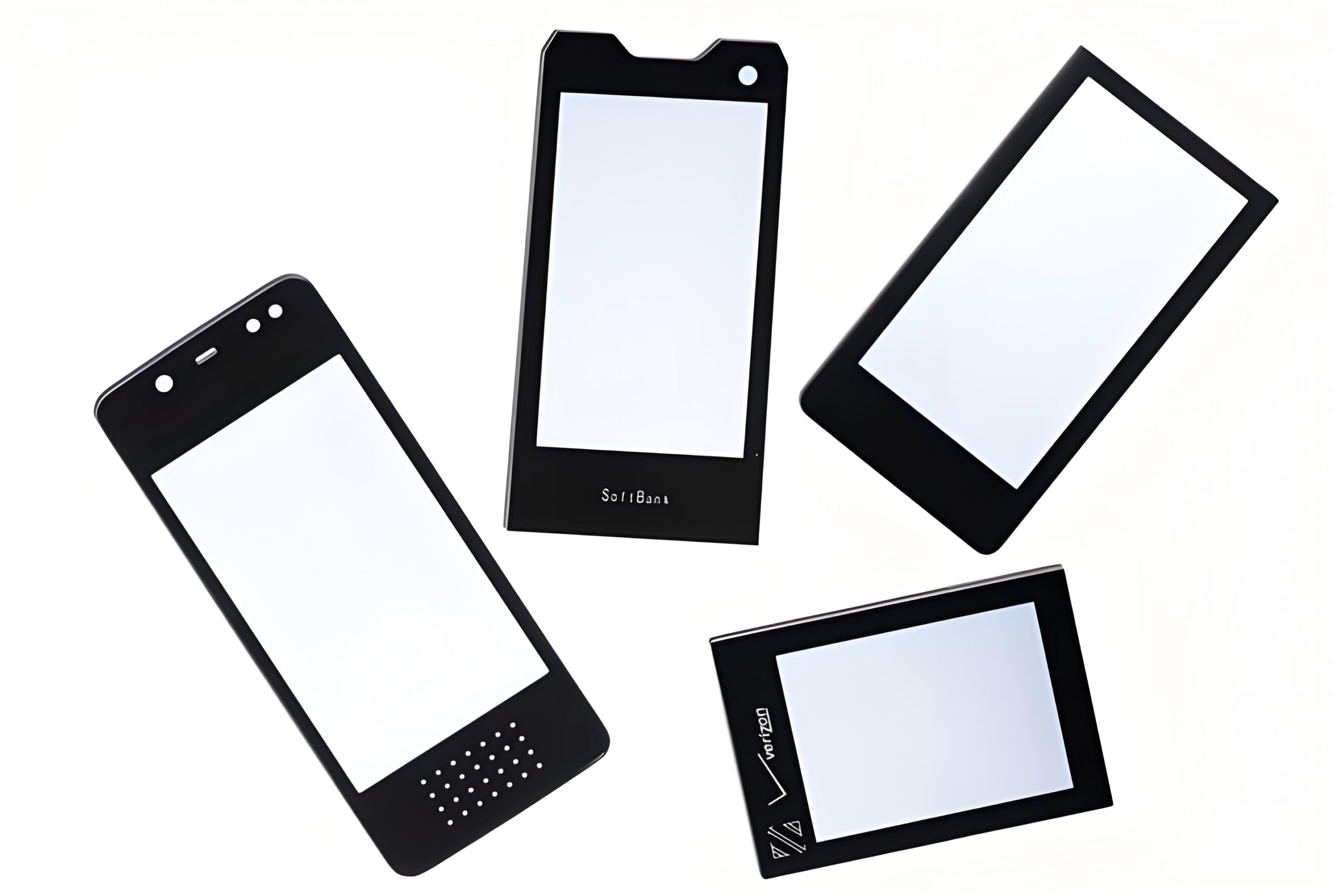
Choosing the Wrong Cover Glass for Industrial Control Panels Can Ruin Your HMI: A Complete Guide to Industrial Cover Glass Selection
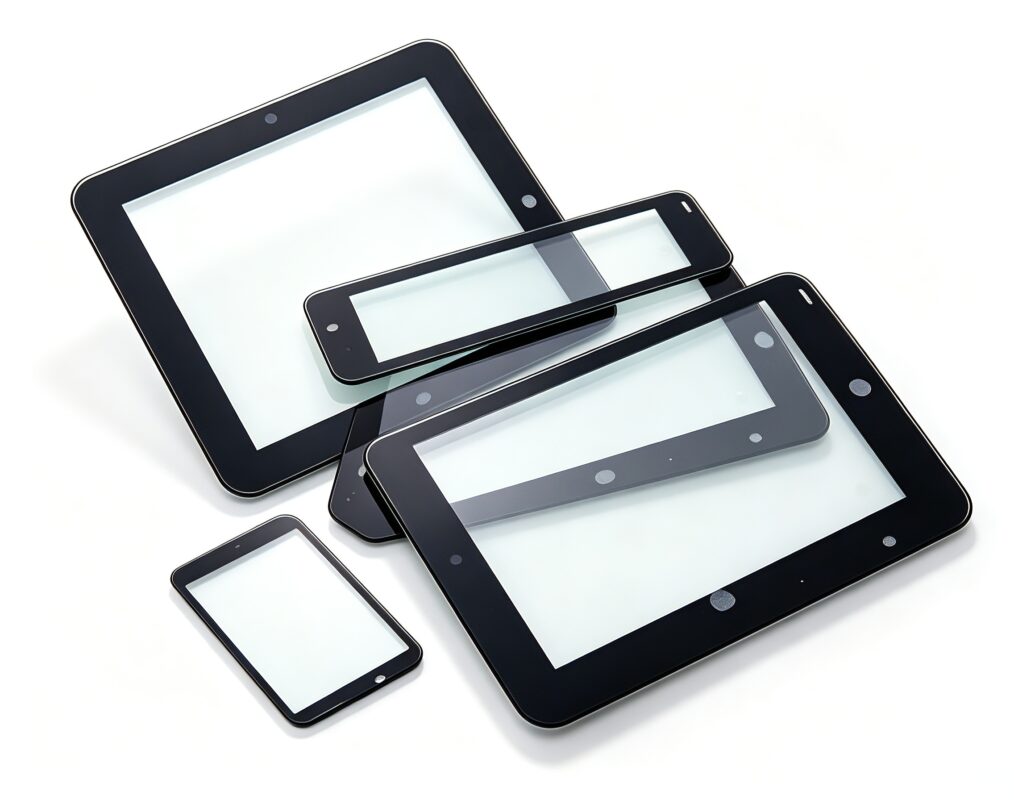
In industrial automation, medical devices, and outdoor control terminals, the Industrial Control Panel serves as the critical hub for Human-Machine Interfaces (HMI). However, on a harsh factory floor or in outdoor environments, these interfaces are constantly exposed to flying debris, oil splatters, severe impact, extreme temperature swings, and blinding sunlight.
Many Original Equipment Manufacturers (OEMs) overlook the outermost protective layer—the Cover Glass for industrial control panels—during the early R&D phase. The result? Panels that crack easily, touchscreens that fail to respond, or displays that become completely unreadable under direct light, ultimately damaging brand reputation.
This guide explores why industrial control panels require specialized cover glass and details the four core factors you need to consider when sourcing and customizing cover glass for industrial control panels.
1. Why Consumer Glass Fails in Industrial Control Panels
While consumer electronics (like smartphones and tablets) prioritize thinness and standard clarity, industrial-grade cover glass for industrial control panels must prioritize high reliability and extreme environmental adaptability.
Key challenges in industrial environments include:
-
Mechanical Impact & Vibration: Heavy handling, falling objects, or constant machine vibration.
-
Complex Lighting Conditions: Direct sunlight on outdoor terminals or high-intensity glare from factory cleanrooms.
-
Chemical Exposure & Contaminants: Oils, harsh acid/alkaline cleaning agents, industrial dust, and moisture.
-
Specialized Operation Requirements: Operators using heavy rubber gloves, greasy hands, or styluses.
Standard tempered glass often cracks under these conditions or causes erratic touch drifting. Industrial-grade cover glass, custom-engineered through precise physical and chemical processes, is built to withstand these exact risks.
2. Four Essential Factors for Industrial Cover Glass Selection
1. Tempering Process & Structural Strength
Industrial control panels usually need to achieve specific IK Impact Resistance Ratings (such as IK08 or IK10).
-
Chemical Tempering (Potassium Nitrate Bath): Enhances surface stress through potassium-sodium ion exchange, significantly increasing bending strength and impact resistance.
-
Custom Thickness Options: Industrial cover glass typically ranges from 1.1 mm to 6.0 mm in thickness. For explosion-proof or vandal-proof applications, we recommend chemical-tempered glass with a thickness of 3.0 mm or greater to withstand severe impacts without shattering.
2. Advanced Surface Coatings & Treatments
To maintain clear visibility under varying light and contamination levels, cover glass is often treated with one or a combination of three key surface processes:
| Surface Treatment | Acronym | Primary Function | Ideal Industrial Application |
| Anti-Reflective | AR | Increases light transmission and minimizes reflections | Outdoor high-brightness displays, medical monitors |
| Anti-Glare | AG | Etches or coats the surface to scatter light, eliminating mirror reflections | Bright factory floors, gas stations, outdoor HMIs |
| Anti-Fingerprint / Anti-Smudge | AF | Lowers surface energy so oils and liquid droplets do not stick | Food processing, medical devices, public touch terminals |
Note: For high-end industrial control panels, we frequently recommend combining AG + AR + AF treatments to achieve optimal visual performance and stain resistance.
3. Precision Edge Processing & Custom Aesthetics
Industrial control panels must be built tough, but they also need to seamlessly align with your overall industrial design (ID):
-
Precision CNC Cutting & Beveling: We offer 2.5D curved edges, C-chamfers, and R-corners to eliminate sharp edges that could cause breakage or injury.
-
High-Temperature Silk-Screen Printing: Utilizing industrial-grade, weather-resistant inks (UV-resistant, acid- and alkali-resistant), we support multi-color printing for company logos, button icons, indicator windows, and “Dead-Front” displays.
4. Touch Screen Compatibility & Optical Bonding
The cover glass must integrate flawlessly with Projected Capacitive (PCAP) touch sensors:
-
Optical Bonding: Using OCA (Optical Clear Adhesive) or OCR (Optical Clear Resin) to eliminate the air gap between the cover glass and the display panel. This drastically improves impact resistance, waterproofing, dustproofing, and eliminates internal condensation.
-
Anti-Shatter Film (ASF): Holds glass shards together in the event of extreme impact, preventing flying debris from injuring operators.
3. Our Cover Glass For Industrial Control Panels Solutions
As a specialized cover glass for industrial control panels manufacturer, we are dedicated to providing high-reliability, custom Cover Glass solutions for the global industrial automation, medical, transportation, and energy sectors:
-
Versatile Substrates: Full selection of premium materials including Corning® Gorilla® Glass, AGC Dragontrail™, High-Alumina Glass, and Soda-Lime Glass.
-
High-Precision Manufacturing: Equipped with advanced CNC, dust-free silk-screening, and bonding workshops capable of handling custom thicknesses from 0.5 mm to 8.0 mm.
-
Rapid Prototyping: We understand OEM product development cycles and offer fast sampling and quick-turn prototype support.
Build Tougher Cover Glass For Industrial Control Panels Today
A high-quality cover glass is not just a shield—it is a core component that elevates your product’s overall reliability, aesthetic appeal, and user experience.
If you are developing a new HMI project or looking to solve issues with poor outdoor readability or high glass breakage rates: