 +86-13925515590
 kleinma@aliyun.com

How to Choose Cover Glass for Fitness Equipment Displays

For OEM buyers, choosing fitness equipment display glass starts with the equipment design, not simply the glass thickness or price. The following points can help product designers, sourcing teams and display manufacturers prepare a more complete specification.
1. Start with the Display and Housing Design
First, determine how the glass will be installed.
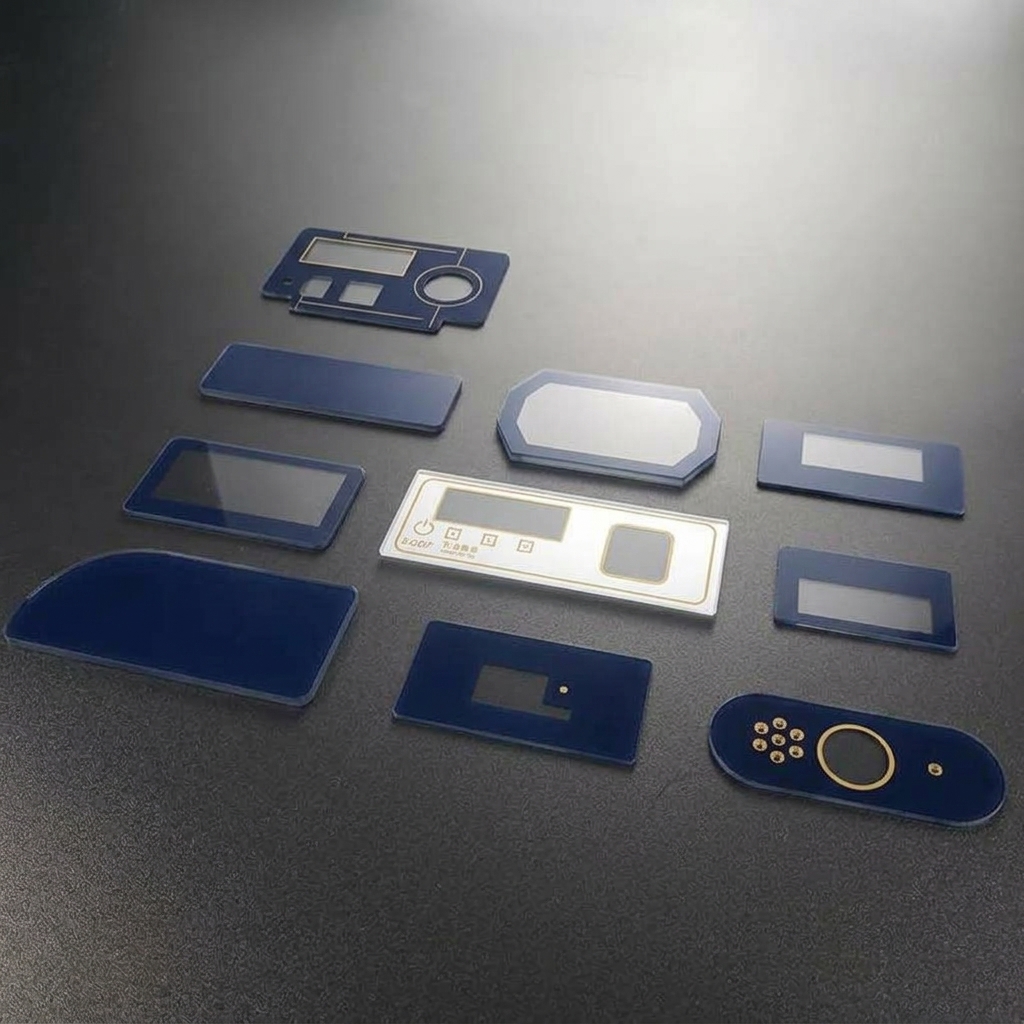
A simple display window may use a flat glass panel mounted over an LCD. A touchscreen design may require the glass to align with a touch sensor and adhesive layer. A control panel with physical buttons may need openings, printed symbols or transparent windows in specific positions.
Before requesting a quotation, confirm:
- Overall length and width
- Glass thickness and corner radii
- Mounting method and available clearance
- Holes, slots and other cutouts
- Active display area and touch-sensitive area
- Printed borders, logos and control markings
A dimensioned drawing is preferable to a rough measurement. If the design is still under development, a CAD file or reference sample can help the supplier identify missing details.
For manufacturing options, see WM Cover Glass Manufacturing Capabilities.
2. Select the Glass Material for the Application

Soda-lime glass and aluminosilicate glass are two materials that may be considered for electronic display covers. They do not have identical mechanical properties, processing requirements or costs.
The selection should take account of the panel dimensions, required thickness, expected mechanical loading, optical requirements and budget. A higher-cost material is not automatically the right choice for every fitness machine.
Strengthening should also be specified carefully. Chemical strengthening and thermal tempering are different processes, and their suitability depends on the glass composition, thickness, geometry and intended use.
For background on heat-treated flat glass, consult ASTM C1048-25. Its stated scope concerns heat-strengthened and fully tempered flat glass used in general building construction and related applications; it should not be treated as a complete fitness-equipment product safety standard.
The final material and strengthening requirements should be confirmed with the glass supplier and equipment engineering team.
3. Decide Whether an Anti-Glare Finish Is Necessary
Fitness equipment is used in different environments. A treadmill in a dimly lit home gym has different viewing conditions from a commercial exercise bike positioned under strong overhead lighting.
An anti-glare (AG) finish may help manage reflected light, but it can also change the appearance of the display. The appropriate finish depends on the display brightness, viewing angle, surface texture and required image quality.
Before specifying AG glass, consider:
- The typical lighting around the equipment
- Whether reflections interfere with reading workout data
- The required image sharpness and contrast
- The appearance of the surface under normal viewing conditions
- Compatibility with the touch interface, if present
Anti-reflective (AR) treatment addresses a different optical issue, while anti-fingerprint (AF) treatment is intended to reduce fingerprint adhesion and improve ease of cleaning. These treatments should not be treated as interchangeable.
If your project requires a particular optical result, define the target performance and evaluation method rather than specifying a coating name alone.
4. Check Touchscreen Compatibility
Not every fitness display uses touch input. Some machines rely on physical buttons, while others use capacitive touchscreens or integrated touch displays.
For a touchscreen assembly, the glass thickness, sensor design, adhesive and air gap can affect the final performance. A surface treatment or printed area may also need to be considered when the touch interface is close to the glass surface.
Provide the display or touch-module specifications where available. Testing the proposed cover glass with the intended assembly is more reliable than assuming that a glass panel will work with every touchscreen.
For non-touch displays, focus instead on the viewing window, mounting arrangement, optical requirements and printed masking areas.
5. Define the Edges, Cutouts and Printed Areas
The outside shape is only one part of a custom glass drawing.
A production drawing should identify corner radii, edge finishing, holes, slots, notches and the dimensions of each opening. If the panel has a black printed border, the drawing should distinguish the opaque areas from the transparent viewing window.
For printed designs, specify the artwork, ink color, print side, alignment requirements and any areas that must remain clear. These details are especially important when the glass is assembled with a display or touch sensor.
Machining and edge processing should be completed in the appropriate sequence for the selected glass and strengthening process. For example, glass that has already been thermally tempered generally cannot undergo ordinary cutting or drilling afterward.
6. Consider Cleaning and Everyday Use
Fitness equipment displays are regularly touched and wiped. In commercial gyms, cleaning may occur more frequently than in home environments.
If cleaning compatibility is important, tell the supplier which cleaning products and procedures are expected. The glass, printed ink, adhesive and surface treatment should be evaluated as a complete system where relevant.
An AF coating may help reduce visible fingerprints, but it does not make a surface immune to dirt or eliminate the need for cleaning. Likewise, a strengthened glass specification should not be treated as a guarantee against breakage in every operating condition.
The equipment design, mounting support and foreseeable loads all contribute to the performance of the finished assembly.
7. Prepare a Complete RFQ Before Ordering Samples
A clear RFQ helps the supplier evaluate the actual manufacturing work instead of estimating from a product name alone.
Include the following information wherever possible:
| Specification | Information to provide |
|---|---|
| Application | Treadmill, exercise bike, elliptical trainer or other machine |
| Dimensions | Overall size, thickness and corner radii |
| Material | Preferred glass type or required performance |
| Geometry | Holes, slots, notches and cutouts |
| Edges | Ground, polished, chamfered or other defined finish |
| Surface treatment | AG, AR, AF or no additional treatment |
| Printing | Artwork, color, transparent windows and alignment |
| Assembly | LCD, touchscreen, adhesive or mounting details |
| Quantity | Prototype quantity and estimated production demand |
| Inspection | Critical dimensions and agreed appearance criteria |
If some details remain open, identify them instead of guessing. The supplier can then review the available information and advise which specifications need to be confirmed.
You can also review our custom cover glass cost guide for factors that affect the quotation.
Conclusion
Choosing cover glass for fitness equipment displays requires more than selecting a material and thickness. The panel geometry, installation method, display visibility, surface treatment, printing and touchscreen compatibility must work together in the finished product.
A complete drawing and a clear description of the operating environment make it easier to evaluate manufacturing options and reduce avoidable revisions during sampling.
WM Cover Glass supports custom OEM glass projects based on drawings, samples and technical specifications. For a fitness equipment display project, send the available dimensions, processing requirements and estimated quantity through our Contact Us page to request a quotation.