 +86-13925515590
 kleinma@aliyun.com

OCA Bonding vs. Adhesive Tape: 5 Key Factors for Display Glass

OCA Bonding vs. Adhesive Tape
When specifying cover glass for an LCD, HMI, or industrial display, the glass itself is only one part of the assembly. The adhesive interface between the cover glass and the display module can affect optical appearance, mechanical fit, assembly requirements, and long-term reliability.
Two common approaches are optically clear adhesive (OCA) bonding and pressure-sensitive adhesive (PSA) tape bonding. Both can be suitable for display assemblies, but they serve different design requirements.
For OEM buyers sourcing custom cover glass, the important question is not simply which adhesive is better. It is which bonding method fits the display structure, viewing requirements, mounting design, and production process.
1. What Is the Difference Between OCA Bonding and Adhesive Tape?
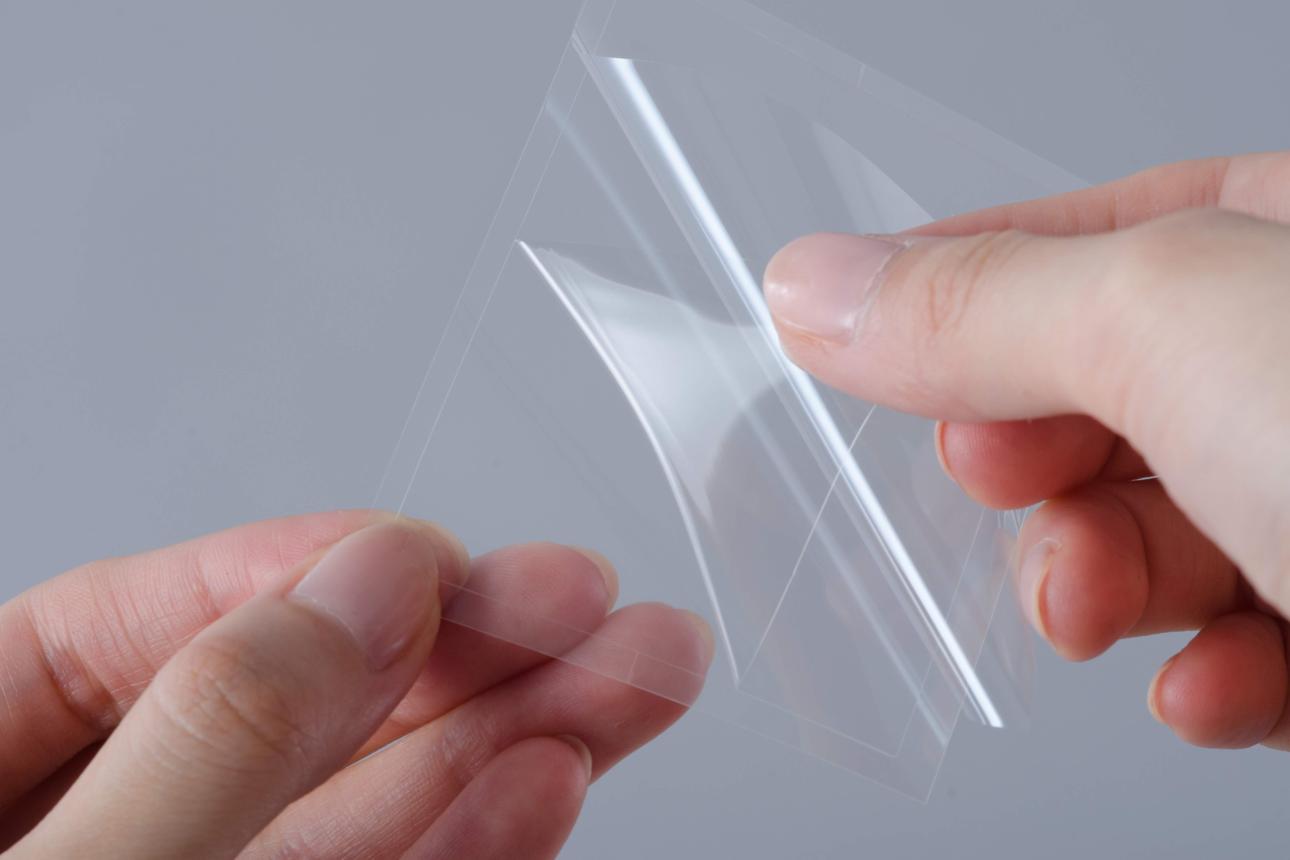
OCA is an optically clear adhesive material designed for applications where light transmission and visual appearance are important. It is commonly supplied as a film and used to bond optical components, such as cover glass and touch sensor assemblies.
Adhesive tape is a broader category. In display assemblies, double-sided pressure-sensitive adhesive tapes may be used around the perimeter of a cover lens or at selected bonding areas. Some specialized tapes are optically clear, while others are intended primarily for mechanical attachment.
These terms are not exact opposites. OCA is itself an adhesive material, and some adhesive tapes are optically clear. The practical distinction is between a bonding system designed for optical lamination and a tape-based attachment designed for a particular assembly structure.
OCA bonding may be appropriate when:
- The design requires an optically clear interface across a substantial viewing area.
- Reducing the visible air gap is important to the display design.
- The assembly process can accommodate controlled lamination and inspection.
- The cover glass and display components are compatible with the selected adhesive.
Adhesive tape may be appropriate when:
- The design uses a perimeter-bonded cover lens.
- The central viewing area does not require full-area optical bonding.
- The assembly requires a defined adhesive thickness or mounting arrangement.
- The tape has been validated for the substrate materials and service conditions.
The distinction matters because not every transparent adhesive tape is suitable for optical bonding, and not every display assembly needs full-area OCA lamination.
For material selection information, consult 3M’s optically clear adhesive technical resources.
2. Five Factors to Consider Before Selecting a Bonding Method
Factor 1: Optical Appearance
If the display must present clear images across the viewing area, the bonding interface deserves particular attention.
A full-area optical bond can reduce the air gap between transparent components. Depending on the display construction, this can help reduce reflections at internal interfaces and improve perceived readability.
Perimeter adhesive tape leaves an air gap across the central viewing area when the design is built that way. This may be acceptable for many displays, but it should not be assumed to provide the same optical performance as full-area bonding.
Before selecting a method, clarify:
- Is the central viewing area bonded or separated by an air gap?
- Is the display intended for indoor use, outdoor use, or both?
- Are reflections or viewing-angle performance critical?
- Does the design include a touch sensor between the cover glass and display?
The bonding method should follow the optical requirements of the complete module rather than the cover glass alone.
Factor 2: Display Structure and Touch Function
A cover glass may sit above a touch sensor, an LCD module, or a multilayer display assembly. Each configuration presents different bonding requirements.
For example, a design with a separate touch sensor may require bonding between the cover lens and sensor, between the sensor and display, or across multiple interfaces.
The adhesive must be compatible with the surfaces it contacts. These may include glass, transparent conductive coatings, printed ink borders, sensor films, or other optical materials.
Touch performance should also be considered. Adhesive thickness, dielectric properties, air gaps, and sensor positioning can influence capacitive touchscreen behavior.
For a custom project, provide the assembly stack-up whenever possible. A cross-sectional drawing is often more useful than a glass outline alone.
Factor 3: Black Printing and Ink-Step Coverage
Many cover glass designs include a black silk-screen border to conceal internal components, define the viewing window, or create a finished appearance.
This printed border can introduce a height difference between the printed and unprinted areas. The adhesive must accommodate that geometry without creating unacceptable bubbles, voids, or visible defects.
The appropriate solution depends on several variables:
- Ink type and printing thickness.
- Width and geometry of the printed border.
- Adhesive thickness and conformability.
- Surface cleanliness and preparation.
- Lamination pressure and process conditions.
Some OCA products are designed to accommodate ink steps, but their suitability depends on the actual construction.
When requesting custom glass, include the printing layout and identify which face of the glass receives the ink. This helps the engineering team assess the interface before production.
Factor 4: Dimensions, Flatness, and Assembly Tolerances
The cover glass must fit the intended housing and bonding area.
For perimeter tape, the width and continuity of the adhesive path, corner geometry, mounting features, and available bonding area can be critical. Poor alignment or an unsuitable adhesive path may cause incomplete contact or interfere with assembly.
For full-area OCA lamination, the glass dimensions, substrate flatness, surface condition, and alignment of the bonded components are also important.
The drawing package should specify, where applicable:
- Overall glass dimensions and thickness.
- Hole, notch, and cutout positions.
- Edge finish and corner radii.
- Printed border dimensions and viewing-window size.
- Required dimensional tolerances.
- Bonding area and adhesive thickness requirements.
Do not assume that the same dimensional tolerances will suit every bonding process. Requirements should be confirmed against the equipment, adhesive system, and assembly design.
For available glass processing options, see WM Cover Glass manufacturing capabilities.
Factor 5: Environmental Conditions and Production Requirements
A bonding method that works during initial assembly may not necessarily meet the requirements of the finished product.
Consider the conditions the display will encounter during use, including temperature changes, humidity, UV exposure, cleaning agents, vibration, and mechanical loading.
The selected adhesive should be validated for the actual combination of substrates and operating conditions. Relevant checks may include adhesion, optical appearance, bubble formation, edge lifting, and changes after environmental exposure.
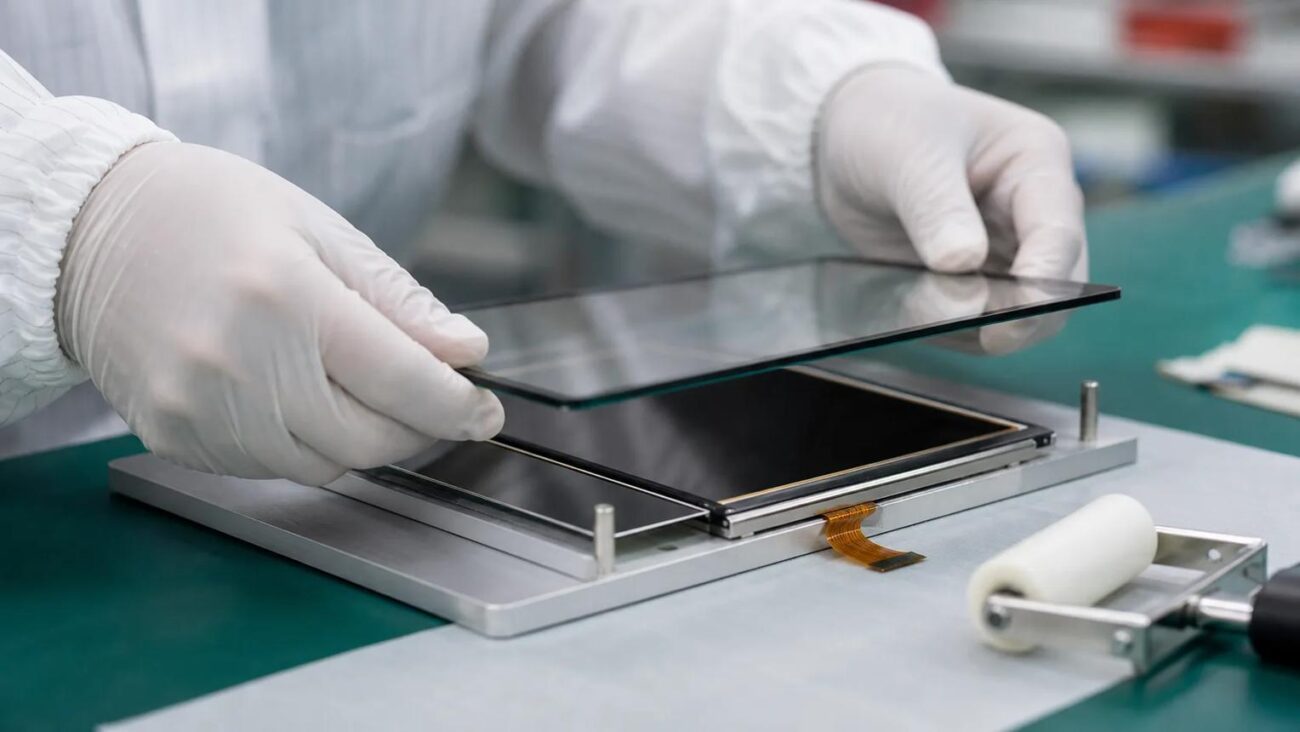
Production requirements matter too. Full-area optical lamination may require controlled alignment, clean working conditions, specialized equipment, and inspection procedures. Tape-based assembly may have different handling and process requirements.
Neither method is automatically more reliable or less expensive. The correct comparison should account for the complete assembly process, expected yield, inspection requirements, and production volume.
3. OCA Bonding vs. Adhesive Tape: Comparison Table
| Consideration | Full-area OCA bonding | Perimeter adhesive tape |
|---|---|---|
| Bonding area | Across the intended optical interface | Usually around the perimeter or selected areas |
| Central air gap | Typically eliminated at the bonded interface | May remain, depending on the design |
| Optical performance | Suitable for optical lamination when correctly specified | Depends on tape clarity and assembly structure |
| Ink-step requirements | Conformability must match the printed geometry | Placement and compression must suit the mounting design |
| Assembly process | Usually requires controlled lamination | Often involves tape placement and controlled assembly |
| Key specification | Optical properties, thickness, substrate compatibility, lamination requirements | Tape width, thickness, adhesive properties, placement and bonding conditions |
| Selection basis | Validate against the complete optical stack-up | Validate against the mounting structure and service conditions |
This comparison describes typical configurations rather than universal rules. Optically clear adhesive tapes can also be supplied in tape formats, so the product name alone is not enough to determine suitability.
For a further explanation of display bonding structures, see Avnet’s guide to OCA, LOCA, and air-gap bonding.
4. Which Bonding Method Is Suitable for Your Display?
The following examples illustrate how application requirements can guide the initial decision.
Industrial HMI and Control Panels
An industrial HMI may use either a perimeter-bonded cover lens or an optically bonded assembly. The decision depends on viewing requirements, touch integration, environmental conditions, and the mechanical design of the housing.
For industrial projects, confirm the mounting arrangement and environmental requirements before specifying the adhesive.
Explore industrial display glass solutions for related cover glass applications.
Outdoor Kiosks and Information Displays
Outdoor visibility may make reflections an important design consideration. Full-area optical bonding may be worth evaluating where internal reflections affect readability.
However, optical bonding alone does not guarantee outdoor suitability. The cover glass surface treatment, display brightness, sealing design, temperature range, and UV resistance must also be considered.
Touchscreen Equipment
For capacitive touchscreens, the complete stack-up must be evaluated. The adhesive, sensor, cover glass, and display should work together without unacceptable effects on touch response or optical appearance.
If the design includes a black printed border, the ink-step geometry should be included in the evaluation.
Equipment with a Defined Mounting Frame
Where the cover lens attaches to a housing or frame and an air gap is acceptable, perimeter adhesive tape may be a practical option. The mounting surface, adhesive path, and mechanical loads must still be checked.
The most useful starting point is the actual assembly drawing rather than the application name alone.
5. What Should OEM Buyers Include in a Cover Glass RFQ?
When requesting a quotation for custom display cover glass, provide enough information to evaluate both the glass and the bonding interface.
A useful RFQ package should include:
- Glass dimensions: Overall size, thickness, shape, corner radii, holes, and cutouts.
- Material and strengthening: Glass type, thickness, and required strengthening process.
- Surface treatment: AG, AR, AF, or other specified surface requirements.
- Printing: Ink color, printed face, border dimensions, and viewing-window geometry.
- Bonding method: Full-area OCA, perimeter adhesive tape, or a proposed method that needs engineering review.
- Assembly drawing: A cross-sectional stack-up showing the cover glass, sensor, display, housing, and bonding areas.
- Performance requirements: Optical appearance, touch response, environmental conditions, and applicable inspection criteria.
- Order details: Prototype quantity, expected production volume, and delivery requirements.
If the bonding method has not yet been decided, state that in the RFQ. The supplier can then review the available glass-processing options and identify the information needed for a more specific recommendation.
For more information about available processing options, visit WM Cover Glass capabilities.
6. How WM Cover Glass Can Support Your Project
WM Cover Glass provides OEM cover glass processing for electronic displays, touchscreens, and industrial equipment. Available capabilities include cutting, CNC machining, chemical strengthening, thermal tempering, silk-screen printing, and surface treatments.
For projects involving optical bonding or adhesive tape, the cover glass specification should be evaluated alongside the intended assembly structure. This is particularly important when the design includes printed borders, precision cutouts, or specific optical requirements.
To discuss a project, prepare your drawing, target dimensions, glass thickness, surface-treatment requirements, and expected quantity.
Visit the WM Cover Glass manufacturing capabilities page or contact the team for a custom quotation.
Frequently Asked Questions
Is OCA better than adhesive tape for display cover glass?
Not in every application. Full-area OCA bonding is often considered when the design requires an optically bonded interface. Perimeter adhesive tape may be suitable when the assembly uses a mounting frame or an air gap is acceptable. The choice depends on optical requirements, structure, materials, and operating conditions.
Does OCA bonding eliminate all reflections?
No. It can reduce reflections associated with certain internal air interfaces, but reflections from the outer glass surface and other interfaces may remain. The actual improvement depends on the optical stack-up and surface treatments.
Can adhesive tape be used with a black printed glass border?
Yes, in suitable designs. The adhesive path, printed border geometry, ink-step height, and tape properties must be compatible with the assembly. Testing may be needed to confirm consistent contact.
Does OCA bonding affect touchscreen sensitivity?
It can affect touchscreen performance depending on the sensor design, adhesive properties, thickness, and assembly structure. The complete touch system should be evaluated rather than assuming that all OCA products behave identically.
What information is needed to quote custom cover glass with bonding?
Provide a technical drawing, dimensions, thickness, glass type, printing layout, surface treatment, bonding area, expected quantity, and relevant performance requirements. If possible, include a cross-sectional assembly drawing and identify whether the bonding method has already been selected.
Request a Custom Cover Glass Quote
Need custom cover glass for an LCD, HMI, or touchscreen assembly?
Send your drawing, glass specifications, printing requirements, bonding preferences, and target quantity. If you are still comparing OCA bonding with adhesive tape, include the assembly structure and optical requirements so the project can be evaluated more accurately.