+86-13925515590
 kleinma@aliyun.com


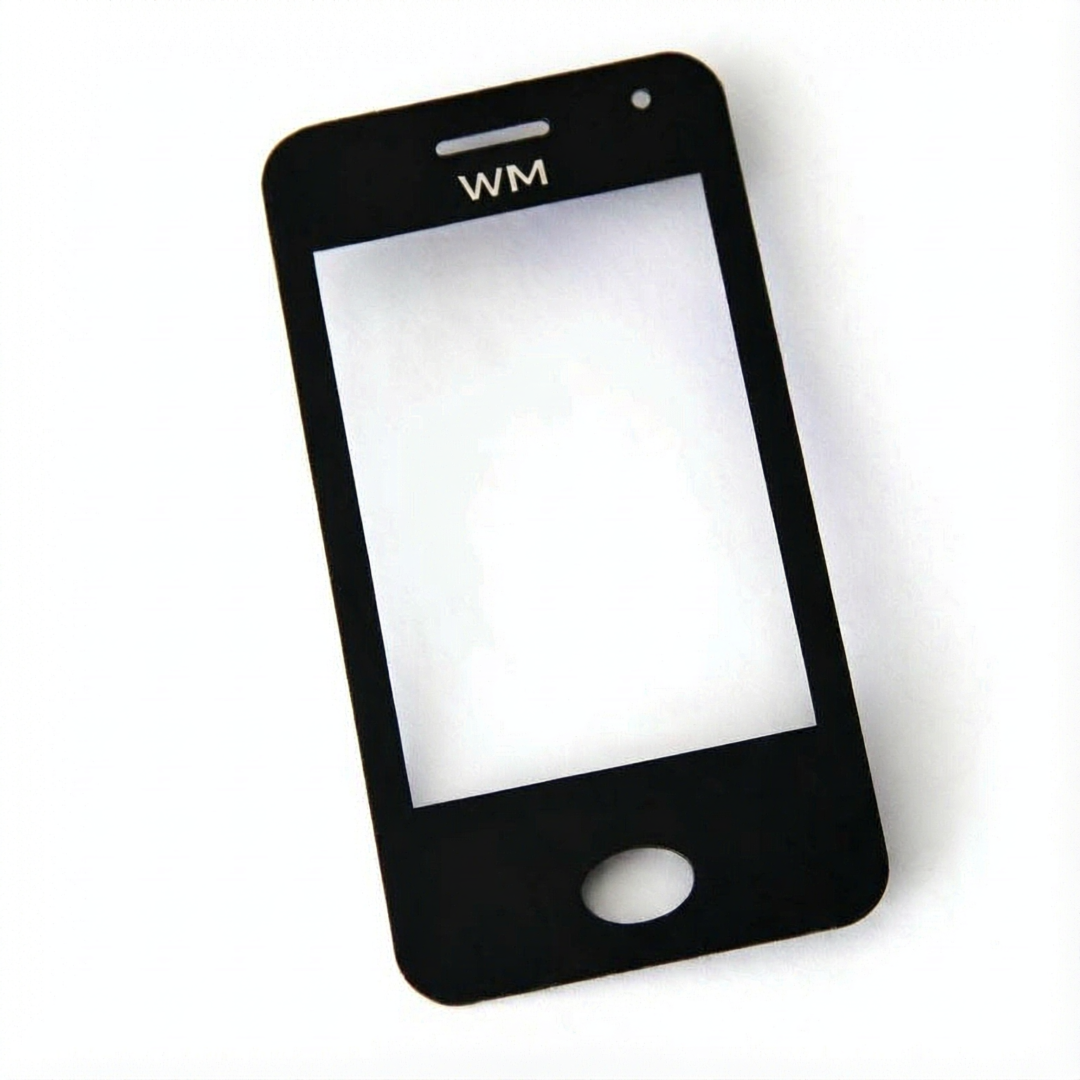
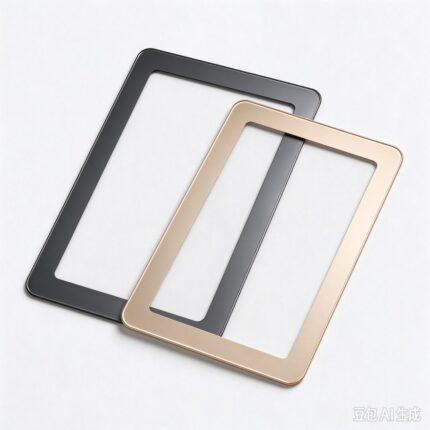
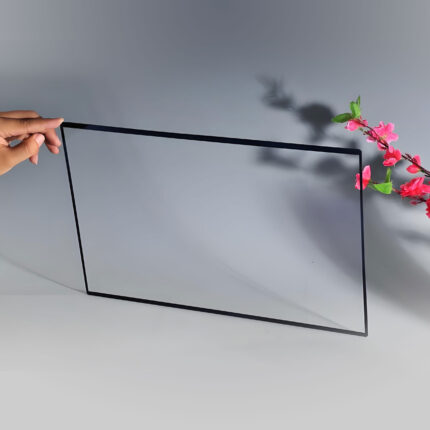
Smart Appliance Control Panel Glass
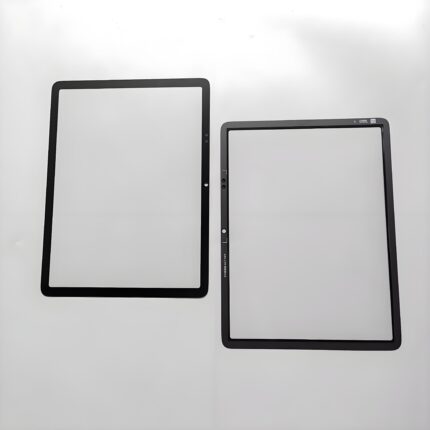
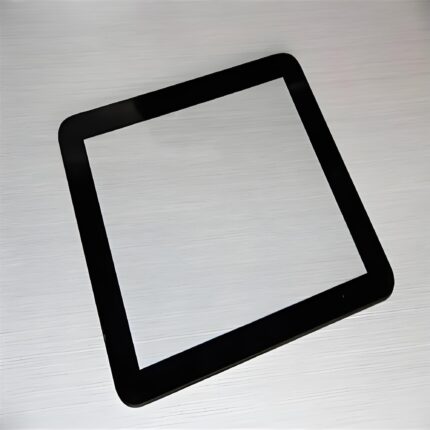
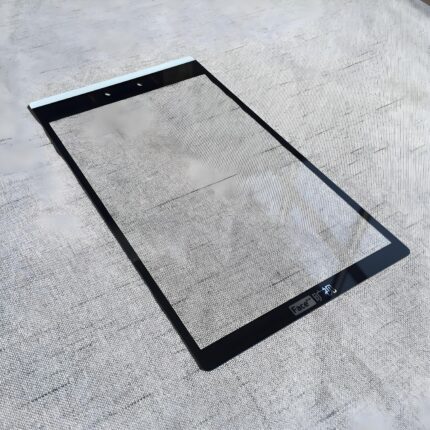
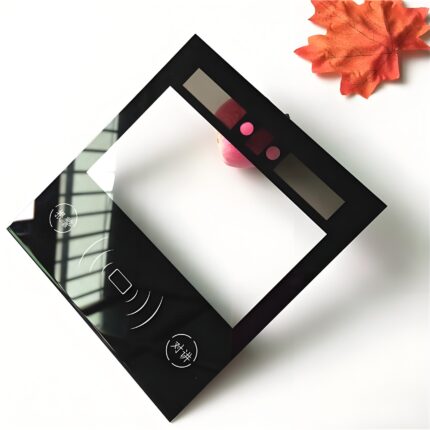
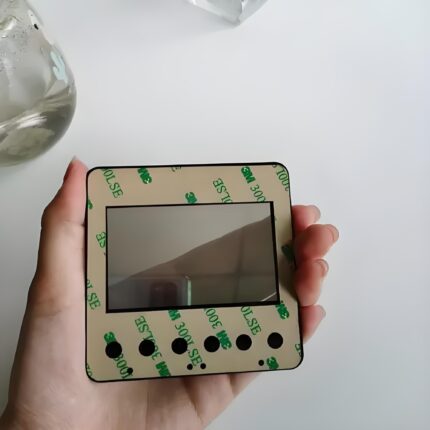
Smart appliance control panel glass is the visible interface between the user and the electronics inside a modern household appliance. It must do more than provide a clean, premium appearance. The glass, printed graphics, display windows, touch sensors and mounting structure need to work together as one assembly.
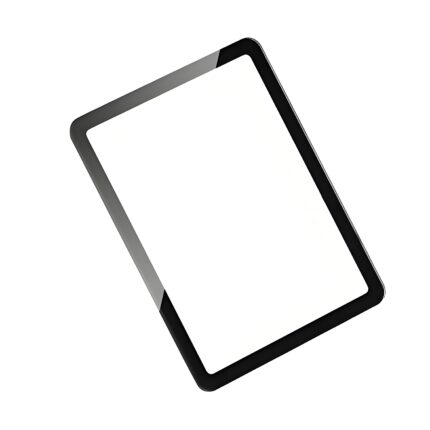
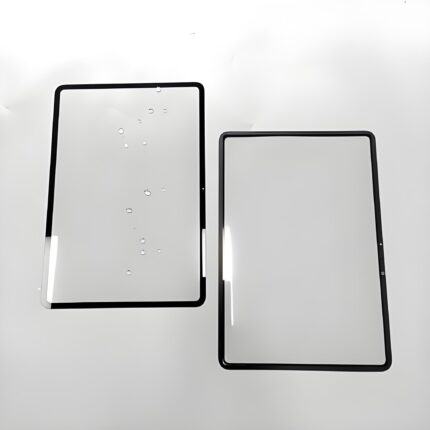
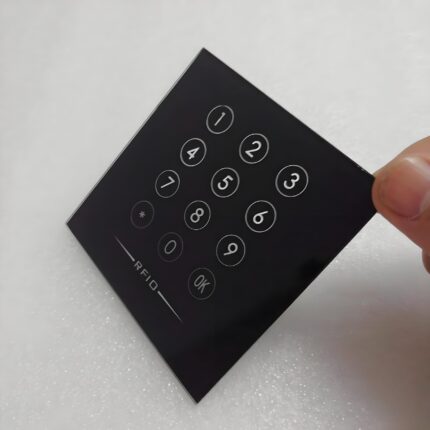
WM Cover Glass supplies custom smart appliance control panel glass for OEM appliance projects, manufactured to customer drawings and application requirements. Options can include black or colored silk-screen printing, display windows, precision-cut openings, edge finishing, glass strengthening and selected surface treatments, subject to material and process compatibility.
From an oven control fascia to a refrigerator display interface or a washing machine touch panel, the design starts with the actual appliance construction rather than a standard glass size.
Request a Quote: Send your smart appliance control panel glass drawing, artwork, application details and estimated order quantity for a project review.
Custom Smart Appliance Control Panel Glass for Different Appliances

A glass panel used on a kitchen appliance does not necessarily have the same requirements as one used on a refrigerator or a compact countertop device. The operating environment, display arrangement, cleaning routine and mounting method all affect the design.
Oven and Microwave Smart Appliance Control Panel Glass
An oven interface may combine a digital display, touch icons, rotary-control openings and a dark printed border. For a custom smart appliance control panel glass for oven applications, the glass construction and decorative system must be assessed against the actual temperature exposure and distance from heat sources.
The visible surface temperature is not determined by the glass alone. Appliance construction, ventilation, seals and the location of the control interface also matter. Material selection and any strengthening or printing process should therefore be reviewed against the equipment manufacturer’s requirements.
Typical customization options include:
- Black or colored printed borders
- Transparent or translucent display windows
- Cutouts for knobs, indicators or mounting features
- Custom corner radii and finished edges
- Print layouts matched to the approved interface artwork
Where the panel is exposed to elevated temperatures, the suitability of the substrate, ink and adhesive system must be verified for the intended operating conditions.
Refrigerator and Freezer Display Panels
Refrigerator control panels often use a dark fascia with a defined digital display area. When the display is off, the inactive area may need to blend into the surrounding print. When illuminated, the required digits and icons must remain readable.
This appearance depends on more than ink color. Substrate tint, ink opacity, display brightness, viewing angle and the distance between the glass and display can all affect the result.
For these projects, the drawing and artwork should identify the display window, printed masking areas, indicator locations and critical dimensions. An assembled sample is the best way to evaluate the appearance before approving production.
Washing Machine and Dishwasher Touch Panels
For washing machines and dishwashers, the interface may be exposed to repeated finger contact, moisture, detergent residue and frequent cleaning.
A suitable smart appliance contron panel glass for home appliances should be designed around the touch sensor and the finished enclosure. The glass thickness, sensor sensitivity, printed areas, adhesive layer and air gap can influence touch response.
Optional anti-fingerprint (AF) or anti-glare (AG) treatments may be considered where appropriate. Their suitability should be checked against cleaning agents, optical requirements and the intended touch-panel construction.
Range Hood and Small Appliance Interfaces
Range hoods, coffee machines, air treatment equipment and other countertop appliances may use compact the smart appliance control panel glass interfaces with illuminated symbols or concealed display windows.
For these products, small positional differences can be noticeable. The print, openings and external profile need to align with the housing and electronic components, especially where the interface has narrow borders or closely spaced icons.
For additional background on glass-based appliance interfaces, touch functionality and decorative printing, see SCHOTT’s control panel solutions for home appliances.
Engineering Options for Smart Appliance Control Panel Glass
The following options can be reviewed for an OEM project. Final specifications depend on the drawing, substrate and application.
| Design requirement | Available options | Key review point |
|---|---|---|
| Glass substrate | Soda-lime, aluminosilicate or other suitable glass | Strength, thermal conditions and availability |
| Thickness | Custom thickness subject to feasibility | Touch response, support and mounting |
| Shape and dimensions | Rectangular, rounded or custom profiles | Assembly datums and dimensional tolerances |
| Openings | Holes, slots and shaped cutouts | Edge distance and stress concentration |
| Glass edge processing | Ground, polished or specified edge profiles | Handling safety and exposed-edge requirements |
| Decorative printing | Black, white, colored or multicolor silk-screen graphics | Opacity, color and registration |
| Display windows | Clear or controlled-transmission areas | Display brightness and visibility |
| Surface treatments | AG, AR or AF where suitable | Reflections, fingerprints and cleaning |
| Strengthening | Thermal or chemical strengthening where compatible | Glass type, thickness and geometry |
Not every option is suitable for every glass construction. For example, the material and strengthening route must be selected before finalizing small holes, narrow sections and other features that may be sensitive to processing stress.
The Details That Affect Production Quality
1. Printed Areas Must Match the Actual Display
A control panel can look correct when viewed as an unlit glass component and still perform poorly once installed. A display window that is too opaque may reduce brightness, while insufficient masking can reveal inactive areas or create unwanted light leakage.
The artwork should define the printed regions, transparent windows, icon positions and any required color references. For backlit interfaces, approval should include the actual display or representative lighting conditions.
2. Touch Performance Must Be Checked After Assembly
Glass thickness alone does not determine whether a capacitive touch interface will work reliably. Sensor design, controller settings, electrode layout, adhesive thickness, air gaps and printed regions may all influence the result.
For this reason, the correct approach is to validate touch response using the intended sensor and the assembled panel. A smart appliance control panel glass component should not be described as universally touch-compatible without checking the actual electronic stack.
3. Openings and Edge Geometry Need Early Review
Holes, slots, internal corners and narrow glass sections can affect manufacturability and breakage risk. Their geometry should be reviewed before the glass processing route is finalized.
For thermally tempered glass, cutting and mechanical machining are normally completed before tempering. Chemical strengthening follows a different process route, but the glass still needs to be evaluated for edge quality and geometric limitations.
The drawing should specify hole positions, corner radii, edge profiles and critical dimensions. Where the glass locates against a housing or sensor assembly, the reference datums should be clearly identified.
4. Cleaning Requirements Influence Surface Selection
A frequently touched appliance interface may show fingerprints, grease or detergent residue. AF treatment can help reduce visible fingerprint marks, while AG treatment can reduce reflections by diffusing incident light.
These treatments serve different purposes. AG may change image sharpness or display appearance, and AF performance depends on the coating system and cleaning conditions. Neither treatment should be selected without considering the finished product’s optical and maintenance requirements.
For additional processing information, see our Glass Edge Processing page and Cover Glass Solutions page.
OEM Manufacturing Process
A practical manufacturing workflow begins with design review and ends with inspection against agreed acceptance criteria.
1. Drawing and artwork review
Review the overall dimensions, thickness, hole locations, edge geometry, print layout, display windows and installation method. Identify features that may require clarification before production.
2. Material and process selection
Evaluate the substrate, strengthening method, printing process and optional surface treatments against the application conditions. Heat exposure and touch-panel construction should be included where relevant.
3. Sample production and assembly validation
Use representative samples to confirm fit, print alignment, display visibility and touch response. For critical appearance requirements, approve the smart appliance control panel glass under agreed lighting conditions and, where possible, with the intended electronics installed.
4. Production and inspection
Manufacturing and inspection criteria should follow the approved drawing and sample. Relevant checks may include dimensions, thickness, hole position, edge condition, print registration, color appearance and surface defects.
5. Packaging and shipment
Packaging should protect exposed surfaces and finished edges during handling and transportation. The packing method should be agreed according to panel size, thickness, quantity and shipment conditions.
What to Include in Your RFQ
To help us assess your smart appliance control panel glass project, please provide as much of the following information as available:
- Application: Oven, refrigerator, washing machine, range hood or another appliance.
- Glass dimensions: Length, width, thickness and corner radius.
- Drawing: Dimensioned PDF, DWG, DXF or an equivalent technical drawing.
- Artwork: Vector graphics, print colors, logos and display-window locations.
- Glass requirements: Preferred substrate, strengthening method and edge finish, if specified.
- Interface requirements: Touch sensor type, display construction and any backlighting requirements.
- Operating conditions: Expected temperature exposure and cleaning environment.
- Quantity: Prototype quantity, initial order and estimated repeat demand.
- Inspection requirements: Critical tolerances, appearance criteria and any required test documentation.
If the final material or process has not yet been selected, send the application details and current drawing first. The initial review can identify which specifications need to be confirmed before quotation.
Discuss Your Appliance Glass Project
WM Cover Glass solutions support custom smart appliance control panel glass projects based on customer drawings, application requirements and agreed manufacturing specifications. Contact us to discuss your design, sample requirements and production quantities.
Frequently Asked Questions
Can you manufacture smart appliance control panel glass for different home appliances?
Custom panels can be developed for applications such as ovens, refrigerators, washing machines, dishwashers, range hoods and small appliances, subject to material and process feasibility.
Can I order a smart appliance control panel glass with custom printing?
Yes. The artwork can specify black or colored borders, logos, icons, display windows and other decorative or functional graphics. Final print colors and appearance should be approved against agreed samples.
Can you make a custom glass panel for an oven?
Oven control panels can be reviewed for custom dimensions, openings, printed interfaces and display windows. The material, ink system and any adhesive must be suitable for the actual temperature exposure of the installed panel.
Can smart appliance control panel glass for home appliances support capacitive touch?
Glass can be designed for capacitive touch interfaces, but final performance depends on the glass thickness, sensor design, controller, printing and assembly stack. Validation with the intended electronics is recommended.
Which surface treatments are available?
AG anti-glare, AR anti-reflective and AF anti-fingerprint treatments may be considered according to the application. Availability and compatibility depend on the selected glass and manufacturing route.
What is needed for an OEM quotation?
A dimensioned drawing, artwork, preferred material and thickness, application conditions, estimated quantities and critical inspection requirements provide a useful starting point. Missing specifications can be clarified during the engineering review.