+86-13925515590
 kleinma@aliyun.com


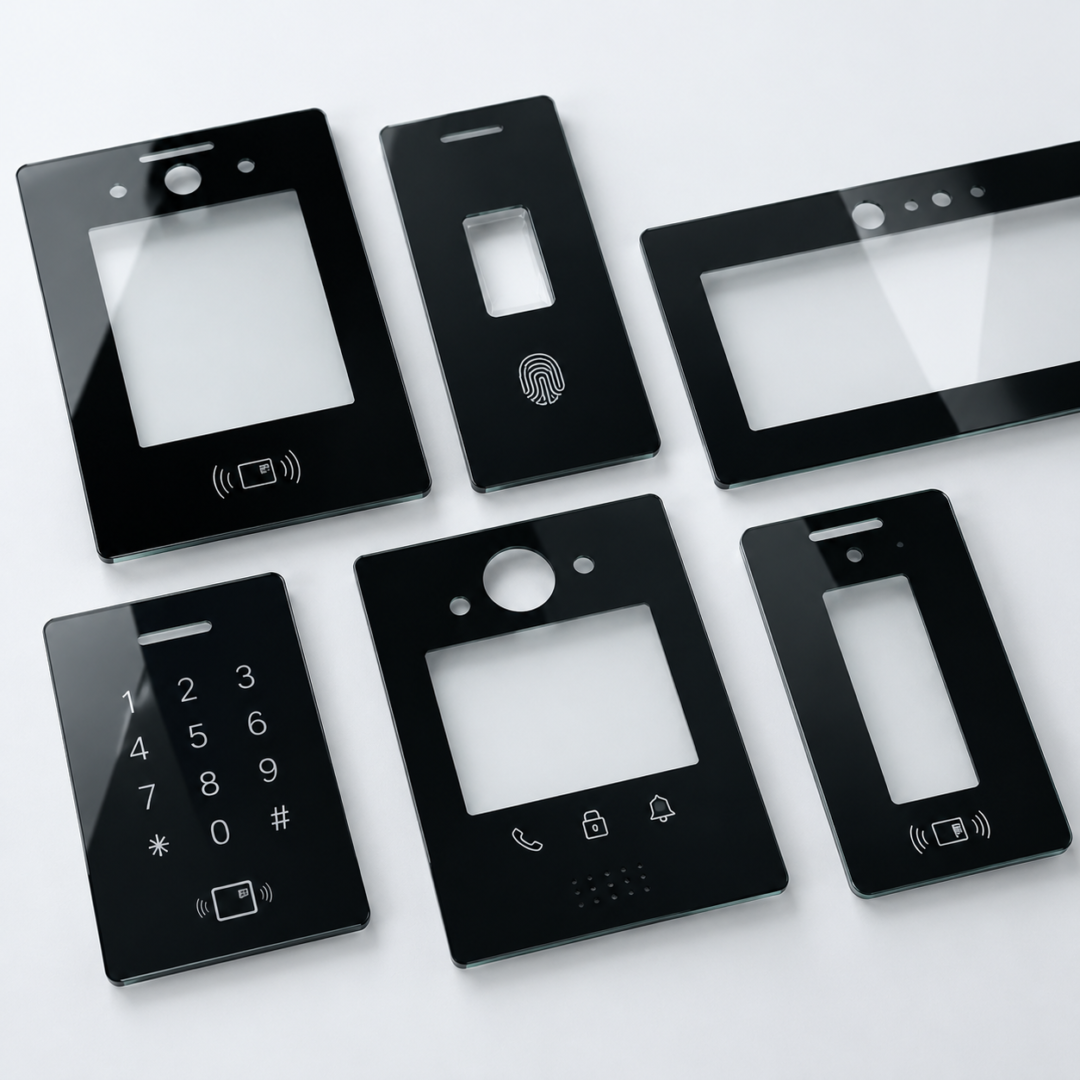
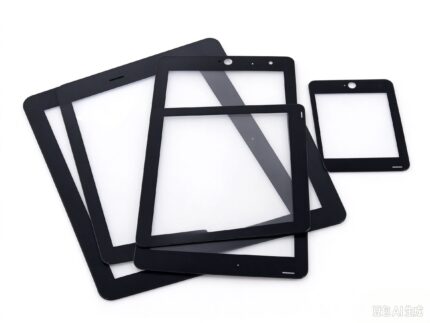
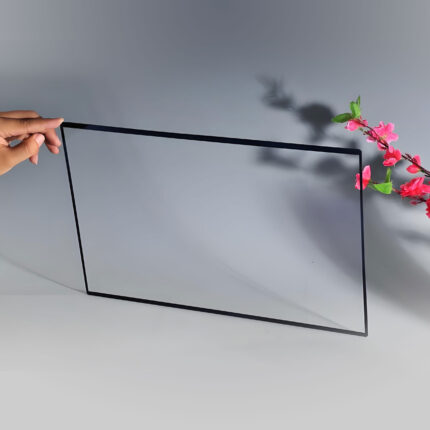
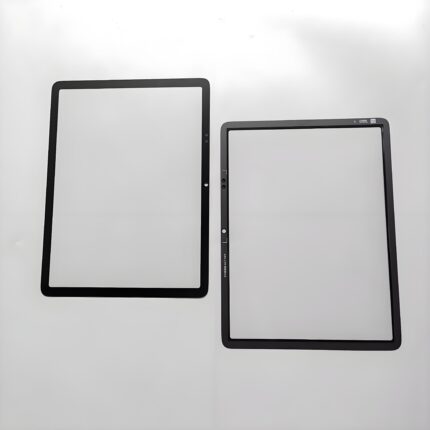
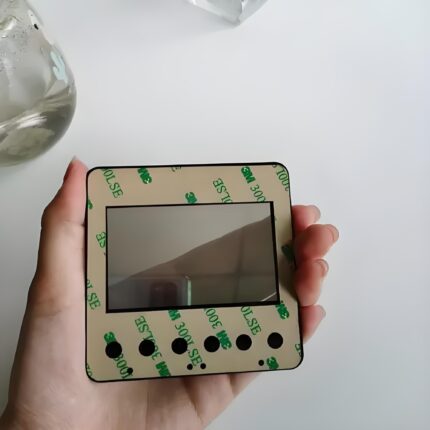
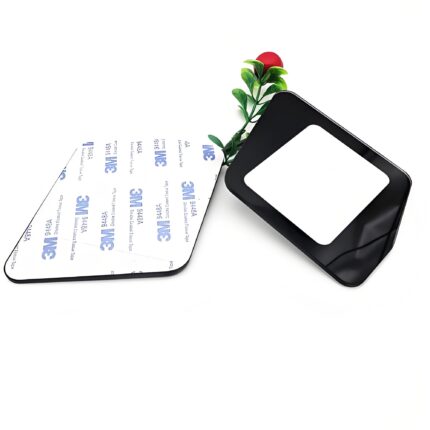
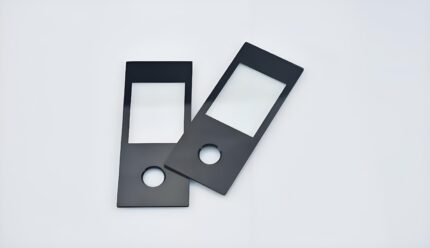
Access Control Panel Glass
Access control devices are used at building entrances, office doors, apartment complexes, industrial facilities and other restricted areas. Their front panels need to accommodate different functions, including fingerprint recognition, RFID card reading, keypad input, camera imaging and touch-based operation.
The access control panel glass is more than a decorative front cover. Its dimensions, printed areas, surface finish and optical properties can affect how the finished device looks and how its individual components operate.
WM Cover Glass manufactures custom access control panel glass for security equipment manufacturers and OEM device developers. We support made-to-drawing glass components for biometric readers, door entry terminals, smart access systems and electronic security panels.
Custom Access Control Panel Glass for Different Access Control Devices
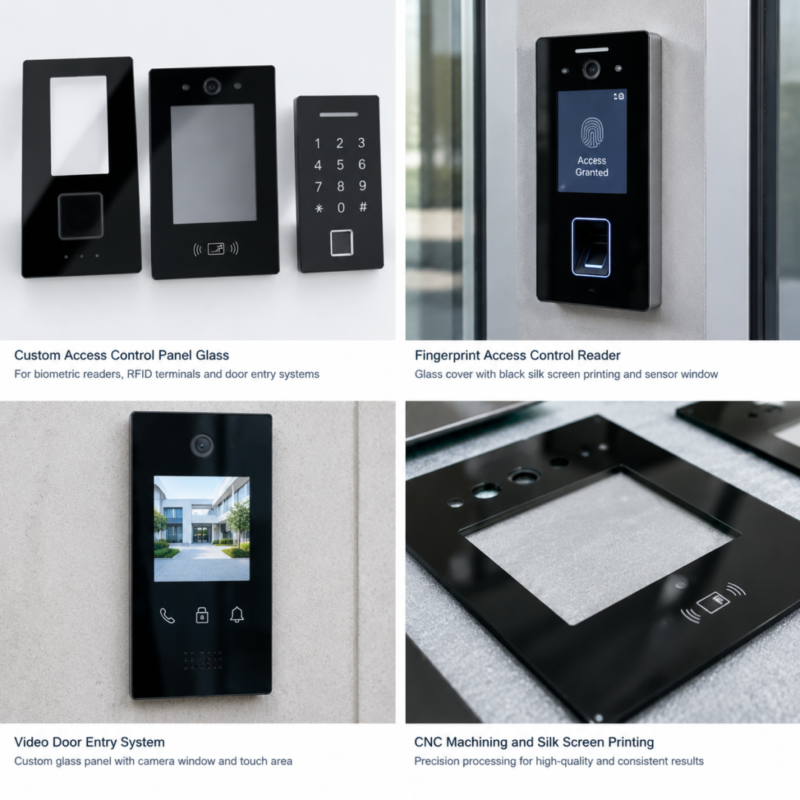
Not all access control terminals have the same front-panel structure. A fingerprint reader may require a dedicated sensor window, while a video door entry terminal needs a clear optical area for its camera and display.
We manufacture glass covers according to the device layout rather than relying on a universal panel design.
Typical applications include:
- Fingerprint access control readers: Glass covers with accurately positioned openings or transparent areas for fingerprint sensor modules.
- Face recognition terminals: Front glass with camera windows and carefully controlled black printed borders to separate optical areas from concealed components.
- RFID and NFC card readers: Custom glass panels for card-reading terminals, with attention to the position of antennas and other electronic components.
- Video door entry systems: Protective glass for integrated displays, camera windows, touch buttons and speaker areas.
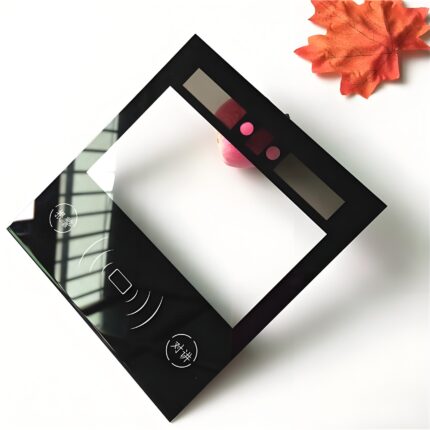
- Keypad access control panels: Printed glass surfaces with defined button symbols, numerical markings and touch-sensitive operating areas.
- Smart building access terminals: Customized front covers for electronic entry systems installed in commercial and residential buildings.
Each application requires a different combination of glass processing and functional design. The final drawing should define the active display area, sensor locations, printed regions and mounting requirements.
Glass Materials and Thickness Options
The appropriate glass material depends on the device structure, required mechanical performance, panel dimensions and production process.
WM HMI cover Glass supports several material options for access control equipment.
Aluminosilicate glass is suitable for applications where a thin glass panel and chemical strengthening are required. It can be considered for compact access readers and touch-operated security terminals.
Soda-lime glass offers a practical option for many conventional electronic control panels. It can be processed with customized dimensions, edge finishing, drilling, screen printing and other secondary operations.
Chemically Strengthened Glass
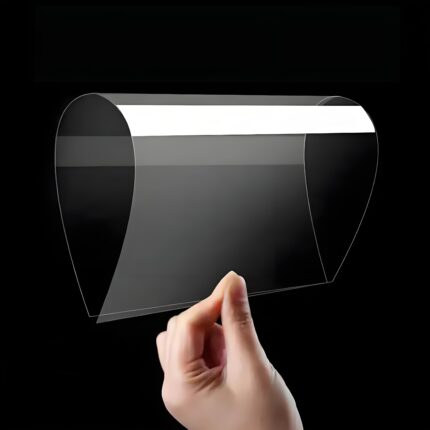
Chemical strengthening can improve the surface compressive stress of glass and is worth considering for thin cover panels that require improved mechanical performance.
Material selection should be based on the required thickness, impact conditions, edge design and final assembly rather than material name alone.
Glass thickness is customized according to the product design. Thin glass may be suitable for compact reader modules, while larger front panels may require a different thickness and support structure.
Functional Processing for Access Control Panel Glass
A finished access control panel often combines several processing requirements. These details should be reviewed before sample production.
CNC Cutting, Drilling and Custom Openings
Access control panels may contain camera openings, microphone openings, speaker windows, mounting holes and other specially shaped features.
CNC machining allows the access control panel glass outline and specified openings to be manufactured according to customer drawings.
For designs containing multiple sensor windows, the position and tolerance of each feature should be clearly defined. This is particularly important when the glass must align with an existing housing or electronic module.
All required cutting, drilling, notching and edge processing must be completed before the glass strengthening process.
Black Silk-Screen Printing
Black silk-screen printing is commonly used on electronic access control front panels.
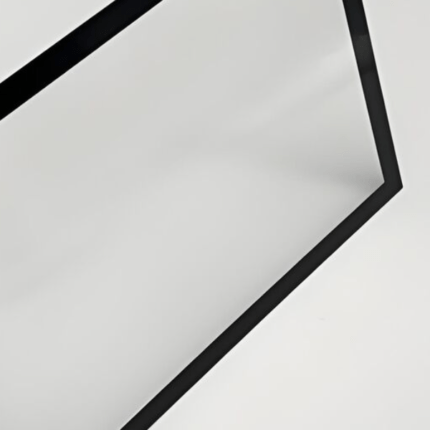
It can conceal internal components, create a defined border around the display and provide a consistent appearance across different product models.
Printed areas can be designed around:
- LCD and touchscreen display windows
- Fingerprint sensor areas
- Camera and infrared recognition windows
- Speaker and microphone areas
- LED indicators and status lights
- Logo and product identification markings
For complex designs, the customer should provide the original artwork or DWG / DXF file with clearly identified transparent windows and printed regions.
The printing design must also be checked against the optical requirements of the camera, display and sensor modules. A printed area should not unintentionally cover an active recognition or sensing window.
AF, AG and AR Surface Treatments
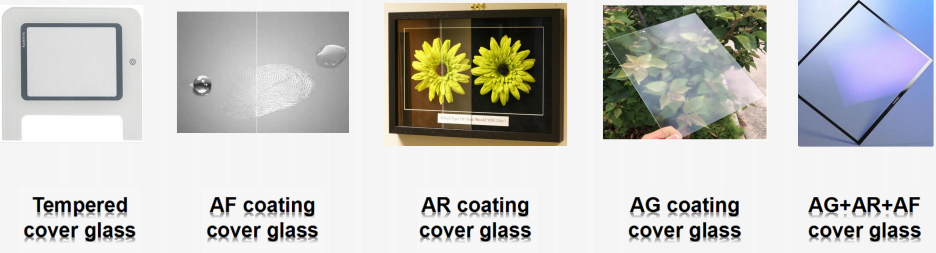
Different surface treatments can be selected according to the equipment’s operating environment and user interaction requirements.
Anti-Fingerprint (AF) Coating
AF coating helps reduce visible fingerprints and makes frequently touched glass surfaces easier to clean. It is a useful option for fingerprint readers, keypad panels and touch-operated access terminals.
Anti-Glare (AG) Treatment
AG treatment reduces reflected glare from the glass surface. It can be considered for access terminals installed in brightly lit entrance areas or locations with strong ambient lighting.
The surface texture and haze level should be evaluated together with display readability and image clarity.
Anti-Reflective (AR) Coating
AR coating reduces surface reflections and can improve the viewing experience of display windows. It is worth considering for video door entry systems and access terminals with integrated LCD displays.
The coating type should be selected according to the optical performance required by the finished device.
Important Design Considerations Before Production
A glass panel can meet its drawing dimensions and still create problems during final assembly if important functional details have not been considered.
For access control equipment, we recommend reviewing the following points before confirming a production order.
1. Sensor and Camera Alignment
The glass drawing should identify the exact position and size of each functional window. Camera and infrared recognition areas should be coordinated with the optical module supplier.
2. Touchscreen Compatibility
For touch-enabled access terminals, the glass thickness, material and surface treatment should be evaluated with the selected touch sensor. A custom touch screen cover glass is not automatically a complete touch sensor.
3. Printed Area Accuracy
Black borders, icons and transparent windows need to match the display and electronic component layout. Artwork should be approved before mass production.
4. Edge and Mounting Design
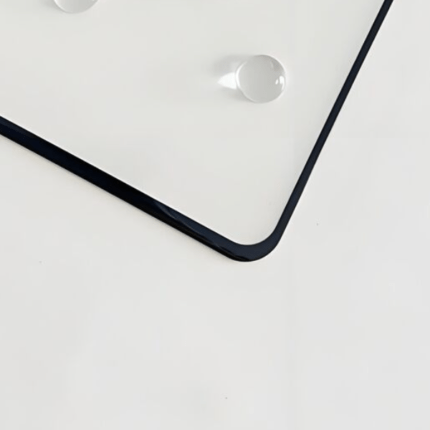
The glass outline, corner radius, edge finish, adhesive bonding area and housing clearance all influence assembly. These details should be included in the technical drawing.
5. Outdoor Installation Requirements
For entrance terminals installed outdoors, the complete device design should account for moisture, dust, temperature changes and UV exposure. The glass panel alone does not establish an IP rating or make the finished terminal waterproof.
These checks help reduce drawing revisions and avoid unnecessary changes after sample assembly.
Custom Access Control Panel Glass Manufacturing
WM cover access control panel glass provides OEM glass processing based on customer drawings, samples and technical specifications.
Available manufacturing options include:
- Customized glass dimensions and thickness
- Aluminosilicate and soda-lime glass materials
- Chemical strengthening and thermal tempering
- CNC cutting, drilling and notching
- Flat edge grinding and polishing
- Black and customized silk-screen printing
- AR, AG and AF surface treatments
- Customized camera and sensor windows
- Inspection of dimensions, appearance and printing quality
Prototype development and production quantities can be discussed according to the project requirements.
For new access control devices, we recommend reviewing the glass drawing and electronic component layout together before confirming the sample specifications.
For reference, ASTM C1048-25 covers heat-strengthened and fully tempered flat glass and specifies that fabrication operations such as cutting, drilling, notching and edgework should be completed before strengthening or tempering.
Frequently Asked Questions
1. Can you manufacture custom glass for fingerprint access control readers?
Yes. We manufacture custom glass panels for fingerprint access control devices according to customer drawings. Camera windows, fingerprint sensor areas, printed borders and mounting features can be specified based on the device structure.
2. Can the glass panel include camera and infrared sensor windows?
Yes. Custom transparent windows and black silk-screen printed areas can be designed according to the optical module layout. The camera and infrared sensor requirements should be confirmed before production.
3. Which glass material is suitable for access control panels?
Aluminosilicate glass and soda-lime glass are both available options. The selection depends on the required thickness, panel size, strengthening method, mechanical performance and project budget.
4. Can you provide anti-fingerprint glass for door entry systems?
Yes. AF coating can be applied to suitable access control panel glass surfaces to reduce fingerprint marks and make frequently touched panels easier to clean.
5. Can access control glass be customized with black silk-screen printing?
Yes. We support customized black borders, logos, icons and functional transparent windows. Customers can provide printing artwork in AI, PDF or DXF format for design review.
6. What information is required for a quotation?
Please provide the access control panel glass dimensions, thickness, material, 2D drawing or sample, printing requirements, surface treatment and estimated order quantity. These details help us evaluate the manufacturing process and prepare an accurate quotation.
7. Can you supply samples before mass production?
Sample development can be discussed according to the drawing complexity and processing requirements. We recommend confirming the glass dimensions, printing layout and functional windows before proceeding with volume production.
Request a Quote for Custom Access Control Glass
If you are developing a fingerprint reader, face recognition terminal, RFID access reader or video door entry system, WM Cover Glass can manufacture the glass front panel according to your technical requirements.
To help us evaluate your project, please provide:
- Glass dimensions and required thickness
- Glass material, if already specified
- 2D drawings or DXF files
- Camera, sensor and display window positions
- Silk-screen printing artwork
- Required surface treatment
- Prototype and estimated production quantities
Our team can review the drawing and discuss suitable material and processing options for your application.
Contact WM Cover Glass for a custom OEM quotation.