+86-13925515590
 kleinma@aliyun.com

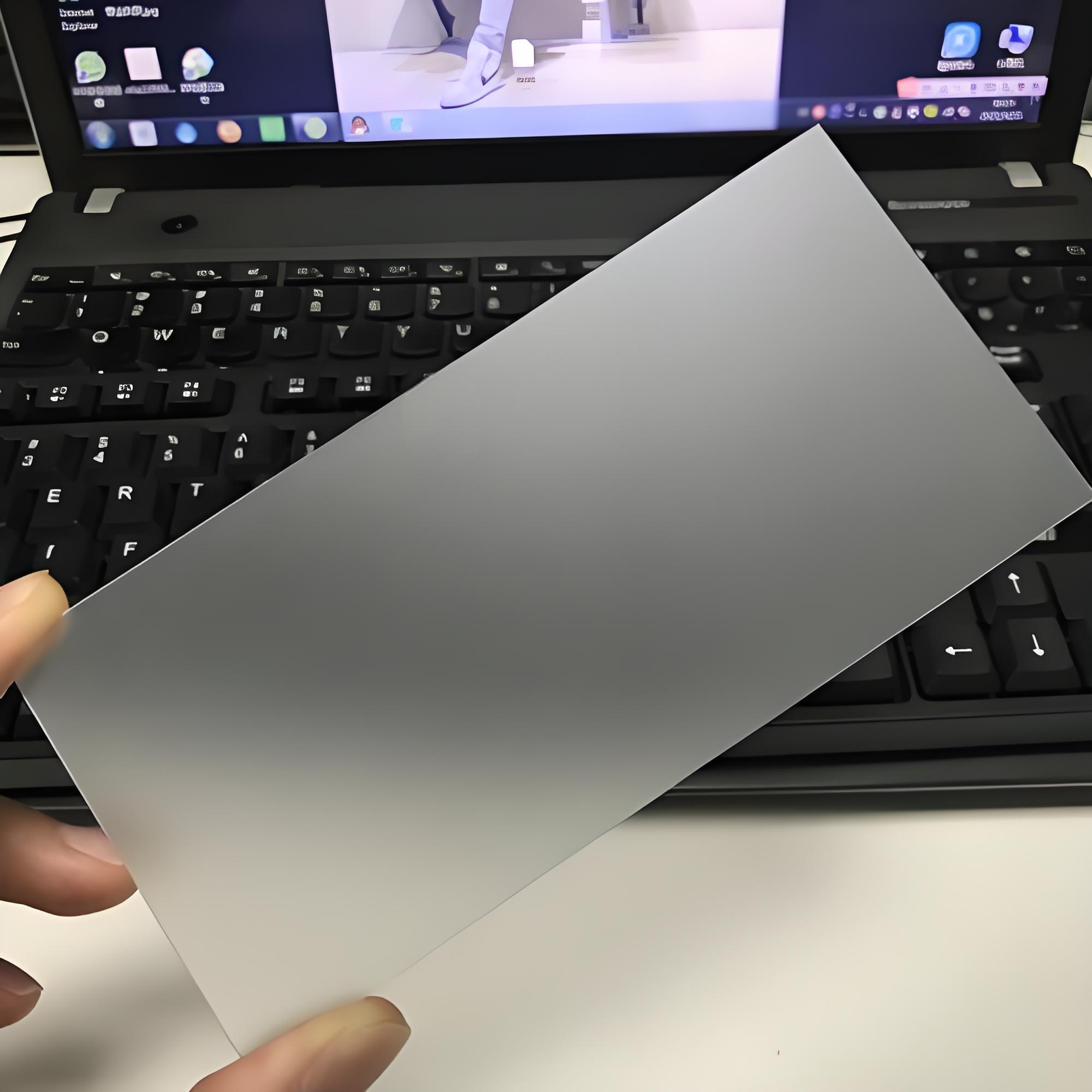
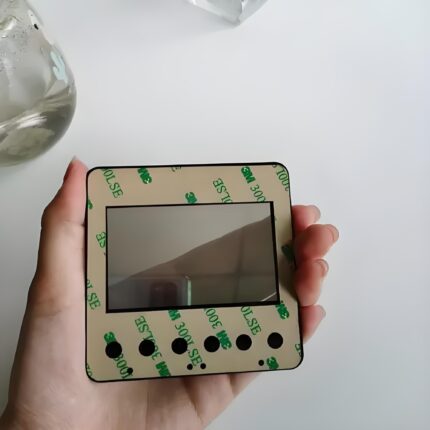
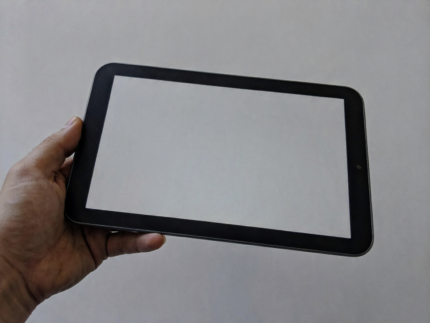
Custom Anti-Glare Glass for Displays and Touchscreens
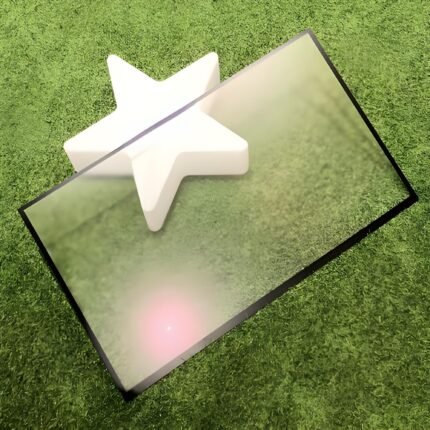
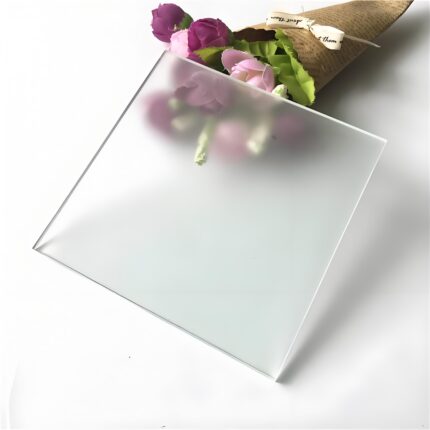
Anti glare glass is commonly produced through acid etching to create a matte surface that diffuses reflected light. It is used in electronic displays, touchscreens and outdoor equipment where ambient light or sunlight can reduce screen readability. Custom anti glare glass can be manufactured to meet your requirements for dimensions, thickness, surface finish and optical performance. Contact us to discuss your OEM project.
Custom Anti Glare Glass for Displays and Touchscreens
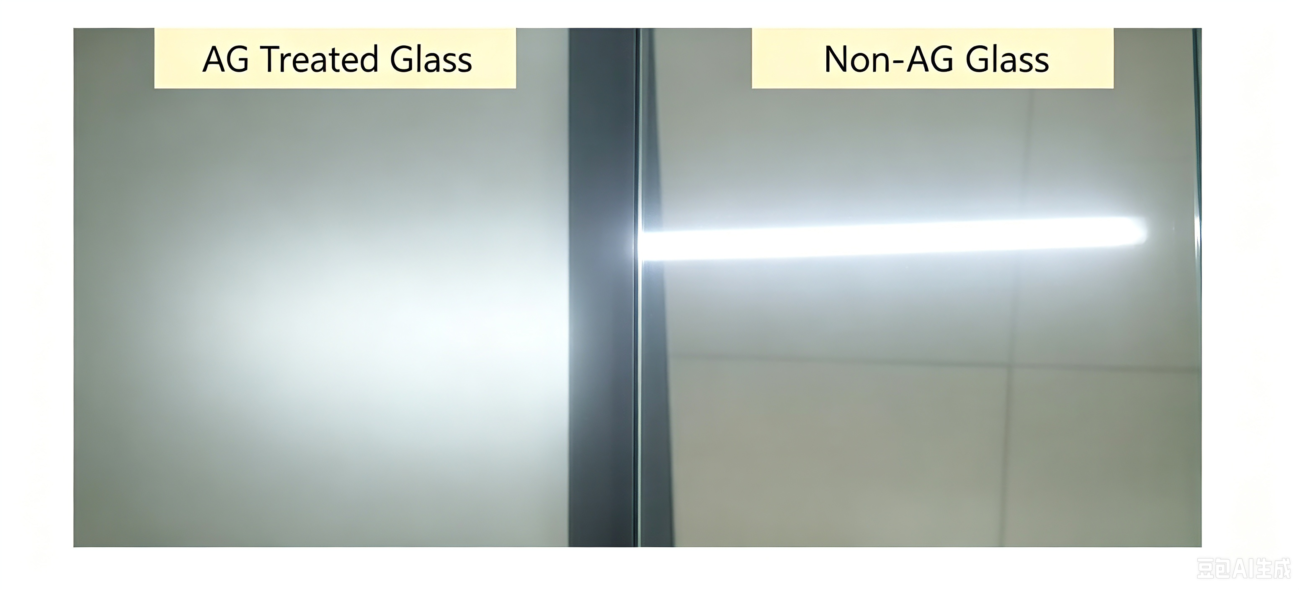
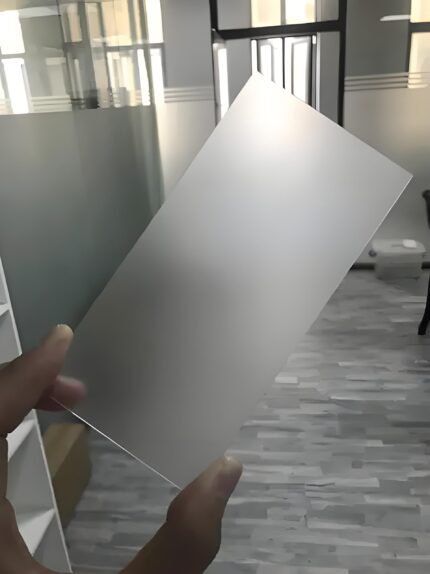
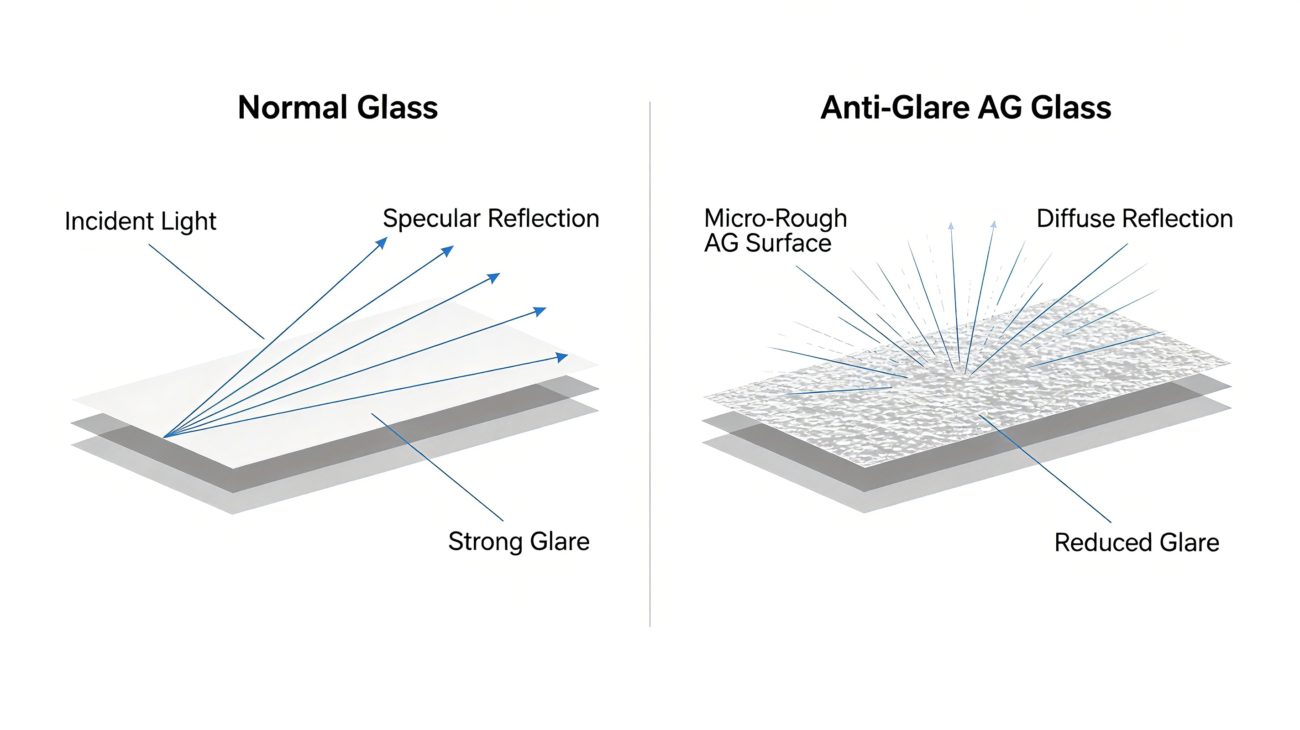
Anti glare glass, also known as non-glare glass or matte AG glass, is designed to reduce distracting reflections by scattering incident light across a wider range of angles. For electronic displays, this is commonly achieved through chemical surface etching, which creates a controlled matte finish.
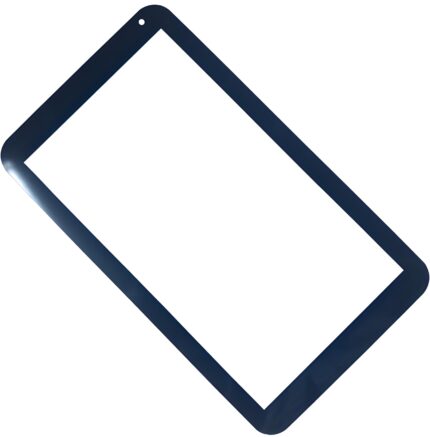
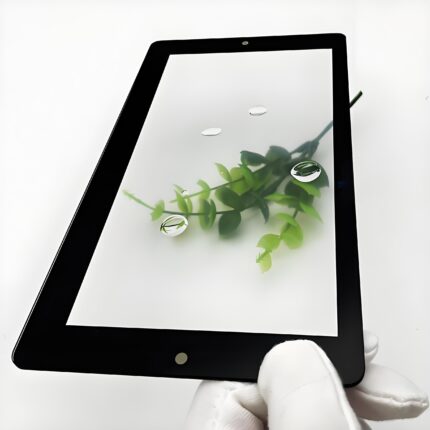
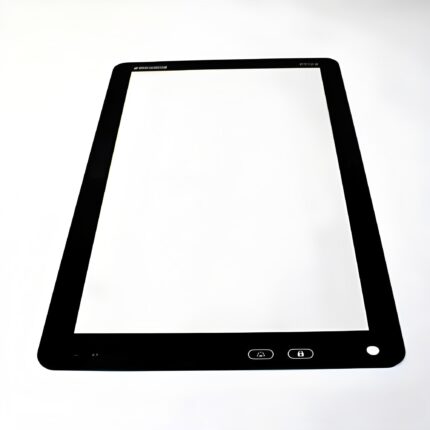
Custom anti glare glass is used in industrial displays, touchscreens, control panels, kiosks and other electronic equipment exposed to bright ambient lighting. The final optical performance depends on factors such as surface texture, haze, gloss, glass thickness and the display design.
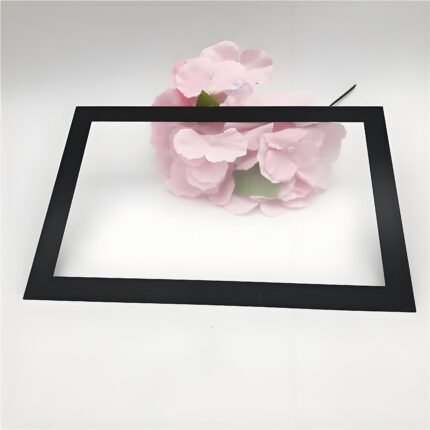
Weiman Tech supplies custom glass components based on customer drawings and specifications, with options for glass cutting, CNC machining, edge finishing, printing and other suitable processes.
How Does Anti-Glare Glass Work?
Anti glare glass uses a textured surface to diffuse incident light and reduce the intensity of direct specular reflections. Unlike clear glass with a smooth surface, chemically etched anti glare glass has a controlled matte finish that changes how light is reflected from the glass surface.
The balance between glare reduction and image clarity depends on the surface texture and optical specifications. Higher haze may help diffuse reflections, but it can also affect display sharpness and contrast. For this reason, anti glare glass for industrial displays, medical equipment, outdoor terminals and touchscreens should be selected according to the viewing environment and display requirements.
For OEM projects, the glass thickness, dimensions, edge treatment, printing and surface finish can be specified to match the intended application.
Processing Services Of Anti Glare Glass
In Weiman, we are not just focus on anti glare glass but also offer cover glass processing services including:

Anti Glare Glass Substrates
Glass material selection depends on the required optical performance, mechanical properties, thickness and processing requirements. For additional background on specialty glass materials, refer to Corning and SCHOTT.
Precision Glass Cutting
We deliver exacting cuts for glass thicknesses from ultra-thin 0.5mm to heavy-duty 25mm. Our capabilities extend beyond standard shapes (circles, squares, ovals) to include custom silhouettes like hearts, apples, semicircles, and fully bespoke geometries to match your unique requirements.
Comprehensive Edge Finishing Solutions choose from our extensive edge profiles:
Classic finishes:
rounded, straight, single/double beveled
Specialty edges:
flat-bottom beveled, round-bottom beveled
Decorative options: duckbill, T-shaped, wave edges
Available in either rough or polished finishes to suit functional and aesthetic needs.
Custom Shape Fabrication
Our advanced processing handles both regular and complex irregular shapes, delivering complete solutions that include precision cutting, edge work, polishing, and tempering – all customized to your exact specifications.
Precision Hole Drilling
We execute accurate hole patterns in anti glare glass using your provided blueprints or CAD designs, ensuring perfect fit and function for your assembly requirements.
High-Performance Tempering
Our state-of-the-art electronic-grade tempering furnaces transform anti glare glass into safety-rated, impact-resistant material while maintaining optical clarity and surface quality.
Custom Printing Services
Add branding or functional markings through our high-quality screen printing and specialty printing processes, creating permanent, durable designs on your glass components.
AG (Anti-Glare): Uses a textured surface to diffuse reflected light.
For applications requiring reduced surface reflections, you can also explore our AR coated glass solutions.
AR (Anti-Reflective): Uses an optical coating to reduce surface reflections.
AF (Anti-Fingerprint): Uses a surface treatment to help reduce fingerprint visibility and make cleaning easier.
Bonding:
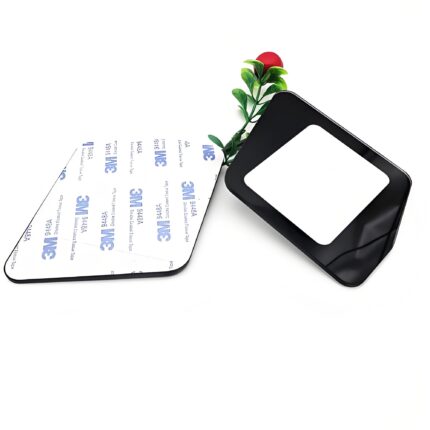
Mainly focus on 3M tapes including adhesive transfer tape, VHB tape and OCA tapes.
Lamination:
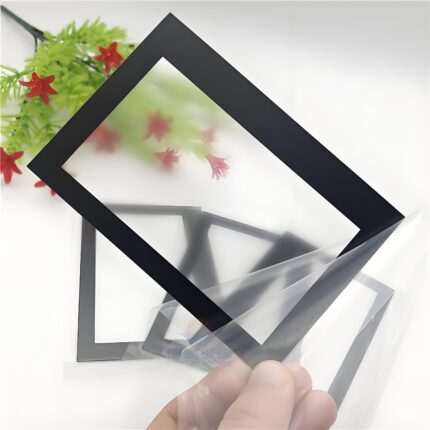
Foil to protect from dirt and explosion proof sheet for better anti scatter.
Applications of Anti-Glare Glass

Anti-glare glass is used in electronic products where reflected ambient light can interfere with viewing. Typical applications include industrial HMI displays, touchscreen control panels, medical equipment, vending machines, self-service kiosks, household appliances and selected consumer electronics.
For outdoor or brightly lit environments, AG surface treatment can help diffuse reflections. The appropriate surface finish should be selected according to the required balance between glare reduction, image clarity, contrast and touch interaction.
For custom projects, provide the display dimensions, glass thickness, application environment and any available drawings or optical requirements so that the glass specification can be reviewed before sampling.
For applications requiring fingerprint-resistant surface properties, see our AF coated glass solutions.
Frequently Asked Questions About Anti-Glare Glass
1. What is anti glare glass?
Anti glare glass, also known as non-glare glass or AG glass, has a specially treated surface that diffuses reflected light. It is commonly used in electronic displays, touchscreens, HMI panels and other equipment where ambient light can affect screen visibility.
The optical performance of anti-glare glass depends on the surface texture and the balance between glare reduction and image clarity. For additional technical information, see this AGC guide to acid-etched anti-glare glass for display applications and the technical explanation of anti-glare glass gloss levels.
2. How is anti glare glass manufactured?
Chemically etched anti-glare glass is produced by treating the glass surface to create a controlled matte texture. This texture diffuses reflected light. The final surface finish and optical performance depend on the glass material, etching process and specified haze and gloss levels.
3. What is the difference between anti glare glass and anti-reflective glass?
Anti-glare (AG) glass typically uses surface texturing to diffuse reflected light, while anti-reflective (AR) glass uses an optical coating to reduce reflections. The right option depends on the display design, lighting conditions and required optical performance. AG and AR treatments may also be considered together when the application requires both functions.
4. Can anti glare glass be customized for industrial displays?
Yes. Custom anti-glare glass can be manufactured according to drawings, samples and project specifications. Depending on the product design and available processing options, customization may include glass dimensions, thickness, shape, edge finishing, mounting holes, printing and surface treatment.
5. How do haze and gloss affect anti glare glass performance?
Haze and gloss help describe the optical and surface characteristics of anti-glare glass. A higher haze level may diffuse reflected light more strongly, but it can also affect image sharpness. The appropriate specification should balance glare reduction with display clarity and contrast.
6. What glass thicknesses are available for custom anti glare glass?
Available thicknesses depend on the selected glass material, product dimensions, processing requirements and application. Please provide your required thickness and drawing so that feasibility can be reviewed before sampling or production.
7. Can anti glare glass include printing and CNC machining?
Depending on the design and process requirements, anti-glare glass may be combined with CNC machining, edge finishing, drilled holes and screen printing. The sequence of surface treatment and other processes should be confirmed during technical review.
8. What information should I provide when requesting a quotation?
For a more accurate quotation, please provide the glass dimensions, thickness, quantity, glass material if specified, anti-glare requirements, printing details, machining requirements and target application. Drawings, CAD files or a physical sample can help clarify the specifications. If some details are not finalized, you can still send your preliminary requirements for review.
Request a Quote for Custom Anti Glare Glass
Looking for a reliable supplier of custom anti-glare glass for displays, touchscreens or industrial control panels?
Send us your drawings or project specifications for a quotation. We can review your required dimensions, glass thickness, surface finish, printing and machining requirements to assess the project.
To help us evaluate your request, please include:
- Glass dimensions and thickness
- Required glass material, if specified
- Anti-glare surface or optical requirements
- Printing, holes, edge finishing or other processing details
- Estimated order quantity
- Application and operating environment
Have a drawing or sample? Attach it to your inquiry so we can better understand your requirements.
Contact us to discuss your custom anti-glare glass project and request a quotation.