 +86-13925515590
 kleinma@aliyun.com


Glass Printing Registration

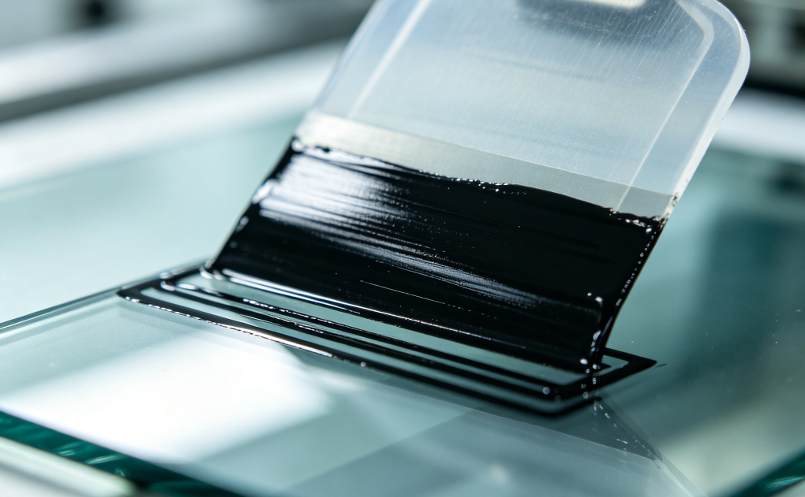
Glass Printing Registration: Alignment and Tolerance Guide
Glass printing registration is the alignment of printed graphics with the physical dimensions and functional features of a glass panel.
For custom cover glass, printing registration is especially important when a product includes black borders, display windows, logos, icons, sensor openings or decorative patterns.
A glass panel may meet its overall dimensional requirements but still fail assembly or appearance inspection if the printed pattern is incorrectly positioned.
This guide explains the main factors that OEM buyers should consider when specifying printing registration for custom cover glass.
1. What Is Glass Printing Registration?
Printing registration refers to the positional relationship between printed graphics and defined reference features on the glass.
These reference features may include:
- Overall glass edges
- Corner radii
- CNC holes
- Notches and cutouts
- Display viewing windows
- Sensor openings
- Mechanical mounting locations
For example, a black printed border must align with the intended display window. If the border shifts, the visible display area may become uneven even when the glass dimensions are correct.
Registration should therefore be considered together with the mechanical drawing and approved artwork.
2. Why Printing Alignment Matters
Incorrect registration can create several problems.
Uneven Black Borders
A black border that is wider on one side than the other can affect the appearance of a touchscreen or display panel.
Misaligned Display Windows
Printed masking areas must not cover the required active viewing region.
Incorrect Logo Position
A logo that shifts from its specified location may cause the finished product to look inconsistent with the approved design.
Misaligned Openings
When printed graphics are positioned around holes, sensor windows or cutouts, incorrect alignment can affect the appearance and potentially interfere with the intended function.
3. Understand the Difference Between Glass Tolerance and Printing Tolerance
Glass dimensional tolerance and printing registration tolerance are two different specifications.
Glass dimensional tolerance controls the physical size and geometry of the substrate.
Printing registration tolerance controls the position of the printed pattern relative to the agreed reference features.
For example, a panel may have an acceptable overall length and width while its black border is still shifted from the required position.
The drawing should define these requirements separately.
Where possible, specify a clear datum system and identify which edges, holes or other features serve as the measurement references.
4. Factors That Affect Printing Registration
Several manufacturing and design factors can influence the final position of printed graphics.
Glass positioning: The glass must be positioned consistently during printing. The reference edges and locating method should be clearly defined.
Artwork design: Artwork should be prepared according to the approved drawing revision. Unclear dimensions or missing reference points can lead to interpretation differences.
Glass geometry: Rounded corners, irregular shapes, holes and notches may affect positioning and locating.
Printing process: Screen condition, fixture accuracy, ink behavior and process setup can influence print placement and appearance.
Subsequent processing: The manufacturing sequence should be considered when printing is combined with strengthening, coating or other operations.
5. How to Specify Printing Registration in a Technical Drawing
OEM buyers should provide sufficient information to make the printed design measurable.
Recommended drawing details include:
- Overall glass dimensions
- Glass thickness
- Reference edges or datum points
- Black border width
- Display window dimensions
- Logo and icon coordinates
- Hole and cutout positions
- Required printing alignment tolerance
- Approved artwork revision
For complex designs, a separate artwork file can be supplied together with the mechanical drawing.
The two documents should have matching revision information to prevent production using outdated artwork.
6. How Printing Registration Is Inspected
Inspection should compare the printed pattern with the agreed reference features.
Depending on the product geometry, inspection may include:
- Black border width measurement
- Distance from printed graphics to glass edges
- Logo position verification
- Display window alignment
- Printing position around holes and cutouts
- Visual inspection of ink coverage and appearance
For projects with tight alignment requirements, a suitable optical measurement system or dedicated inspection fixture may be considered.
The inspection method should match the required accuracy and drawing specification.
7. Combining Printing with CNC Machining and Other Processes
Custom cover glass often combines printing with several manufacturing operations.
For example, a touchscreen panel may require CNC holes, polished edges, chemical strengthening and black border printing.
These processes should be reviewed as one manufacturing sequence rather than as independent operations.
Learn more about CNC machining for cover glass and silk screen printing.
The final artwork and glass drawing should be approved before production begins.
Frequently Asked Questions
Is printing tolerance the same as glass dimensional tolerance?
No. Glass dimensional tolerance controls the substrate geometry, while printing registration tolerance controls graphic position relative to the agreed reference features.
Can black border printing be customized?
Yes. Black borders can be designed according to the display window, sensor area and overall glass dimensions.
Can printing be aligned with CNC holes?
Yes. The drawing should define the reference features and required positional relationship between the holes and printed graphics.
What files should OEM buyers provide?
A mechanical drawing and matching artwork file are recommended. Reference samples and specific alignment requirements are also helpful.
Request Custom Printed Cover Glass
Need printed cover glass with accurate black borders, logos or sensor windows?
Send us your mechanical drawing, artwork, glass dimensions and printing requirements.
WM Cover Glass can review your custom printing and glass processing requirements for OEM projects.