+86-13925515590
 kleinma@aliyun.com


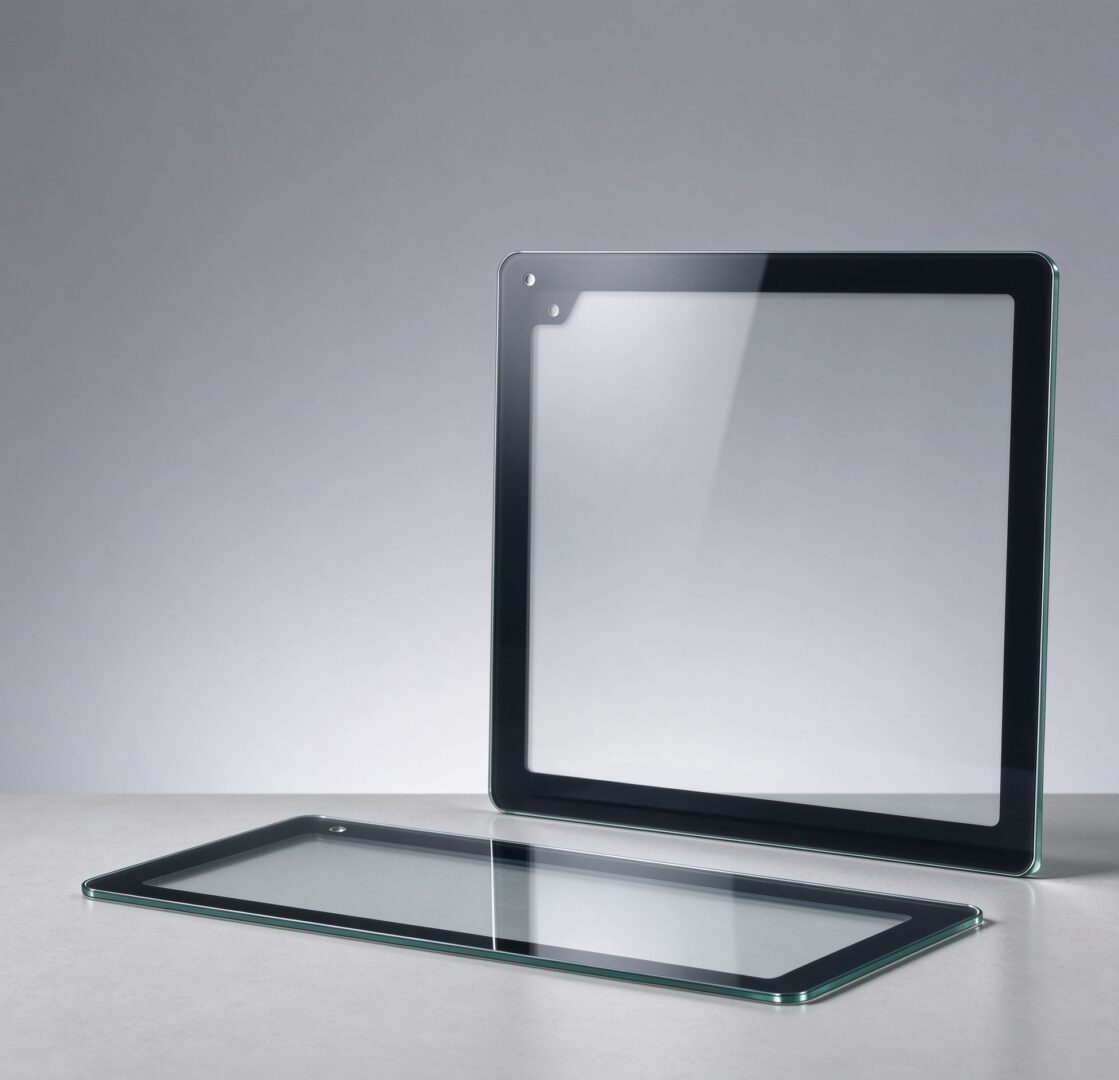
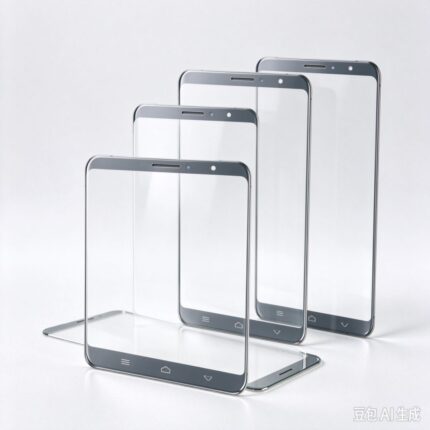
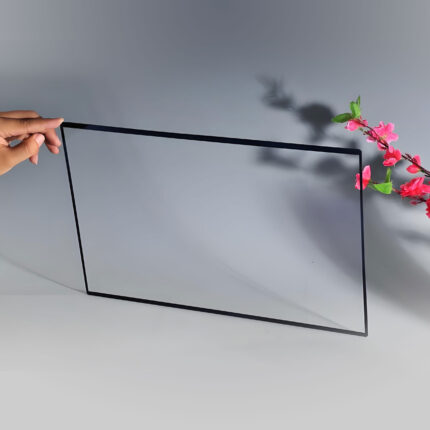
Anti-Glare LCD Cover Glass
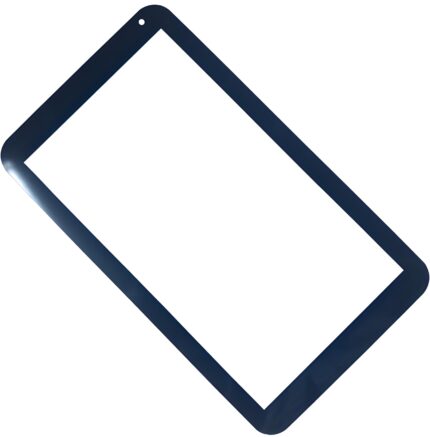
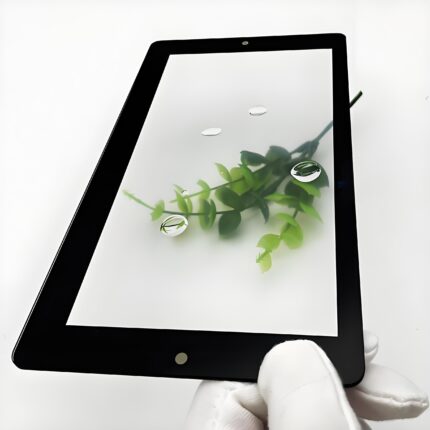
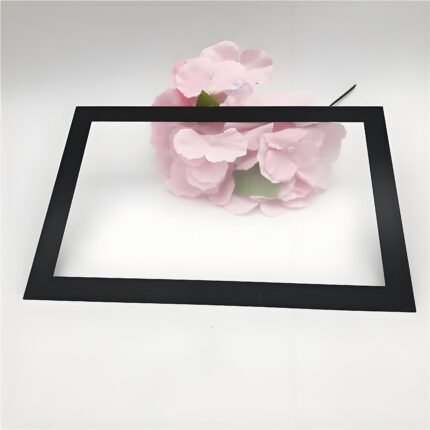
Custom anti-glare LCD cover glass for display manufacturers and OEM equipment builders. Specify glass dimensions, thickness, AG surface requirements, optical targets, printing and mechanical features according to your display design.
Anti-Glare LCD Cover Glass for Displays
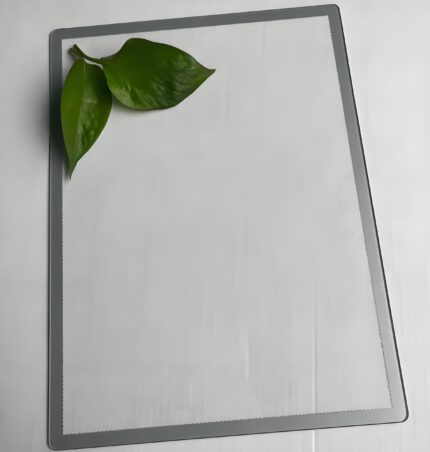
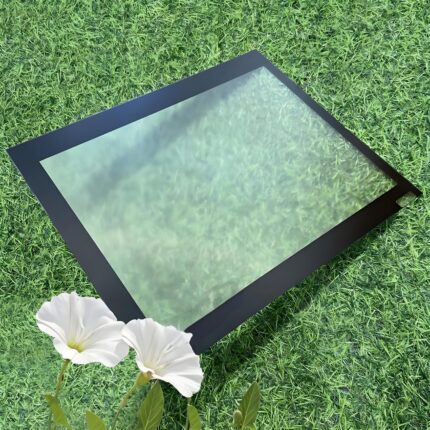
Reflections from ceiling lights, windows and other surrounding light sources can make an LCD difficult to read. An anti-glare cover glass uses a controlled surface texture to diffuse reflected light, helping reduce distracting mirror-like reflections in the viewing area.
The challenge is finding the right balance between glare control and image quality. A more pronounced matte surface may provide stronger diffusion, but it can also affect perceived sharpness, contrast or sparkle, depending on the display structure and viewing conditions.
For this reason, anti-glare lcd cover glass should be selected according to the LCD’s optical requirements rather than by appearance alone. The display type, ambient lighting, viewing distance and intended use all matter.
We manufacture custom glass components according to confirmed drawings and specifications. For LCD projects, the glass size, thickness, surface treatment, edge finish and printing areas can be reviewed together before quotation.
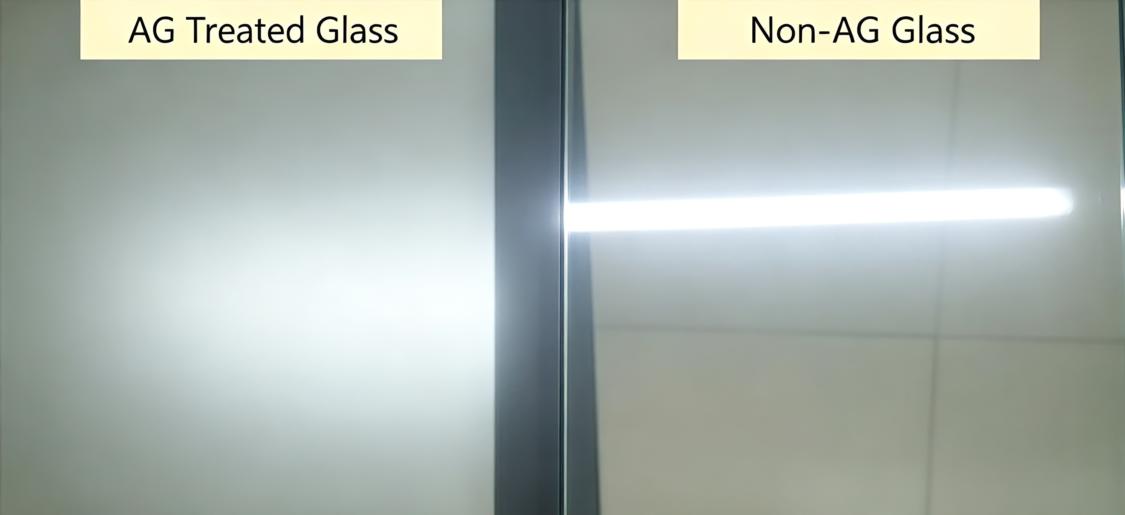
Choose AG Performance for Your LCD
Etched Anti-Glare Surface
Chemical etching creates a microscopic texture on the glass surface that scatters reflected light. Etched anti-glared lcd cover glass is commonly considered when a durable matte surface is required for an electronic display.
The result depends on the glass substrate and etching process. Two AG samples may look similar but produce different optical results, so the required haze and gloss should be specified where possible.
For technical background, see AGC’s Anti-Glare Etched Glass information, which discusses AG glass for LCD displays and other electronic applications.
Balance Haze, Gloss and Display Clarity
Haze and gloss help describe the appearance and light-scattering behavior of an AG surface, but neither value alone determines whether the finished display will look clear.
When reviewing an AG specification, consider:
- Haze: The amount of transmitted light scattered by the material under the specified measurement method.
- Gloss: A measure of surface appearance under defined measurement conditions.
- Image clarity: How clearly fine details, text and display pixels appear through the finished glass.
- Sparkle: Uneven visual texture that may become noticeable when certain AG surfaces are placed over high-resolution displays.
- Visible light transmission: Important when the application requires a bright, readable image.
These properties should be evaluated together. If your team already has a target haze, gloss or transmission value, include the measurement method and acceptance range in the RFQ.
If no numerical target is available, describe the LCD model, pixel density, viewing distance and lighting conditions. A physical sample or display test can help establish a practical specification.
Custom Anti-Glare LCD Cover Glass Processing
Glass Thickness and CNC Dimensions
The cover glass must match the LCD assembly’s mechanical design. Available thickness and material options depend on the required dimensions, geometry and processing route.
Custom processing may include:
- Precision cutting to drawing
- CNC-machined outlines and corner radii
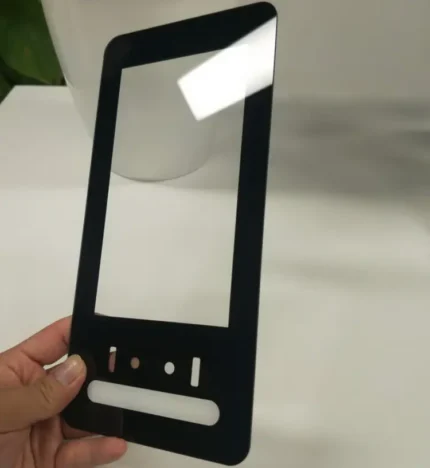
- Drilled holes, slots and notches
- Edge grinding, chamfering or polishing
- Specified thickness and dimensional tolerances
For related manufacturing details, visit our Glass Edge Processing page.
Please provide the overall dimensions, thickness, cutout positions and tolerance requirements. If the glass must fit an existing frame or adhesive bonding area, identify those reference dimensions clearly.
Chemical Strengthening
Chemical strengthening may be considered when the application requires improved mechanical strength. Suitability depends on the glass composition, thickness, geometry and required performance.
The strengthening process should be evaluated together with the AG treatment and the complete manufacturing sequence. Do not assume that every glass material or AG process can use the same treatment conditions.
See our Chemical Strengthening Glass page for further information.
Silk-Screen Printing
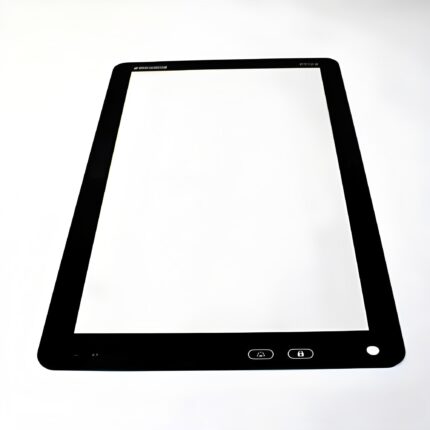
LCD cover glass can incorporate printed borders, logos, icons and opaque areas where the design requires them. Printing dimensions and registration are especially important when the visible LCD area must align with a defined opening.
Please provide the artwork, color requirements, printed-side orientation and dimensions of the viewing window. If the AG surface must remain within a specific area, identify the treated and untreated zones in the drawing.
Learn more about our Silk Screen Printing for Cover Glass capabilities.
Where Anti-Glare LCD Cover Glass Is Used

Custom AG LCD cover glass may be considered for:
- Industrial LCD monitors: Displays used by operators in workshops, production areas and equipment rooms.
- Commercial display equipment: LCD units installed in environments where reflections interfere with viewing.
- Control and monitoring equipment: Screens that display operating parameters, measurements or status information.
- Electronic equipment interfaces: LCD-based products requiring a specified matte front surface.
- Special-purpose display assemblies: Custom LCD designs with defined optical, dimensional and printing requirements.
The appropriate AG specification depends on the actual display and environment. A surface suitable for one LCD may not provide the same visual result on a different panel.
Anti-Glare LCD Cover Glass Specifications
| Specification | Details to Confirm |
|---|---|
| Glass material | Suitable glass grade for the design |
| Glass thickness | Nominal thickness and tolerance |
| Dimensions | Overall size, outline and corner radii |
| AG process | Etched or other technically suitable process |
| Haze and gloss | Target values and measurement method, if specified |
| Optical performance | Transmission and display clarity requirements |
| Strengthening | Chemical strengthening, if required and feasible |
| CNC features | Holes, slots, cutouts and edge details |
| Printing | Border, logo, color and viewing-area dimensions |
| Quantity | Prototype, sample and production requirements |
Final specifications should be confirmed against the display design and agreed acceptance criteria. Where optical appearance is critical, sample evaluation is preferable to relying on a generic AG designation.
Frequently Asked Questions
Does anti-glare lcd cover glass eliminate all reflections on an LCD?
No. AG treatment diffuses reflected light to reduce distracting reflected images. It does not eliminate all reflections or necessarily reduce the glass’s underlying surface reflectance. Anti-reflective treatment addresses a different optical requirement.
Does a stronger AG effect always improve display readability?
No. Greater light diffusion may reduce distracting glare, but it can also affect image sharpness, contrast or sparkle. The appropriate surface depends on the LCD, ambient lighting and viewing conditions.
Can anti-glare LCD cover glass be chemically strengthened?
Chemical strengthening may be available depending on the glass material, thickness and process compatibility. The complete treatment sequence should be reviewed for the specific design.
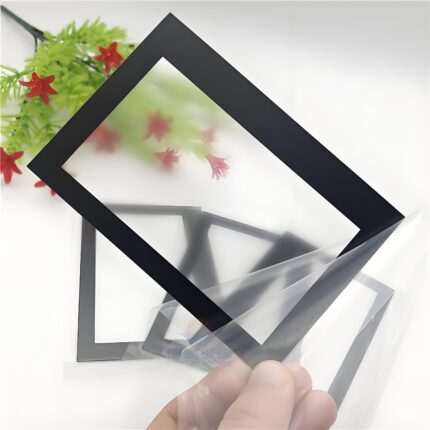
Can the anti-glare lcd cover glass include black borders and custom cutouts?
Yes, subject to drawing and process feasibility. Provide the required dimensions, hole positions, edge conditions, printing artwork and visible LCD area when requesting a quotation.
What should I send for an Anti-Glare LCD cover glass quotation?
Please provide a technical drawing, glass thickness, material preference, AG requirements, target haze or gloss if available, printing details, quantity and application information. If you have an existing sample, photos and evaluation criteria can help clarify the required finish.
Request a Quote for Anti-Glare LCD Cover Glass
Are you developing an LCD product that requires a matte cover glass surface? Send us your drawing and optical requirements for review.
To help us evaluate your project, include:
- LCD type or model
- Glass dimensions and thickness
- AG process preference, if specified
- Haze, gloss and transmission targets, if available
- Chemical strengthening requirements
- Printing artwork and CNC features
- Sample and production quantities
Contact us for a custom quotation to discuss your anti-glare LCD cover glass requirements.