 +86-13925515590
 kleinma@aliyun.com

OCA vs LOCA: How to Choose the Best Adhesive for Display Bonding

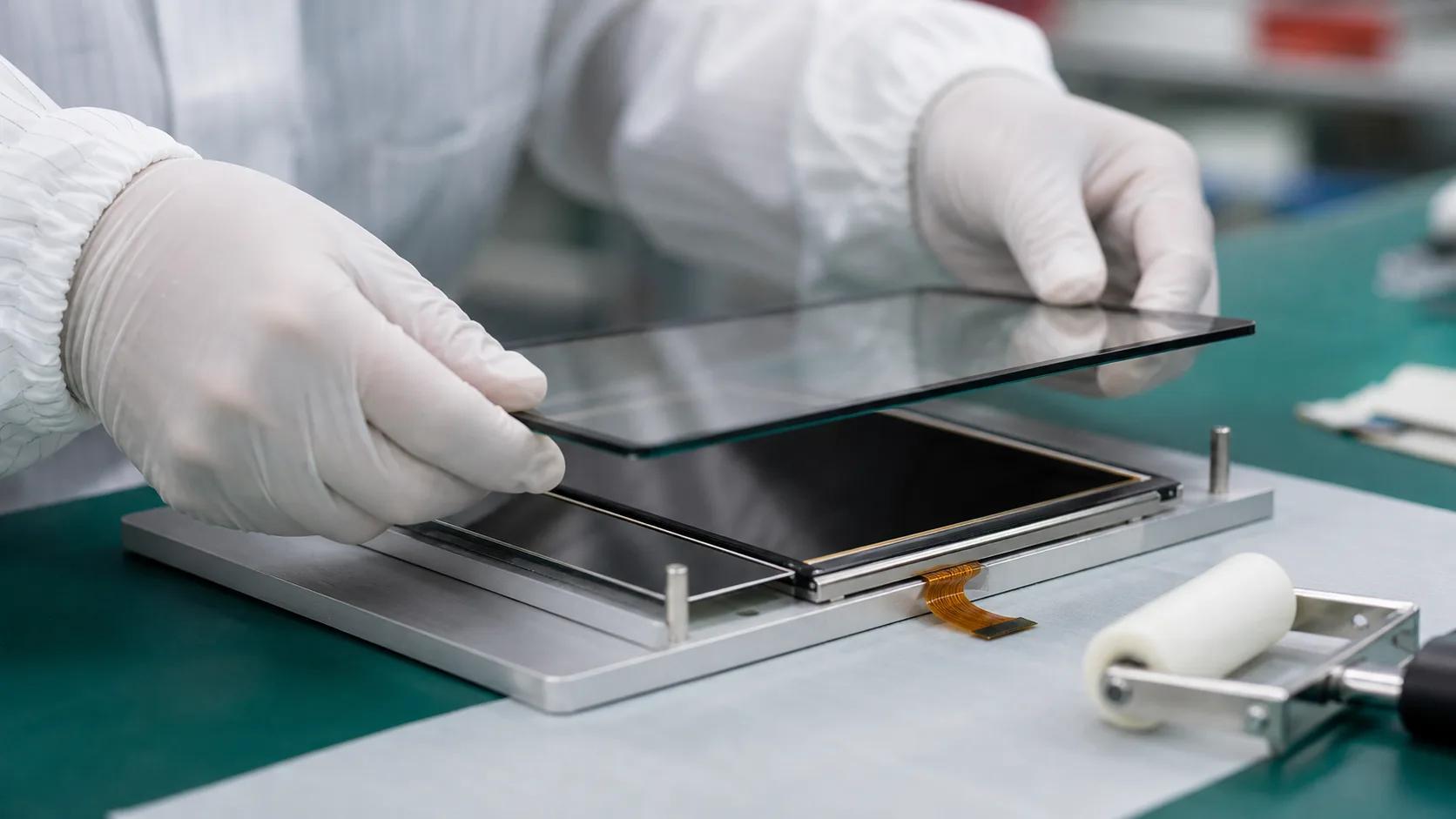
Choosing between OCA vs LOCA is an important decision when designing electronic display assemblies with custom cover glass. Both adhesive types are used in optical bonding, but their application methods, processing requirements, and compatibility with display components can differ.
For OEM engineers, touchscreen manufacturers, and industrial display buyers, selecting the right adhesive involves more than comparing material prices. The bonding method must match the glass dimensions, printed borders, mating surfaces, production equipment, and optical requirements of the finished assembly.
This guide explains seven essential factors to consider when comparing OCA vs LOCA, helping you prepare a more complete specification for your next electronic display project.
1. OCA vs LOCA: What Is the Difference?
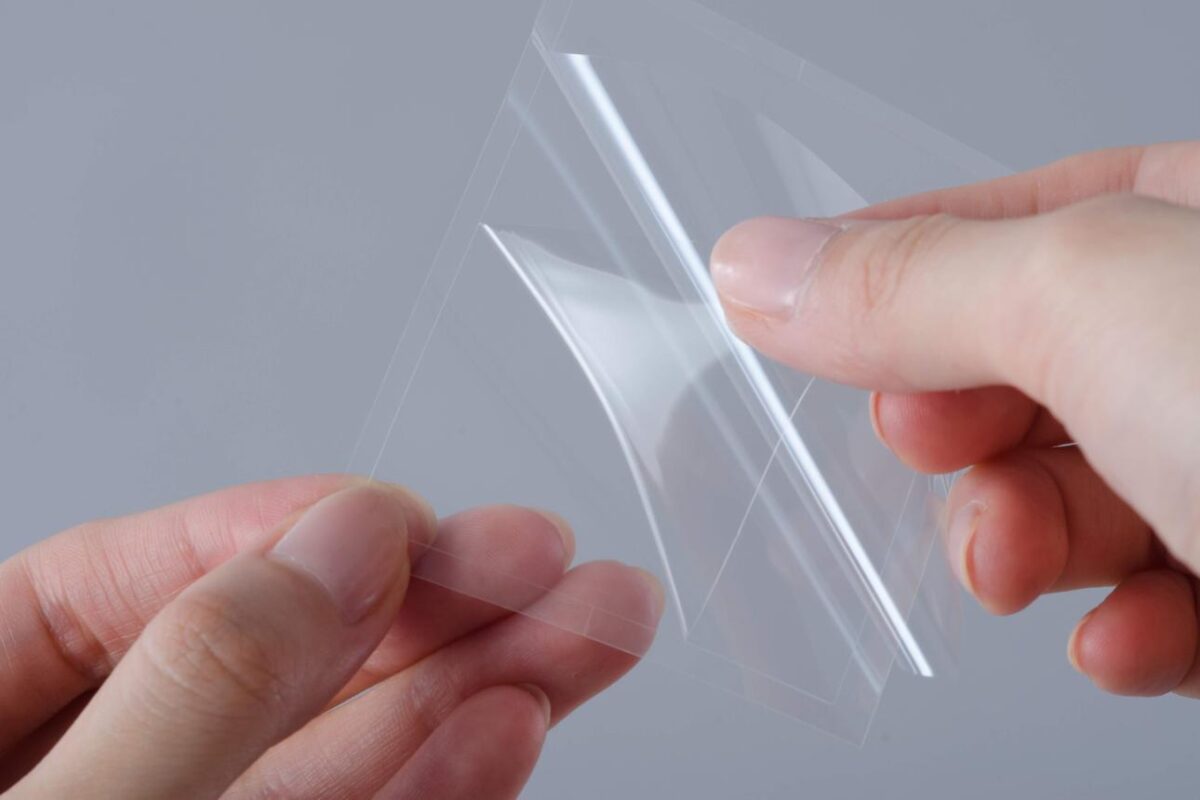
OCA stands for optically clear adhesive. It is typically supplied as a transparent adhesive film and used to bond compatible layers in electronic display assemblies.
LOCA stands for liquid optically clear adhesive. It is applied in liquid form and processed according to the adhesive manufacturer’s application and curing requirements.
The main difference is how the adhesive is supplied and applied. OCA uses a preformed film, while LOCA is dispensed or distributed as a liquid before the assembly is completed.
Both methods can be suitable for specific display constructions. The correct choice depends on the adhesive formulation, component geometry, production process, and required finished performance.
For OEM projects, the adhesive should be evaluated together with the cover glass and the complete display stack rather than selected in isolation.
2. Compare OCA vs LOCA Application Methods
The application method affects equipment requirements, handling procedures, and process control.
OCA Film Application
OCA film is positioned between compatible components and laminated using a suitable process. The film format can provide a defined starting thickness, but the final assembly still depends on film properties, alignment, pressure, surface preparation, and lamination conditions.
Important considerations include:
- Film thickness and bonding-area dimensions
- Accurate alignment with the display and sensor
- Film handling and contamination control
- Compatibility with printed borders and surface treatments
- Lamination equipment and process capability
OCA may be a suitable option when the assembly design and manufacturing process support film-based lamination.
LOCA Liquid Application
LOCA is applied as a liquid using a process appropriate for the selected adhesive. Its flow and curing behavior must be controlled to achieve the intended bond.
Before choosing LOCA, consider:
- Dispensing method and adhesive viscosity
- Bond-line and gap requirements
- Wetting and flow across the bonding area
- Curing method and process conditions
- Edge overflow and contamination control
Liquid application may be useful for certain geometries, but it does not automatically eliminate bubbles or guarantee complete filling. Process validation is still necessary.
3. Evaluate Adhesive Compatibility with Cover Glass
A critical step in the OCA vs LOCA selection process is confirming compatibility with the actual materials being bonded.
An electronic display assembly may include cover glass, a touch sensor, transparent conductive layers, display films, coatings, and other components. Each material and surface condition can affect adhesion and optical performance.
Before approving an adhesive, confirm:
- The exact substrate materials and surface treatments
- Whether the adhesive manufacturer supports the intended material combination
- Surface preparation and cleaning requirements
- Compatibility with the printed regions
- Relevant environmental and reliability requirements
Do not assume that an adhesive suitable for one glass or sensor construction will perform identically with another.
For custom projects, share the intended assembly structure with the adhesive supplier and the cover glass manufacturer before production begins.
Learn more about our Custom Cover Glass solutions for OEM electronic applications.
4. Check Printed Borders and Bonding Geometry
Many industrial displays use cover glass with a black or colored printed border. The printing can conceal internal components and define the visible display area.
However, the printed region may create a height difference between the border and the unprinted glass surface. The effect on bonding depends on the printing construction, adhesive properties, and assembly design.
When comparing OCA vs LOCA, review the following details:
- Printed border width and thickness
- Position of the active display window
- Bonding-area dimensions
- Local height differences created by printing
- Required adhesive coverage
- Alignment between the glass, sensor, and display
Neither adhesive type should be assumed to accommodate every printed-border design. The actual stack-up and adhesive specification must be evaluated together.
If the cover glass includes complex artwork, provide the approved drawing and printing layout during the engineering review.
5. Consider Optical Performance and Display Appearance
Optical bonding can reduce the air gap between compatible display components. Depending on the assembly, this may improve display readability and reduce certain reflections at material interfaces.
However, the result depends on the complete construction. Adhesive selection alone cannot guarantee a specific optical outcome.
Before choosing OCA or LOCA, define the relevant requirements, such as:
- Optical transmission
- Haze
- Reflection or glare performance
- Appearance of the finished display
- Acceptable bubbles, voids, or visible defects
- Compatibility with any optical coatings
The appropriate test methods and acceptance limits should be established for the application. Product-specific technical data should be reviewed before approving an adhesive.
For further technical information, refer to 3M’s optically clear adhesive resources for display bonding. Confirm the suitability of the specific product with its technical documentation rather than assuming every OCA has the same properties.
6. Review Production Equipment and Process Control
The adhesive selected for an OEM display project must be compatible with the available manufacturing process.
An OCA process may require film handling, accurate placement, lamination equipment, and controlled pressure. A LOCA process may require liquid dispensing, suitable fixtures, curing equipment, and controls for adhesive flow.
Both processes need appropriate preparation, alignment, cleanliness, and inspection.
Before finalizing the adhesive specification, ask the bonding team:
- Which application and curing equipment is available?
- Can the process accommodate the glass dimensions and bonding area?
- What controls are required to minimize bubbles and voids?
- How will alignment and adhesive coverage be inspected?
- What process validation is required before mass production?
Changing from OCA to LOCA, or the reverse, may require additional process development. The two materials should not be treated as interchangeable without validation.
7. Calculate the Total Cost of the Bonding Process
Comparing OCA vs LOCA by adhesive price alone can lead to an incomplete purchasing decision.
The total cost may also include equipment, labor, cycle time, consumables, inspection, yield, rework, and reliability validation.
For example, a film adhesive may require specific lamination equipment and careful film handling. A liquid adhesive may require dispensing and curing controls. The cost impact depends on the actual manufacturing line and product design.
When requesting quotations, compare the complete process requirements rather than focusing only on the price per unit of adhesive.
A useful evaluation should include:
- Adhesive material cost
- Equipment and tooling requirements
- Production cycle time
- Expected yield and rework considerations
- Quality inspection and documentation
- Validation and reliability testing
The most cost-effective option is the one that meets the required product performance and can be manufactured consistently at the intended production volume.
OCA vs LOCA Comparison Table
| Selection Factor | OCA Film | LOCA |
|---|---|---|
| Supply form | Preformed adhesive film | Liquid adhesive |
| Application method | Film placement and lamination | Dispensing or liquid application |
| Thickness control | Influenced by film specification and lamination | Influenced by dispensing, flow, assembly, and curing |
| Geometry considerations | Depends on film conversion and assembly design | Depends on flow behavior, gap geometry, and containment |
| Main process controls | Alignment, film handling, pressure, and lamination | Dispensing, wetting, curing, and overflow |
| Compatibility | Must be verified for the actual substrates | Must be verified for the actual substrates |
| Cost evaluation | Includes film, equipment, handling, and yield | Includes adhesive, dispensing, curing, and yield |
This comparison is a general guide. Actual performance depends on the specific adhesive product and validated manufacturing process.
What Should You Include in an Optical Bonding RFQ?
When sourcing custom cover glass for an electronic display, provide enough information for the supplier to understand the assembly requirements.
A useful RFQ package should include:
- Glass drawing with dimensions and thickness
- Glass material and strengthening requirements
- Printed artwork and border dimensions
- Surface treatment requirements, such as AG, AR, or AF
- Bonding area and mating component details
- Preferred adhesive type, if already selected
- Optical and dimensional acceptance criteria
- Expected operating environment
- Prototype or production quantity
- Required inspection reports and quality documentation
If the adhesive has not yet been selected, state that in the RFQ. The display engineer and adhesive supplier should confirm the appropriate bonding method for the complete assembly.
Custom Cover Glass for Electronic Displays
Choosing between OCA vs LOCA requires coordination between the cover glass design, adhesive specification, and display assembly process.
WM Cover Glass supports custom cover glass requirements for electronic displays and touchscreen applications. Buyers can provide drawings and processing requirements for review before production.
Explore our Industrial Display Glass page for display-related applications, or visit our Custom Cover Glass page to learn more about OEM glass requirements.
Request a Quote for Your Display Cover Glass
Send us your drawing, dimensions, thickness, printing requirements, and intended bonding application. If you have selected OCA or LOCA, include the adhesive specification and relevant assembly details.
Contact us through our Contact Us page to discuss your custom cover glass project.
Frequently Asked Questions
What is the difference between OCA and LOCA?
OCA is typically supplied as a preformed adhesive film, while LOCA is applied in liquid form. They use different application methods and require process-specific controls.
Is OCA or LOCA better for industrial displays?
Neither is universally better. The right choice depends on substrate compatibility, display construction, bonding geometry, production equipment, optical requirements, and validation results.
Can OCA be used to bond cover glass to a touchscreen?
Suitable OCA products can be used in compatible cover-glass and touchscreen constructions. Confirm the adhesive specification and its compatibility with the actual materials before production.
Can LOCA be used with printed cover glass?
It may be suitable when the adhesive, printed border, substrate materials, and curing process are compatible. The complete assembly should be reviewed and validated.
Does optical bonding eliminate display reflections?
Optical bonding can reduce reflections associated with certain air gaps, but the final result depends on the materials, interfaces, coatings, and overall display construction. It does not eliminate every source of reflection.
What information is needed for a custom cover glass quotation?
Provide the technical drawing, dimensions, thickness, glass material, printing and coating requirements, bonding details, and relevant optical or environmental requirements. Include the adhesive type if it has already been specified.