 +86-13925515590
 kleinma@aliyun.com

Glass AF Coating: Electroplating vs. Spray Methods

Glass AF Coating, What You Need To Know?
On cover glass, the surface treatment decides how it looks, how it feels, how long it lasts and whether it sells well. When cover glass on electronics, home appliances and in car console, the glass AF coating by spray and electroplating are the 2 most popular surface treatments.
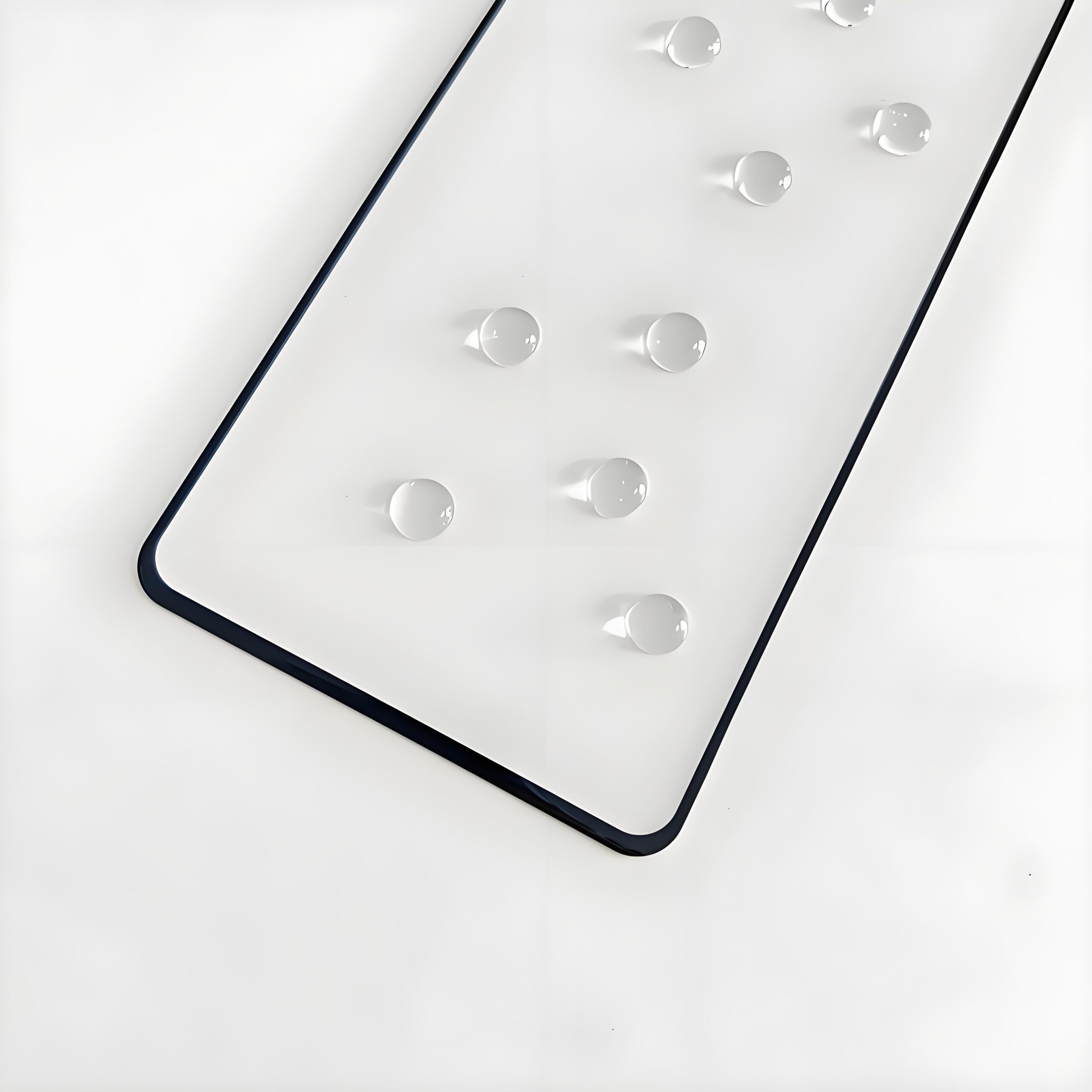
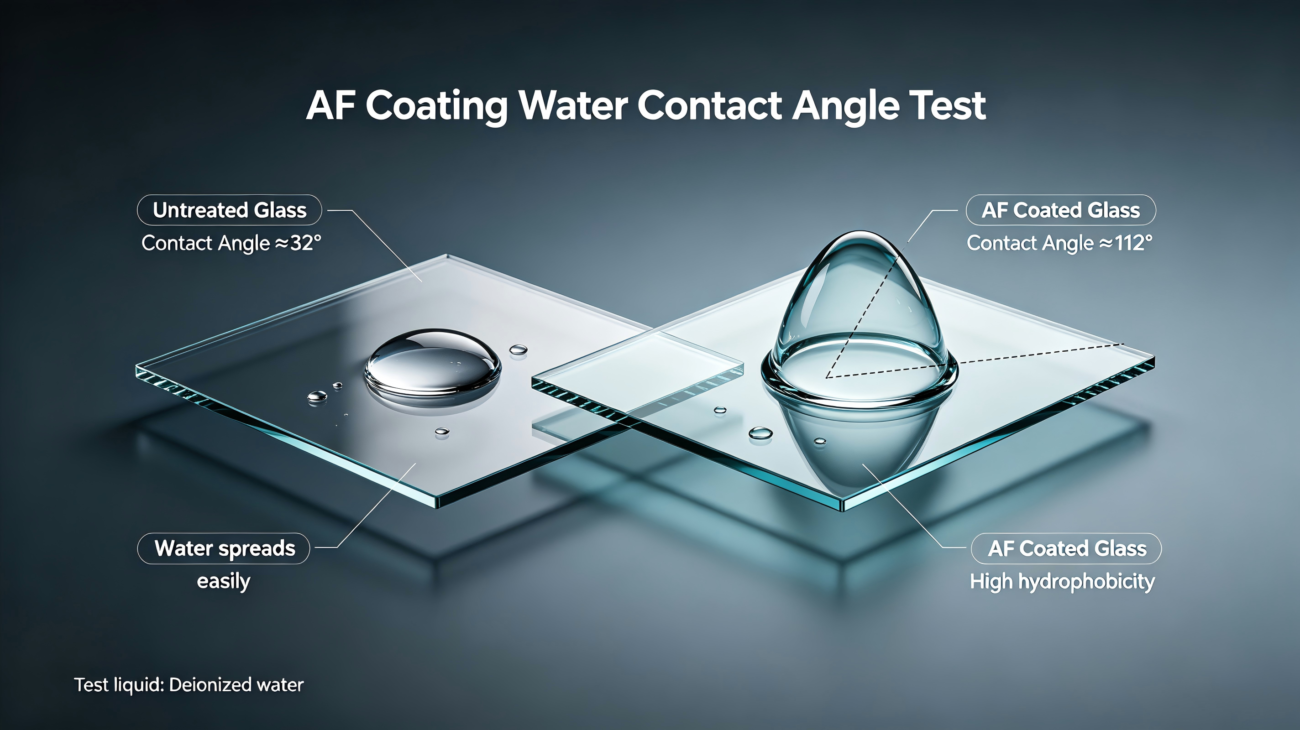
First, what’s glass AF coating? To be simple, it’s a kind of coating on display window glass surface to anti fingerprint(AF), which makes the glass surface more smooth and easy cleaning, protect the AR(anti reflection) layer from easy peel off.
For most buyers and product designers, they may mix up these two methods: Both make the cover glass looks smooth and high end. But their working principles are completely different. There are big gaps in appearance, durability, cost and the use scenarios.
So this article explains AF spray against electroplating in simple words. So you can understand how they work, how they look and feel. Which one lasts longer, which one less costs and which one fits your display cover lens best.
First, definition
What’s spray glass AF coating?
AF spray is a thin, clear nano coating. The manufacturers spray a special liquid on product surface and cure with heat. It can applied on glass, metal, aluminum, plastic, resin and plated surfaces.
The main job of the glass AF coating is simple: Repel water, oil and fingerprints. After coating, your cover glass surface will not catch sweat, dust or oil easily. Any dirt can be wiped clean in just a dry cloth in seconds.
Simple key points: It’s a clear protective film on surface, no metal added. It never changes the original color or texture of the display cover glass.
What’s electroplating glass AF coating?
Electroplating is a metal plating process. Manufacturers put the product into a chemical liquid tank and then use electric current to stick metal materials (chrome, nickel, gold, silver, rose gold) firmly onto the product surface.
Second, feel the differences by hand & visual
Third, material & structure compatibility
Electroplating only works well on conductive metal materials. If you need to plate plastic or glass, factories have to do complicated pre-treatment, which raises cost and increases defect rate.
It is also not good for ultra-thin parts or tiny irregular shapes as the metal layer will be uneven or piled up on edges.
Forth, hardness, wear resistance & lifespan
Glass AF Coating By Electroplating: Much harder & longer lasting
The electroplated metal layer is very hard. It strongly resists scratches and bumps. The tight metal cover blocks air and moisture well, so the product hardly rusts or oxidizes.
In actual tests, electroplating is 3 to 5 times more wear-resistant than spray coating. It does not peel off or fade even after long-term friction or outdoor applications.
AF Spray: Easy Clean & Smooth, But Not Super Hard
AF spray is made for anti-fingerprint and easy-clean purposes, not for hardness. Good AF coating can resist daily friction, but it can’t stand strong, continuous rubbing like electroplating.
If the product faces long-term harsh friction, the thin nano coating will slowly wear out and the anti-fingerprint effect will weaken over time.
Fifth, Cost & Environmental Friendliness
1.Costs
AF Spray: Simple process, low machine cost, fast production, cheap unit price. Perfect for large-batch mass production.
Electroplating: Complicated equipment, high power consumption, more labor work. Its total cost is 2–3 times higher than AF spray.
2.Envriomental & RoHS compliance
AF Spray: Eco-friendly nano material, no heavy metals, no wastewater or toxic gas. Fully meets EU RoHS and global environmental standards.
Electroplating: Produces heavy metal wastewater and waste residue, causing high pollution. Traditional hexavalent chromium plating is banned in many countries and upgraded eco-friendly plating costs much more.
Sixth, How To Choose?
Choose AF Spray Coating If You Need:
Cover lense that need no fingerprints, no oil stains and easy cleaning: touch screens, glass panels, smart home buttons.
Cover glass that need original texture and silky smooth hand feel: electronics accessories, cosmetic packaging.
Plastic, glass and special-shaped non-metal parts.
Cost-effective mass orders with strict environmental standards.
Choose Electroplating If You Need:
Luxury mirror metal appearance: hardware accessories, auto parts, bathroom fixtures.
Strong scratch resistance and anti-rust performance: door handles, mechanical parts, outdoor metal products.
Products that need stable color and durability in harsh environments.
Popular Premium Solutions
Many high-end brands now use electroplating + AF spray double treatment. Electroplating brings hard texture and shiny metal looks, while AF spray fixes fingerprint and dirt issues. It combines strong durability and always-clean surface in one product.