 +86-13925515590
 kleinma@aliyun.com

How Dead Front Glass Design Improves Modern Electronic Interfaces

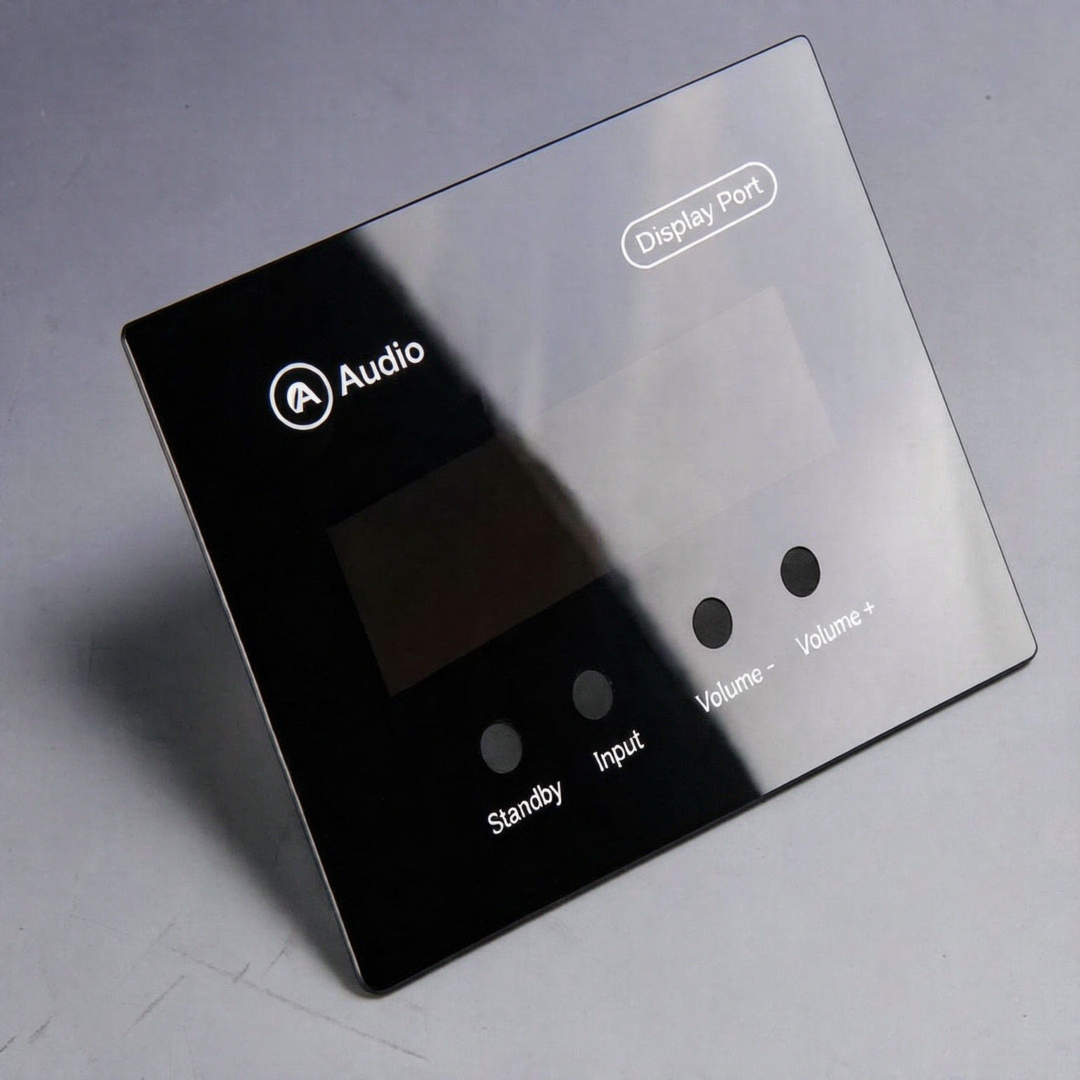
Dead Front Glass Design Introduction
Modern electronic products increasingly require clean, simple and integrated user interfaces. Traditional control panels often expose buttons, indicators and display components, which can affect the overall product appearance.
Dead front glass design provides a solution by creating a seamless glass surface where displays, indicators and controls remain hidden when inactive and become visible when needed.
This design approach is widely used in industrial equipment, smart appliances, electronic devices and professional control systems where appearance, functionality and user experience are equally important.
For manufacturers developing new electronic products, understanding how dead front glass works and how it can be customized is essential when selecting a suitable glass solution.
1. What Is Dead Front Glass Design?
Dead front glass design uses printed glass technology to create a hidden display effect.
When the product is powered off:
- Display areas appear dark or uniform
- Internal components are concealed
- The front surface maintains a clean appearance
When activated:
- Display information becomes visible
- Indicators illuminate
- Touch functions become available
Unlike standard printed glass, dead front glass requires careful coordination between printing design, display visibility and product structure.
2. Why Manufacturers Use Dead Front Glass Design for Electronic Products
Cleaner Product Appearance
One of the main advantages of dead front glass is creating a minimalist appearance.
The glass surface can hide:
- Displays
- LEDs
- Buttons
- Control areas
This allows manufacturers to create modern products with fewer visible components.
Improved User Interface Design
Dead front glass helps integrate visual design and functionality.
Manufacturers can combine:
- Touch controls
- Display windows
- Printed icons
- Functional markings
into one glass interface.
This approach is especially useful for products where the front panel is an important part of the user experience.
3. Common Applications of Dead Front Glass Design

Industrial Control Interfaces
Industrial equipment often requires durable and professional control panels like Human Machine Interface (HMI) solutions.
Dead front glass can be used for:
- Machine interfaces
- Operator panels
- Automation equipment
- Control terminals
The glass provides a protective surface while maintaining a clean interface design.
Smart Appliances
Many modern appliances use glass control panels to create a premium appearance.
Applications include:
- Touch control panels
- Display windows
- Decorative front surfaces
Dead front technology allows displays and controls to remain hidden until activated.
Professional Electronic Equipment
Electronic devices used in commercial and professional environments may require customized front panels.
Examples include:
- Laboratory equipment
- Testing instruments
- Control systems
4. Important Considerations for Dead Front Glass Design
Printing Design
Screen Printing for Cover Glass is a key element of dead front glass.
Design considerations include:
- Black masking areas
- Display transparency
- Icon positions
- Logo placement
- Color requirements
Incorrect printing design can affect display visibility and appearance.
Glass Thickness
Glass thickness should be selected according to:
- Product structure
- Display module
- Touch sensor design
- Durability requirements
Surface Treatment
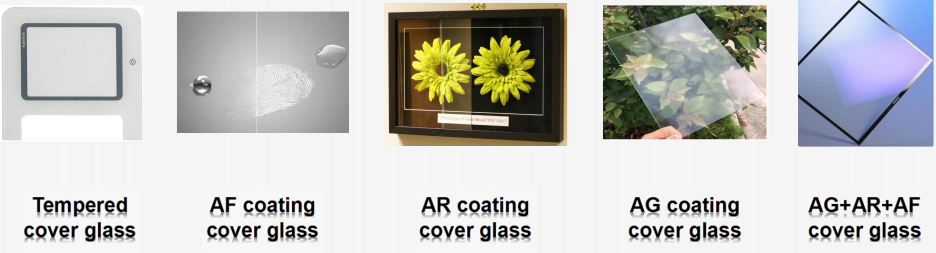
Different environments may require additional coatings.
Common options include:
Anti-Fingerprint Coating
Improves cleaning performance for frequently touched interfaces.
Anti-Glare Coating
Helps reduce reflections.
Anti-Reflective Coating
Improves display visibility.
5. Working With an OEM Dead Front Glass Design Supplier
A successful dead front glass project requires more than printing capability.
Manufacturers should consider supplier capabilities including:
- Glass cutting
- CNC machining
- Silk screen printing
- Strengthening processes
- Optical coatings
- Quality inspection
A supplier experienced in electronic display glass can help evaluate design requirements and manufacturing feasibility.
Conclusion
Dead front glass cover panels design provides electronic manufacturers with a way to combine protection, appearance and user interaction in a single glass component.
By integrating printing technology, display visibility and customized processing, dead front glass panel can create clean and modern interfaces for industrial equipment, appliances and professional electronic products.
WM Custom Cover Glass provides dead front glass panel solutions with capabilities including silk screen printing, CNC machining, strengthening and surface coating options.
Request a Custom Dead Front Glass Panel Quote
Developing an electronic product that requires a hidden display or integrated glass interface?
Send your project details, including:
- Glass dimensions
- Printing design
- Display window requirements
- Touch integration requirements
- Surface coating needs
WM HMI Cover Glass can evaluate your requirements and provide a customized OEM glass solution.