 +86-13925515590
 kleinma@aliyun.com


Explore the Role of Anti Glare Glass For Medical Equipment

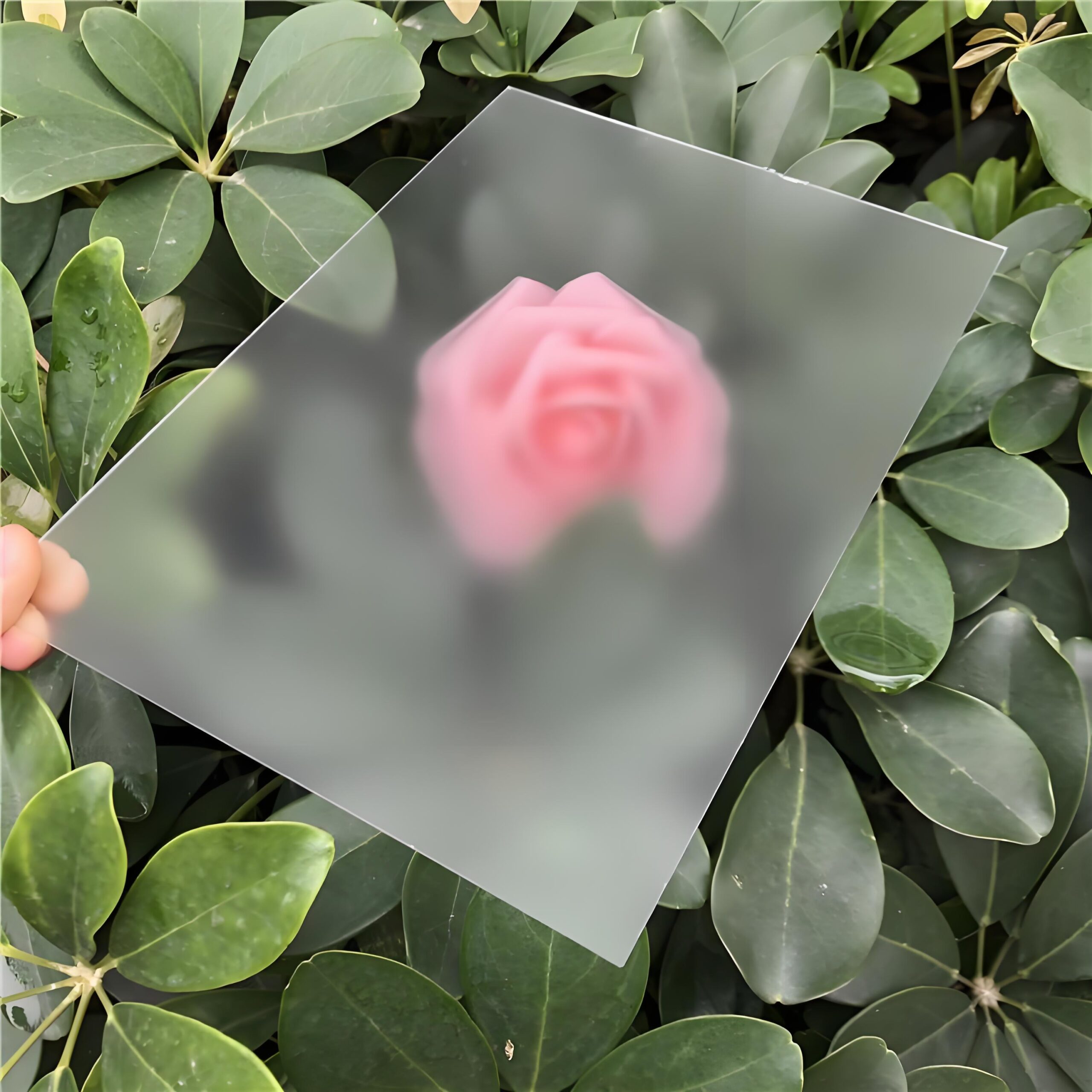
Anti glare glass for medical equipment is used to reduce distracting reflections on displays, touchscreens and control panels. In clinical environments, reflected light can make screen information harder to read, particularly when medical staff work under bright ambient lighting. The appropriate glass surface finish depends on the display design, viewing conditions and required optical performance.
For medical device manufacturers, selecting cover glass involves more than reducing glare. Glass thickness, dimensions, surface treatment, printing, cleanability and compatibility with the display assembly should also be considered during product development.
Understanding Anti Glare Glass in Medical Applications
Anti glare glass is a specially engineered type of glass designed to minimize reflections and glare from ambient light sources. In medical environments, where accuracy and speed are crucial, glare can hinder the readability of screens, monitors, and control panels.
Anti-glare glass typically uses a textured surface to diffuse reflected light. Chemical etching is one common method of creating this matte finish. The resulting optical performance depends on surface texture, haze, gloss and the display’s own optical characteristics. These factors should be evaluated together to balance glare reduction with image sharpness and contrast.
The use of anti glare glass in medical equipment is not limited to displays alone. It extends to protective covers for touch panels, diagnostic screens, and even surgical lights, where the reduction of stray reflections can make a significant difference in procedural outcomes.
Key Specifications to Consider
When specifying anti-glare glass for medical equipment, buyers should review the following factors:
- Optical performance: Required haze, gloss, light transmission and display clarity.
- Glass dimensions: Overall size, thickness, shape and dimensional tolerances.
- Surface treatment: Matte finish and compatibility with the intended viewing environment.
- Mechanical processing: Edge finishing, mounting holes, cutouts and other drawing requirements.
- Printing and assembly: Printed borders, markings and compatibility with adhesives or optical bonding.
- Cleaning requirements: Compatibility with the cleaning agents and disinfection procedures specified for the device.
Final specifications should be confirmed against the medical device design and the manufacturer’s validated requirements.
How to Specify Anti-Glare Glass for Medical Displays
Before requesting a quotation, medical equipment manufacturers should define the glass requirements as clearly as possible.
1. Define the display environment. Identify whether the device will be used in a bright clinical room, a mobile medical cart, a patient monitoring station or another setting. Ambient lighting and viewing distance affect the required surface finish.
2. Balance glare reduction and image clarity. Haze and gloss influence how reflected light is diffused. The selected finish should be evaluated with the intended display to avoid unnecessary loss of sharpness or contrast.
3. Provide mechanical specifications. Include glass dimensions, thickness, edge details, mounting holes, cutouts and dimensional tolerances in the drawing where applicable.
4. Confirm printing and assembly requirements. Specify printed borders, viewing areas, adhesive requirements and whether the glass will be assembled with a touchscreen or display module.
5. Review cleaning and durability requirements. Identify the cleaning agents and disinfection procedures expected during normal use. Confirm compatibility through appropriate material and assembly testing.
A drawing, sample or preliminary specification helps the supplier assess manufacturing feasibility and prepare a more accurate quotation.
The optical performance of anti-glare glass depends on its surface texture and the balance between reflection diffusion and image clarity. For medical display applications, buyers should consider the required viewing conditions, surface finish and display performance when selecting a glass specification. For additional technical information, refer to this guide to acid-etched anti-glare glass and this explanation of anti-glare glass gloss levels and optical performance.
Case Study: Anti Glare Glass in Operating Room Displays
A leading hospital in Asia recently upgraded their operating room displays with anti glare glass panels from DONGGUAN WEIMAN TECHNOLOGY CO.,LTD. The result was a remarkable reduction in screen reflections, even under intense surgical lighting. Surgeons reported less eye strain and improved focus, highlighting the crucial role of such technology in modern healthcare environments.
Industry Trends: The Growing Demand for Anti Glare Glass
The global demand for anti glare glass is on the rise, driven by the proliferation of digital devices in healthcare. According to industry research, the medical display market is expected to grow at a CAGR of over 5% through 2028. Hospitals, clinics, and diagnostic centers are investing in advanced display technologies to enhance patient care and operational efficiency.
In parallel, regulatory bodies are tightening standards for medical equipment, emphasizing not only performance but also user safety and comfort. Anti glare glass, with its ability to minimize visual distractions and reduce the risk of errors, is quickly becoming a standard requirement in the design of new medical devices.
Integration with Touch Panel Glass and Optical Glass
In addition to anti glare glass, touch panel glass and optical glass are integral components in modern medical equipment. Touch panel glass enables intuitive, responsive interfaces that are easy to disinfect—an essential quality in sterile medical settings. Meanwhile, optical glass ensures high precision and minimal distortion in imaging systems, microscopes, and endoscopes. WEIMAN TECHNOLOGY offers comprehensive solutions, integrating anti glare, touch, and optical glass to deliver unparalleled performance across a wide range of medical applications.
WEIMAN TECHNOLOGY: Pioneering Innovation in Medical Glass Solutions
With a commitment to quality and innovation, WEIMAN TECHNOLOGY has established itself as a trusted partner for leading medical device manufacturers worldwide. Their state-of-the-art manufacturing facilities in Dongguan, China, are equipped with advanced coating and processing technologies, ensuring that every piece of anti glare glass meets the highest standards of clarity, durability, and safety.
The company’s R&D team works closely with medical professionals to understand the unique challenges faced in clinical environments. This collaborative approach allows DONGGUAN WEIMAN TECHNOLOGY CO.,LTD to develop customized glass solutions that address specific needs, from ultra-thin panels for portable devices to reinforced glass for heavy-duty equipment.
Quality Assurance and Certification
All anti glare glass products from WEIMAN TECHNOLOGY undergo rigorous testing for optical performance, chemical resistance, and mechanical strength. The company holds ISO 9001 and ISO 13485 certifications, reflecting its dedication to quality management and compliance with medical device regulations.
Future Outlook: Advancing Healthcare with Anti Glare Glass
As the healthcare industry continues to embrace digital transformation, the role of anti glare glass will only become more significant. Innovations such as augmented reality surgical displays, telemedicine consoles, and AI-powered diagnostic tools all require pristine, glare-free interfaces to function at their best.
WEIMAN TECHNOLOGY is poised to lead this next wave of innovation, leveraging its expertise in anti glare, touch panel, and optical glass to support safer, more efficient, and more comfortable medical environments. By investing in research and maintaining close partnerships with device manufacturers, the company is setting new benchmarks for quality and performance in medical glass solutions.
Conclusion
In summary, anti glare glass is an indispensable component in the design and operation of modern medical equipment. Through continuous innovation and a steadfast commitment to quality, DONGGUAN WEIMAN TECHNOLOGY CO.,LTD is enabling healthcare professionals to work with greater accuracy, comfort, and confidence. As the industry evolves, the integration of anti glare, touch panel, and optical glass will remain central to delivering the next generation of medical technology.
Request a Quote for Medical Display Cover Glass
Developing a medical display, touchscreen or control panel? Weiman Tech can review your custom glass requirements based on your drawings, dimensions and processing specifications.
To help assess your project, please include the required glass thickness, dimensions, surface finish, printing details, estimated quantity and intended application.
Explore Custom Anti-Glare Glass
Contact us to discuss your project and request a quotation.