 +86-13925515590
 kleinma@aliyun.com

What Is AGC Glass and Where Is It Used?

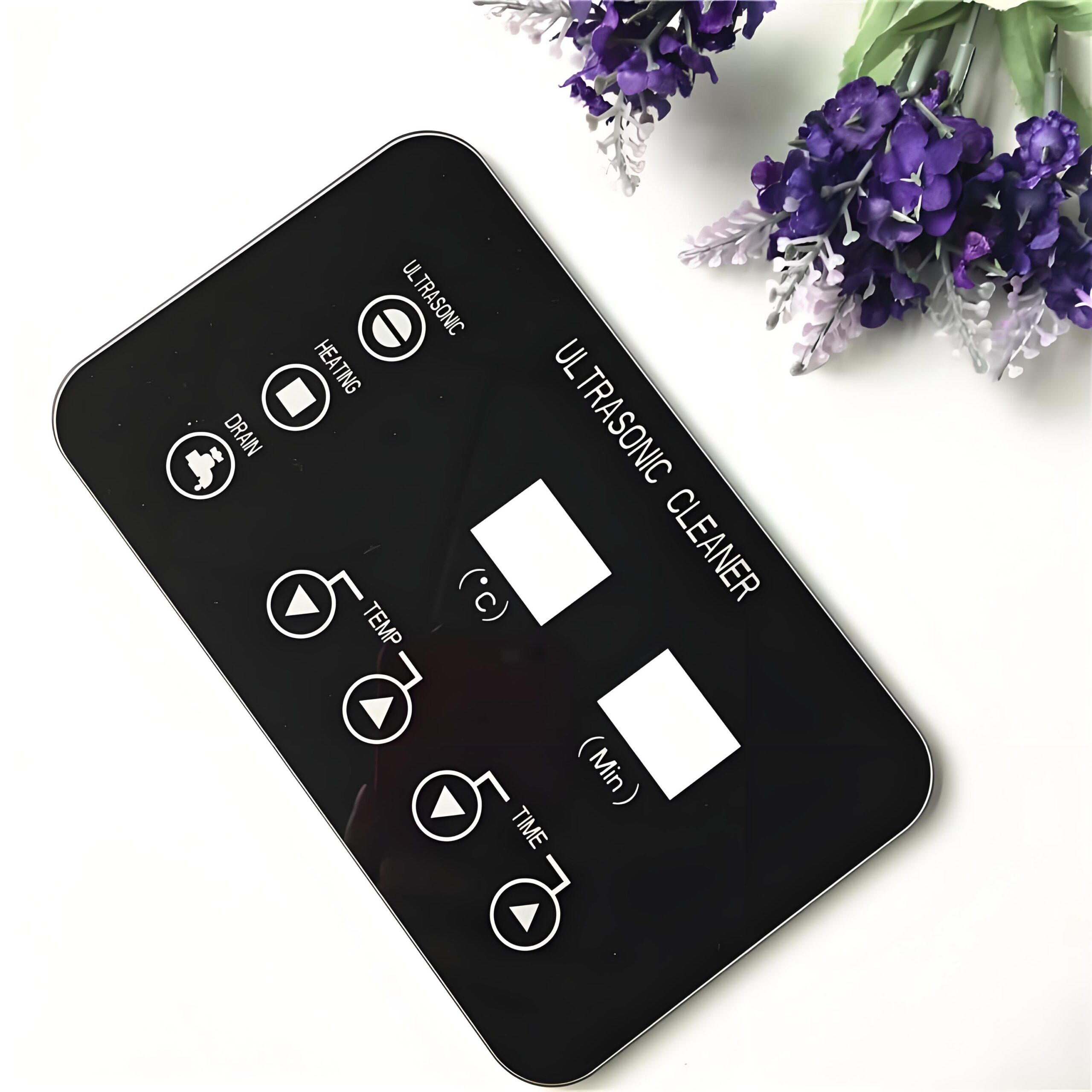
The Definition of AGC Glass and Where Is It Used?
AGC glass is commonly discussed in the display, electronics and specialty glass industries, but the term can be confusing.
AGC is not a single type of glass. AGC is a global manufacturer of glass, chemicals and high-tech materials, and its glass portfolio includes different materials and product categories for display and electronic applications.
Depending on the application, AGC supplies glass substrates, specialty glass for chemical strengthening and high-quality soda-lime glass. AGC’s own product information lists high-quality soda-lime glass for sensor substrates, display devices, touch panels and cover glass, while its specialty glass portfolio has included chemically strengthened glass for electronic-device cover glass.
For OEM buyers, this means that “AGC glass” should not be treated as one universal specification. The correct AGC glass should be selected according to the material grade, thickness, application and required processing.
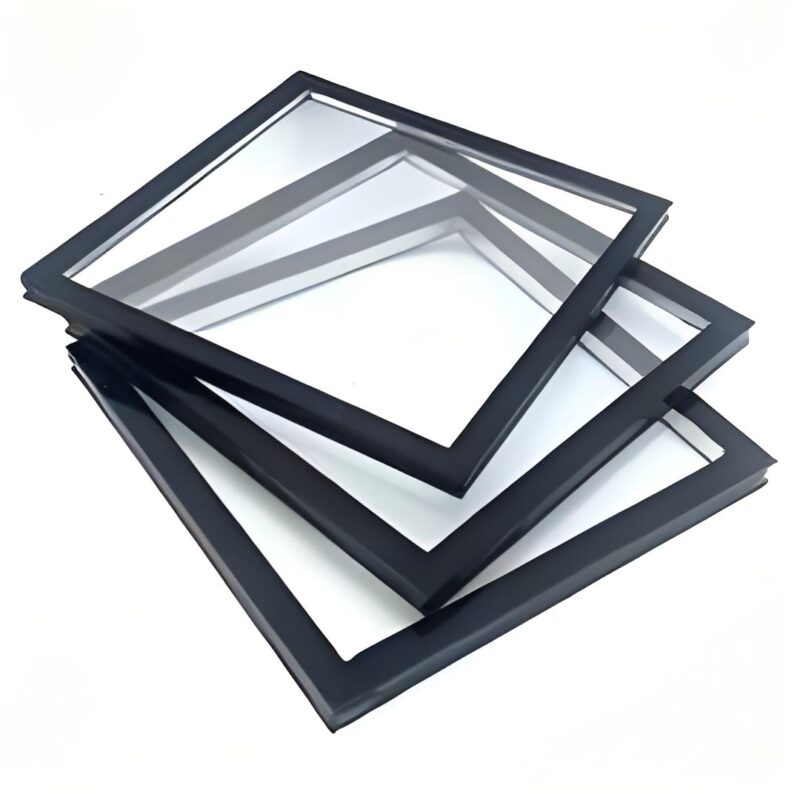
1. What Does AGC Glass Mean?
AGC glass generally refers to glass manufactured or supplied by AGC for a particular application.
AGC’s portfolio covers several different categories, including:
- Display glass substrates
- Specialty glass for chemical strengthening
- High-quality soda-lime glass
- Automotive display cover glass
- Optical and electronic glass materials
- Processed glass products
AGC also operates dedicated businesses for display glass and automotive display cover glass. For example, AGC Display Glass Yonezawa manufactures and processes glass substrates for flat-panel displays and cover glass for automotive displays.
Therefore, when an OEM customer requests “AGC glass,” the manufacturer should confirm exactly which AGC material or grade is required.
2. AGC Glass for Display Applications
AGC has a long-standing presence in the display-glass industry.
Its display-related portfolio includes glass substrates for TFT-LCD and OLED displays. AGC also develops glass materials for applications where thinness, flatness, transparency, thermal performance or dimensional stability are important.
These glass materials can be found in applications such as:
- Flat-panel displays
- Touch panels
- Electronic displays
- Automotive displays
- Industrial display systems
- Consumer electronic devices
It is important to distinguish between a display glass substrate and a cover glass.
A display substrate is part of the display panel itself, while cover glass is the protective glass positioned above the display or touchscreen.
For a custom cover glass project, the required glass specification should therefore be confirmed before ordering.
3. AGC Soda-Lime Glass
One important category in AGC’s portfolio is high-quality soda-lime glass.
AGC’s data book identifies its AS2 product as high-quality soda-lime glass used for sensor substrates, display devices, touch panels and cover glass.
Soda-lime glass can be attractive for OEM projects where:
- Cost efficiency is important
- Standard glass thicknesses are acceptable
- The mechanical requirements are moderate
- Large-volume production is required
- Custom cutting and machining are needed
- Surface treatments or printing are required
For suitable projects, soda-lime glass can be processed into custom cover glass with operations such as cutting, CNC machining, edge processing, printing and surface treatment.
The final specification should always be based on the actual glass grade and application rather than assuming that every AGC glass product has the same performance.
4. AGC Specialty Glass for Chemical Strengthening
AGC has also developed specialty glass designed for chemical strengthening.
Its Dragontrail series was developed as specialty glass for chemical strengthening and was used as cover glass for electronic devices such as smartphones, tablets, PCs and automotive displays.
Chemical strengthening can be considered when a project requires improved mechanical performance while maintaining a relatively thin glass design.
The strengthening process, however, should be evaluated together with:
- Glass material
- Thickness
- Glass dimensions
- Edge design
- Holes and cutouts
- Surface condition
- Installation method
Important current note: AGC announced in December 2025 that it would exit its specialty-glass business for chemical strengthening, with manufacturing of the Dragontrail series at its Takasago Factory scheduled to end in Q3 2026. Therefore, OEM buyers should confirm current availability and supply status rather than assuming Dragontrail remains generally available.
5. Where Is AGC Glass Used?

AGC glass is used across a broad range of electronic and display applications.
Consumer Electronics
Glass materials can be used in:
- Smartphones
- Tablets
- PCs
- Touch panels
- Other electronic devices
AGC specifically identifies specialty glass for chemical strengthening as being used for electronic-device cover glass.
Automotive Displays
Automotive displays are another important application.
AGC has developed both flat and curved cover glass for vehicle-mounted displays. Its cover glass technology has been used for automotive infotainment and information displays.
Industrial Displays
AGC glass can also be considered for industrial display and control applications where the required material grade and processing specifications are suitable.
Potential applications include:
- Industrial HMIs
- Control panels
- Factory equipment displays
- Touchscreen interfaces
- Electronic control systems
The final material selection should be based on the mechanical, optical and environmental requirements of the equipment.
Touch Panels
AGC identifies high-quality soda-lime glass for touch panels and cover glass applications.
Depending on the design, a touch-panel glass component may require:
- Precision dimensions
- Holes or slots
- CNC machining
- Edge processing
- Chemical strengthening
- Silk screen printing
- AG, AR or AF treatment
6. AGC Glass vs Generic Glass
One common misunderstanding is that specifying “AGC glass” automatically defines the performance of the finished cover glass.
It does not.
A complete glass specification may include:
Material Grade + Thickness + Dimensions + Strengthening + Surface Treatment + Processing
For example:
1.0 mm AGC glass
is not necessarily a complete OEM specification.
A more useful specification could include:
- AGC material or grade
- 1.0 mm thickness
- Finished dimensions
- Dimensional tolerance
- Hole and cutout requirements
- Edge processing
- Strengthening method
- Surface treatment
- Printing requirements
- Optical requirements
This is particularly important when the glass will be integrated into an industrial touchscreen or electronic display.
7. Can AGC Glass Be CNC Machined?
Depending on the specific glass product and application, custom glass components can require secondary processing.
Typical processes may include:
Precision Cutting
The glass is cut according to the required finished dimensions.
CNC Machining
CNC processing can create:
- Holes
- Slots
- Notches
- Sensor openings
- Custom profiles
- Rounded corners
Edge Processing
Edges may be:
- Seamed
- Ground
- Polished
- Beveled
Silk Screen Printing
Printing can be used for:
- Black borders
- Logos
- Icons
- Functional markings
- Decorative patterns
Surface Treatment
Depending on the application, AG, AR or AF treatments may be considered.
AGC itself has developed anti-glare glass for high-definition displays and describes AG glass as a cover-glass solution for displays used in PCs, tablets and other devices.
8. How to Choose AGC Glass for an OEM Project
When selecting AGC glass, start with the application rather than the brand name.
Ask the following questions:
What is the application?
Is the glass for:
- Industrial HMI
- Touchscreen
- Automotive display
- Consumer electronics
- POS terminal
- Control panel
- Outdoor display?
What thickness is required?
Determine the thickness based on the display size, support structure, mechanical requirements and assembly.
Does the glass need strengthening?
If the product is frequently touched or exposed to impact, strengthening may need to be considered.
Is a surface treatment required?
Choose according to the environment:
- AG for glare management
- AR for reflection reduction
- AF for fingerprint resistance and easier cleaning
Does the glass require custom machining?
Confirm whether the drawing includes:
- Holes
- Slots
- Notches
- Curved corners
- Special edges
- Mounting features
What production volume is required?
Prototype and mass-production projects may require different material and manufacturing considerations.
9. AGC Glass for Custom Cover Glass
For OEM projects, AGC glass can be one material option for custom electronic cover glass.
A custom cover glass project may involve:
Material Selection → Cutting → CNC Machining → Edge Processing → Strengthening → Printing → Coating → Cleaning → Inspection → Packaging
The exact process depends on the material, geometry and application.
At WM Cover Glass, custom glass projects can be developed according to customer drawings and application requirements, including precision cutting, CNC machining, edge processing, chemical strengthening, silk screen printing and AR, AG and AF surface treatments.
10. What Should You Provide When Requesting a Quote?
If you are looking for custom AGC glass, provide as much technical information as possible.
Recommended RFQ information includes:
- AGC material or grade
- Glass thickness
- Finished dimensions
- Dimensional tolerance
- Glass shape
- Holes and cutouts
- Edge requirements
- Strengthening requirements
- AG/AR/AF requirements
- Printing requirements
- Optical requirements
- Application
- Prototype quantity
- Annual production volume
- Engineering drawing
If you are not sure which AGC material is appropriate, provide the application and drawing first.
A qualified glass processor can then evaluate the material, processing and finishing requirements.
Conclusion
AGC glass is not a single glass material. It is a broad range of glass products and materials supplied for display, electronics, automotive and other applications.
Depending on the project, AGC’s portfolio has included high-quality soda-lime glass, display glass substrates and specialty glass for chemical strengthening.
For OEM buyers, the most important step is to define the complete specification rather than simply requesting “AGC glass.”
The selection should consider:
Material → Grade → Thickness → Strengthening → Machining → Surface Treatment → Printing → Application
For custom electronic and industrial display cover glass, providing an engineering drawing and application requirements is the best starting point for selecting a suitable glass solution.