 +86-13925515590
 kleinma@aliyun.com
Soda Lime vs Aluminosilicate Glass for Industrial Displays

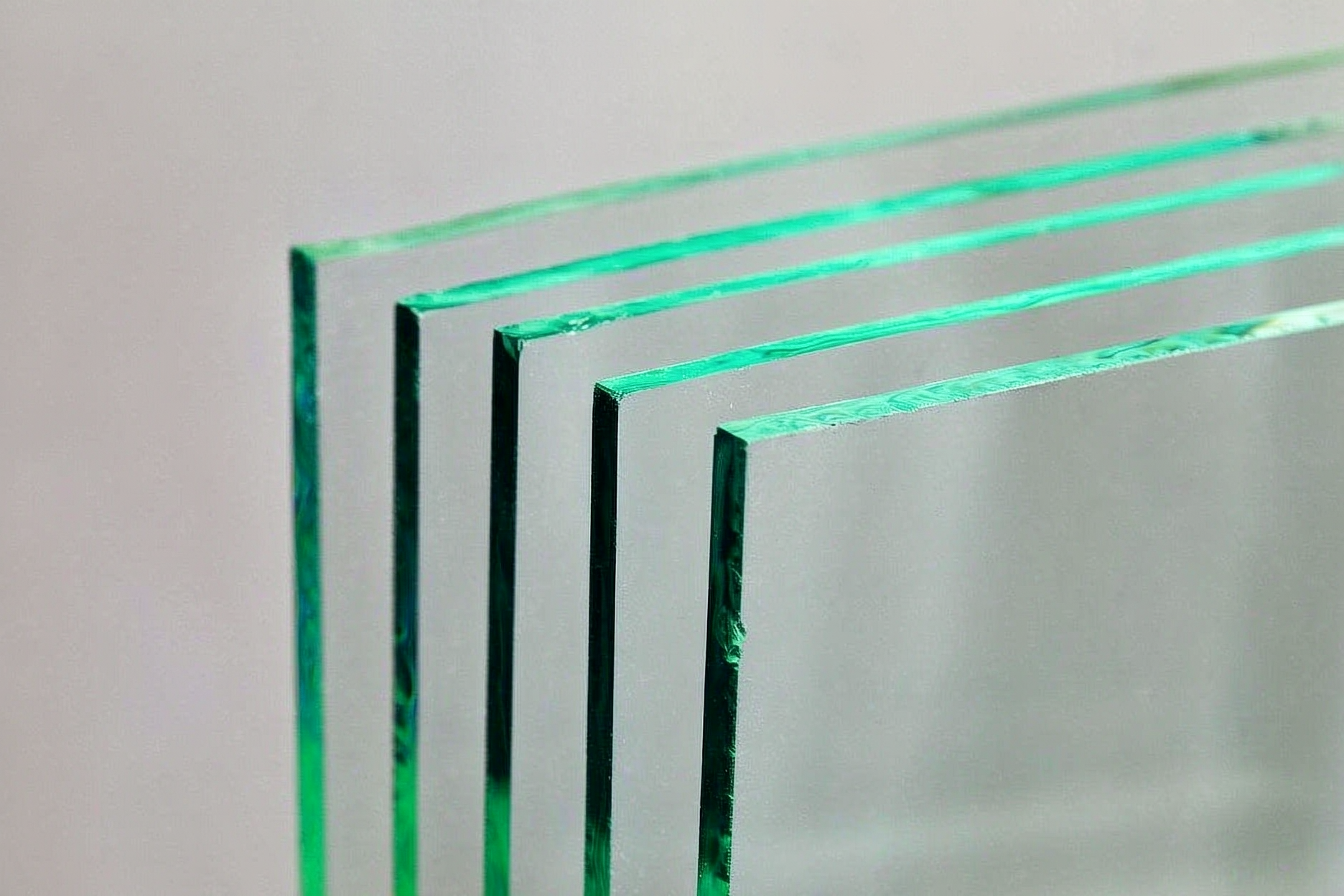
Soda Lime vs Aluminosilicate Glass
Choosing the right glass material is an important decision when designing an industrial display or touchscreen. Industrial HMIs, control panels, factory equipment, outdoor terminals and other electronic interfaces may require different combinations of strength, thickness, optical performance, durability and cost.
Two commonly considered glass options are soda lime glass and aluminosilicate glass.
Both materials can be processed into custom display cover glass, but they are not interchangeable for every application.
The right choice depends on the display size, operating environment, required thickness, strengthening method, surface treatment, mechanical requirements and project budget.
This guide compares soda lime and aluminosilicate glass for industrial display applications and explains how OEM buyers can select the appropriate material.
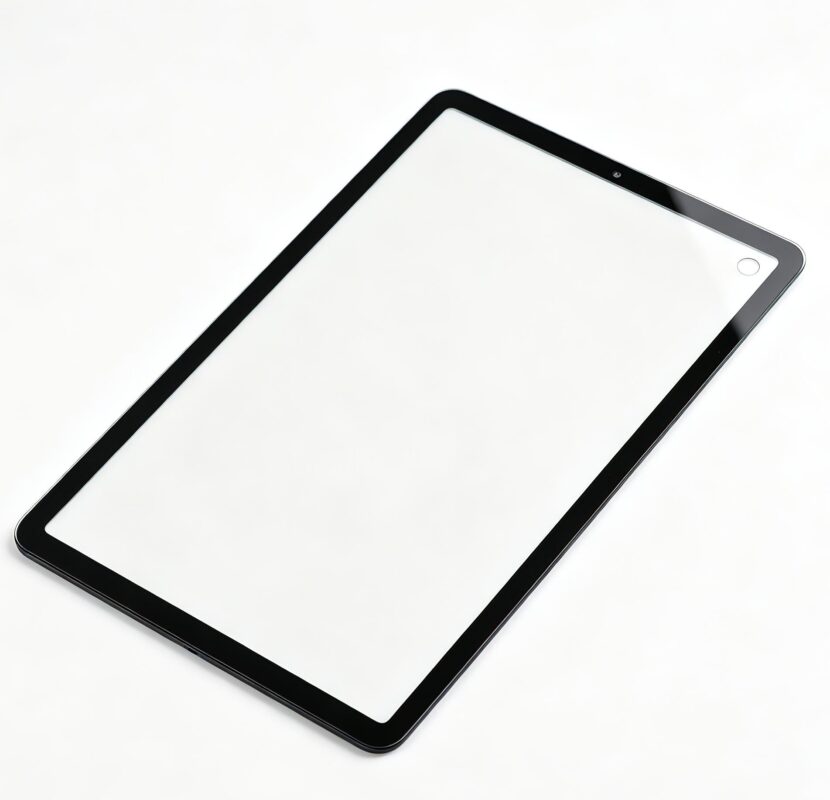
1. What Is Soda Lime Glass?
Soda lime glass is a widely used glass composition based primarily on silica, sodium oxide and calcium oxide.
It is commonly used for a broad range of glass products because of its availability, manufacturability and cost efficiency. Famous brand like AGC.
For industrial display applications, soda lime glass can be processed into custom cover glass with operations such as:
- Precision cutting
- CNC machining
- Edge processing
- Hole and slot machining
- Silk screen printing
- Chemical strengthening
- AR, AG and AF surface treatments
Soda lime glass can therefore be a practical choice when the application does not require the specific performance characteristics of a higher-strength specialty glass.
For many OEM projects, the final performance depends not only on the base glass composition but also on the thickness, strengthening process, geometry and complete display assembly.
2. What Is Aluminosilicate Glass?
Aluminosilicate glass is a specialty glass composition containing aluminum oxide in addition to silica and other components.
It is widely used in demanding electronic applications where thinness, strength and durability are important considerations.
Aluminosilicate glass can also be processed into custom cover glass for:
- Industrial displays
- Touchscreens
- Control panels
- Consumer electronics
- Transportation displays
- Medical equipment
- Other electronic interfaces
Depending on the specific glass grade and processing requirements, aluminosilicate glass can be chemically strengthened to improve its mechanical performance.
This makes it an option worth considering when a project requires a relatively thin cover glass with enhanced resistance to damage.
3. Soda Lime vs Aluminosilicate Glass: Key Differences
The most important difference is that these are different glass compositions with different performance and cost characteristics.
| Factor | Soda Lime Glass | Aluminosilicate Glass |
|---|---|---|
| Material type | Standard glass composition | Specialty glass composition |
| Cost | Generally more cost-efficient | Generally higher material cost |
| Availability | Widely available | Depends on grade and supplier |
| Thin-glass applications | Suitable for many applications | Strong option for demanding thin-glass designs |
| Chemical strengthening | Available for suitable grades | Commonly used for high-performance applications |
| Custom machining | Available | Available |
| Screen printing | Available | Available |
| AG/AR/AF treatment | Available depending on process | Available depending on process |
| Industrial display use | Broad range | More demanding applications |
This table should be treated as a general comparison. Actual performance depends on the specific glass grade, thickness, strengthening process and finished geometry.
4. Which Glass Is Stronger?
This is one of the most common questions from OEM buyers.
There is no simple answer based only on the words “soda lime” or “aluminosilicate.”
Glass strength depends on several factors, including:
- Glass composition
- Thickness
- Surface condition
- Edge condition
- Glass geometry
- Holes and cutouts
- Strengthening method
- Manufacturing quality
- Installation and support conditions
Chemical strengthening can significantly change the performance of a glass substrate.
For this reason, an OEM project should compare actual material grades and finished specifications rather than assuming that one material will always outperform another.
5. When Should You Choose Soda Lime Glass?
Soda lime glass can be a suitable option when cost efficiency and standard manufacturing requirements are important.
Consider soda lime glass when:
- The display has moderate mechanical requirements
- The glass thickness is not extremely thin
- The application has a controlled indoor environment
- Cost is an important consideration
- The required dimensions are relatively straightforward
- Standard processing is sufficient
- The project requires a large production volume
Examples may include:
- Indoor industrial HMIs
- Factory control panels
- Equipment displays
- Commercial control interfaces
- Certain POS and self-service terminals
However, the final selection should always be based on the actual mechanical and environmental requirements.
6. When Should You Consider Aluminosilicate Glass?
Aluminosilicate glass may be considered when the project places greater emphasis on thinness, mechanical performance or demanding operating conditions.
It can be a good candidate when:
- A thinner cover glass is required
- Higher damage resistance is desired
- The display is frequently touched
- The product has a demanding mechanical design
- Weight reduction is important
- Chemical strengthening is part of the design
- The application requires a higher-performance glass substrate
Potential applications include:
- Industrial touchscreen displays
- Advanced HMIs
- Outdoor electronic displays
- Transportation displays
- Medical interfaces
- High-use control panels
Again, the specific glass grade and strengthening process need to be evaluated rather than selecting the material based only on its category.
7. Don’t Choose Glass Based on Material Alone
Material selection is only one part of industrial display cover glass design.
The complete specification may include:
Thickness
The thickness should match the display size, support structure, impact requirements and installation method.
Strengthening
Chemical strengthening or thermal tempering may be considered depending on the glass material and project requirements.
Edge Processing
Edges can be seamed, ground, polished or otherwise processed according to the mechanical and cosmetic requirements.
CNC Machining
Industrial display glass may require:
- Holes
- Slots
- Notches
- Rounded corners
- Custom profiles
- Sensor openings
Surface Treatment
The display environment may determine whether AG, AR or AF treatment is appropriate.
Printing
Black borders, logos, icons and other printed elements may be required for the final product design.
All of these factors can influence the final performance of the cover glass.
8. Soda Lime vs Aluminosilicate for Outdoor Industrial Displays
Outdoor applications usually require more careful evaluation.
Outdoor displays may experience:
- Direct sunlight
- Temperature fluctuations
- Rain and moisture
- Dust
- Frequent cleaning
- Higher reflection
- Greater impact risk
In these cases, the glass material should be evaluated together with surface treatment and strengthening.
For example, an outdoor industrial display may require a combination of:
Aluminosilicate Glass + Chemical Strengthening + AR/AG + AF
But this is not automatically the best specification for every outdoor product.
The correct combination depends on the actual operating environment and display design.
9. What About Cost?
Cost is often one of the biggest differences between the two material categories.
Soda lime glass is generally more cost-efficient and widely available, which can make it attractive for high-volume projects where the required performance can be achieved with a standard glass solution.
Aluminosilicate glass generally has a higher material cost, but it may provide advantages for applications where thinness, strength or durability are more important.
The cheapest glass is not necessarily the lowest-cost solution.
If a low-cost material requires greater thickness, additional protection or more complicated assembly, the total product cost may increase.
OEM buyers should therefore compare:
Glass Material + Thickness + Strengthening + Processing + Coatings + Assembly
rather than comparing material price alone.
10. Which One Is Better for Industrial Displays?
There is no universal winner.
Choose Soda Lime Glass when:
- Cost efficiency is important
- The mechanical requirements are moderate
- Standard thicknesses are acceptable
- The operating environment is relatively controlled
- The required performance can be achieved through appropriate processing
Consider Aluminosilicate Glass when:
- Thin glass is important
- Higher mechanical performance is required
- The display has demanding usage conditions
- Weight reduction is valuable
- Chemical strengthening is part of the design
- The application requires a higher-performance glass substrate
The best material is the one that meets the complete product specification without unnecessary cost or performance.
11. What Should OEM Buyers Provide When Requesting a Quote?
To determine whether soda lime or aluminosilicate glass is appropriate, an OEM supplier will usually need information such as:
- Glass material preference
- Glass thickness
- Finished dimensions
- Display size
- Hole and cutout requirements
- Edge processing
- Strengthening requirements
- AG, AR or AF requirements
- Printing requirements
- Optical requirements
- Operating environment
- Expected production volume
- Engineering drawing
If you are unsure which glass material is appropriate, providing the application and drawing can allow the manufacturer to recommend suitable options.
12. Custom Industrial Display Glass Manufacturing
For custom industrial display projects, the glass material is only the starting point.
A complete manufacturing process may include:
Material Selection → Cutting → CNC Machining → Edge Processing → Strengthening → Printing → Coating → Cleaning → Inspection → Packaging
The final product should be evaluated according to dimensional, cosmetic, optical and mechanical requirements.
A supplier capable of handling multiple processes can also simplify OEM project management.
Conclusion
Soda lime and aluminosilicate glass can both be used for industrial display cover glass, but they serve different project requirements.
Soda lime glass can be a practical and cost-efficient option for many standard industrial display applications.
Aluminosilicate glass may be more appropriate when thinness, mechanical performance and demanding application requirements become more important.
The correct decision should consider the complete specification:
Material → Thickness → Strengthening → Geometry → Surface Treatment → Printing → Assembly → Operating Environment
For OEM industrial display projects, WM Cover Glass provides custom glass processing including cutting, CNC machining, edge processing, chemical strengthening, silk screen printing and AR, AG and AF surface treatments.
If you already have a drawing or project specification, send us the requirements for a custom cover glass evaluation and quotation.