 +86-13925515590
 kleinma@aliyun.com
Aluminosilicate Glass vs Soda Lime Glass: Which Cover Glass Material Should You Choose?

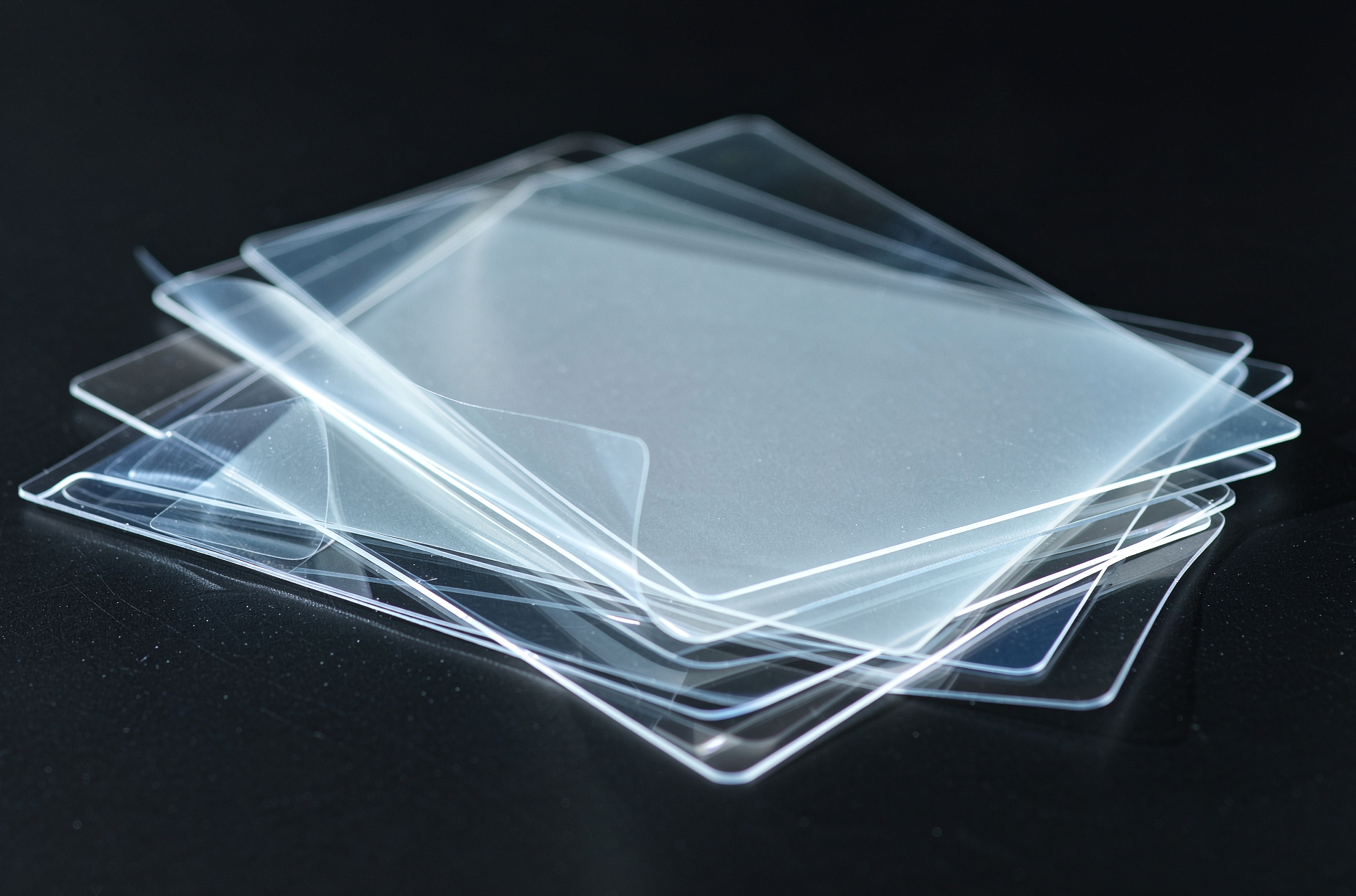
Selecting the right cover glass material is a critical step when developing electronic displays, touch panels, industrial equipment, and consumer devices.
Two commonly used glass materials are aluminosilicate glass and soda lime glass. Both materials offer excellent optical clarity and can be processed into custom glass components, but they have significant differences in strength, thermal performance, thickness capability, and application suitability.
For OEM display projects, choosing the correct glass material can directly affect product durability, reliability, and overall performance.
This article explains the differences between aluminosilicate glass vs soda lime glass and helps you select the right solution for your application.
What Is Aluminosilicate Glass?
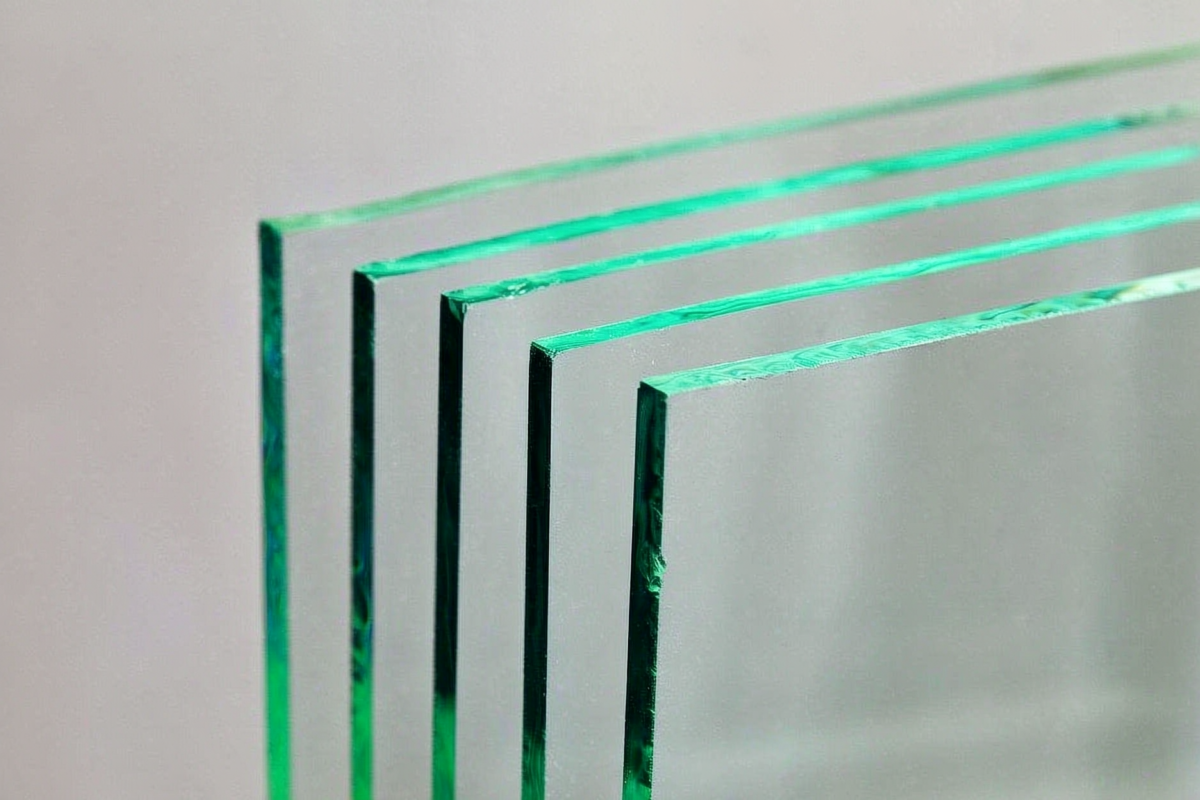
Aluminosilicate glass is a high-performance glass material containing silica and aluminum oxide, which provides improved mechanical and thermal properties compared with standard glass.
Through advanced manufacturing processes and chemical strengthening, aluminosilicate glass can achieve excellent strength while maintaining thin dimensions.
Key advantages include:
- High mechanical strength
- Excellent scratch resistance
- Superior thermal stability
- Good chemical durability
- Suitable for thin glass applications
Aluminosilicate glass is commonly used for:
- Display cover glass
- Touchscreen panels
- Industrial displays
- Automotive displays
- Consumer electronics
- Medical equipment screens
What Is Soda Lime Glass?
Soda lime glass is the most widely produced type of glass and is commonly used because of its cost efficiency and easy processing.
It mainly consists of:
- Silica
- Sodium oxide
- Calcium oxide
Soda lime glass provides:
- Good optical clarity
- Stable performance
- Easy manufacturing
- Cost-effective production
Typical applications include:
- Window glass
- General display protection
- Industrial viewing windows
- Low-cost electronic panels
Aluminosilicate Glass vs Soda Lime Glass Comparison
| Feature | Aluminosilicate Glass | Soda Lime Glass |
|---|---|---|
| Strength | Higher | Moderate |
| Scratch Resistance | Excellent | Good |
| Thermal Stability | Excellent | Moderate |
| Thin Glass Capability | Excellent | Limited |
| Chemical Strengthening | Excellent compatibility | Limited performance |
| Cost | Higher | Lower |
| Optical Clarity | Excellent | Excellent |
| Premium Display Applications | Excellent | Limited |
| Mass Production Cost | Higher | Lower |
Why Choose Aluminosilicate Glass for Display Cover Glass?
For demanding electronic applications, aluminosilicate glass provides several advantages.
1. Higher Strength for Thin Applications
Modern electronic products require thinner and lighter designs.
Aluminosilicate glass is suitable for:
- 0.3mm glass
- 0.5mm glass
- 0.7mm glass
- 1.0mm glass
Combined with chemical strengthening, it provides excellent resistance against:
- Scratches
- Impact damage
- Edge stress
This makes it ideal for high-performance display cover glass.
2. Better Thermal Performance
Many electronic devices operate in challenging environments.
Aluminosilicate glass offers better resistance to:
- Temperature changes
- Thermal stress
- Long-term environmental exposure
It is commonly selected for:
- Automotive displays
- Outdoor equipment
- Industrial control panels
3. Better for Custom Processing
OEM cover glass often requires complex processing.
Aluminosilicate glass supports:
- CNC machining
- Precision cutting
- Edge polishing
- Silk screen printing
- AG coating
- AR coating
- AF coating
This makes it suitable for customized display applications.
When Is Soda Lime Glass a Better Choice?
Although aluminosilicate glass provides higher performance, soda lime glass remains an important material choice for many applications.
Soda lime glass may be suitable when:
1. Cost Is a Primary Consideration
For large-volume projects where extreme durability is not required, soda lime glass can provide a more economical solution.
2. The Application Has Lower Mechanical Requirements
Examples include:
- Indoor displays
- Protective windows
- Standard electronic panels
- General industrial applications
3. Larger Glass Sizes Are Required
Soda lime glass is widely available and can be produced efficiently for larger panels.
How to Select the Right Cover Glass Material?
When choosing between aluminosilicate glass and soda lime glass, consider:
Application Requirements

Ask:
- Is the display used indoors or outdoors?
- Is impact resistance important?
- Is the product exposed to temperature changes?
- Is thin glass required?
Strength Requirements
For:
- Premium displays
- Touchscreen devices
- Portable electronics
→ Aluminosilicate glass is usually preferred.
For:
- Standard protection panels
- Cost-sensitive projects
→ Soda lime glass may be suitable.
Processing Requirements
Consider whether your glass requires:
- Chemical strengthening
- CNC machining
- Printing
- Coatings
- Lamination
The selected material should support the complete manufacturing process.
Aluminosilicate Glass Applications
Common applications include:
Consumer Electronics
- Smartphones
- Tablets
- Wearable devices
Industrial Displays
- HMI panels
- Control systems
- Automation equipment
Automotive Displays
- Dashboard screens
- Touch control panels
Medical Equipment
- Diagnostic displays
- Electronic instruments
Custom Cover Glass Manufacturing Solutions
As a professional custom cover glass manufacturer, WM Cover Glass provides customized glass solutions based on different application requirements.
Our capabilities include:
- Aluminosilicate glass processing
- Soda lime glass processing
- Chemical strengthening
- Thermal tempering
- CNC machining
- Silk screen printing
- AG / AR / AF coatings
- OCA lamination
We help customers select the right display glass material according to:
- Thickness requirements
- Mechanical performance
- Optical requirements
- Application environment
- Production volume
FAQ About Aluminosilicate Glass and Soda Lime Glass
What is the main difference between aluminosilicate glass and soda lime glass?
The main difference is performance. Aluminosilicate glass provides higher strength, better thermal stability and better suitability for thin electronic cover glass applications.
Is aluminosilicate glass stronger than soda lime glass?
Yes, aluminosilicate glass generally provides better mechanical performance, especially after chemical strengthening.
Can soda lime glass be used as display cover glass?
Yes. Soda lime glass can be used for applications where cost efficiency and standard protection are the main requirements.
Can aluminosilicate glass be chemically strengthened?
Yes. Aluminosilicate glass is widely used for chemically strengthened cover glass applications.
Which glass material is better for industrial displays?
The best choice depends on the application. Industrial displays requiring high durability often use aluminosilicate glass, while cost-focused applications may use soda lime glass.
Can you provide custom aluminosilicate glass according to drawings?
Yes. Custom sizes, thicknesses, coatings, printing and machining services are available based on customer specifications.
Conclusion
Both aluminosilicate glass and soda lime glass have their own advantages. Soda lime glass provides a cost-effective solution for general applications, while aluminosilicate glass offers higher performance for demanding electronic display applications.
For OEM projects requiring durable, thin and reliable display cover glass, selecting the correct glass material is essential.
Need help choosing the right cover glass material for your application? Contact WM Cover Glass for professional OEM glass manufacturing support.