 +86-13925515590
 kleinma@aliyun.com

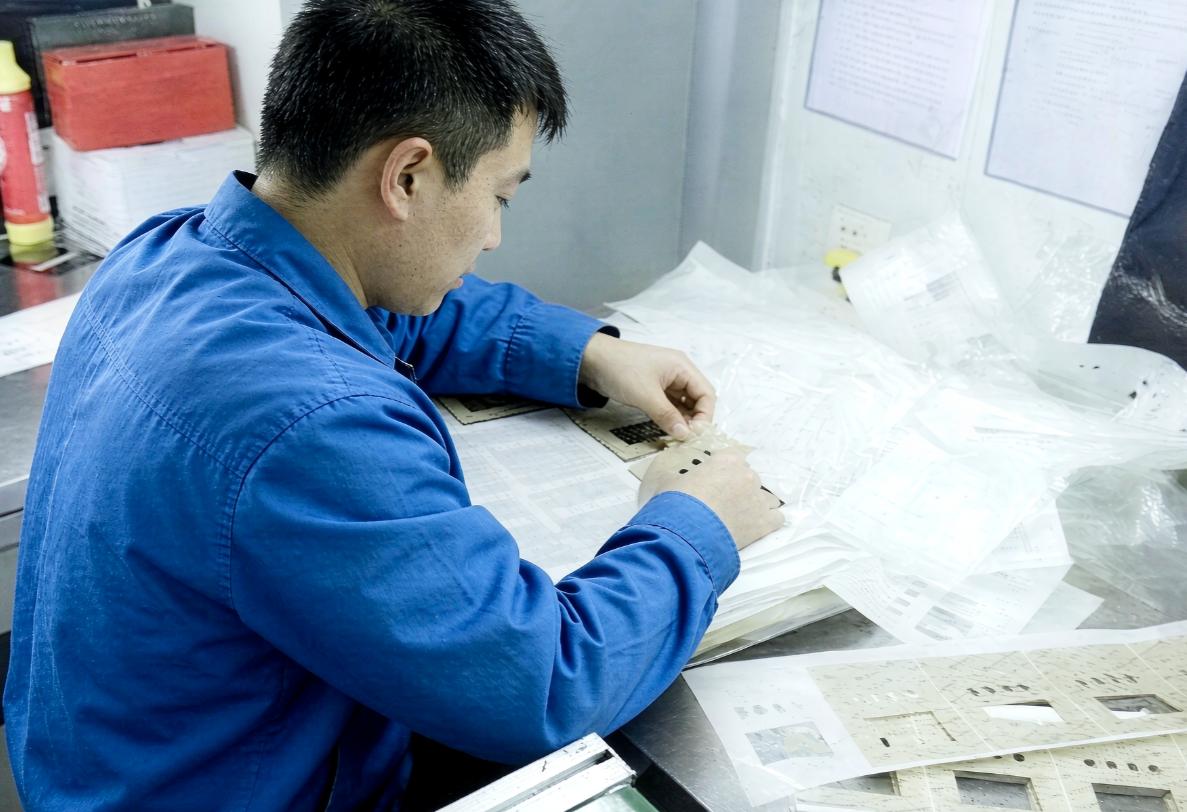
Adhesive Bonding & OCA Lamination for Cover Glass
We provide adhesive bonding and OCA lamination solutions for custom cover glass used in touchscreens, displays, electronic devices, industrial equipment, automotive interfaces, and other applications requiring reliable glass-to-display or glass-to-component bonding.
OCA, or Optical Clear Adhesive, is commonly used for optical bonding applications where high transparency and a clean optical appearance are required.
Our bonding and lamination capabilities can be integrated with custom cover glass manufacturing, including cutting, CNC machining, strengthening, surface coating, and silk screen printing.
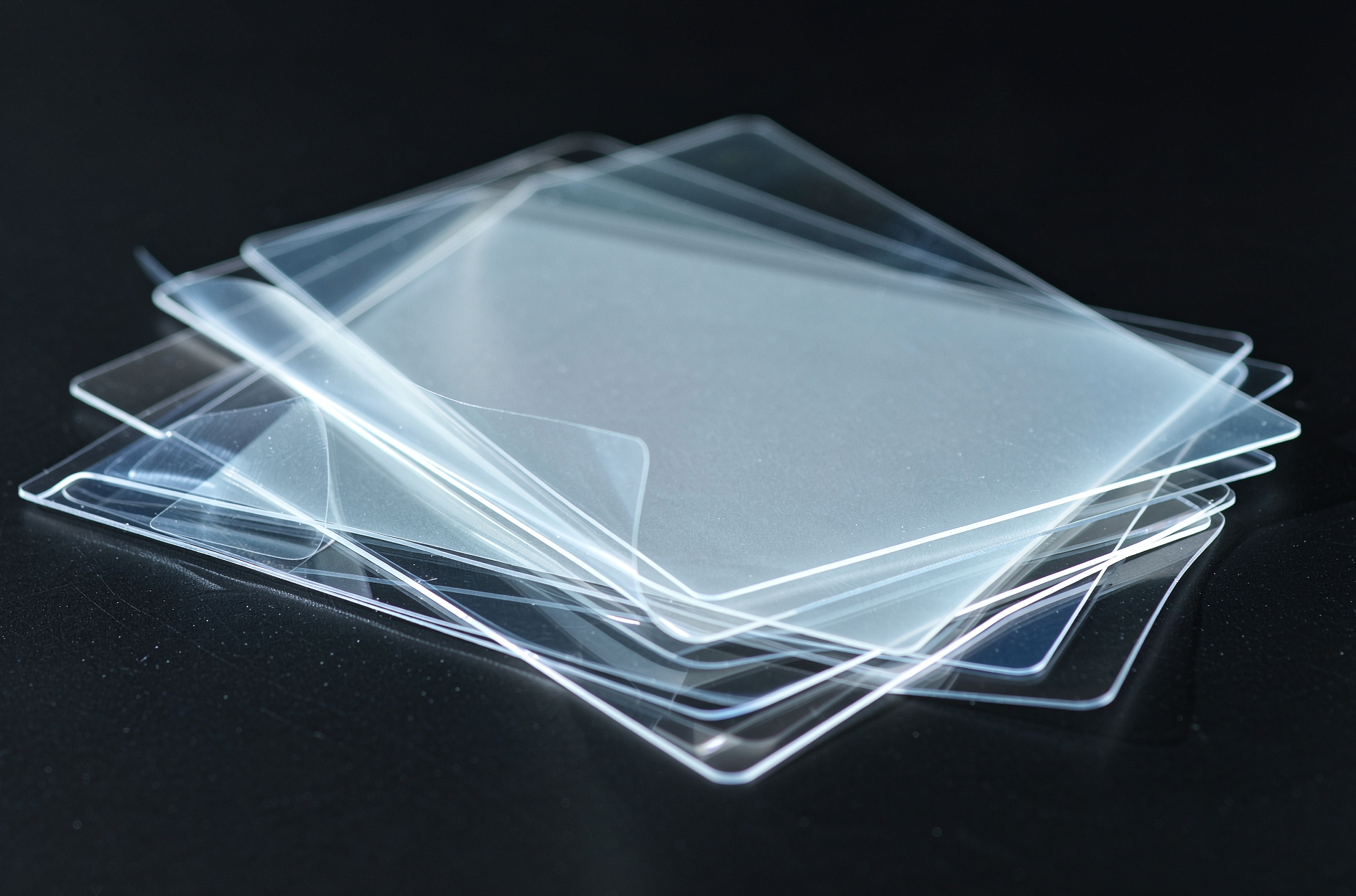
OCA Lamination for Display Cover Glass
OCA lamination uses an optically clear adhesive layer to bond cover glass to a display or touchscreen component.
Compared with an air-gap structure, optical lamination can help reduce internal reflections and improve the visual integration between the cover glass and display.
OCA lamination can be considered for:
- Touchscreen displays
- LCD displays
- TFT displays
- Industrial control panels
- Automotive displays
- Medical displays
- POS terminals
- Consumer electronics
- Smart devices
- Other electronic display assemblies
The appropriate adhesive and lamination process depend on the glass, display structure, component design, and application requirements.
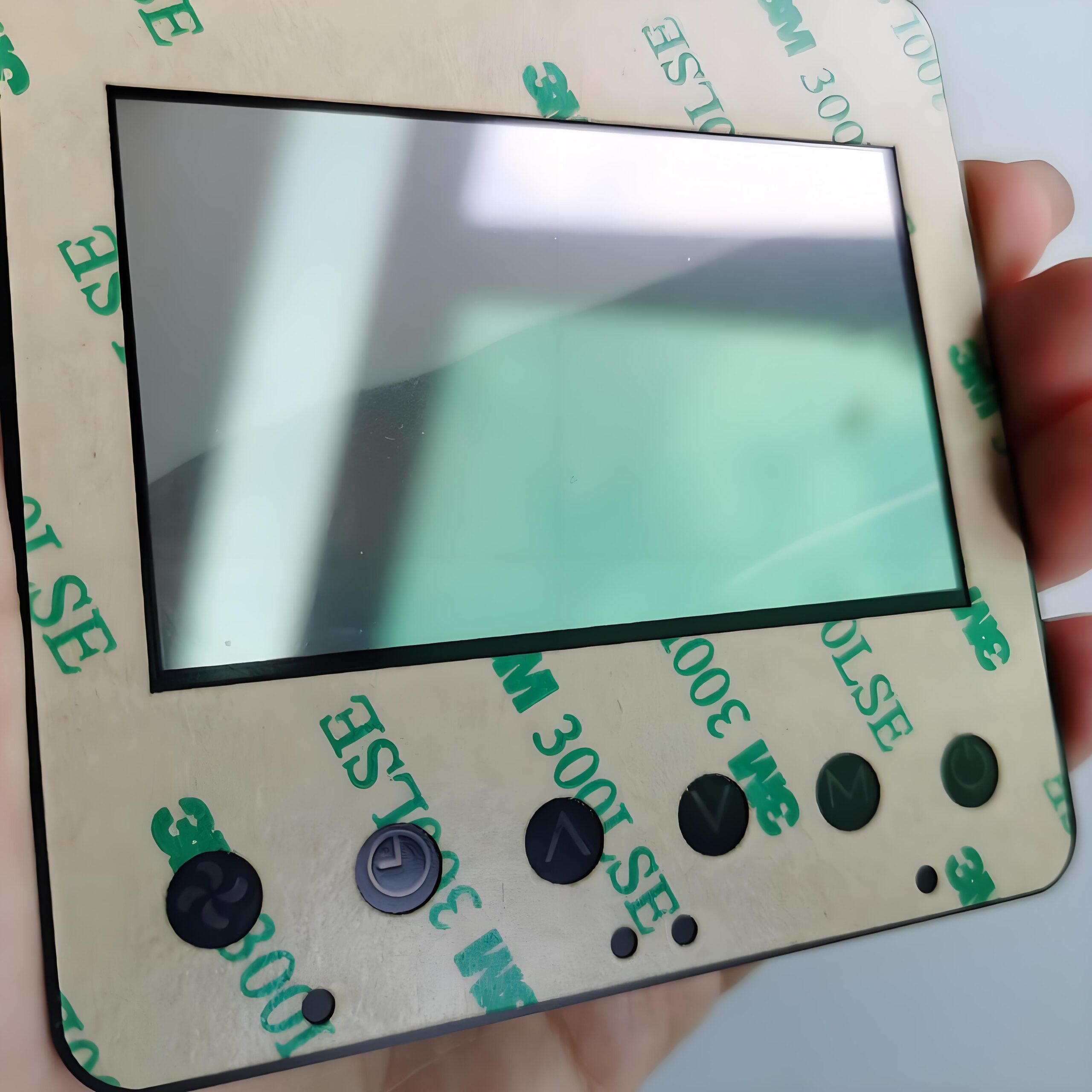
Adhesive Bonding for Custom Cover Glass
Adhesive bonding can be used to integrate cover glass with different display or electronic components.
Depending on the product structure, bonding may involve:
- Cover glass to display
- Cover glass to touchscreen
- Glass to sensor components
- Glass to optical components
- Glass to electronic assemblies
- Glass to other customized substrates
The bonding method is selected according to the product design, materials, dimensions, optical requirements, and expected operating environment.
What Is OCA?
OCA stands for Optical Clear Adhesive.
It is a transparent adhesive material designed for optical bonding applications where maintaining high light transmission and minimizing visible bonding defects are important.
OCA can be supplied in customized shapes and dimensions to match the bonding area of the display or cover glass.
Important considerations may include:
- Optical clarity
- Adhesive thickness
- Bonding area
- Glass dimensions
- Display structure
- Surface condition
- Environmental requirements
- Application temperature
The appropriate OCA specification should be evaluated according to the final product design.
OCA Lamination Process
A typical OCA lamination process may include:
- Cover glass preparation
- Surface cleaning
- OCA material preparation
- Alignment
- Lamination
- Bubble removal
- Inspection
- Final quality control
The actual process sequence can vary depending on the glass design, display structure, OCA material, and production requirements.
Proper surface preparation and controlled handling are important for achieving consistent bonding quality.
Surface Preparation Before Lamination
Glass cleanliness is especially important before adhesive bonding.
Contaminants such as dust, particles, oil, fingerprints, or processing residue may affect bonding quality and final optical appearance.
Before lamination, cover glass may undergo processes such as:
- Ultrasonic cleaning
- Surface inspection
- Protective film removal
- Edge inspection
- Dimensional inspection
Our Ultrasonic Cleaning capability can be integrated into the cover glass manufacturing process when required.
OCA Lamination for Custom Shapes
OCA lamination can be customized for different cover glass geometries and display structures.
Supported designs may include:
- Rectangular displays
- Rounded corners
- Irregular shapes
- Camera openings
- Sensor openings
- Custom display windows
- Internal cutouts
- Customized bonding areas
The OCA shape and bonding area can be designed according to the approved glass and display drawings.
Optical Requirements
For display applications, optical performance is an important consideration when selecting an adhesive and lamination structure.
Depending on the application, requirements may include:
- High optical clarity
- Low visible distortion
- Consistent adhesive thickness
- Reduced internal reflection
- Bubble-free appearance
- Clean bonding interface
- Stable optical performance
The appropriate OCA material and lamination process depend on the display structure and required optical performance.

Combining OCA Lamination with Cover Glass Processing
OCA lamination can be integrated with other cover glass manufacturing processes.
A complete custom cover glass project may include:
- Glass cutting
- CNC machining
- Edge polishing
- Chemical strengthening or thermal tempering
- Ultrasonic cleaning
- AR, AG, or AF coating
- Silk screen printing
- OCA lamination
- Optical bonding
- Final inspection
The actual manufacturing sequence depends on the glass material, coating requirements, display structure, and final application.
Custom Cover Glass Lamination
We support custom lamination projects based on customer drawings, samples, and technical specifications.
Customers can provide:
- CAD drawings
- Display specifications
- Cover glass drawings
- OCA dimensions
- Adhesive requirements
- Product samples
- Application information
- Production quantity
Our engineering team can review the glass and bonding structure before production.

Applications
OCA lamination and adhesive bonding can be used for:
- Touchscreen displays
- LCD and TFT displays
- Industrial HMI panels
- Automotive displays
- Medical devices
- POS terminals
- Smart home devices
- Consumer electronics
- Instrument panels
- Electronic control systems
Each project can be customized according to the display structure, cover glass design, adhesive requirements, and application environment.
Frequently Asked Questions
What is OCA lamination?
OCA lamination is an optical bonding process that uses Optical Clear Adhesive to bond cover glass to a display or other optical component.
What is the difference between OCA lamination and adhesive bonding?
OCA lamination generally refers to bonding applications using optically clear adhesive, particularly for display and touchscreen assemblies. Adhesive bonding is a broader term that can include different adhesive materials and bonding structures.
Can OCA be used for touchscreen cover glass?
Yes. OCA is commonly used in touchscreen and display bonding applications where optical clarity and reliable adhesion are required.
Can custom-shaped cover glass be laminated with OCA?
Yes. OCA can be customized to match the shape and bonding area of the cover glass and display assembly.
Does the cover glass need to be cleaned before OCA lamination?
Yes. Surface cleanliness is important for bonding quality and optical appearance. Cleaning and inspection are normally performed before lamination.
Can printed cover glass be used with OCA lamination?
Yes. Silk screen printed cover glass can be combined with OCA lamination when the printing design, adhesive, and manufacturing sequence are compatible.
Can AR, AG, and AF coatings be combined with OCA lamination?
Depending on the coating system and bonding structure, coated cover glass can be laminated with OCA. Compatibility and process sequence should be evaluated for each project.
Request a Custom OCA Lamination Quote
Looking for custom OCA laminated cover glass?
Send us your cover glass drawing, display specifications, glass type, thickness, OCA requirements, dimensions, quantity, and application information.
Our team can review your requirements and provide a suitable adhesive bonding and OCA lamination solution.
Request a Quote for Custom OCA Laminated Cover Glass