 +86-13925515590
 kleinma@aliyun.com

Chemical Strengthening & Thermal Tempering for Cover Glass
We provide chemical strengthening and thermal tempering solutions for custom cover glass used in displays, touchscreens, electronic devices, automotive interfaces, industrial equipment, and other applications requiring improved mechanical strength and durability.
Depending on the glass type, thickness, product design, and application requirements, chemical strengthening or thermal tempering can be selected to improve the performance of cover glass.
Our engineering team can evaluate the glass specifications and recommend a suitable strengthening process based on the requirements of each project.
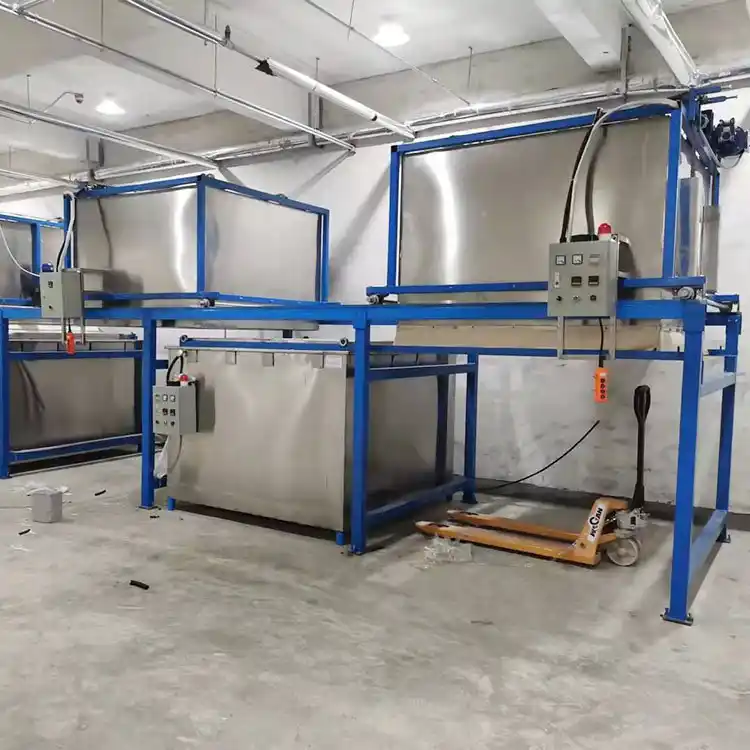
Chemical Strengthening for Cover Glass
Chemical strengthening is commonly used for thin glass applications where improved surface strength and resistance to damage are required.
The process modifies the glass surface through ion exchange, creating a compressive stress layer that can improve the mechanical performance of the glass.
Chemical strengthening is particularly suitable for thin cover glass and applications where maintaining a relatively thin glass profile is important.
Typical applications include:
- Display cover glass
- Touchscreen cover glass
- Smartphone and handheld electronics
- Industrial displays
- Automotive displays
- Medical equipment
- Consumer electronics
- Other thin glass applications
Chemically strengthened cover glass can also be combined with additional processes such as CNC machining, edge polishing, printing, and surface coatings.
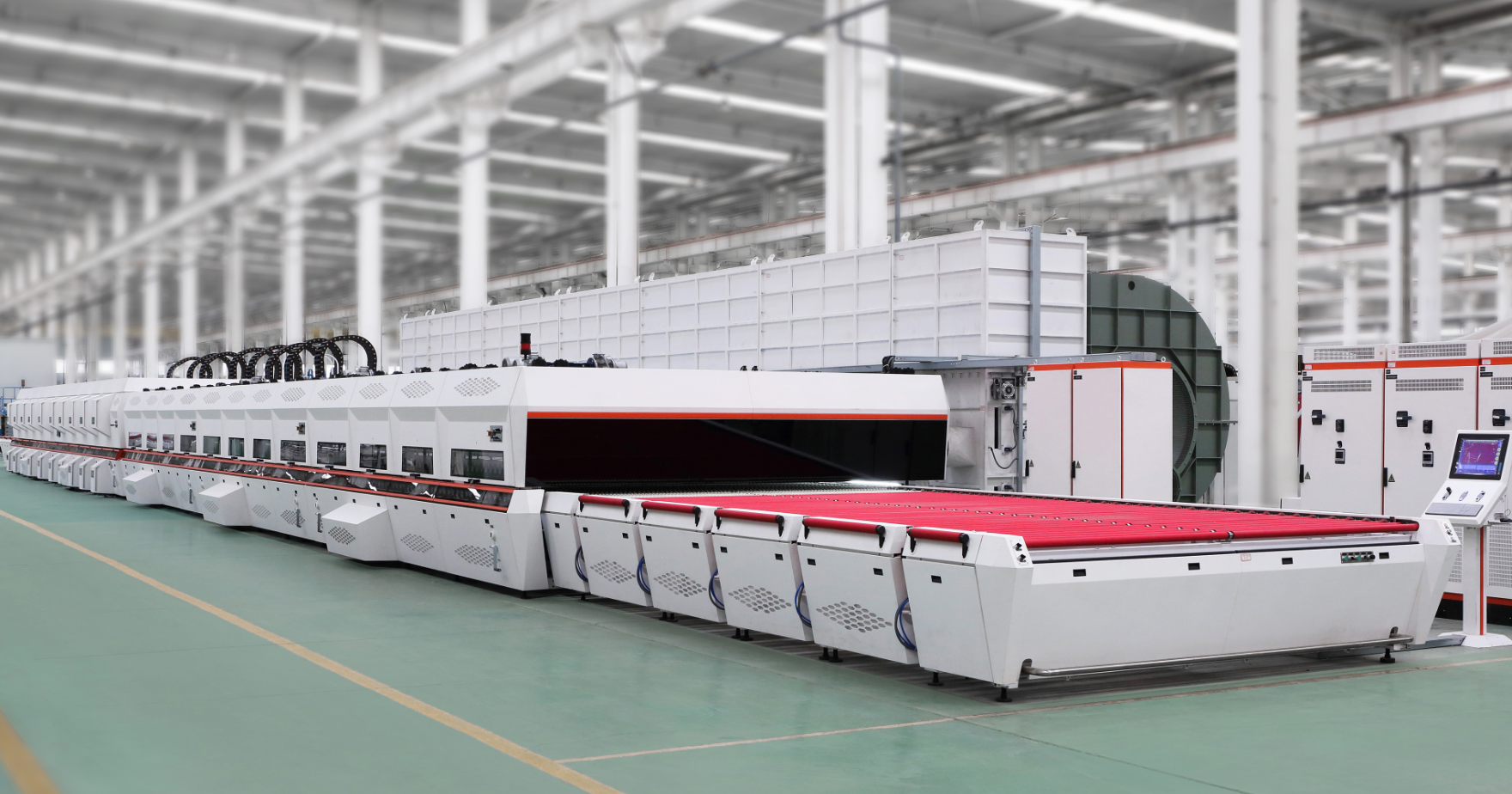
Thermal Tempering for Cover Glass
Thermal tempering strengthens glass through controlled heating and rapid cooling.
The process creates a different stress distribution within the glass, improving its resistance to mechanical and thermal stresses compared with untreated glass.
Thermal tempered glass can be suitable for applications where increased mechanical strength and durability are important.
Typical applications include:
- Industrial control panels
- Display protection
- Touchscreen equipment
- Electronic devices
- Automotive applications
- Equipment panels
- Architectural and specialty glass applications
The appropriate tempering process depends on the glass type, thickness, dimensions, and final application.
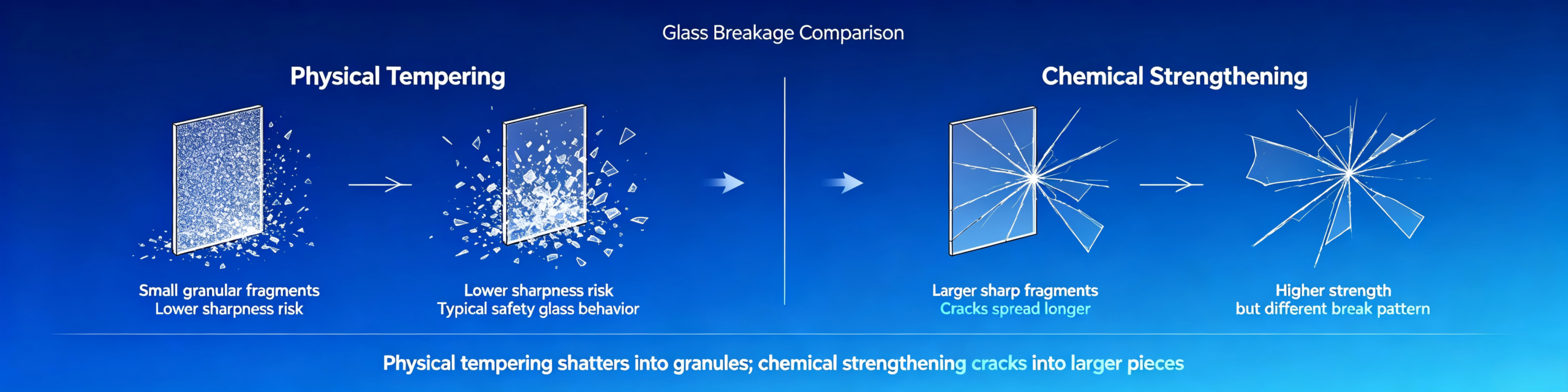
Chemical Strengthening vs. Thermal Tempering
Chemical strengthening and thermal tempering are two different approaches to improving the strength of glass.
Chemical strengthening is often considered for thinner glass where maintaining a thin profile is important, while thermal tempering is commonly used when the glass thickness and product design are suitable for thermal treatment.
The appropriate solution depends on factors such as:
Glass thickness
Glass composition
Required mechanical performance
Product dimensions
Shape and geometry
Edge condition
Thermal requirements
Application environment
Final product design
For this reason, the strengthening process should be selected based on the complete product specification rather than glass thickness alone.
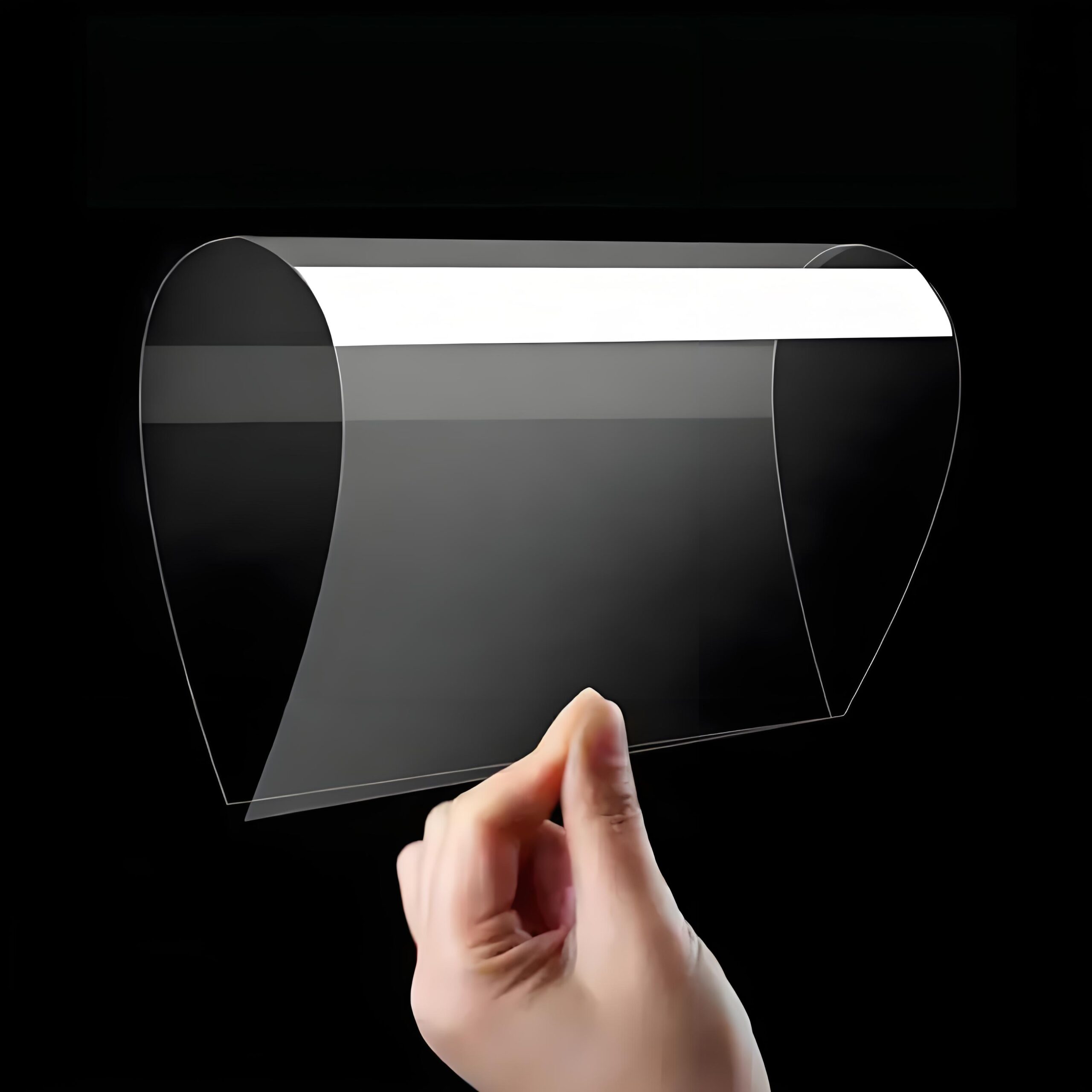
Strengthening for Thin Cover Glass
Thin cover glass presents different manufacturing requirements from thicker glass.
For thin display cover glass, chemical strengthening may be considered when the application requires improved mechanical performance while maintaining a thin and lightweight design.
This can be particularly relevant for:
- Thin display cover glass
- Touchscreen cover glass
- Portable electronic devices
- Foldable and flexible display components
- Compact electronic products
The actual strengthening method depends on the glass material, thickness, geometry, and required performance.
Custom Cover Glass Strengthening
We can integrate strengthening with other custom cover glass manufacturing processes.
A typical project may include:
- Glass cutting
- CNC machining
- Hole and slot processing
- Edge polishing
- Chemical strengthening or thermal tempering
- Surface coating
- Printing
- Adhesive lamination
- Optical bonding
The exact manufacturing sequence depends on the glass type, design, and required final specifications.
Customers can provide CAD drawings, technical drawings, samples, or product specifications for engineering review.
Glass Types for Strengthening
Strengthening solutions can be evaluated for different glass materials according to the project requirements, including:
- Aluminosilicate glass
- Soda-lime glass
- Ultra-thin glass
- Specialty display glass
- Other suitable glass substrates
Not every glass composition or thickness is suitable for every strengthening process. Material compatibility should therefore be confirmed before production.
Applications
Our strengthened and tempered cover glass solutions can be used for:
- LCD displays
- TFT displays
- Touchscreens
- Industrial control panels
- Medical displays
- Automotive displays
- POS terminals
- Smart home devices
- Consumer electronics
- Handheld electronic devices
- Instrument panels
The final glass configuration can be customized according to the product design and application requirements.
Additional Cover Glass Processing
Strengthening and tempering can be combined with other cover glass manufacturing capabilities to create a complete customized solution.
Additional processes may include:
- Precision cutting
- CNC machining
- Edge polishing
- Drilling
- AG coating
- AR coating
- AF coating
- Silk-screen printing
- Adhesive lamination
- Optical bonding
This allows customers to source multiple manufacturing processes from a single cover glass supplier.
Engineering Review for Custom Projects
For custom cover glass projects, strengthening requirements should be considered together with the complete glass design.
Before production, we can review:
- Glass material
- Glass thickness
- Overall dimensions
- Shape and geometry
- Holes and cutouts
- Edge requirements
- Surface treatment
- Required strengthening process
- Application requirements
- Production quantity
This engineering review helps determine whether chemical strengthening or thermal tempering is appropriate for the specific application.
Frequently Asked Questions
What is the difference between chemical strengthening and thermal tempering?
Chemical strengthening uses an ion-exchange process to create a compressive stress layer near the glass surface. Thermal tempering uses controlled heating and rapid cooling to change the stress state of the glass.
Is chemically strengthened glass suitable for thin cover glass?
Chemical strengthening can be considered for thin cover glass applications where improved mechanical performance is required while maintaining a thin glass profile. Suitability depends on the glass composition, thickness, geometry, and application.
Can cover glass be both CNC machined and chemically strengthened?
Yes, depending on the manufacturing sequence and glass specifications. CNC machining, edge processing, and strengthening should be evaluated together during project development.
Can tempered glass be used for display cover glass?
Thermally tempered glass can be used for certain display and electronic applications, depending on the glass thickness, dimensions, design, and performance requirements.
Which strengthening process should I choose?
The appropriate process depends on the glass material, thickness, product geometry, required mechanical performance, and application requirements. We recommend evaluating these factors together before selecting the strengthening method.
Request a Custom Cover Glass Quote
Looking for chemically strengthened or thermally tempered cover glass?
Send us your drawing, glass type, thickness, dimensions, quantity, and application requirements. Our engineering team can review your specifications and recommend a suitable strengthening solution.
Request a Quote for Custom Strengthened Cover Glass