 +86-13925515590
 kleinma@aliyun.com
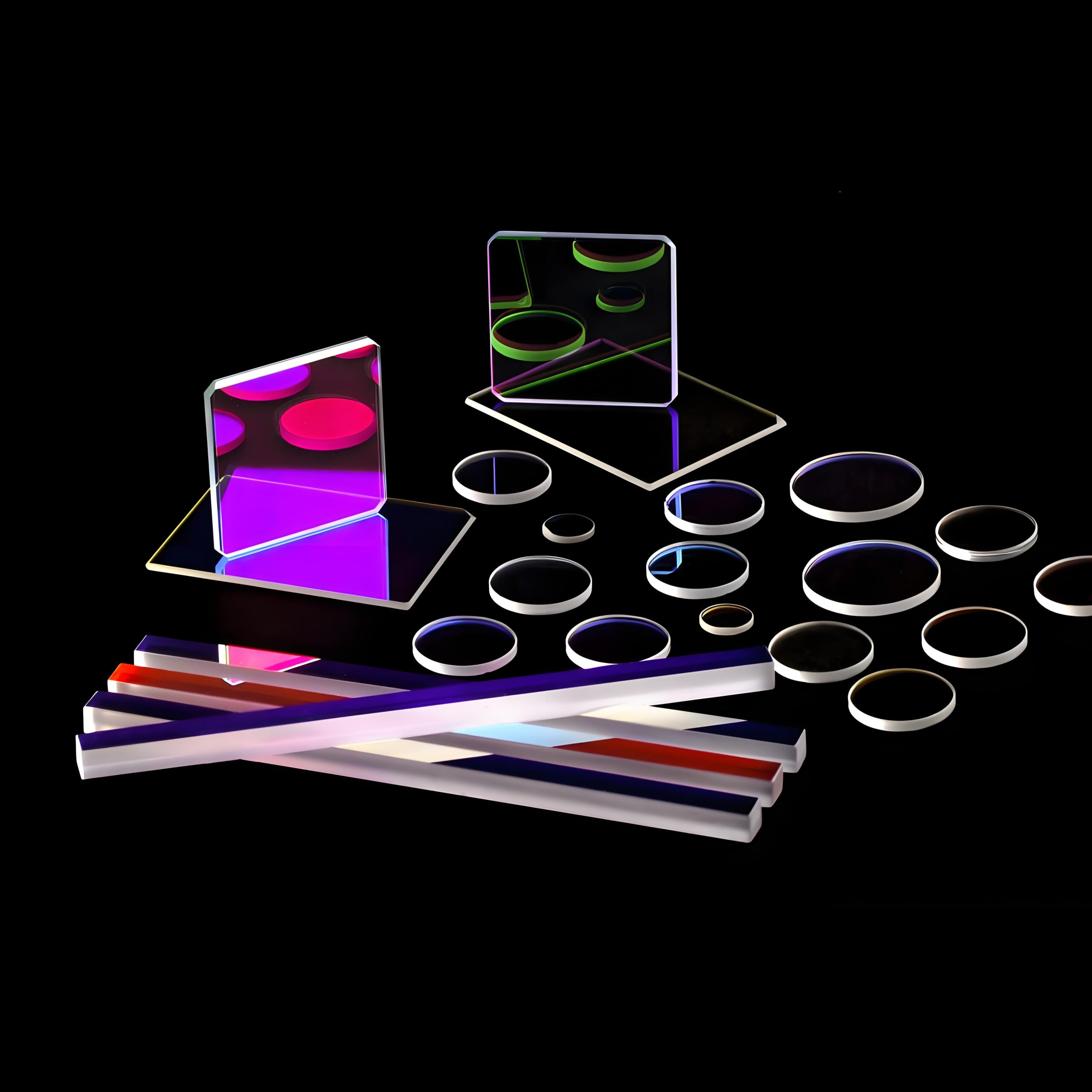
AR Coated Glass
We manufacture custom AR Coated Glass for electronic displays, touchscreens, optical devices, automotive interfaces, industrial equipment and other applications where reduced surface reflection and improved display visibility are required.
Our AR coated glass combines a custom glass substrate with anti-reflective surface treatment. Glass dimensions, thickness, shape, edge processing, CNC holes and cutouts, printing and strengthening can be customized according to customer drawings and application requirements.
Depending on the project, AR coating can be applied to one or both sides of the glass. Customers can specify optical requirements, glass material, coating configuration and expected application conditions for technical evaluation before production.
Custom AR Coated Glass for Electronic Displays
Anti-reflective (AR) coated glass is designed to reduce surface reflections and improve display visibility under specified viewing and lighting conditions. It is used in electronic displays, touchscreen interfaces, optical windows and other equipment where reflected light can affect readability or visual performance.
Weiman provides custom cover glass manufacturing options for OEM projects requiring AR coatings combined with defined glass dimensions, thicknesses, edge profiles, mounting features and surface finishes. Depending on the application, glass machining, silk-screen printing and glass strengthening can be coordinated with the coating requirements.
The appropriate AR coating should be selected according to the required wavelength range, reflectance target, viewing conditions and glass substrate. For projects involving touchscreens or display assemblies, the coating specification should also be evaluated alongside the optical stack and intended installation method.
For background on anti-reflective coating principles and wavelength-dependent optical performance, refer to Edmund Optics' technical guide to anti-reflection coatings.
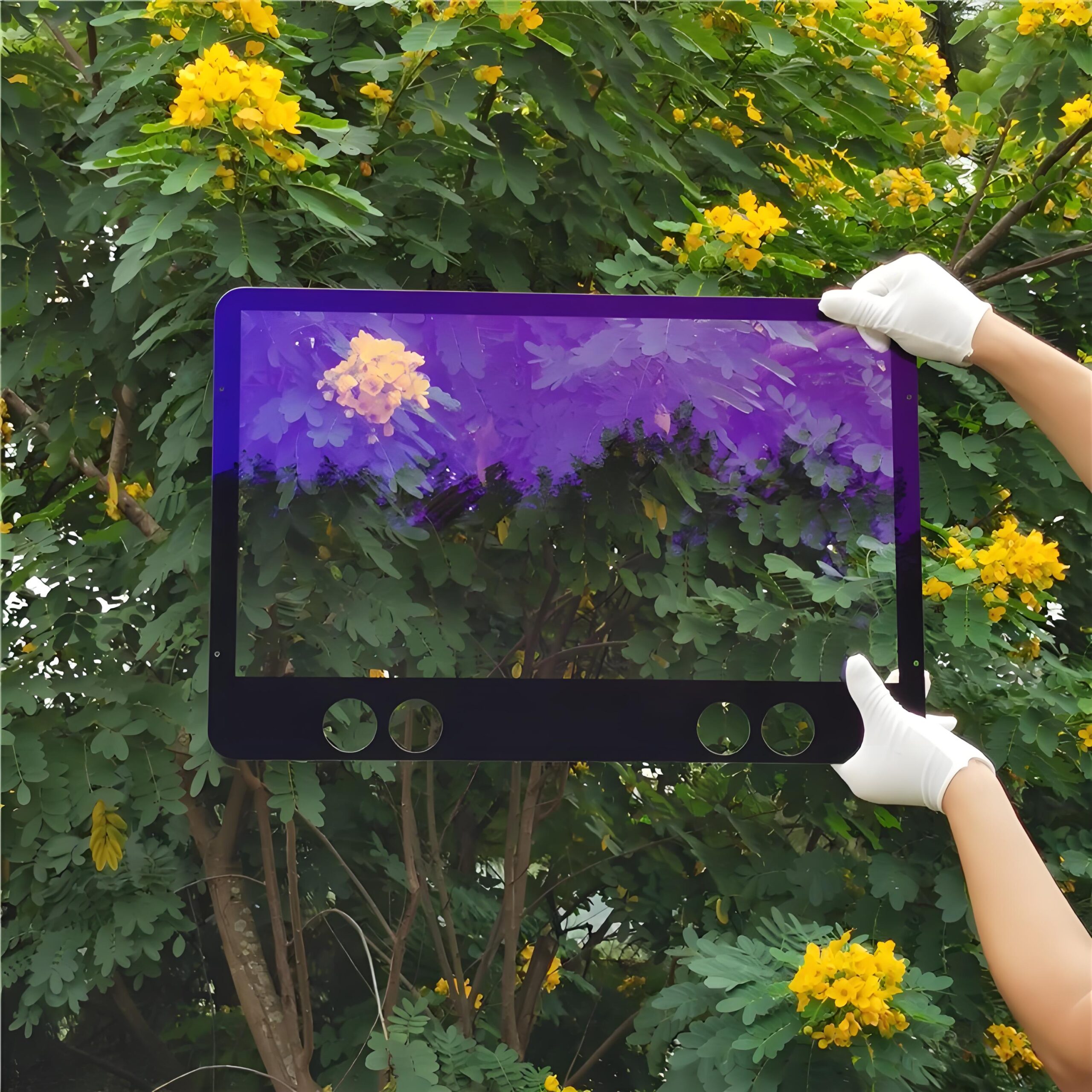
What Is AR Coated Glass?
AR Coated Glass, or Anti-Reflective Coated Glass, is glass with a surface coating designed to reduce reflected light at the glass-air interface.
For display and optical applications, reducing surface reflection can help improve the visibility of information under different lighting conditions. AR coating can be combined with customized glass processing to meet the structural and optical requirements of the final product.
The suitable coating structure depends on the glass substrate, optical target, viewing conditions and application requirements.
Custom AR Coated Glass Manufacturing
Our AR coated glass can be manufactured according to customer drawings and technical specifications. The glass substrate can be processed before coating to meet the required dimensions, shape and mechanical structure.
Available processing options may include:
Precision glass cutting
Edge finishing
Holes and cutouts
Chemical strengthening
Thermal tempering
Silk screen printing
Ultrasonic cleaning
AR surface coating
The final manufacturing process is determined according to the glass material, design, coating requirements and application.

Single-Sided and Double-Sided AR Coating
AR coating can be considered for either one side or both sides of the glass depending on the optical structure of the product.
Single-sided AR coating may be suitable when reflection from one surface is the primary concern.
Double-sided AR coating can be considered when reflection from both glass surfaces needs to be controlled.
The appropriate configuration depends on the display structure, optical requirements, installation position and viewing environment. Our engineering team can review these requirements before production.
|
Combination |
Typical Purpose |
|---|---|
|
AR + Chemical Strengthening |
Optical performance + mechanical durability |
|
AR + AG |
Reflection reduction + glare control |
|
AR + AF |
Reflection reduction + fingerprint resistance |
|
AR + Silk Screen Printing |
Optical treatment + custom graphics |
|
AR + CNC Machining |
Optical treatment + custom mechanical structure |
AR Glass Specifications for OEM Projects
When requesting a quotation for AR coated glass, buyers should provide as much of the following information as possible:
Glass dimensions and thickness: Overall size, substrate thickness and dimensional tolerances.
Optical requirements: Target reflectance, transmittance, operating wavelength range and measurement conditions, where applicable.
Coating surfaces: Specify whether AR coating is required on one or both sides.
Glass processing: Edge finishing, CNC-cut openings, mounting holes and other drawing-defined features.
Additional treatments: Silk-screen printing, chemical strengthening or other surface treatments, subject to process compatibility.
Project quantity: Prototype samples, initial production quantity and estimated repeat orders.
Please send your drawings, required optical specifications and estimated quantity for a project review and quotation.
Quality Inspection for AR Coated Glass
AR coated glass can be inspected according to the agreed glass, coating and application requirements.
Inspection criteria may include glass dimensions and thickness, surface appearance, coating uniformity, optical requirements, printed areas and other project-specific specifications.
For OEM projects, inspection requirements can be established from customer drawings and technical specifications before production. This helps maintain consistent glass and coating quality throughout prototype and production orders.
For more information, see our Quality Inspection process.
Request a Quote for AR Coated Glass
Looking for custom AR coated glass for a display, touchscreen or optical application?
Send us your glass drawing and coating requirements for a technical review.
Please provide:
Glass material and thickness
Overall dimensions and glass shape
Single-sided or double-sided AR requirement
Optical or reflection requirements, if specified
CNC holes, slots or cutouts
Edge processing requirements
Chemical strengthening or thermal tempering
Silk screen printing or functional graphics
AG or AF coating requirements
Prototype quantity and estimated production volume
Our engineering team can review the glass structure and coating requirements and confirm a suitable processing route before quotation.
Send Your Drawing & Optical Requirements for an OEM Quote
FAQ
What is AR Coated Glass?
AR Coated Glass is glass treated with an anti-reflective coating designed to reduce surface reflection and improve visibility in display and optical applications.
Can you manufacture custom AR coated glass according to drawings?
Yes. Glass dimensions, thickness, shape, CNC features, edge processing, printing and other requirements can be customized according to customer drawings.
Can AR coating be applied to both sides?
Yes. Single-sided and double-sided AR coating configurations can be evaluated according to the optical structure and application requirements.
Can AR coated glass be chemically strengthened?
Yes. Chemical strengthening can be considered depending on the selected glass material, thickness and overall manufacturing process.
Can AR coated glass include AG or AF treatment?
AR can be combined with other surface treatments such as AG or AF when the coating structure and application requirements are compatible. The final combination should be confirmed during technical evaluation.
What information is needed for an AR coated glass quotation?
A glass drawing, material, thickness, dimensions, coating requirements, printing requirements and estimated quantity are useful for quotation and engineering review.
What is the difference between AR coated glass and AG glass?
AR coated glass uses an anti-reflective coating to reduce surface reflection through optical thin-film design. AG glass uses a surface treatment or texture to diffuse reflected light and reduce the appearance of glare. The two approaches work differently, and the appropriate choice depends on the display design, lighting conditions and optical requirements.
Can AR coating be combined with custom glass processing?
AR coating may be combined with custom dimensions, CNC machining, edge finishing, printing and strengthening, depending on the substrate, process sequence and coating compatibility. Confirm the required specifications before production.