 +86-13925515590
 kleinma@aliyun.com

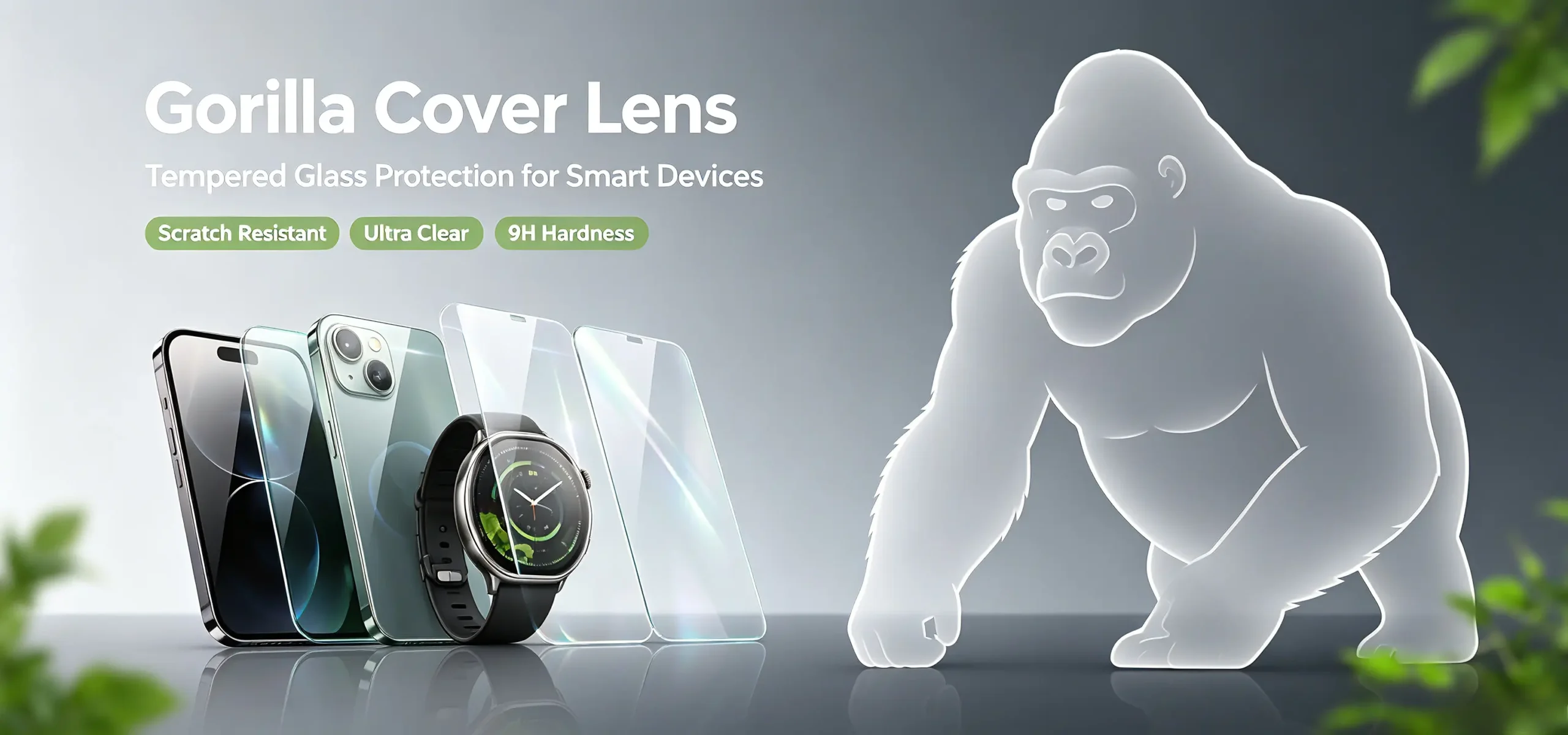
Gorilla Glass for High-Performance Cover Glass
Gorilla Glass is a high-performance chemically strengthened glass widely used for electronic displays, touchscreens, and other applications requiring thin, durable, and scratch-resistant cover glass.
WM Cover Glass provides customized Gorilla Glass solutions for consumer electronics, automotive displays, industrial control panels, and smart devices, with precision cutting, CNC machining, printing, strengthening, and surface coating capabilities.
Understanding Gorilla Glass
Gorilla Glass is a family of thin, chemically strengthened glass products developed for demanding electronic and display applications.
Its combination of thinness, optical clarity, and durability makes it suitable for products where conventional glass may not provide the required balance of performance and design.
Why Choose Gorilla Glass for Cover Glass?
|
Advantage |
Description |
|---|---|
|
High Durability |
Designed for demanding cover glass applications |
|
Thin Profile |
Suitable for slim electronic devices |
|
Scratch Resistance |
Improved resistance to everyday surface wear |
|
Optical Clarity |
Excellent transparency for displays |
|
Lightweight |
Helps reduce overall product thickness and weight |
|
Premium Appearance |
Suitable for high-end electronic products |

Gorilla Glass Applications
Gorilla Glass is widely used for smartphones, tablets, portable electronics, smart devices, and touchscreen products requiring durable and thin cover glass.
Gorilla Glass can be used for automotive infotainment screens, digital instrument clusters, center displays, and smart cockpit interfaces.
For industrial touch interfaces, Gorilla Glass provides a thin and durable surface for equipment displays and control panels.
Smart Devices

Gorilla Glass Processing
Precision CNC processing can provide customized dimensions, holes, cutouts, and edge finishing according to customer drawings.
Gorilla Glass is chemically strengthened to improve surface durability and mechanical performance.
Custom black borders, logos, icons, and decorative patterns can be applied to Gorilla Glass cover panels.
AR, AG, and AF surface treatments can improve display visibility, reduce glare, and provide anti-fingerprint performance.
Gorilla Glass Specifications
|
Item |
Specification |
|---|---|
|
Material |
Gorilla Glass |
|
Thickness |
Customized |
|
Sizes |
Customized |
|
Shape |
Flat/Custom shape |
|
Processing |
Cutting / CNC / Edge Processing |
|
Strengthening |
Chemical Strengthening |
|
Printing |
Silk Screen Printing |
|
Coatings |
AR / AG / AF |
|
Application |
Displays / Touchscreens / Electronics |
How to Select Gorilla Glass Thickness
Selecting the right Gorilla Glass thickness depends on the display structure, product dimensions, mechanical requirements, and installation method. Thin glass is often preferred for compact electronic devices where weight and overall thickness are important. Thicker glass may be considered for larger display panels or applications requiring additional structural support.
However, thickness alone does not determine the final performance of a cover glass. Panel dimensions, edge design, mounting conditions, chemical strengthening, and the supporting housing all influence the finished product.
For OEM projects, we recommend evaluating the glass thickness together with the actual device structure rather than selecting a material based on thickness alone.
Gorilla Glass Customization Considerations
Gorilla Glass can be processed into customized cover glass components for different electronic products. Depending on the material grade and project requirements, OEM processing may include:
Precision Cutting: Producing customized rectangular, square, and irregular glass shapes.
CNC Machining: Creating specific contours, holes, notches, and mounting features.
Edge Finishing: Providing ground, polished, or beveled edges according to drawings.
Silk Screen Printing: Applying black borders, logos, icons, and functional markings.
Surface Coatings: Evaluating AR, AG, and AF treatments for specific display requirements.
Processing sequences must be carefully evaluated, especially for holes, cutouts, and edge machining. These operations can affect the strengthening layer and mechanical performance of chemically strengthened glass. The material condition and required processing sequence should therefore be confirmed before production.
Gorilla Glass for Different Display Requirements
Different electronic products have different cover glass requirements.
For smartphones and portable electronics, optical clarity, thin profiles, and scratch resistance are important considerations. Tablet displays and industrial touchscreens may require larger custom dimensions, precise edge profiles, and consistent flatness.
Automotive displays often involve additional requirements, including complex shapes, decorative printing, optical performance, and compatibility with the display assembly.
Industrial control panels may prioritize long-term surface durability, touch operation, and resistance to frequent handling.
Selecting the appropriate Gorilla Glass grade and processing configuration requires consideration of the complete application rather than material selection alone.
What to Include in a Gorilla Glass RFQ
To obtain an accurate quotation for custom Gorilla Glass, buyers should provide as much technical information as possible.
A typical RFQ should include:
Glass material or preferred Gorilla Glass generation
Required thickness and dimensional tolerances
2D drawings or CAD files
Hole positions, cutouts, and edge specifications
Chemical strengthening requirements
Silk-screen printing details and ink colors
AR, AG, or AF coating requirements
Estimated order quantity and annual demand
If the final product has specific optical, mechanical, or environmental requirements, these should also be included in the inquiry.
Providing complete drawings and specifications helps manufacturers evaluate processing feasibility, recommend suitable configurations, and prepare more accurate quotations.
Gorilla Glass vs Other Cover Glass
|
Feature |
Gorilla Glass |
Aluminosilicate Glass |
Soda Lime Glass |
|---|---|---|---|
|
Durability |
High |
High |
Standard |
|
Thin Design |
Excellent |
Excellent |
Moderate |
|
Optical Clarity |
Excellent |
Excellent |
Good |
|
Cost |
Higher |
Higher |
Lower |
|
Typical Applications |
Electronics / Displays |
Advanced Displays |
Industrial / Appliances |
FAQ
What is Gorilla Glass used for?
Is Gorilla Glass chemically strengthened?
Can Gorilla Glass be customized?
Can Gorilla Glass be used for automotive displays?
Can you provide OEM Gorilla Glass?
Need Custom Gorilla Glass?
Tell us your required glass size, thickness, application, and processing requirements. WM Cover Glass can provide customized Gorilla Glass solutions for your project.