Knowledge

AF cover lens Excellent Medical displays 9H anti fingerprint

AF cover lens

AF Cover Lens Introduction


Medical device displays are the core to patient monitoring, clinical diagnosis and surgical operation. However, with high-frequency touch, repeated disinfection and complex indoor lighting often cause screen smudges, blurred images and surface wear. AF (Anti-Fingerprint Coating) cover lens with nano oleophobic coating is specially designed for medical equipments with stain resistance, high optical clarity and easy maintenance. It meets strict hospital hygiene standards, ensures display accuracy and extends the service life of medical equipment, becoming a standard material for modern medical display screens.

Definition and Core Properties of AF Cover Lens


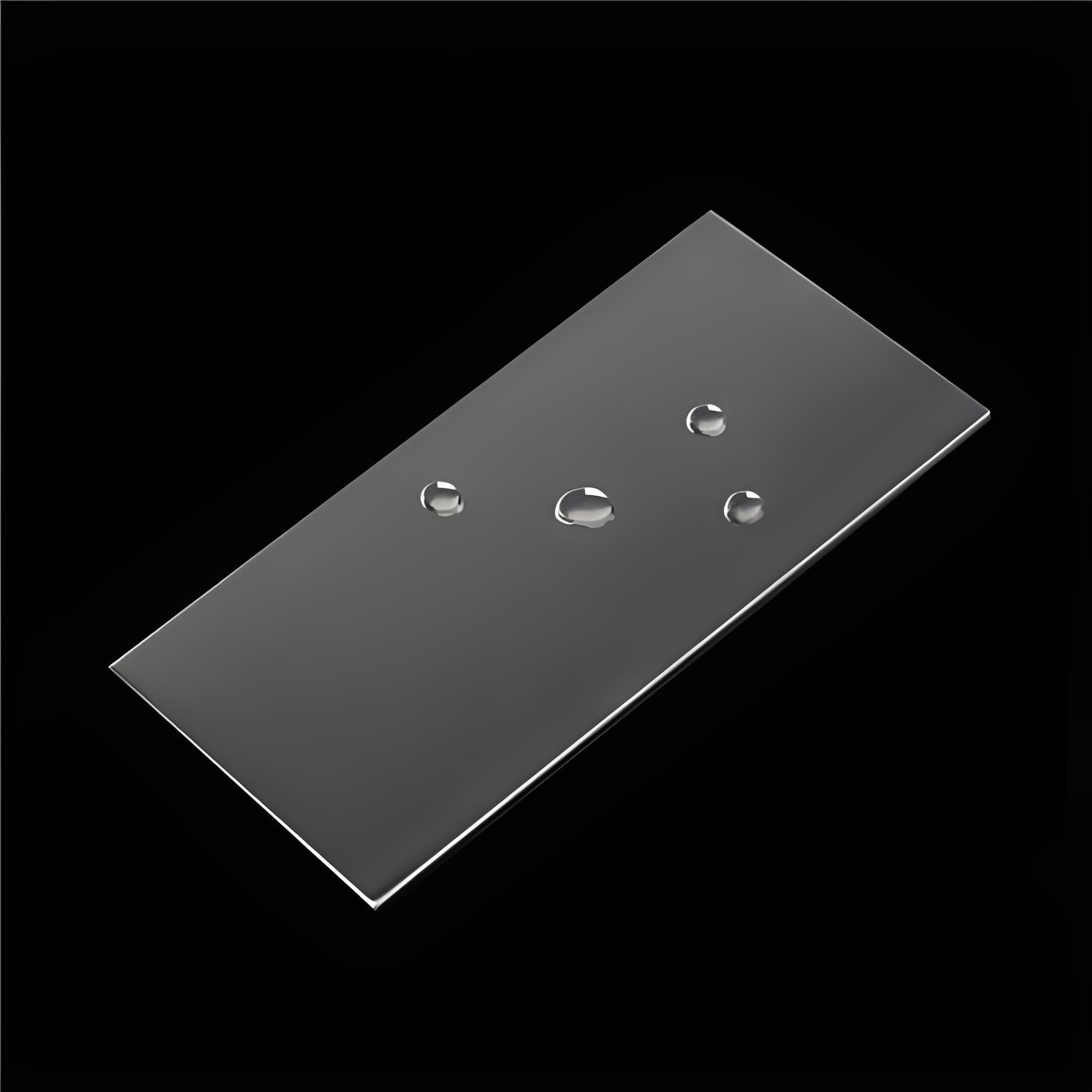
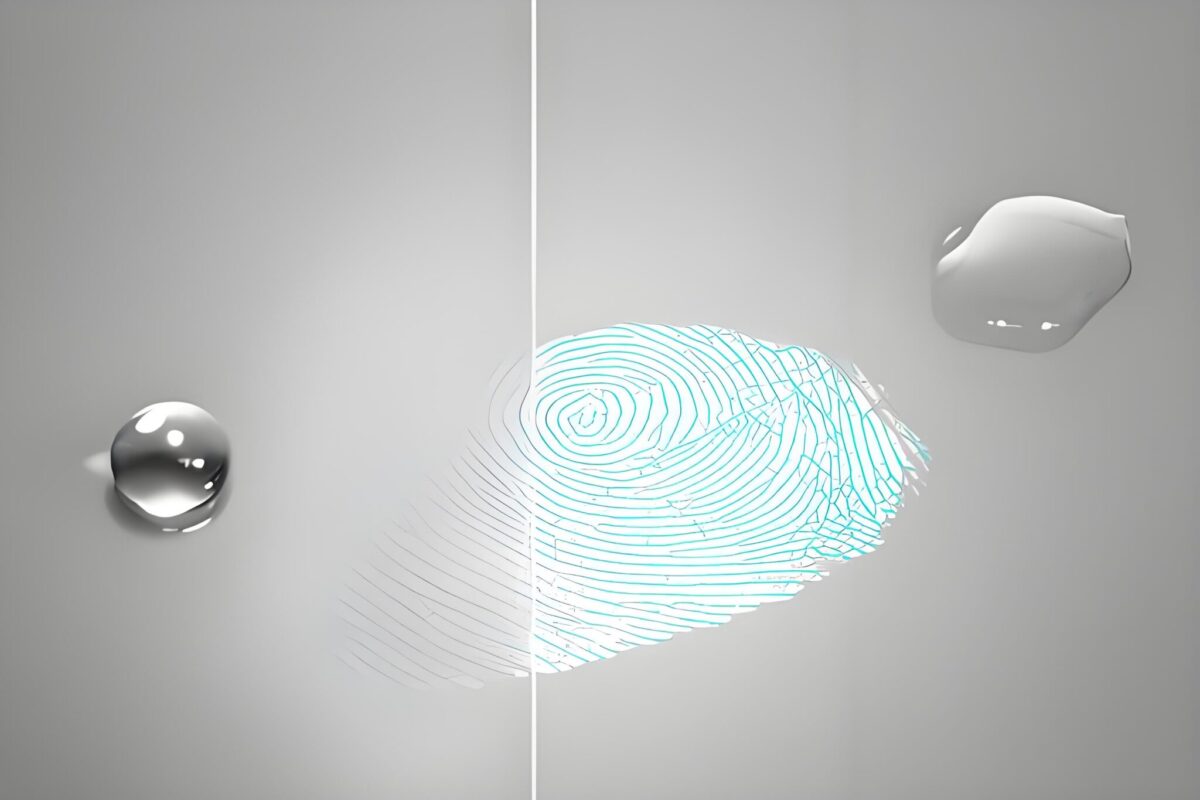
AF cover lens is a high-performance glass substrate coated with nano oil-water repellent film. It fundamentally solves fingerprint, oil stain and water residue problems on the screen surface. With excellent physical and optical stability, it adapts to long-term high-intensity use in medical environments.

AF Cover Lens Core performance characteristics:

Oleophobic: Repels skin oil and fingerprint residues to avoid surface fouling
Hydrophobic: Resists water droplets and disinfectant moisture, no residual marks
Scratch resistance: Withstands frequent wiping and friction without surface damage
High optical clarity: No image distortion, restoring true display color and details

Medical Display AF Cover Lens Core Technology & Hygiene Value


Medical display glass focuses on two core demands: diagnostic visual accuracy and clinical hygiene safety. Different from common uncoated glass, medical-grade glass needs to resist pollution and wear while ensuring ultra-fine image presentation for disease diagnosis.
AF coating is critical for medical equipment: it reduces screen dirt accumulation, lowers cleaning frequency, and avoids screen damage caused by corrosive cleaning agents. In emergency diagnosis and surgery, clean and clear displays ensure clinicians make accurate judgments efficiently, reducing medical risks. Matched with anti-glare and anti-microbial technologies, it can adapt to complex lighting and sterile clinical requirements.

AF Cover Lens Mechanism and Performance Advantages


AF coating adopts nano technology to form a low surface energy layer on the glass surface, realizing efficient oil and water rejection. It’s not only to keep the screen clean for a long time but also optimizes the touch experience and optical performance.
In terms of visual performance, AF cover glass eliminates smudge-induced haze, maintains high brightness and high contrast of the screen in strong light environments, and completely restores color fidelity, which is essential for medical imaging equipment such as CT and MRI monitors.

Comparison of AF, AG and AR Coatings


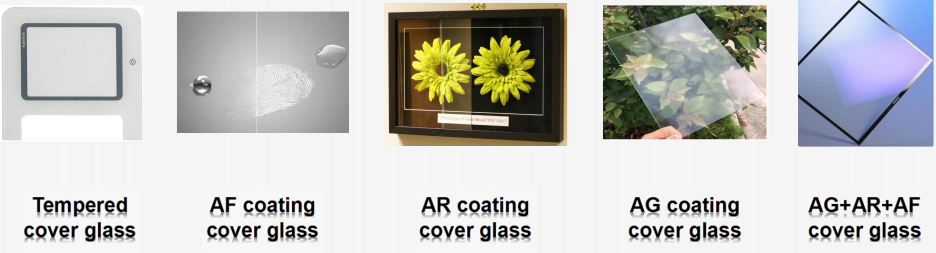
Medical display coatings have different functional positioning. AF focuses on anti-fouling, AG on anti-glare, and AR on anti-reflection, which can be selected or compounded according to equipment needs.
AR AG AF
Parameter
Core Function
Anti-fingerprint & anti-stain
Reduce ambient glare
Minimize surface reflection
Surface Texture
Smooth and glossy
Matte and textured
Smooth and transparent
Image Clarity
Ultra-high, no detail loss
Moderate, slight detail attenuation
Extremely high
Touch Feeling
Silky and smooth
Slightly frictional
Smooth and stable
Durability
High chemical & wear resistance
Moderate wear resistance
High stability

AF Coating Advantages Over AG Coating


In high-precision medical scenarios, AF coating is more applicable than traditional AG matte coating including:
✔Higher diagnostic accuracy: No light scattering, retaining complete image details and color accuracy
✔Permanent anti-fouling: Effectively isolates fingerprints and oil stains, long-term clean screen
✔Low maintenance cost: Stains are easy to wipe off, no dirt residue, reducing equipment loss
✔Better touch experience: Smooth surface reduces operation fatigue for long-time clinical use

Medical Application Scenarios & Practical Cases For AF Cover Lens


Main Application Fields

✔Surgical displays: Provide clear and real-time images for minimally invasive surgery
✔Bedside monitors: Ensure sensitive touch and stable display for vital sign monitoring
✔Medical imaging equipment: Suitable for MRI, CT, X-ray diagnostic workstations
✔Hospital tablets & diagnostic devices: Meet high-frequency portable office and laboratory testing needs

Typical Application Cases

Case 1: Imaging center diagnosis optimization:
After applying AF cover lens on imaging monitors, the screen avoids smudge and glare interference, significantly improving the accuracy of lesion identification and avoiding diagnostic errors.
Case 2: Hospital ward informatization:
AF-coated medical tablets maintain clean and sensitive touch during high-frequency patient record entry, meeting hospital hygiene management standards.
Case 3: Laboratory efficiency upgrade:
AF diagnostic equipment screens resist scratches and stains, ensuring clear and real-time data reading and extending equipment service life.

AF Cover Lens Future Development Trends


The future of medical display glass coatings focuses on multi-function integration, intelligence and environmental protection:
Hybrid composite coating: Integrate AF anti-fouling, AG anti-glare, AR anti-reflection and anti-microbial functions into a layer
Anti-microbial upgrade: Add silver ion and other bactericidal components to suppress bacterial growth on high-touch surfaces
Intelligent adaptive coating: Automatically adjust optical performance according to ambient light
Self-healing & energy-saving technology: Repair minor scratches automatically and improve light transmittance to reduce equipment power consumption

Medical-Grade AF Cover Lens Selection Criteria


When selecting AF glass for medical devices, focus on five core indicators:
Durability: Resist disinfection reagent corrosion and daily friction
High visibility: Anti-glare design to ensure clear display in variable lighting
Anti-microbial performance: Inhibit microbial growth to meet sterile medical standards
Touch stability: High sensitivity, no delay, suitable for precise clinical operation
Customization: Support size, coating and optical parameter customization for different medical devices

FAQ


Q1: Difference between AF coating and anti-microbial coating?
AF coating resists fingerprints and oil stains to keep the screen clean.
Anti-microbial coating inhibits bacterial and viral reproduction.
These two are usually used together to meet dual requirements of visual clarity and medical sterile hygiene.
Q2: How does AF cover lens improve display visibility?
Its oil-water repellent property avoids smudge haze.
Matched with AG/AR technology, it eliminates glare and reflection, ensuring high-definition and high-contrast display in complex lighting, guaranteeing accurate clinical judgment.
Q3: Why is durability important for medical AF cover lens?
Medical equipment needs frequent disinfection and high-frequency use.
High-hardness AF glass avoids scratch and coating peeling, maintains long-term stable optical performance and reduces equipment replacement costs and clinical risks.

Leave a Reply

Your email address will not be published. Required fields are marked *