 +86-13925515590
 kleinma@aliyun.com

Toughened Glass: How It Is Made and Why It Is So Strong

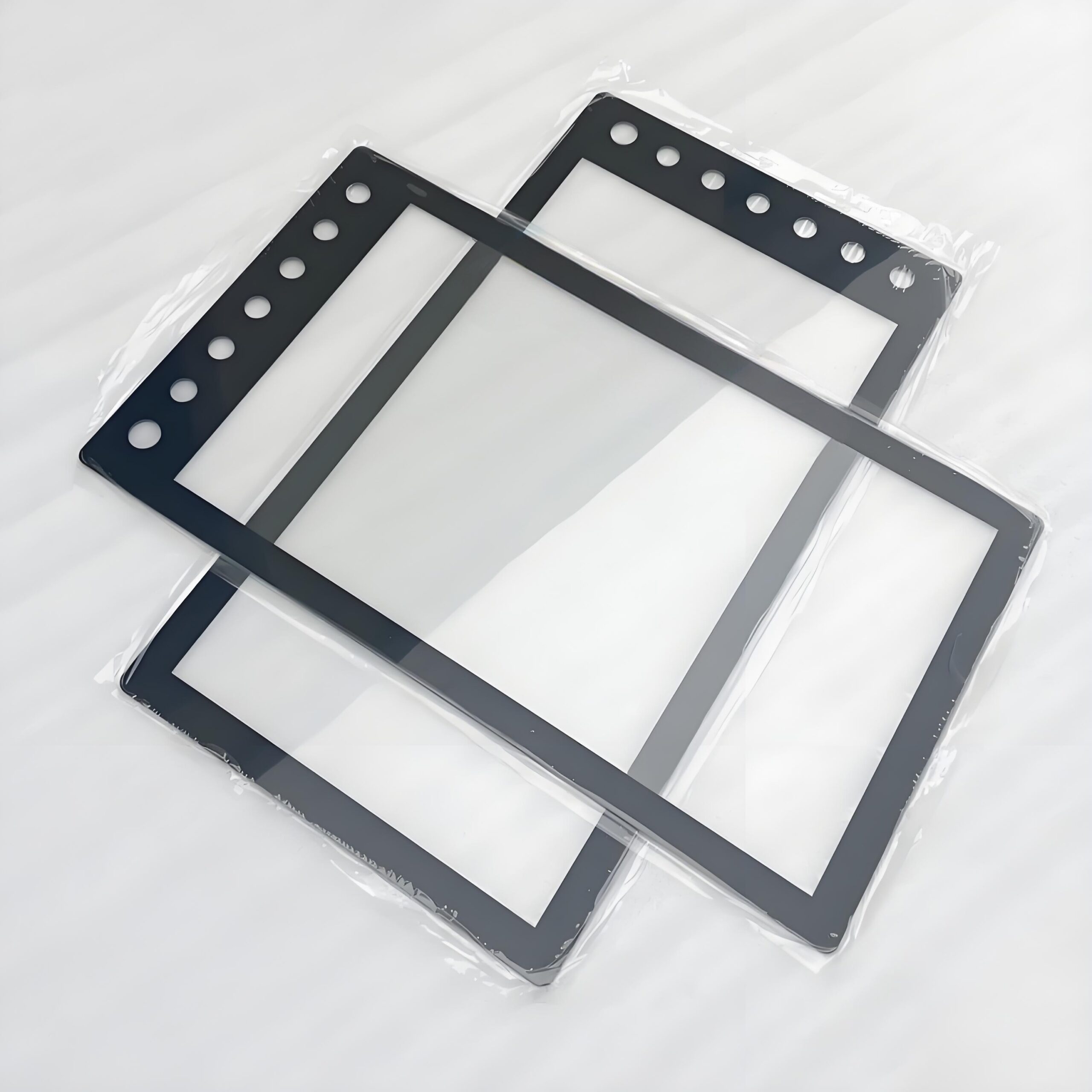
What is toughened glass
Toughened glass, also known as tempered glass, is a type of safety glass that has been heat-treated to increase its strength and thermal resistance. Compared with ordinary annealed glass, toughened glass can withstand greater mechanical and thermal stresses and is widely used in architectural, automotive, industrial and electronic applications.
You may ever seen in car windows, shower doors or phone screens: The extra strong glass doesn’t shatter into dagger like pieces when breaks. But how do they actually make it?
OK, it all comes down to a clever trick: Put the glass surface under constant pressure, while leaving the inside slightly stretched. Glass is naturally great at handling pressure, but it hates being pulled apart. So if you can keep the outer layer squeezed tight, any force that tries to crack it has to fight against that squeeze first. That’s the secret behind toughened glass.
All of this starts with ordinary flat glass: The same stuff used in windows. And then it goes through 1~2 treatments to get its superpowers.
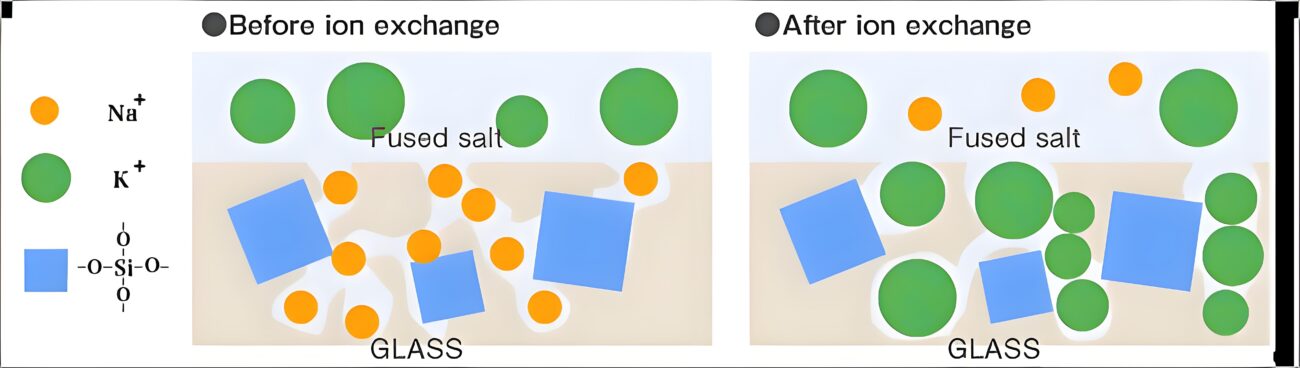
There are two major approaches to strengthening glass: thermal tempering and chemical strengthening. Thermal tempering heats the glass and rapidly cools its surfaces to create compressive stress. Chemical strengthening uses ion exchange, typically replacing smaller sodium ions near the glass surface with larger potassium ions.
Chemically strengthened glass is particularly relevant to thin electronic cover glass, while thermally toughened glass is widely used for applications requiring higher mechanical and thermal resistance.
First method: Heat and blast. It’s the more common approach to toughened glass.
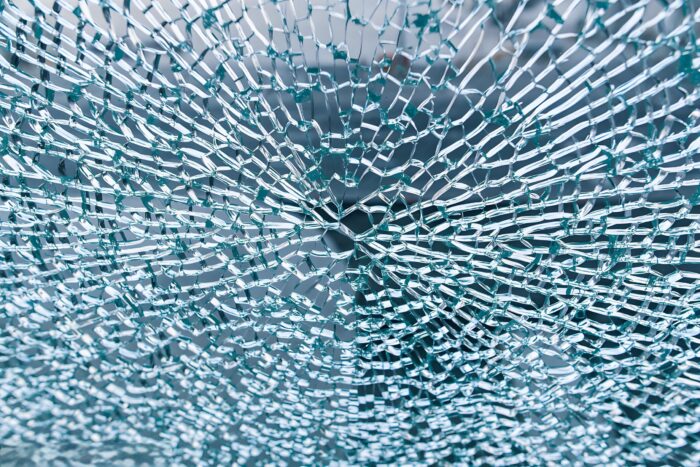
The glass heated up in a giant oven until it almost soft(Around 600°C), hot enough to glow. At that point, any leftover stresses from manufacturing release away. Then in a sudden moment the glass pulled out and blasted on both sides with high pressures cold air from lots of tiny nozzles. The surfaces cool and shrink much faster than the middle, which keeps warm longer. Once everything cools down to room temperature, the outside is locked in a state of being squeezed, while the inside is being pulled apart. The result? A pane that’s way tougher than before. And if it does finally break, it doesn’t form sharp shards: It crumbles into small, pebble-like chunks that won’t cut you badly.
Second method: A chemical swap to toughened glass.
It doesn’t use heat shock. Instead, it plays with the glass surface at the molecular level. The glass is dipped into a hot bath of molten salt containing tiny lithium ions. These lithium ions are smaller than the sodium or potassium ions already in the glass, so they sneak in and take their place right at the surface. Because the new ions are smaller, they don’t expand as much when things cool down. This creates the same effect as the heat method: A squeezed outer layer and a stretched inner layer just through chemistry instead of temperature.
So what does all this actually give you? For starters, strength. Toughened glass can handle over 125 MPa of pressure, that’s about four to five times what regular glass can take. Drop a 0.8‑kg steel ball from over a meter high onto it and it won’t even crack. It’s also surprisingly flexible. A typical panel can bend a whopping 100 millimeters under weight and bounce right back, while normal glass would snap after just a few millimeters of bending.
And here’s another big plus: It laughs in the face of temperature changes. You can plunge it from hot to cold without it cracking, thanks to that squeezed outer layer canceling out the stress that sudden temperature shifts create. It can handle a swing of up to 204°C and keep working safely at 288°C without breaking a sweat.
So next time you see a toughened glass tabletop or a car side window, you’ll know it didn’t start out that way: It got its toughness through either a fiery blast of air or a clever chemical bath, all designed to keep that surface squeezed tight.
FAQ:
Q1:Is toughened glass really unbreakable?
A:Not exactly, and it’s a common misunderstanding. Toughened glass is much stronger than regular glass, but it’s not indestructible. What makes it special isn’t that it never breaks but how it breaks.
When regular glass shatters, it splinters into long, sharp, dagger-like shards that can cause serious cuts. Toughened glass, on the other hand, crumbles into lots of tiny, blunt little pieces that are more like pebbles than knives. So if you’re sitting next to a car window when it breaks, you’re far less likely to get hurt.
That said, toughened glass does have its weak spots, especially the edges. If you hit the edge hard enough with a sharp point, the whole pane can still burst apart. So yes, it’s tough, but it’s not bulletproof.
Q2:Can I cut or drill holes in toughened glass after it made?
A2:Absolutely not.
All the cutting, drilling, and edge-shaping has to be done before the glass goes through the tempering process. Once it’s toughened, the internal stress is locked in: Surface squeezed, interior stretched. If you try to drill into it or cut it afterward, you’ll disturb that delicate balance and the glass will literally explode into those tiny pieces we talked about.
Think of it like a tightly wound spring: If you mess with one spot too much, the whole thing lets go at once. So if you need a custom-sized piece of toughened glass with holes or notches, make sure you order it that way from the factory. There’s no DIY drilling after the fact.