+86-13925515590
 kleinma@aliyun.com

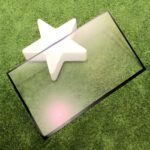
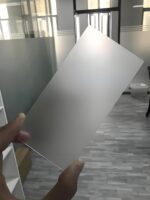
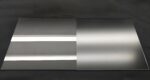
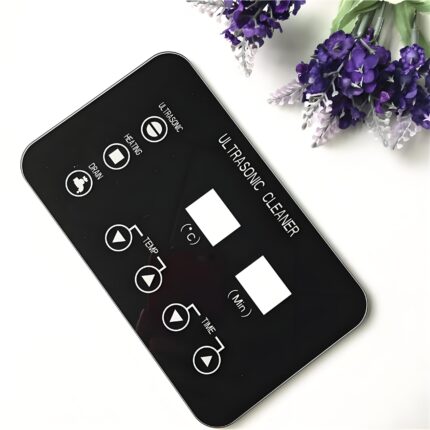
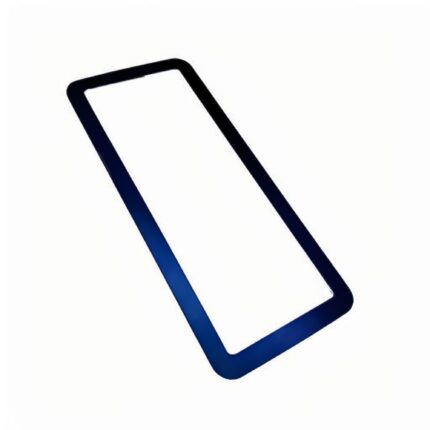
AG Display Glass
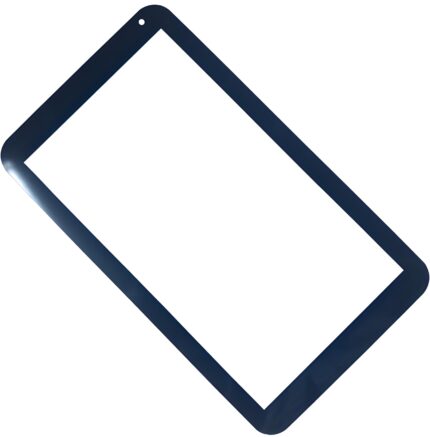
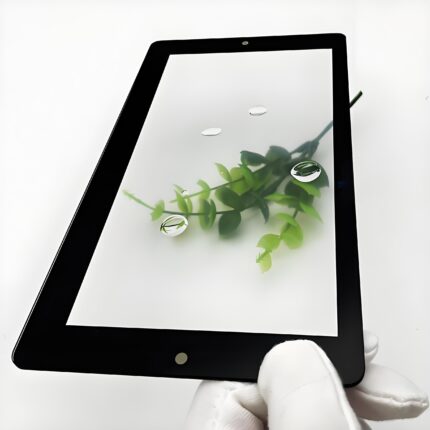
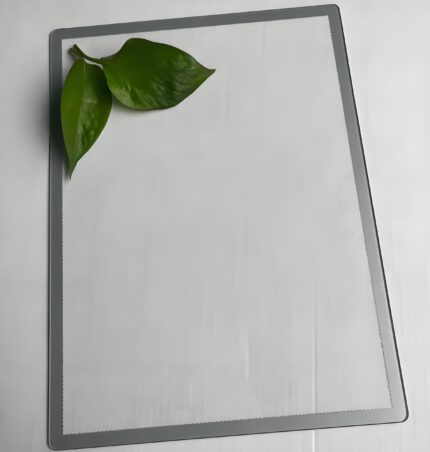
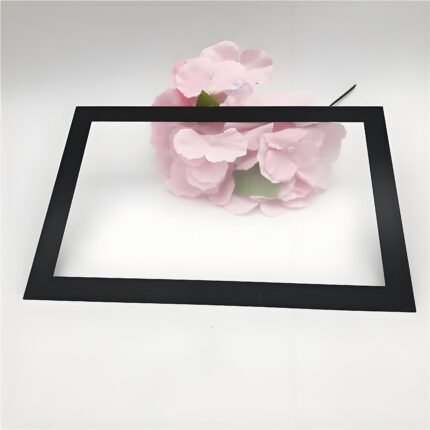
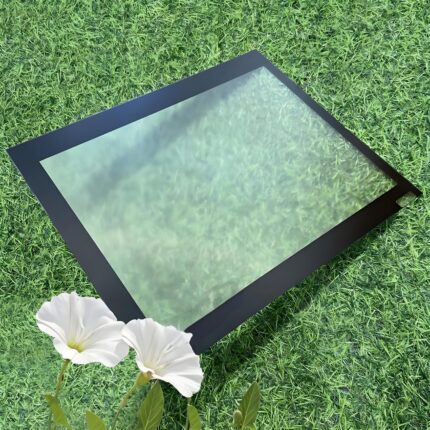
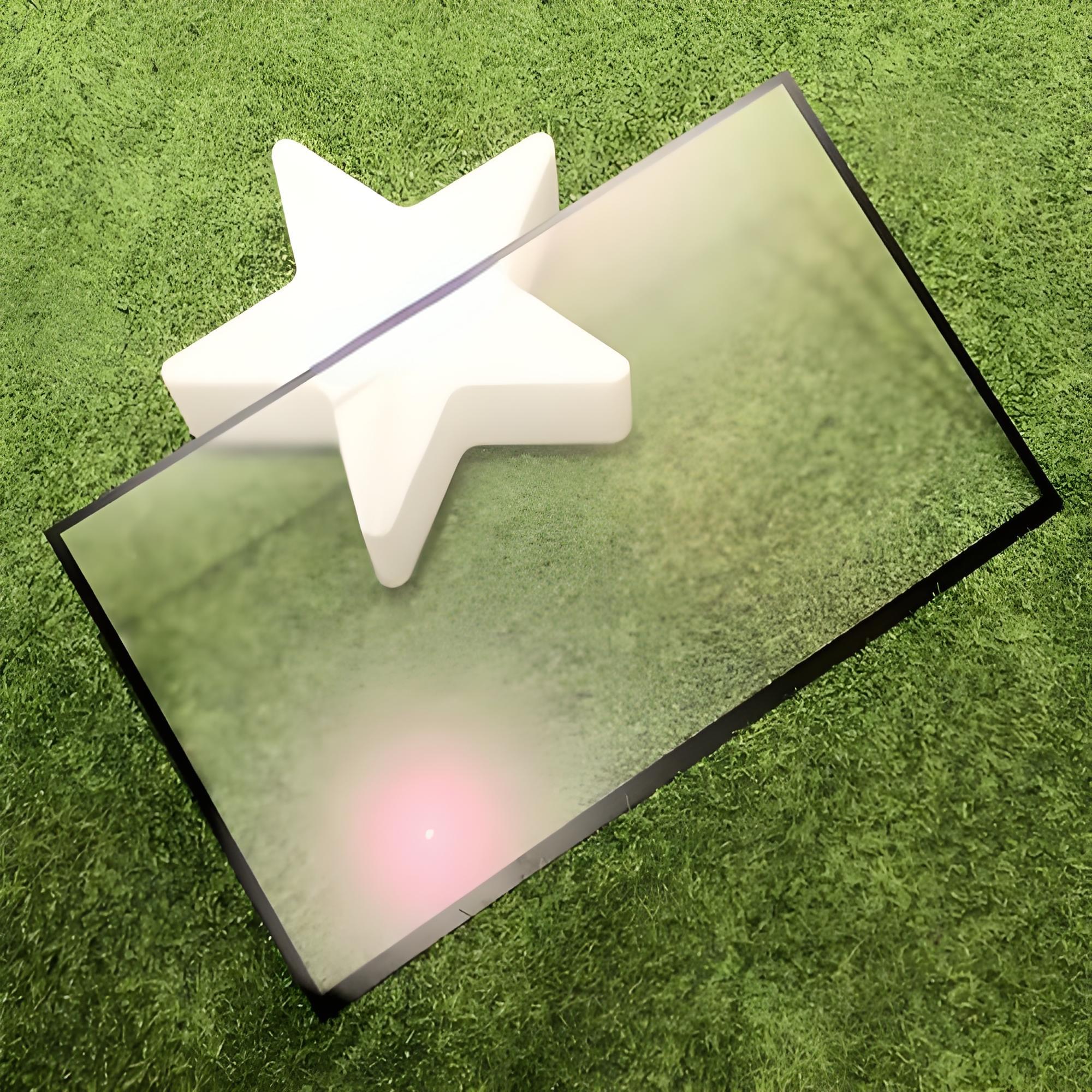
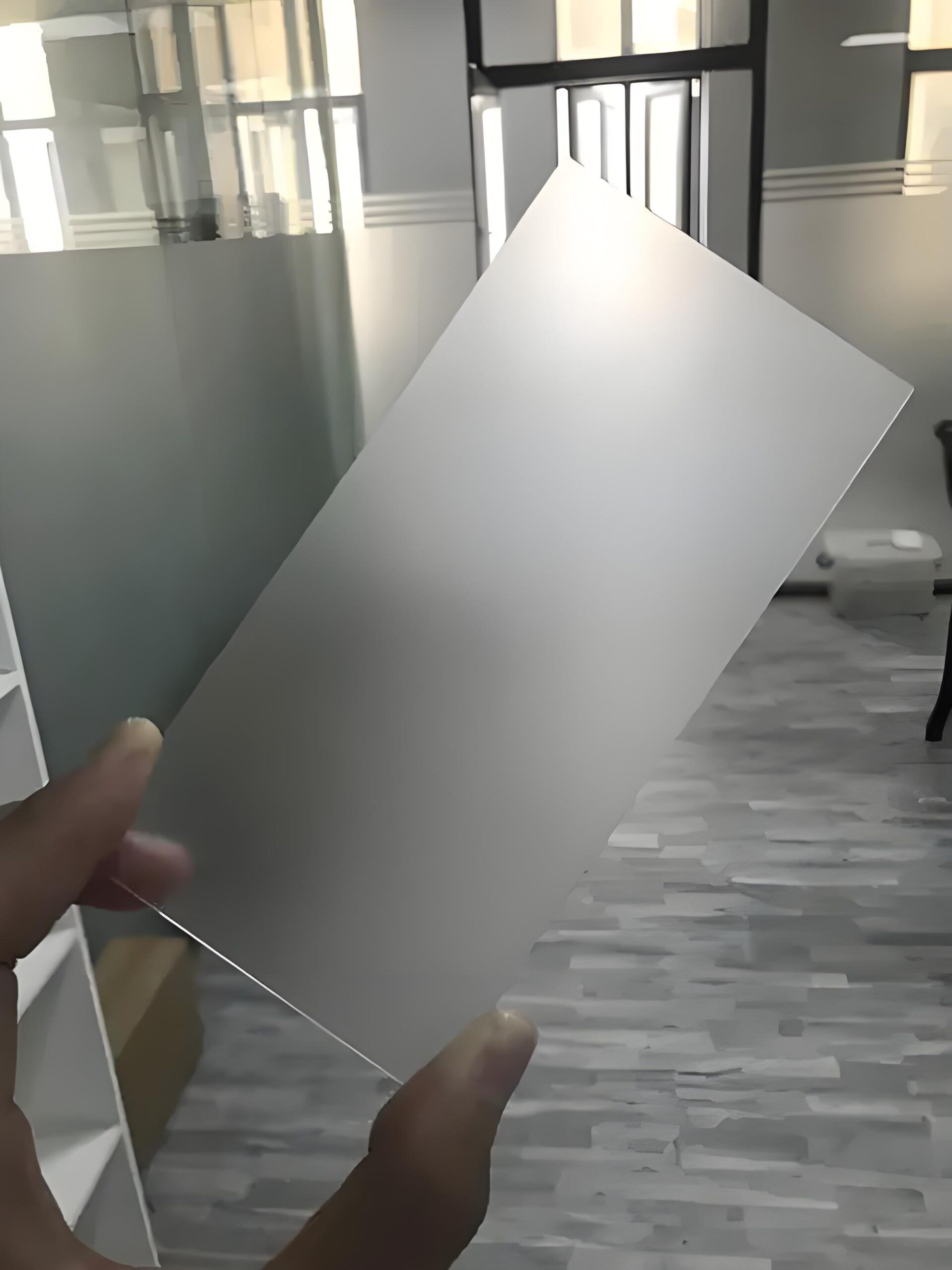
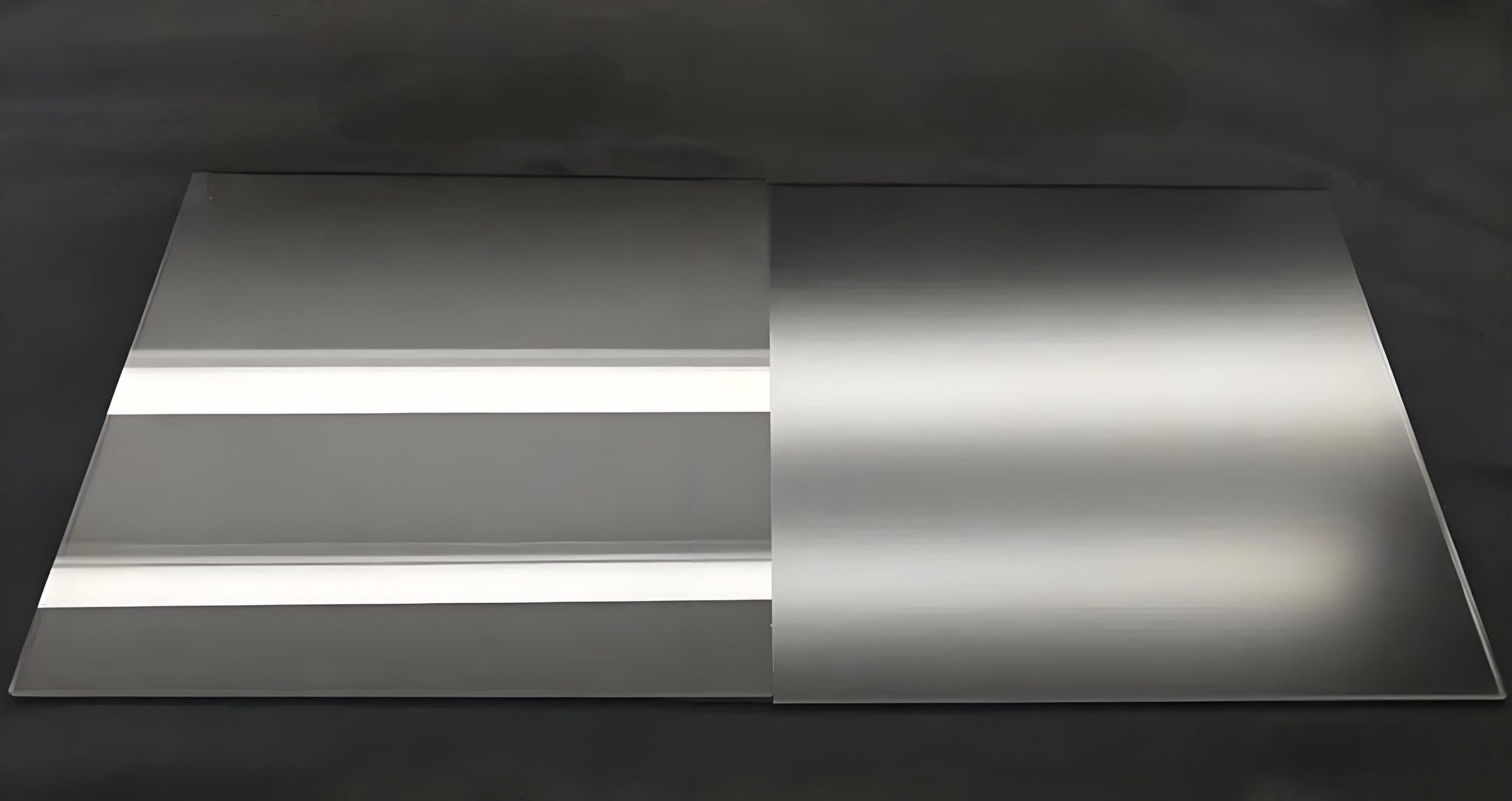
AG display glass features a matte surface designed to diffuse reflected light and reduce distracting glare on electronic displays. It is used in industrial control panels, automotive displays, outdoor terminals, and other applications where reflections can affect screen readability.
Weiman Tech provides custom AG display glass based on customer drawings and optical requirements. Key parameters include haze, gloss, and visible light transmittance (VLT), together with glass thickness, dimensions, and surface finish. Options such as chemical strengthening, CNC machining, silk-screen printing, and additional AR or AF treatments can be evaluated according to the application.
Weiman offer professional custom AG Display Glass base on customers’ requirement, the custom parameters including VLT, haze, roughness.
In contemporary society, the ag display glass apply on electronic display devices gain widespread popularity.
Nonetheless, under certain conditions, such as:
1.Exposure to direct sunlight or high-brightness environments
2.The clarity of high-resolution displays can compromise, leading to image distortion.
In severe cases, this may even adversely affect human vision. The surface properties of OLED or LED display glass play a critical role in determining its light transmittance and reflectivity.
To mitigate reflections and ensure precise color reproduction, as well as deliver clear and vivid imagery.
Now display glass cover is often subject to specialize coating treatments to enhance its performance.
Anti-glare (AG, click here for more information) glass, renown for its ability to minimize environmental reflection interference.
Furthermore, etched AG glass has emerge as the material of choice for many electronic display applications, owing to its exceptional performance characteristics, including high durability, scratch resistance, and an optimized tactile texture that complements its aesthetic appeal.
This makes it an ideal solution for modern display technologies.
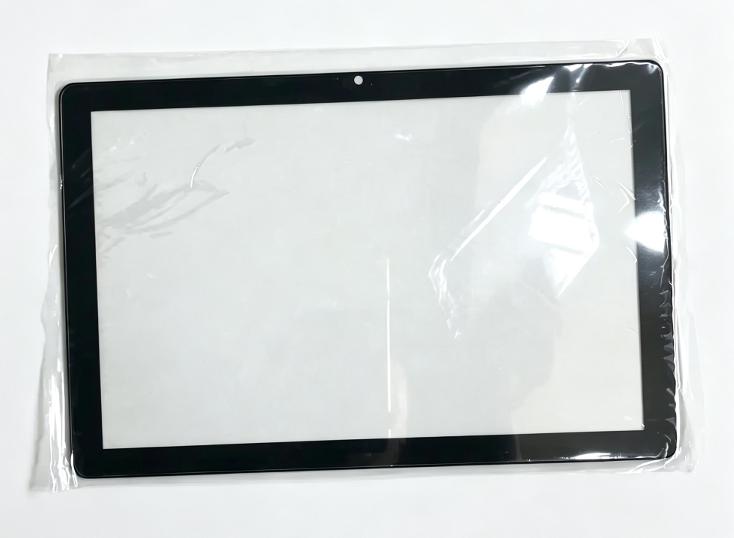
AG Display Glass Treatment
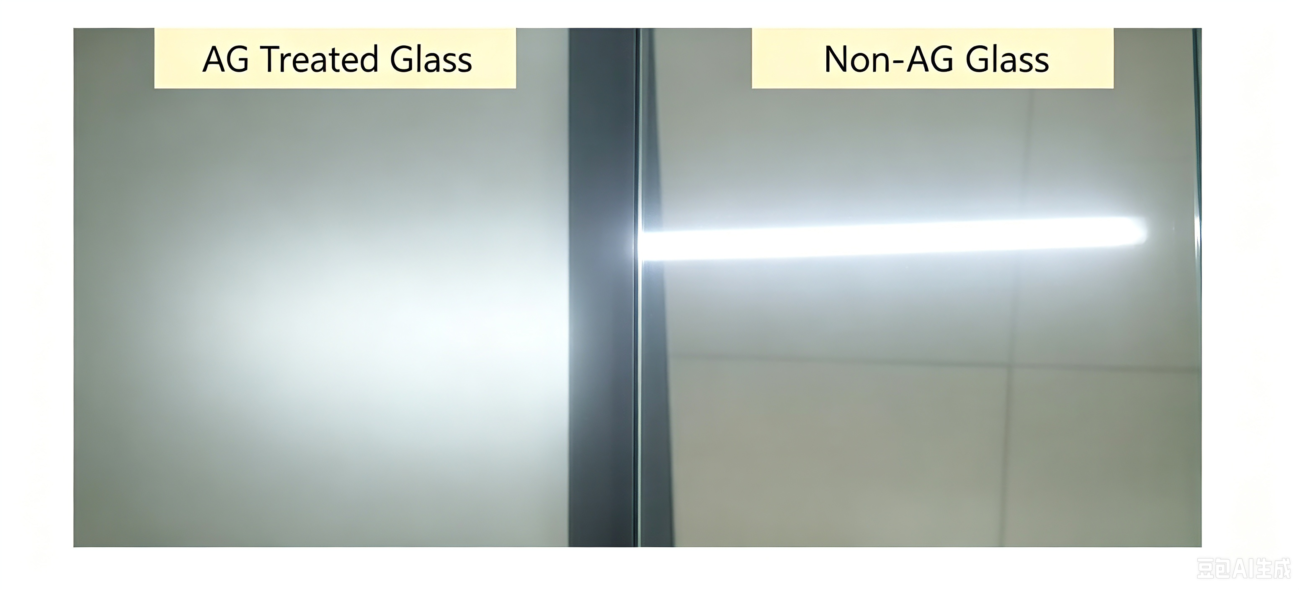
AG display glass can achieve a matte surface through different surface-treatment methods. The appropriate process depends on the required optical performance, surface texture, glass material, and intended application.
Common AG Surface Treatment Options
- Chemical Etching: Creates a controlled matte texture on the glass surface to diffuse reflected light. The resulting appearance and optical properties depend on the glass composition and etching process.
- Mechanical Sandblasting: Uses abrasive media to produce a textured surface. Surface uniformity, roughness, and optical performance need to be evaluated for the specific application.
- Matte Coating or Printing: A matte coating or specially formulated ink can provide a non-glossy appearance in selected areas. This approach should be evaluated separately from etched AG glass because the surface structure and durability may differ.
Key Parameters for Custom AG Display Glass
When specifying AG glass, buyers should consider more than the matte appearance alone:
- Haze: Indicates how much transmitted light is scattered. Higher haze may reduce visible reflections, but it can also affect display sharpness.
- Gloss: Helps describe how reflective or matte the surface appears under specified measurement conditions.
- Visible Light Transmittance (VLT): Indicates the proportion of visible light transmitted through the glass.
- Surface Texture and Image Clarity: These affect the visual appearance of displayed content, especially fine text, icons, and detailed graphics.
The right combination depends on the display brightness, viewing distance, ambient lighting, and image-quality requirements. Weiman Tech can evaluate custom AG display glass specifications based on your drawings, target optical parameters, and application requirements.
What Is AG Display Glass?
AG display glass is cover glass with an anti-glare surface designed to diffuse reflected ambient light. Unlike untreated glass, which can produce distinct reflections under certain lighting conditions, an AG surface spreads reflected light over a wider angle.
This treatment is useful for electronic displays installed in environments with overhead lighting, windows, or other sources of ambient light. The final visual effect depends on the surface texture, haze level, display brightness, and viewing conditions.
AG display glass can be customized for different display designs, including:
- Matte Surface Finish: Reduces the appearance of sharp reflections by scattering reflected light.
- Application-Specific Optical Performance: Haze, gloss, and visible light transmittance can be specified according to the display’s readability and image-quality requirements.
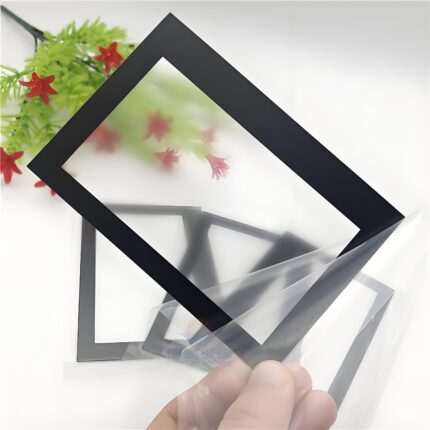
- OEM Glass Processing: Dimensions, cutouts, edge finishing, chemical strengthening, and silk-screen printing can be evaluated according to the product design.
Benefits of Anti-Glare Cover Glass
Reduced Distracting Reflections
The matte surface diffuses reflected ambient light, helping reduce sharp reflections from overhead lighting, windows, and other light sources. The actual effect depends on the AG surface specification and lighting conditions.
Display Readability in Bright Environments
AG cover glass can be considered for industrial control panels, outdoor terminals, and other displays exposed to changing ambient light. The final readability also depends on display brightness, viewing angle, and optical design.
Optical Performance Matched to the Application
Haze, gloss, and visible light transmittance can be evaluated together to balance reflection control with image clarity. This is particularly important for displays that show fine text, icons, or detailed graphics.
Integration with Custom Glass Processing
AG surface treatment can be combined with selected OEM processes, such as CNC machining, edge finishing, silk-screen printing, and chemical strengthening. Optional AR or AF treatments may also be evaluated for compatible designs and performance requirements.
Custom AG Glass Manufacturing Options
| Specification | Customization Options |
|---|---|
| Glass Material | Aluminosilicate Glass or Soda Lime Glass |
| Glass Thickness | Custom thickness, subject to material and process feasibility |
| Dimensions | Custom dimensions based on drawings |
| Shape | Rectangular, round, or other drawing-based shapes |
| AG Surface Finish | Matte anti-glare finish; optical specifications confirmed by sample or agreed requirements |
| Optical Parameters | Haze, gloss, and visible light transmittance (VLT) |
| Edge Processing | CNC cutting, edge grinding, and polishing as required |
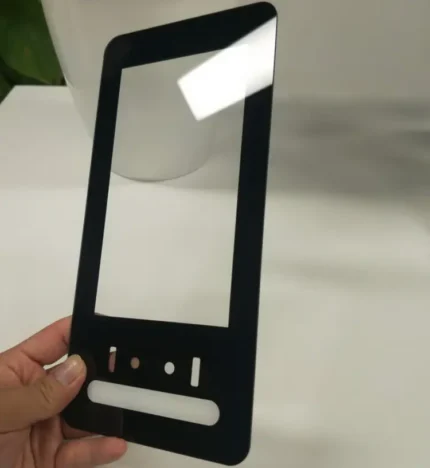
| Cutouts and Holes | Custom machining based on drawings |
| Glass Strengthening | Chemical strengthening, subject to glass material and thickness |
| Silk-Screen Printing | Custom colors, borders, logos, and patterns |
| Additional Surface Treatments | Optional AR or AF treatment, subject to compatibility and specification review |
| OEM Production | Prototype samples and production quantities based on project requirements |
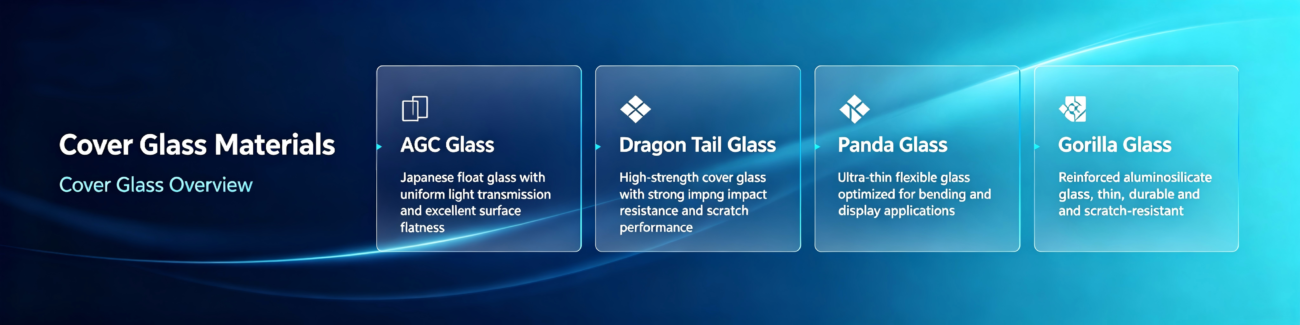
What Material Should Be Chosen As AG Display Glass
The choice of glass material for AG display glass depends on the display design, mechanical requirements, optical targets, and manufacturing process. Anti-glare (AG) is a surface treatment rather than a separate glass material, so the substrate should be selected according to the requirements of the finished component.
Aluminosilicate Glass
Aluminosilicate glass may be considered for display applications requiring chemical strengthening and specific mechanical performance. Its suitability depends on the selected glass grade, thickness, dimensions, and processing requirements.
Soda Lime Glass
Soda lime glass is another option for custom display cover glass. Whether it is suitable depends on the application, required strength, optical specifications, and the intended surface treatment.
When selecting a substrate, buyers should consider the required thickness, glass dimensions, edge processing, AG surface characteristics, and any additional treatments such as chemical strengthening, silk-screen printing, AR, or AF. Not every combination is suitable for every glass grade.
Weiman Tech can review your drawings and application requirements to evaluate suitable glass materials and AG processing options before sample production.
Applications of AG Display Glass

Industrial Control Panels
AG display glass can be used on HMI panels, machine interfaces, and industrial control displays where overhead lighting or ambient reflections may affect screen readability. Glass dimensions, mounting cutouts, edge finishing, and surface specifications can be customized to match the equipment design.
Learn more about Industrial Display Glass.
Automotive Displays
For dashboard displays, center information screens, and navigation systems, AG cover glass can help diffuse distracting reflections. The surface specification should be evaluated alongside display brightness, image clarity, and the viewing conditions inside the vehicle.
Explore our Automotive Display Cover Glass.
Medical Equipment Displays
AG glass may be considered for monitoring equipment, diagnostic interfaces, and medical device control panels. The appropriate surface finish depends on the required display clarity, cleaning procedures, and the equipment’s design specifications.
Consumer Electronics
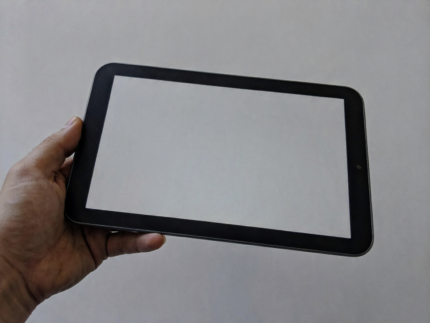
Tablets, smart devices, and other electronic products may use AG cover glass when a matte surface is preferred. Thickness, dimensions, edge processing, printing, and additional surface treatments can be specified according to the product design.
View our Consumer Electronics Cover Glass.
Looking for custom AG display glass for an industrial, automotive, or electronic display?
Send us your drawing or preliminary specifications for a project review. We can evaluate the glass material, dimensions, thickness, AG surface finish, and additional processing requirements based on your application.
To help us prepare an accurate quotation, please include:
- Glass drawing: Dimensions, shape, cutouts, holes, and tolerances.
- Glass specifications: Material preference and required thickness.
- AG requirements: Target haze, gloss, VLT, or a reference sample, if available.
- Additional processing: Edge finishing, chemical strengthening, silk-screen printing, or compatible AR/AF treatments.
- Order details: Estimated quantity, sample requirements, and target delivery schedule.
If you do not have finalized optical specifications, you can still send your application details and reference images. We can review the available information and discuss suitable specifications before sampling.
Contact Weiman Tech to discuss your AG display glass project and request a quotation.