 +86-13925515590
 kleinma@aliyun.com

The complexity hidden behind the “simple” production of 1mm amazing glass cover lenses

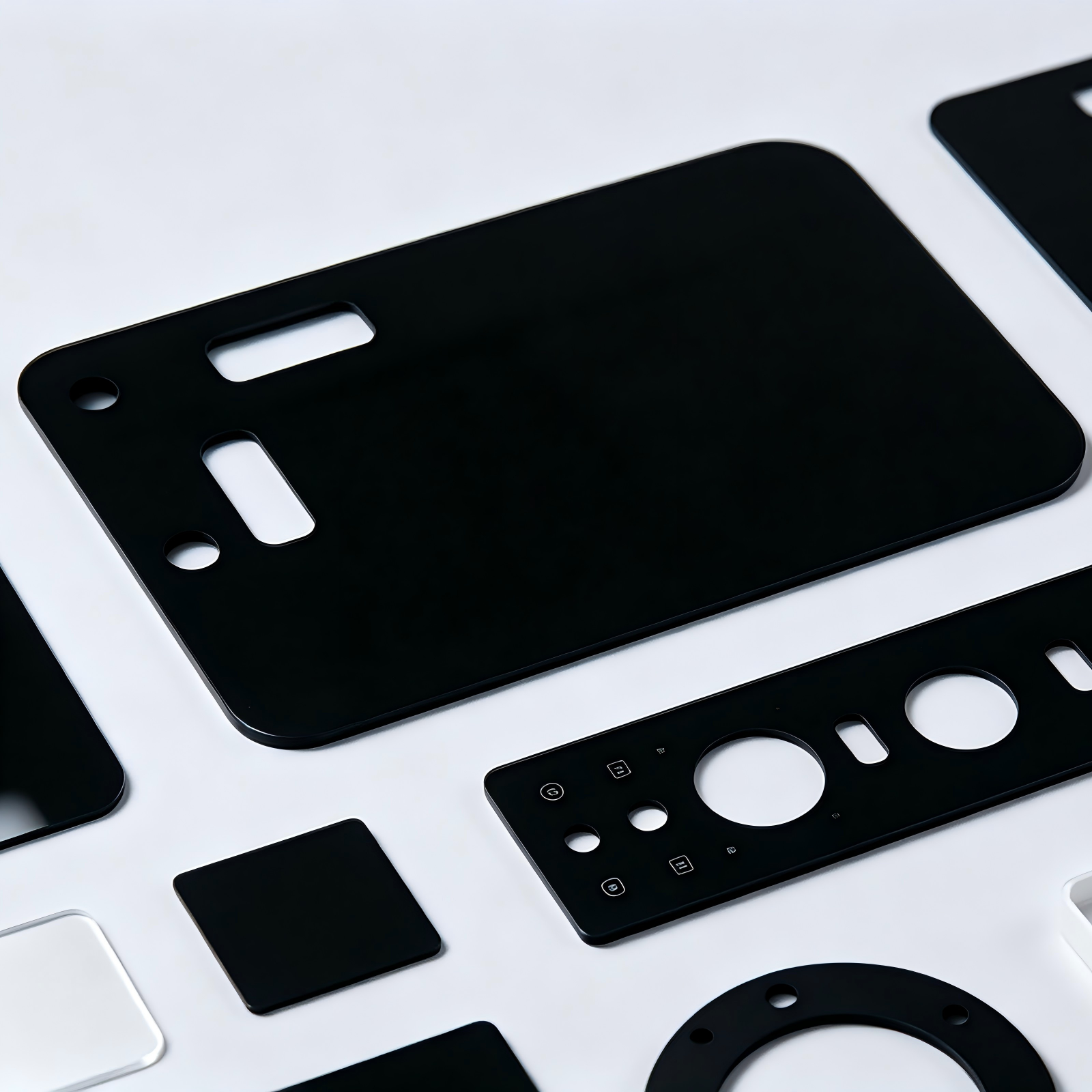
The Introduction of Glass Cover Lenses
When you visit our manufacturing facility, they usually observe the production line which follows what can be seemed in a straightforward sequence: Cutting, CNC grinding & drilling, ultrasonic cleaning, chemical strengthening, printing, coatings, baking, inspection and final packaging. Many cutomers feel nothing special after factory visit. But everyone in the industry knows the real one isn’t written on flowchart, it buried in the subtle craftsmanship which makes or break product quality. Now, I’d like to remove the surface and let you know the technologies that truly define glass cover lens manufacturing.
Firstly, it’s about glass cover lenses shaping and profiling.
The standard square or round covers are relatively undemanding, but the moment you convert to complex geometries, the stakes rise significantly. There are a few scenarios can be considered:
Irregular cutting: It covers irregular contours, curved edge(like 2.5D) or polygonal shapes. Except these tricky shapes, you can’t just rely on fancy machines: You also have to dial in the settings just right. Otherwise, edge chipping or tiny cracks will keep popping up and causing trouble.
Take precision hole drilling for example. Many glass covers need cutouts for things like camera glass cover lenses, sensors or even double steps holes within holes. If the position or size is off by even a hair, the device might not work properly. So you need CNC machines that are accurate to the bone, and tooling that fits the job perfectly.
Then there’s groove cutting. Sometimes you have to carve out channels to fit electronic parts or create blind keys for certain designs. Getting the depth and shape right isn’t easy: It takes rock-solid machine stability and very careful process tweaking.
At the end of the day, handling these complicated shapes isn’t just about buying expensive machine. It really comes down to years of hands-on experience and constantly fine-tuning your approach, so you can consistently hit the customer’s size tolerances and visual quality standards.

Now let’s move on to printing on glass cover lenses.
Black or white borders are fairly straightforward, but when you get into multi-layer, multi-color work, things get a whole lot trickier.
With multi-layer printing like six layers or more: Getting each layer to line up perfectly with the one below is critical. Even a tiny misalignment can mess up the whole look.
Color consistency is another headache. Every single piece has to match the target shade exactly, especially with bright colors like white or red, even a slight difference sticks out like a sore thumb. This calls for precise color mixing know-how and tight control over every step of the process, so every batch comes out looking identical.
Print accuracy and yield go hand in hand. For high-end applications, the printed pattern has to be placed with extreme precision. That means your printing equipment, workshop environment and operating procedures all have to meet high standards to keep rejects low and output high.
And don’t forget ink performance. Since the cover glass is the first thing users see, the ink has to look good and last long. It needs to stand up to sunlight, temperature changes and daily wear, all while staying firmly attached to the glass cover lenses. That’s why we put it through tough tests to make sure it holds up in real-world conditions.

Finally, let’s talk about glass cover lenses surface treatments. AG (anti-glare), AR (anti-reflection) and AF (anti-fingerprint) coatings are the three most common finishes we apply.

They make the glass cover lenses more user-friendly and help it perform better under different lighting. AG and AR, in particular, are tough to get right because you need perfect uniformity and long-lasting stability: Both of which really test a manufacturer’s skill.
So sure, the overall process might look simple on paper. But the real competitive edge comes down to handling complex shapes, mastering multi-layer printing, delivering consistent surface coatings and keeping quality tight at every turn. For a factory that truly knows its stuff, it’s not about just making it work: It’s about making it work perfectly, every single time, with high yields and repeatable results. And when customers are sizing up potential suppliers, these are exactly the details they look at to decide who’s trustworthy and who’s not.