 +86-13925515590
 kleinma@aliyun.com

Blog
What Is AG Glass? 4 Excellent AG Processing Technologies You Absolutely Need to Understand

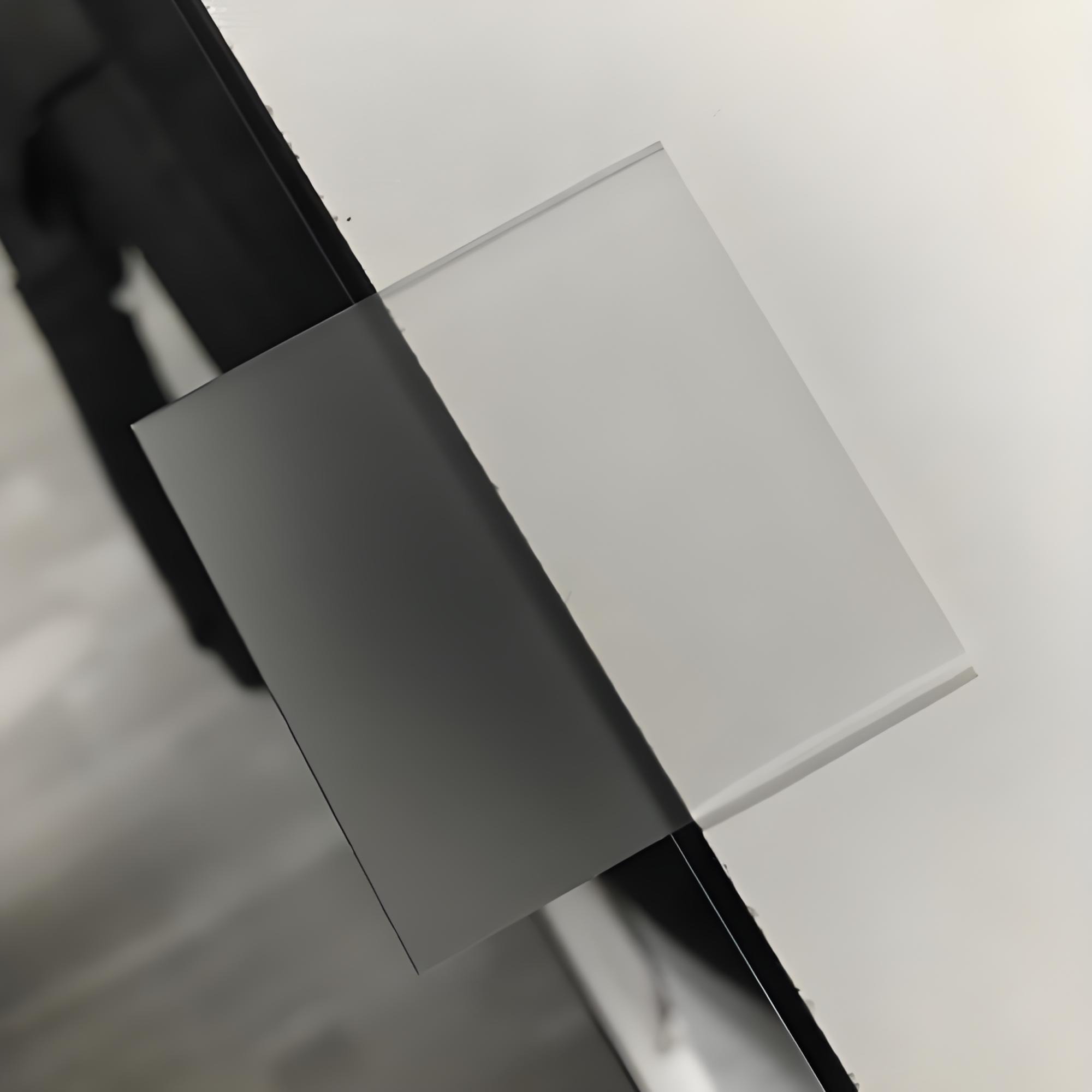
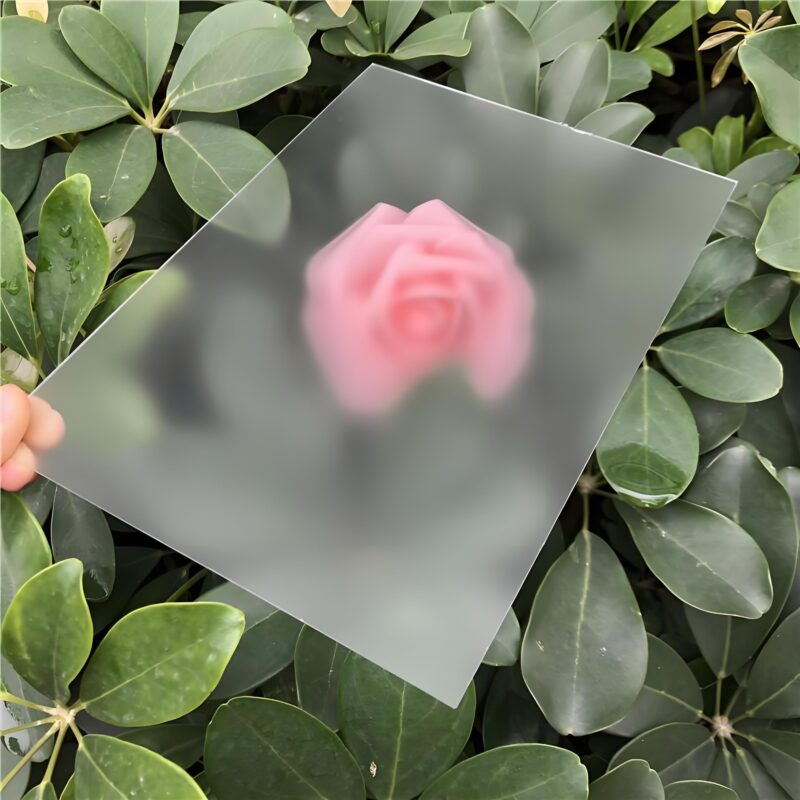
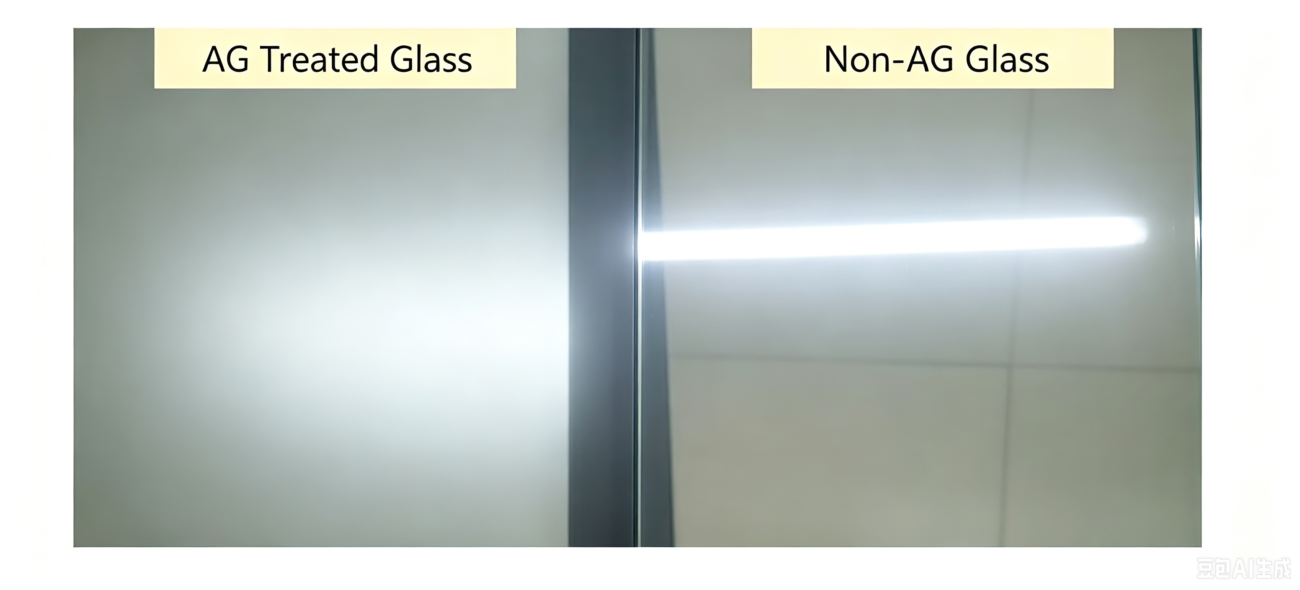
AG is short for anti glare. AG glass also known as anti glare glass, which refers to glass with special treated surfaces. This treatment turns ordinary glass’ reflective glossy surface into a matte, low reflection surface covered with tiny uneven textures.
Core Values of AG Glass Treatment
Common AG Glass Processing Methods
Chemical Etching AG
Working Principle of Chemical Etching On AG Glass
Two categories of reaction products are formed during the process:
1.Fluorides: Water-soluble types include alkali metal fluorides such as potassium fluoride and sodium fluoride. Water-insoluble types cover calcium fluoride, barium fluoride and lead fluoride.
2.Fluorosilicates: Most fluorosilicates of potassium, sodium, calcium, barium and lead have low water solubility, while ammonium fluorosilicate dissolves easily in water.
The areas covered by crystal residues are isolated from the frosting solution and stop reacting. Exposed gaps between crystals keep being corroded. Such uneven erosion finally forms a frosted matte surface with micro bumps and dips.
Factors That Determine AG Glass Final Etched Surface Texture
1.Properties of reaction residues: solubility and crystal size of generated salts, as well as how easily residues can be cleaned off the surface. Continuous removal of residues leads to evenly etched smooth or semi-gloss surfaces. Low-solubility residues and large crystals produce coarse matte finishes.
2.Glass chemical composition: AG Glass rich in lead oxide forms fine frosted texture; high barium oxide content results in coarse grain surface; zinc oxide, calcium oxide or chromium oxide create medium-sized grain matte surfaces.
3.Composition of etching solution: Adding components such as sulfuric acid that dissolve reaction salts helps achieve semi-gloss surfaces. Typical etching liquid consists of hydrofluoric acid, ammonium fluoride, potassium fluoride and water.
FAQ
A1: AG is short for Anti-Glare. AG glass undergoes special surface treatment to turn the glossy reflective surface into a matte textured surface with micro unevenness. It scatters ambient light instead of producing sharp mirror reflections, reduces glare and reflective highlights, and ensures clear viewing even under strong light.
A2: The common AG methods include spray AG, chemical etching AG, coating AG and AG film lamination. Spray AG and chemical etching AG are the two most widely adopted solutions. Different techniques bring differences in surface texture, durability and production cost.
A3: Multiple conditions control the final matte finish. They include solubility and crystal size of chemical reaction residues, the chemical composition of raw glass, and the formula of etching liquid. Adjusting these parameters can achieve different frosted textures from fine grain to coarse matte surface.