 +86-13925515590
 kleinma@aliyun.com

Blog
The sample cost on electronic cover glass, something you may not know

The electronic cover glass to the customer who first time to cover glass lenses, the sample charge often comes as a surprise. A repeatedly question we heard is “Why can’t samples offer free?” From an outsider’s view, it seems like all it takes is to cut a large sheet of glass into smaller pieces. But once you step into the actual production process, you quickly realize there’s a lot more going on behind the scenes.
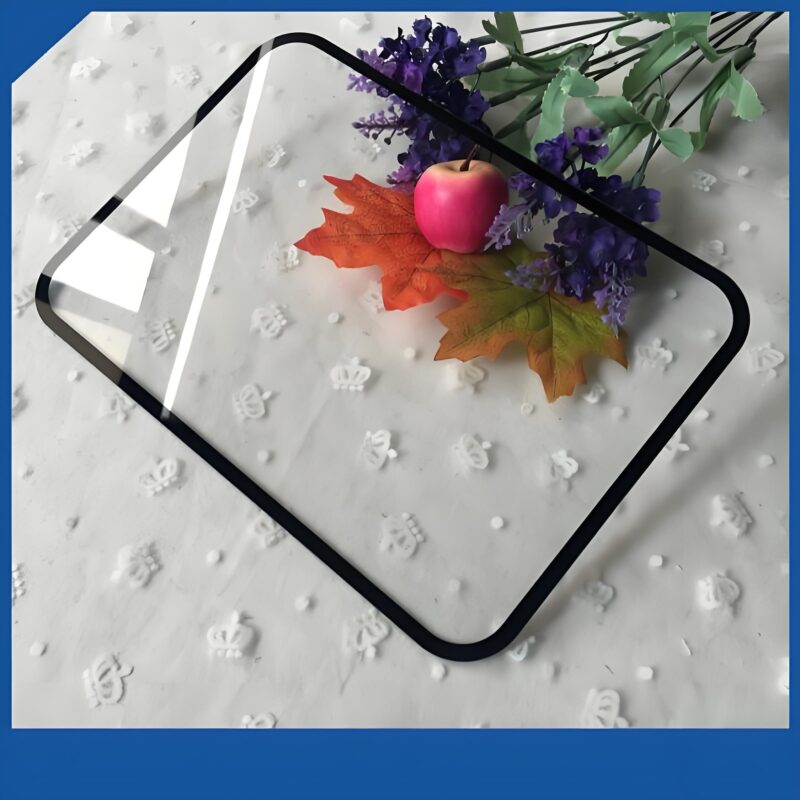
Now, I’s like to tell you the various cost items that go into making a glass cover lens sample, so you can find exactly where the charges come from.
Material costs: Not all glass is the same, which depends on the project. We may use soda lime glass, high-alumina silicate glass or branded materials like Corning, AGC, CSG or Panda. If the design needs for AG (anti-glare) treatment, it also adds to the material expense. Since sample quantities are small, we typically put in 200% of the required material upfront to ensure both yield and final quantity are met.
CNC fixture costs: After cutting, the edges are sharp. To make them safe and meet design specs, we run them through CNC for edge chamfering, rounding or custom shaping like holes or odd contours. This requires dedicated 1:1 fixtures and grinding tools for each unique design, which means fixture costs needed.
Chemical strengthening: This step takes about 8 hours per cycle base on different glass materials and thicknesses demand separate parameters, so we can’t batch process them together. On top of that, there are utility costs and consumables like potassium nitrate to factor in.
Printing costs: Every color and every printing layer requires its own individual screen and film, each of which comes with its own cost. The more colors or layers, the higher the expense needed. If specific color needed, the charge from ink supplier also needed.
Surface treatment costs: If you need AR (anti-reflective) coating or AF (anti-fingerprint) coating, there are setup and oven-startup fees involved for each run.
Labor costs: From design and machine setup to operation and quality inspection, real people are involved at every stage and their time adds up.
Setup and debugging time: Before any real production can begin, each process needs to be dialed in. To complex products, setup alone can take half a day while the actual machining might only take 10 minutes.
Packaging and shipping: Finally, samples are carefully protected with double-sided lamination, vacuum-sealed bags and either carton or wooden crates, then shipped safely to your door.
These are the main visible cost components that go into every glass cover lens sample. I hope this breakdown helps make the quote feel a little more transparent, and if you have any questions, feel free to reach us anytime.