 +86-13925515590
 kleinma@aliyun.com

Blog
Unlocking the Benefits of Ultra-Thin Electronic Glass Cover Lens for Sleek Designs

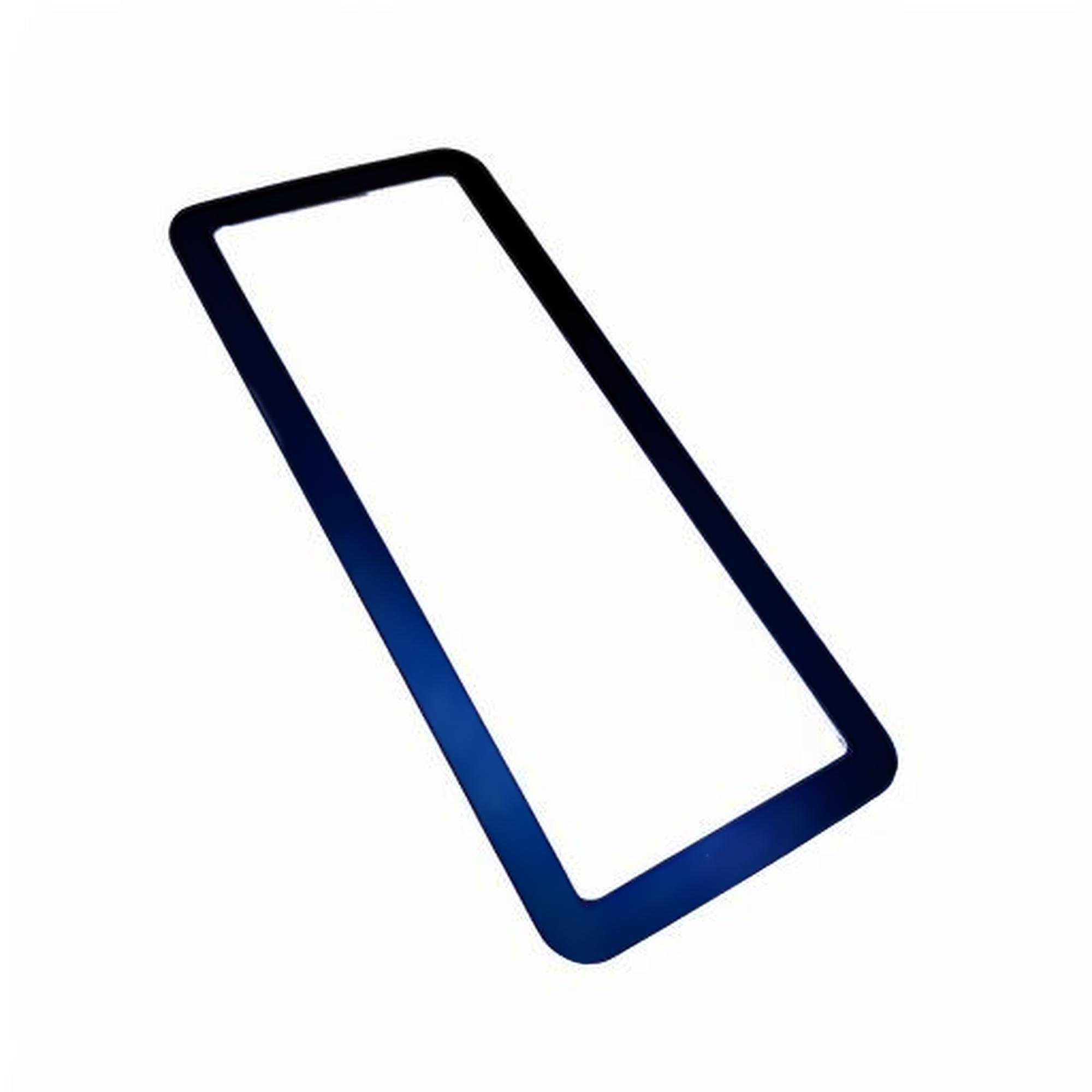
In the rapidly evolving world of consumer electronics, the demand for slimmer, lighter, and more durable devices is higher than ever. At the forefront of this innovation is DONGGUAN WEIMAN TECHNOLOGY CO., LTD, known in the industry as WEIMAN TECHNOLOGY. The company is pioneering the application and development of ultra-thin electronic Glass cover lenses, which are revolutionizing the design and functionality of modern devices.
Ultra-Thin Electronic Glass Cover Lens: A Game Changer in Device Design
The ultra-thin electronic glass cover lens is a breakthrough material that is reshaping the aesthetics and performance of smartphones, tablets, wearables, and other smart devices. With thicknesses often less than 0.5mm, these advanced glass covers provide exceptional transparency, scratch resistance, and structural integrity, all while allowing manufacturers to create sleeker and more attractive designs.
WEIMAN TECHNOLOGY has invested heavily in research and development to perfect the production of these ultra-thin glass cover lenses. Their proprietary processes ensure not only the durability and reliability of the glass but also its compatibility with advanced touch screen technologies and display enhancements.
Key Benefits of Ultra-Thin Glass Cover Lenses
- Sleek Aesthetics: Devices with ultra-thin glass cover lenses appear more modern and sophisticated, meeting the demands of style-conscious consumers.
- Enhanced Durability: Despite their thinness, these glass covers offer impressive resistance to scratches, impacts, and daily wear.
- Improved Touch Sensitivity: The reduced thickness enhances the responsiveness of touch screens, providing a superior user experience.
- Lightweight Construction: Ultra-thin glass contributes to the overall reduction in device weight, making gadgets more portable and comfortable to use.
Industry Trends: The Rise of Ultra-Thin Glass in Next-Gen Devices
The electronics industry is witnessing a significant shift towards the adoption of ultra-thin glass cover lenses. According to recent market research, global demand for ultra-thin glass is expected to grow at a double-digit CAGR over the next five years, driven by the proliferation of foldable smartphones, smartwatches, augmented reality (AR) devices, and automotive displays.
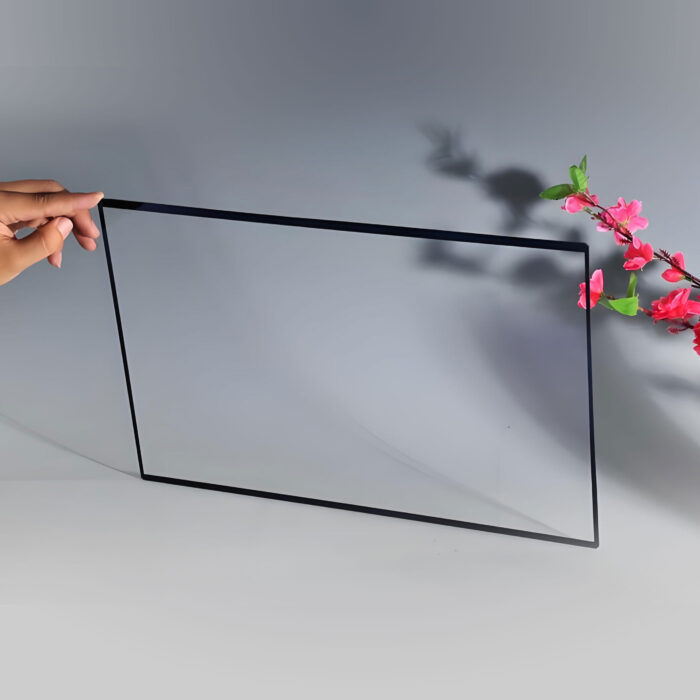
Manufacturers are increasingly choosing ultra-thin glass not just for its physical properties but also for its ability to support advanced functionalities such as fingerprint sensors, anti-reflective coatings, and even flexible displays. WEIMAN TECHNOLOGY is at the forefront of these developments, offering customized solutions to meet the specific needs of diverse applications.
Case Study: Ultra-Thin Glass in Wearable Technology
Wearable devices, such as smartwatches and fitness trackers, have unique requirements for durability, weight, and user comfort. Ultra-thin electronic glass cover lenses are ideal for these products, providing a robust yet lightweight protective layer that can withstand the rigors of daily use. WEIMAN TECHNOLOGY has partnered with leading wearable brands to develop glass solutions that enhance both the performance and visual appeal of their products.
Integration with Touch Screen Technology
Touch screen technology is a critical component in modern electronics. Ultra-thin glass cover lenses from WEIMAN TECHNOLOGY are engineered to work seamlessly with capacitive touch sensors, ensuring precise and responsive user interactions. This integration is particularly important in devices where screen clarity and sensitivity are paramount, such as high-end smartphones and tablets.
Related Innovations: Optical Bonding & Anti-Reflective Coating
Two key technologies that complement ultra-thin electronic glass cover lenses are optical bonding and anti-reflective coating. Optical bonding involves laminating the glass cover lens directly to the display panel, reducing internal reflections and improving display contrast. This process not only enhances visual quality but also increases the structural integrity of the screen, making it more resistant to shocks and drops.
Anti-reflective coating, meanwhile, is applied to the surface of the glass to minimize glare and improve visibility under various lighting conditions. This is particularly valuable for outdoor devices or those used in brightly lit environments. WEIMAN TECHNOLOGY incorporates these advanced treatments into their ultra-thin glass products, ensuring optimal performance for end users.
WEIMAN TECHNOLOGY: Leading the Future of Electronic Glass Innovation
As the market for ultra-thin electronic glass cover lenses continues to expand, WEIMAN TECHNOLOGY remains committed to pushing the boundaries of what is possible. The company’s state-of-the-art manufacturing facilities and experienced R&D team enable it to deliver high-quality, customized solutions for clients across the globe.
In addition to consumer electronics, WEIMAN TECHNOLOGY is exploring applications in automotive displays, medical devices, and industrial equipment, where ultra-thin glass can provide a competitive edge in both performance and design. Their focus on innovation, quality, and customer satisfaction positions them as a trusted partner in the fast-paced electronics industry.
Conclusion: Embracing the Next Generation of Device Design
The adoption of ultra-thin electronic glass cover lenses is transforming the way electronic devices are designed and experienced. With industry leaders like DONGGUAN WEIMAN TECHNOLOGY CO., LTD driving innovation, the future looks bright for manufacturers and consumers alike. By leveraging the benefits of ultra-thin glass, along with advanced technologies like optical bonding and anti-reflective coating, device makers can deliver products that are not only sleek and stylish but also durable and highly functional.
For more information on ultra-thin electronic glass cover lenses and the latest trends in electronic device design, stay tuned to updates from WEIMAN TECHNOLOGY.